Located in the heart of west-central Alabama, the city of Tuscaloosa has long been recognized as the home of the University of Alabama. However, a deeper analysis of the municipality reveals a rapidly diversifying destination. Situated within a short drive of Birmingham and Montgomery, and positioned within a three-to-four-hour transit corridor of major Southern metropolitan hubs—including Atlanta, Nashville, Chattanooga, and New Orleans—Tuscaloosa has successfully leveraged its geographic positioning to cultivate a robust year-round tourism sector.
By balancing its legendary collegiate sports culture with historic preservation, outdoor recreation, and an expanding culinary landscape, the city has transformed itself from a seasonal college town into a resilient multi-day travel destination.
Main Facts
Tuscaloosa’s contemporary appeal is built upon several distinct pillars, ranging from modernized state parks to deeply significant historical routes and high-profile collegiate athletic facilities.
Outdoor Recreation and State Park Infrastructure
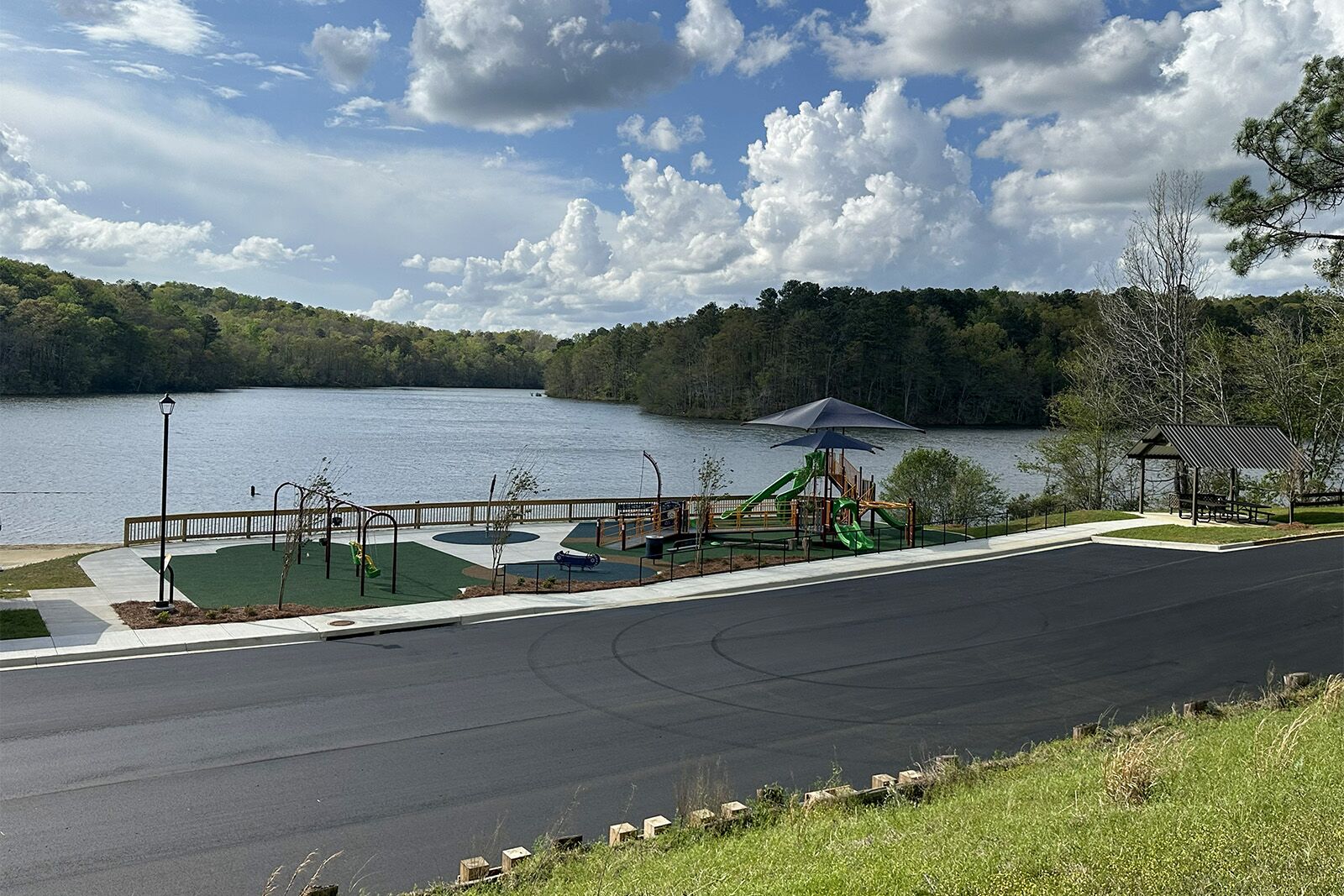
A cornerstone of the region’s outdoor tourism is Lake Lurleen State Park, located approximately 20 minutes from downtown Tuscaloosa in Coker, Alabama. The 1,625-acre park recently underwent a multimillion-dollar modernization project. This initiative upgraded critical infrastructure, including roads, utilities, and public facilities, while introducing high-speed broadband, public Wi-Fi, and comprehensive Americans with Disabilities Act (ADA) compliance.
The park centers around the 250-acre Lake Lurleen, offering diverse day-use activities such as swimming, fishing, and non-motorized watercraft rentals. Accommodation options at the park have also modernized, expanding beyond traditional RV and tent sites to include luxury safari-style glamping tents managed in partnership with Timberline Glamping.
Cultural Preservation and Heritage Tourism
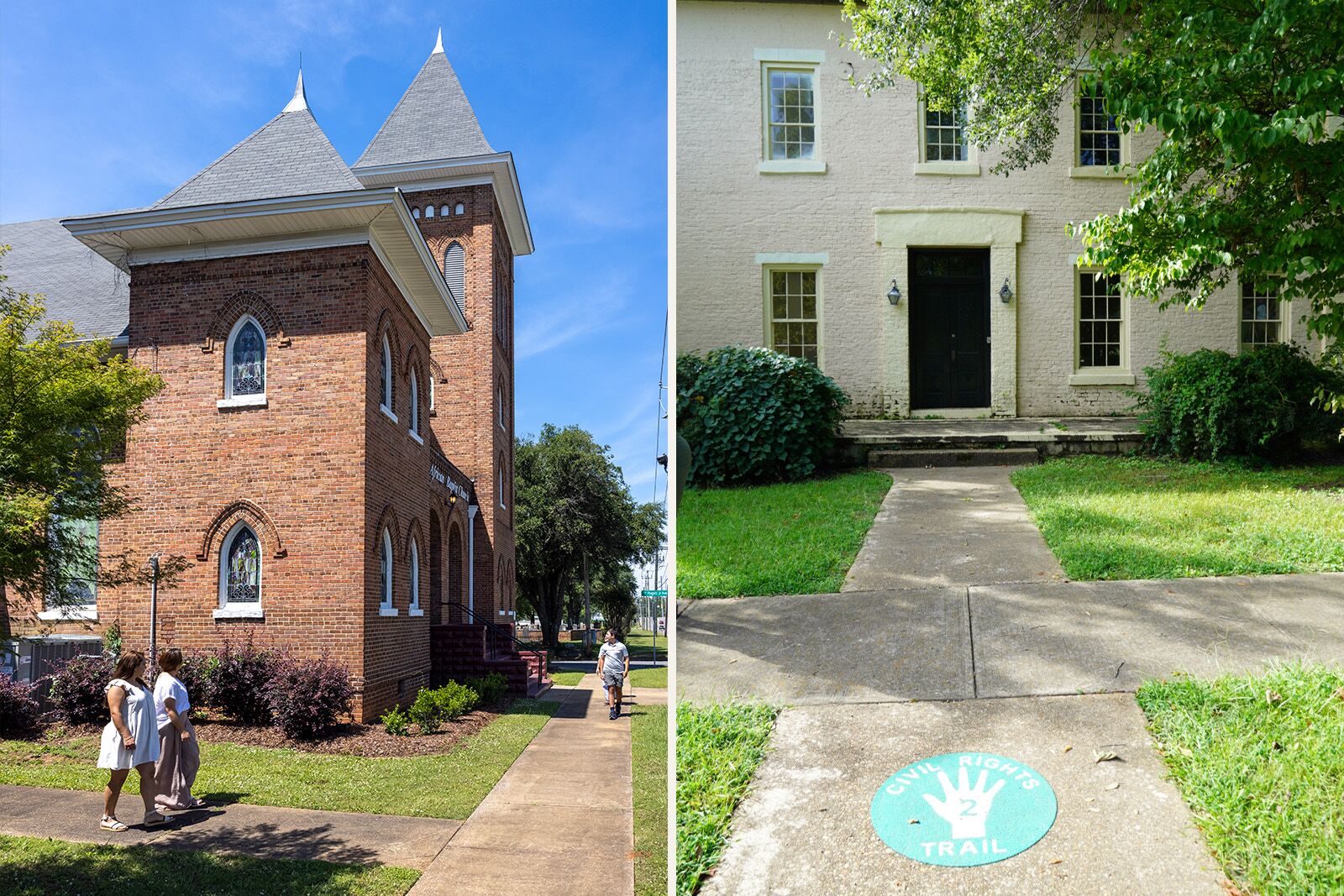
The Tuscaloosa Civil Rights Trail represents a major initiative to preserve and interpret the city’s pivotal role in the mid-20th-century struggle for racial equality. The self-guided trail features 18 historic stops, beginning at the First African Baptist Church—a critical organizing hub led by Rev. T.Y. Rogers, Jr., a close associate of Dr. Martin Luther King, Jr.
The trail documents key events, such as the violent police response to peaceful protestors on "Bloody Tuesday" in June 1964. Ongoing municipal developments, such as the Linton Barbershop Plaza, continue to expand this trail with public murals and timeline-based educational panels.
Tuscaloosa Civil Rights Trail: Key Landmarks
├── First African Baptist Church (Organizing hub; Bloody Tuesday site)
├── Linton Barbershop Plaza (Interpretive timeline & mural wall)
├── Capitol Park (Site of Alabama's former state capitol)
└── Old Tuscaloosa City Jail (Historic detention facility)
Collegiate Athletics and Campus Integration
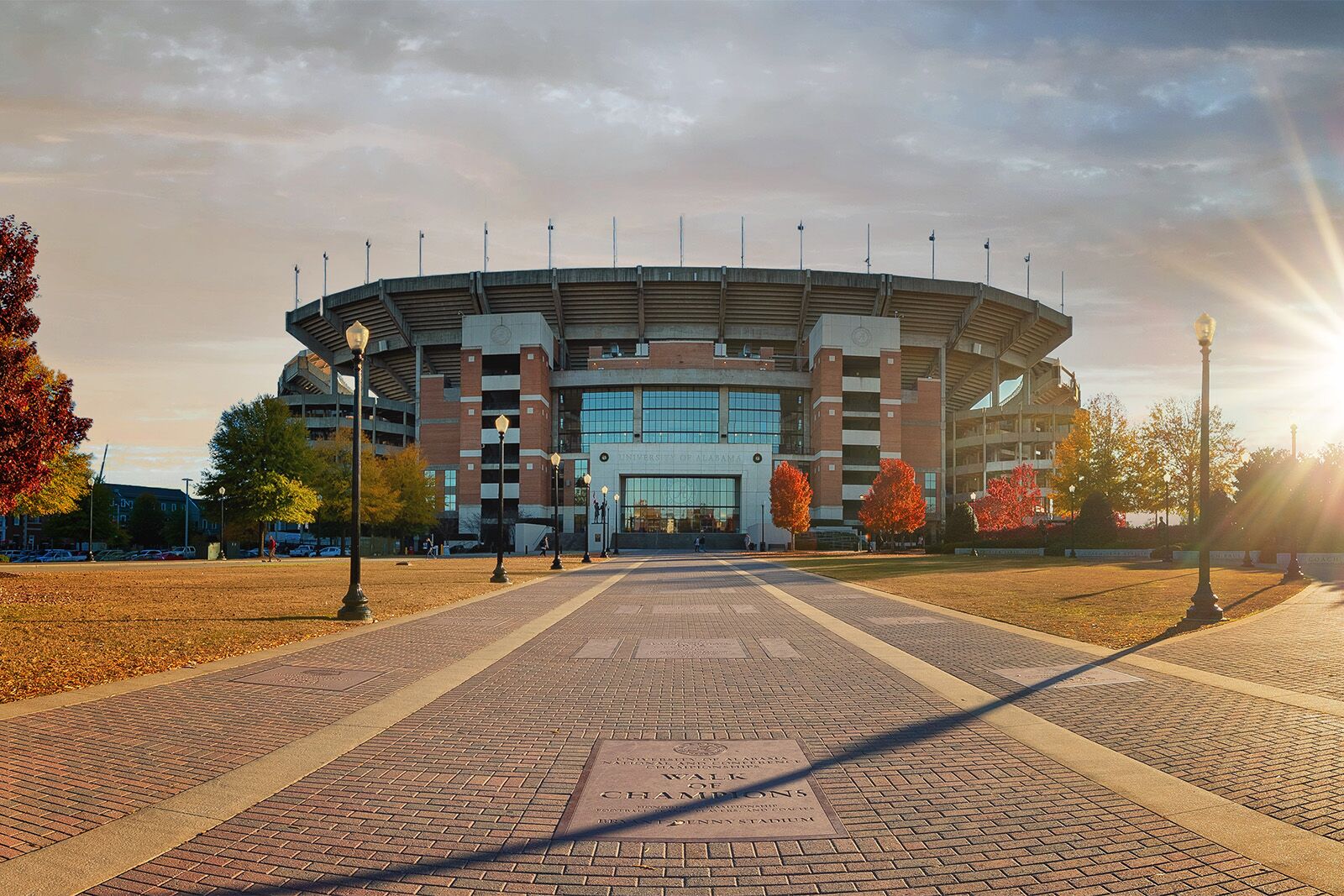
The University of Alabama remains a primary driver of visitation. Bryant-Denny Stadium, with a capacity exceeding 100,000, offers public tours that showcase the institution’s athletic legacy, including the recruiting facilities, championship displays, and the home locker room.
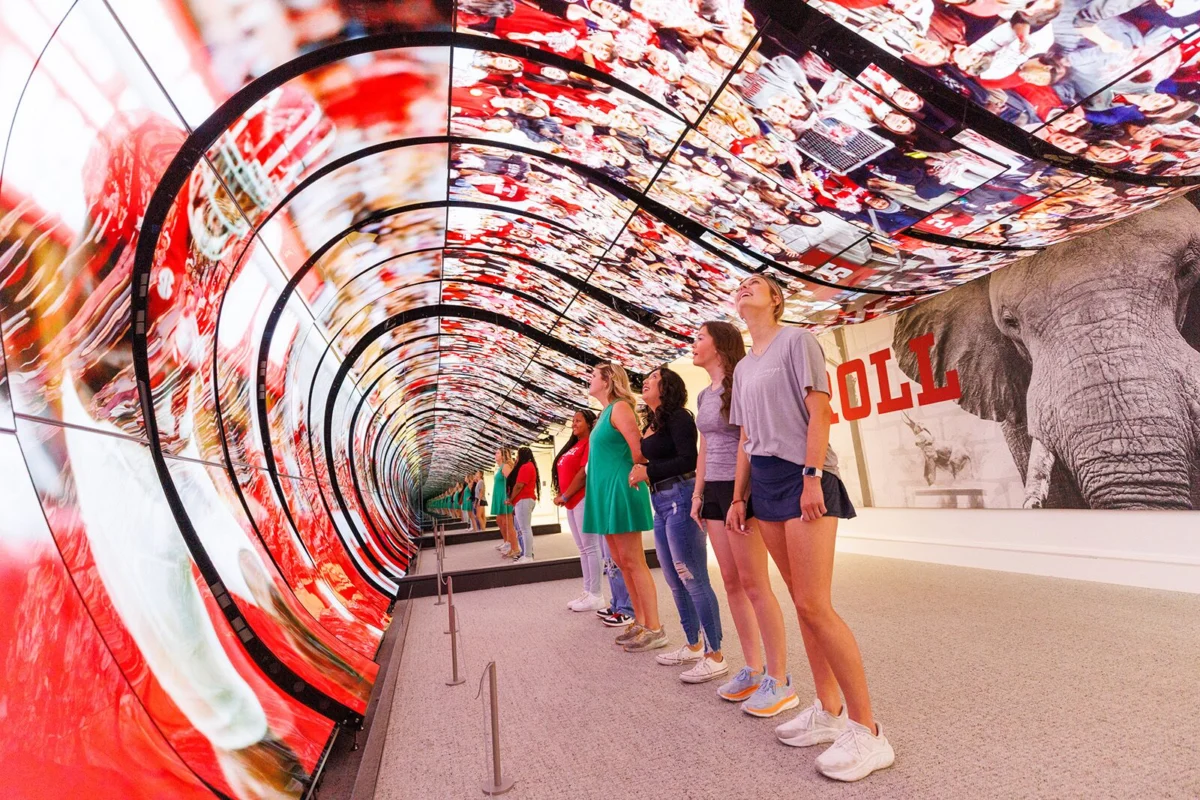
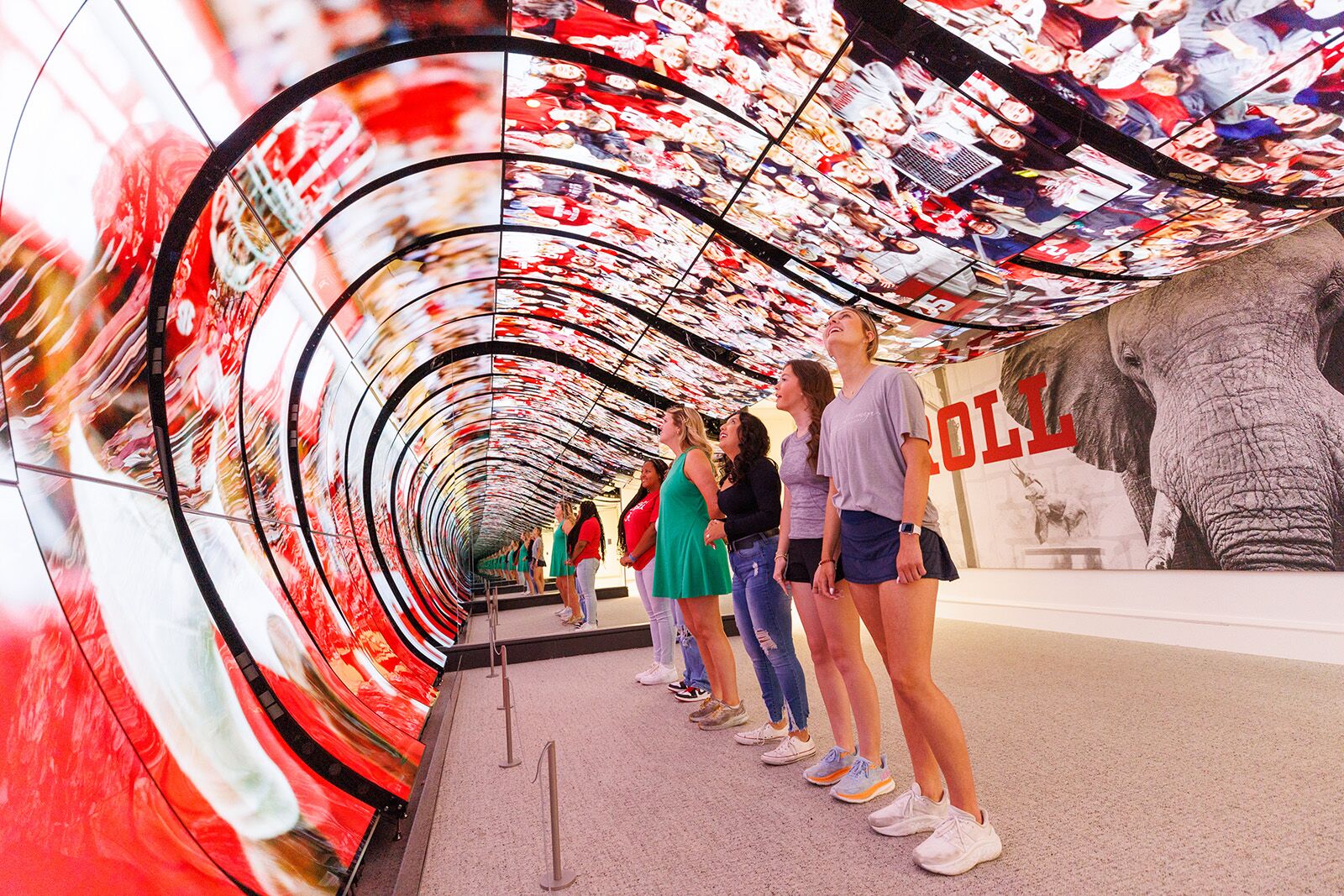
Complementing the stadium experience is the Paul W. Bryant Museum and the recently opened Catherine and Pettus Randall Welcome Center. Housed in the historic Bryce Hospital building—a structure listed on the National Register of Historic Places—the welcome center serves as a cultural bridge, offering historical exhibits on early mental health care in Alabama alongside interactive university displays.
Culinary and Artisanal Growth
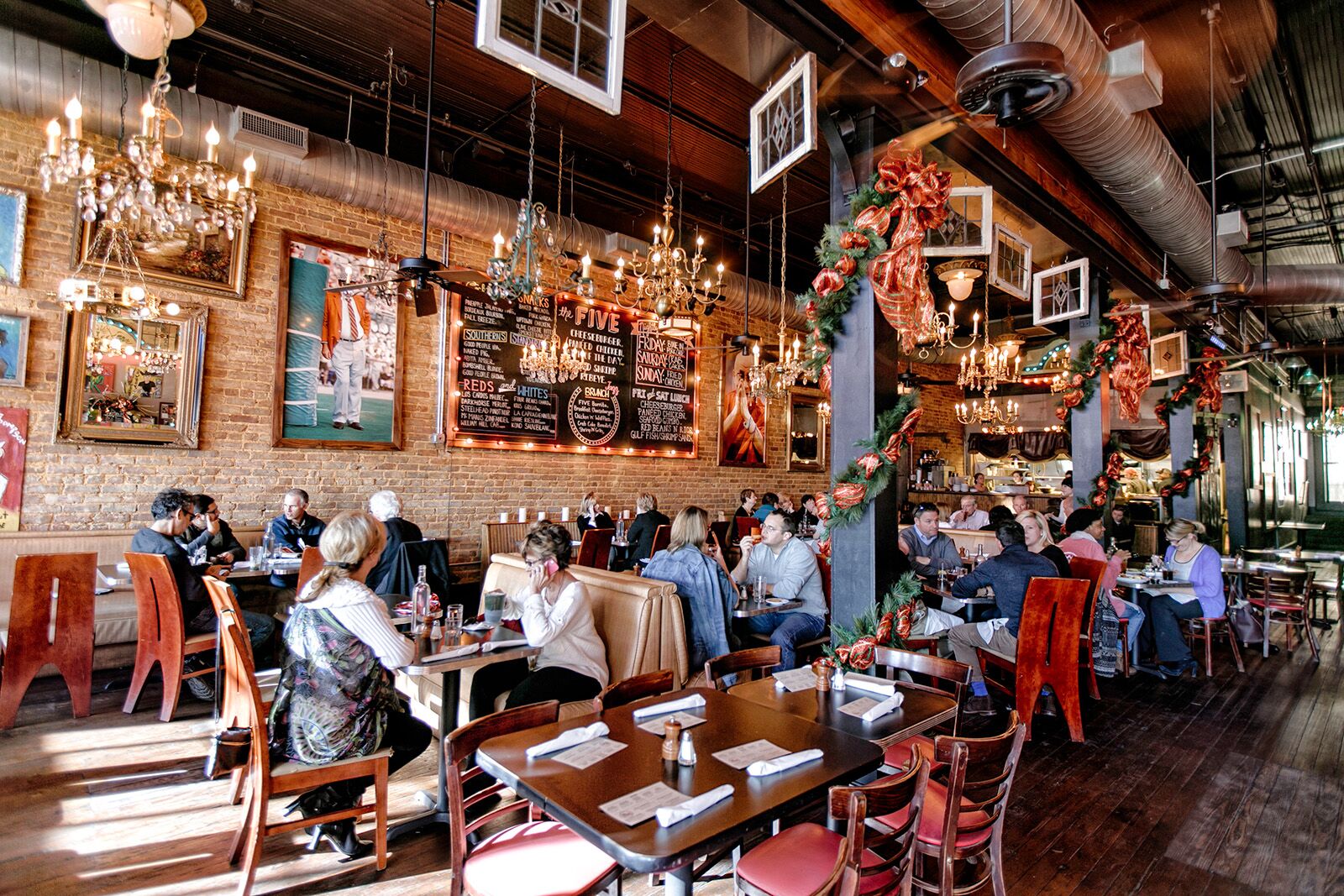
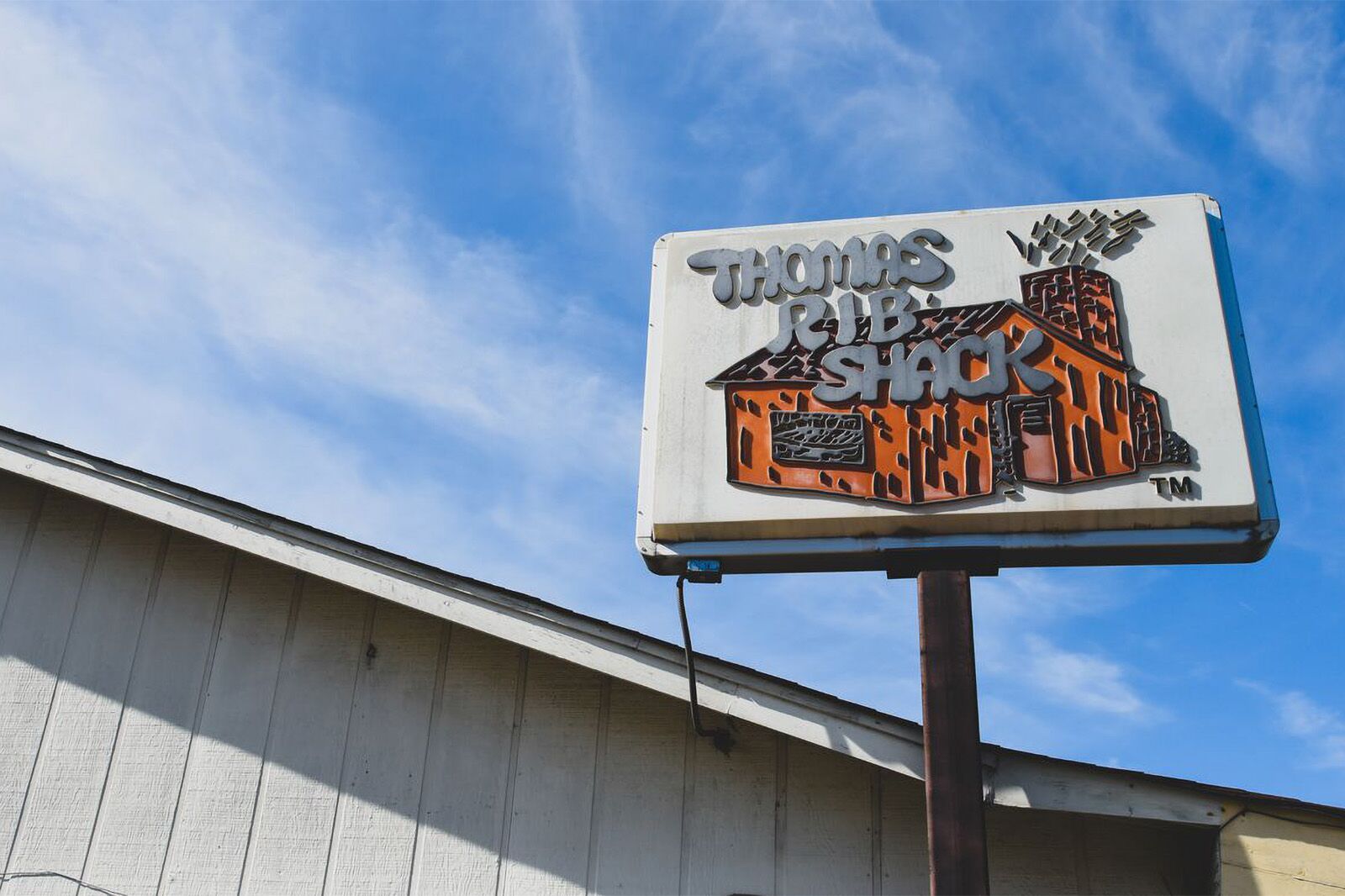
The city’s culinary scene has transitioned toward a sophisticated blend of traditional Southern foodways and modern upscale dining. Establishments like Five Bar and Urban Bar & Kitchen offer innovative takes on regional classics, while legacy venues like Thomas Rib Shack and Northport’s historic City Cafe preserve the area’s rich "meat-and-three" heritage.
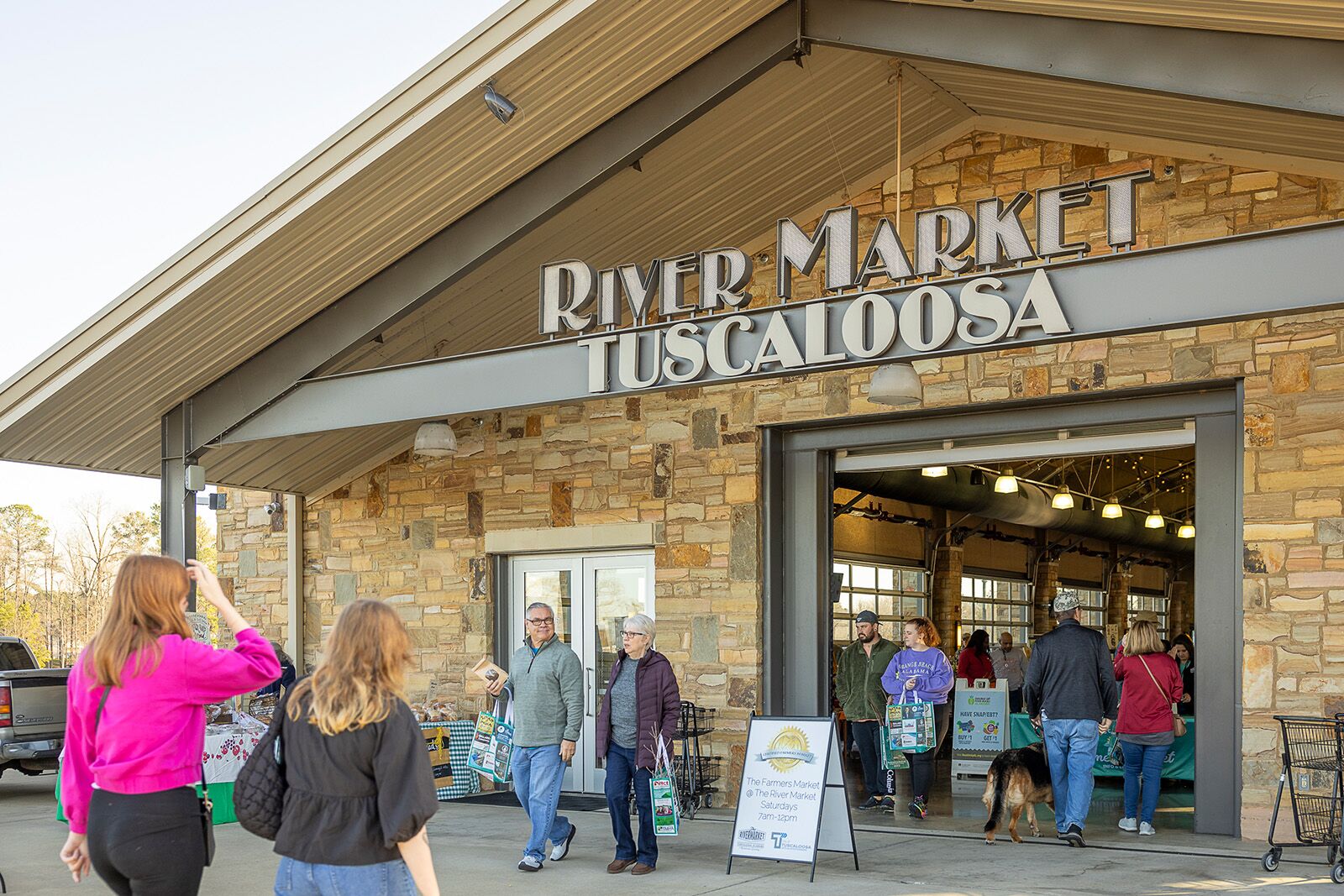
Furthermore, the year-round Tuscaloosa Farmers Market, operating out of the Tuscaloosa River Market, serves as a direct-to-consumer incubator for local agriculturalists and food entrepreneurs, bolstering the regional micro-economy.
Chronology of Growth and Historical Development
The trajectory of Tuscaloosa’s development is characterized by historical shifts from political and administrative prominence to institutional growth, civil rights activism, and modern economic diversification.
1826–1846: Tuscaloosa serves as the capital of Alabama. During this period, the state capitol building is constructed in what is now Capitol Park. The capital is relocated to Montgomery in 1846, and the original capitol building later burns down in 1847, leaving the stone ruins visible today.
1853: Bryce Hospital is established as the Alabama State Hospital for the Insane. Designed under the Kirkbride Plan, it represents a pioneering era in psychiatric care. The facility operates for over a century and a half before being acquired by the University of Alabama for adaptive reuse.
1929: Denny Stadium is officially dedicated. It is later renamed Bryant-Denny Stadium in 1975 to honor legendary football coach Paul "Bear" Bryant, undergoing numerous expansions to become one of the largest collegiate stadiums in the nation.
June 9, 1964 ("Bloody Tuesday"): A group of approximately 600 civil rights demonstrators marches from the First African Baptist Church to protest segregated facilities at the Tuscaloosa County Courthouse. They are met with tear gas, fire hoses, and physical violence from local police and white mobs. Over 90 protesters are injured and 33 are arrested, marking a turning point in local civil rights activism.
1970s–1990s: Traditional local businesses establish deep community roots. Heritage House opens as Tuscaloosa’s first dedicated coffee house, and Thomas Rib Shack begins serving its signature soul food and barbecue, cementing their roles in the city’s cultural fabric.
2021–2024: Post-pandemic tourism investments accelerate. Urban Bar & Kitchen opens in downtown Tuscaloosa in 2021, and modern boutique hotels like The Alamite (featuring the signature restaurant Forte) debut.
2024: The state-of-the-art Catherine and Pettus Randall Welcome Center opens inside the restored Bryce Hospital building, and Ben’s Bread transitions from a popular farmers market stall to a permanent brick-and-mortar bakery on Loop Road, reflecting the city’s supportive environment for small business expansion.
Supporting Data and Key Metrics
The economic and operational footprint of Tuscaloosa’s tourism and hospitality sectors can be quantified through various municipal and park metrics.
Lake Lurleen State Park Capacity and Amenities
Total Acreage: 1,625 acres.
Water Body Size: 250-acre lake.
Trail Network: Over 23 miles of multi-use trails optimized for hiking and mountain biking, representing some of the longest continuous single-track riding distances in Tuscaloosa County.
Campsite Inventory: 67 total sites, ranging from primitive tent camping to full-service RV hookups and premium glamping tents managed by Timberline Glamping.
Day-Use Fees: $5.00 for adults; $2.00 for children (ages 4–11) and seniors; free for children under 3 and military veterans.
Downtown Hospitality and Retail Infrastructure
Hotel Inventory: Approximately 900 rooms distributed across seven primary hotels in the downtown core.
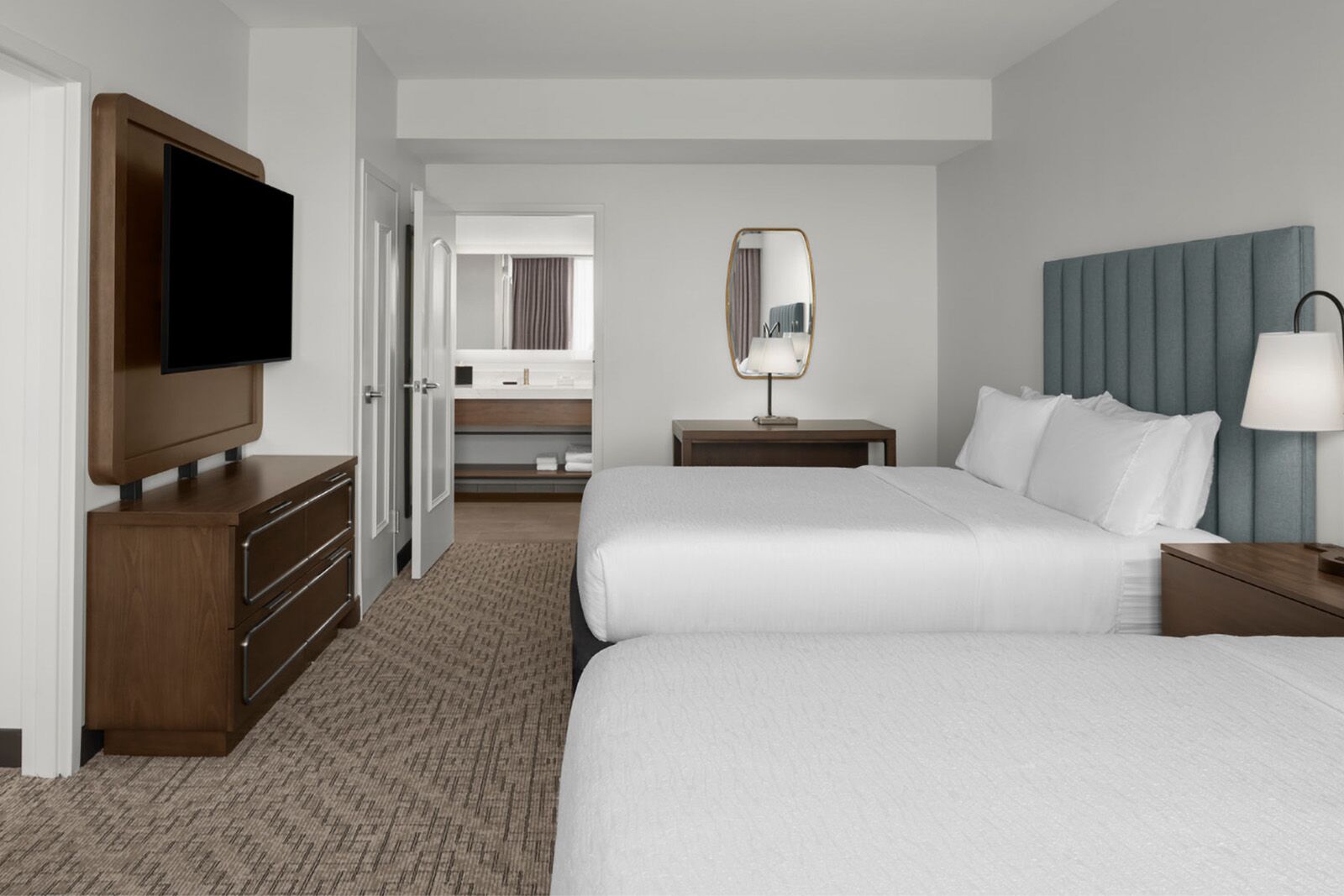
Embassy Suites Downtown Footprint: Features 154 studio and two-room suites, alongside integrated dining facilities (Side by Side Kitchen) and meeting spaces.
Tuscaloosa Farmers Market Capacity: Accommodates close to 70 vendors weekly. Operating hours run every Saturday from 7:00 AM to noon year-round, with seasonal Tuesday afternoon markets (3:00 PM to 7:00 PM) during June and July.
Regional Connectivity
Distance to Birmingham-Shuttlesworth International Airport (BHM): Approximately 60 miles via Interstate 20/59, translating to a 60-minute drive time.
Proximity to Regional Metros:
Birmingham, AL: ~1 hour
Montgomery, AL: ~1.5 hours
Atlanta, GA: ~3.5 hours
Nashville, TN: ~4 hours
New Orleans, LA: ~4.5 hours
Public and Private Sector Perspectives
The revitalization of Tuscaloosa has drawn coordinated commentary and strategic engagement from state agencies, local municipal bodies, and business leaders.
State and Local Tourism Authorities
The Alabama Department of Conservation and Natural Resources has emphasized that the multi-million dollar capital injection into Lake Lurleen State Park is part of a broader, state-wide initiative to modernize public lands. State park administrators have noted that integrating high-speed Wi-Fi and ADA-compliant pathways is crucial to meeting the expectations of modern travelers while ensuring natural spaces remain accessible to all demographics.
Meanwhile, Visit Tuscaloosa, the city’s destination marketing organization, has focused heavily on promoting heritage tourism. By digitizing the Tuscaloosa Civil Rights Trail via a mobile "passport" system, tourism officials aim to make historic educational experiences more accessible to younger, tech-savvy demographics.
Local Entrepreneurs and Preservationists
Local business owners point to Tuscaloosa’s unique cultural climate as a driver of entrepreneurial success. Sharon Thomas, the second-generation owner of Thomas Rib Shack, highlights the deep-seated community loyalty that defines the local food scene:
"Our customers aren’t just visitors; they become part of the family. Some of our regulars have been coming through that door since the 1990s. That’s the kind of relationship we build here."
In the downtown hospitality sector, developers have prioritized southern artistic representation. Local hospitality observers, including Jasmine Rainey, have noted that properties like The Alamite and its in-house restaurant, Forte, intentionally showcase curated collections of fine art created exclusively by Southern female artists, integrating local culture into commercial design.
Economic, Cultural, and Infrastructure Implications
The strategic expansion of Tuscaloosa’s tourism offerings carries significant implications for the region’s long-term economic stability and cultural preservation.
Tourism Expansion
├── Economic Diversification (Reduces seasonal dependency on UA football)
├── Historic Preservation (Adaptive reuse of Bryce Hospital & civil rights sites)
└── Infrastructure Upgrades (Broadband, ADA compliance, and e-bike integration)
Mitigation of Seasonal Economic Cycles
Historically, college towns suffer from extreme seasonal economic fluctuations, with businesses experiencing high revenues during autumn football game days and sharp declines during academic summer breaks.
By upgrading Lake Lurleen State Park, expanding the Tuscaloosa Riverwalk, and promoting year-round culinary and heritage events, local government and business coalitions are successfully smoothing out these seasonal curves. E-tourism and outdoor recreation draw consistent weekend crowds during spring and summer, offsetting the traditional off-season dip.
Adaptive Reuse and Preservation as Economic Drivers
The transformation of the former Bryce Hospital building into the Catherine and Pettus Randall Welcome Center is a prime example of successful adaptive reuse. Rather than demolishing historic structures, the city and university have preserved architectural heritage while creating a modern, functional asset that draws tourists.
This model of preservation extends to the Civil Rights Trail, where the physical preservation of sites like the First African Baptist Church and the development of the Linton Barbershop Plaza protect historical narratives while capturing a share of the rapidly growing national market for educational and heritage travel.
Sustainable Transport and Urban Connectivity
The integration of alternative transport options, such as the e-bike rental programs offered by downtown hotels like Hotel Indigo, highlights a growing shift toward sustainable urban mobility.
Connecting the University of Alabama campus, the downtown commercial district, and the historic streets of Northport via the scenic Tuscaloosa Riverwalk allows the city to alleviate traffic congestion—particularly during high-volume event weekends—while encouraging visitors to explore local businesses on both sides of the Black Warrior River.





 Laily UPN
  Dwi Wanna
  Ammar Sabilarrohman