The global wellness tourism sector is undergoing a profound structural shift. What was once defined by indoor spa treatments, isolated beauty regimens, and resort-exclusive packages has evolved into a comprehensive philosophy of travel. In Los Cabos, Mexico—a region historically celebrated for its dramatic juxtaposition of desert landscapes and deep blue seas—this evolution is particularly visible. Today, wellness is no longer just an amenity designed to fill a traveler’s free afternoon; it has become the primary driver of travel decisions.
This transition is characterized by a move away from synthetic, highly branded wellness experiences toward authentic ecological and community integration. While ultra-luxury resorts continue to anchor the region’s hospitality industry, the modern wellness traveler increasingly seeks a direct, unmediated connection with the local environment. From the marine sanctuary of Cabo Pulmo to the agricultural valleys of Todos Santos, the landscape of Baja California Sur is increasingly recognized as the primary infrastructure for well-being.
At the heart of this shift is a dual approach to wellness:
High-End Personalization: Curated, medically backed health regimens offered by world-class luxury resorts.
Ecological and Community Immersion: Low-impact, nature-driven experiences that prioritize environmental connection, food traceability, and local community integration.
Chronology: From Beauty Spas to Ecological Immersion
To understand the current state of wellness in Los Cabos, one must look at the historical trajectory of travel in Mexico. Historically, the concept of the "spa" was shrouded in a sense of luxury consumerism. During the late 20th and early 21st centuries, wellness offerings in Mexican resorts were largely standardized—relegated to facials, Swedish massages, and aesthetic treatments within all-inclusive resort complexes. Traditional wellness practices, such as the indigenous temazcal (a sweat lodge ceremony used for purification and renewal), were often treated as cultural curiosities rather than foundational pillars of health.
[Early 2000s] Standardized resort spas (massages, beauty treatments)
       │
[2010s]       Rise of boutique hotels, farm-to-table dining, and wellness retreats
       │
[2019]        Wellness integration reaches 12% of the Los Cabos visitor market
       │
[2020-2024]   Post-pandemic shift toward holistic health, mental reset, and outdoor immersion
       │
[2025]        Wellness travelers account for nearly 19% (~800,000 visitors) of the market
Over the past decade, a growing traveler base suffering from modern burnout began demanding deeper, more restorative experiences. This demand catalyzed a regional transformation:
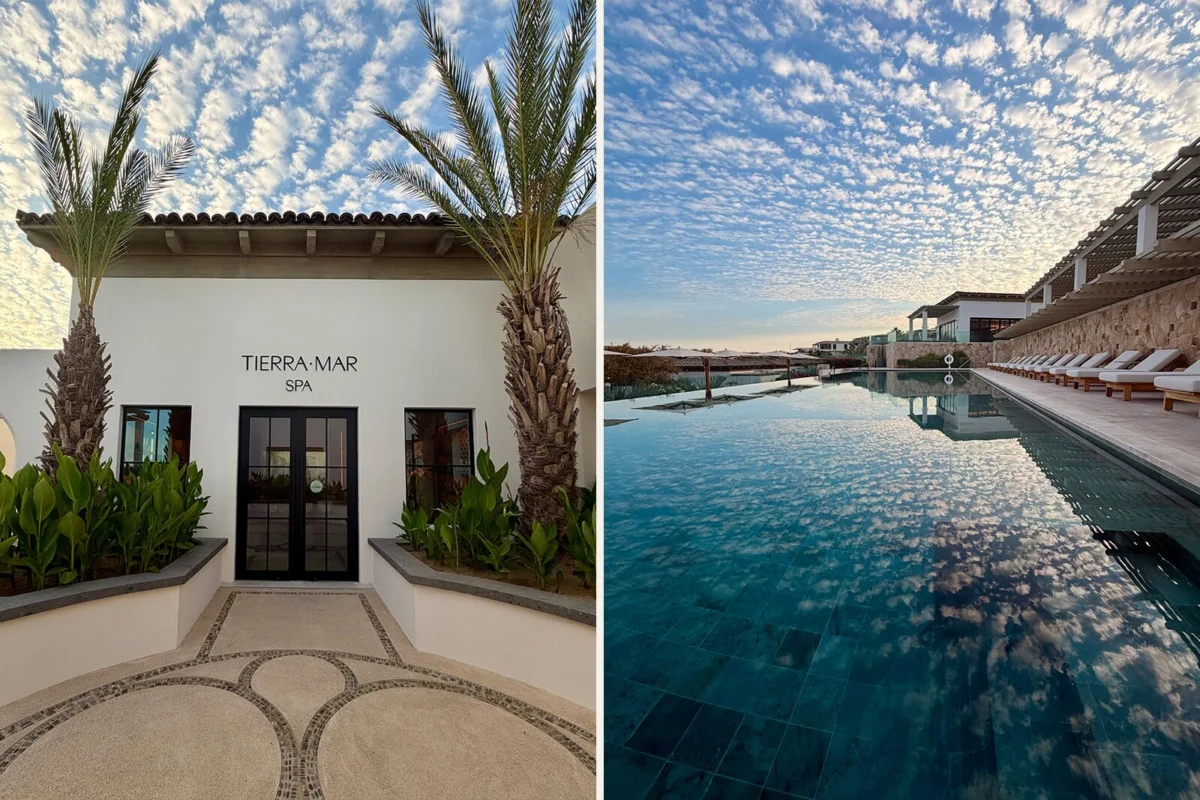
The Luxury Curated Era: High-end brands began redesigning their physical spaces and services. Properties like the Four Seasons Resort Cabo del Sol and Zadún, a Ritz-Carlton Reserve, established dedicated wellness frameworks. Rather than offering standalone treatments, they introduced multi-day, personalized programs supported by health professionals.
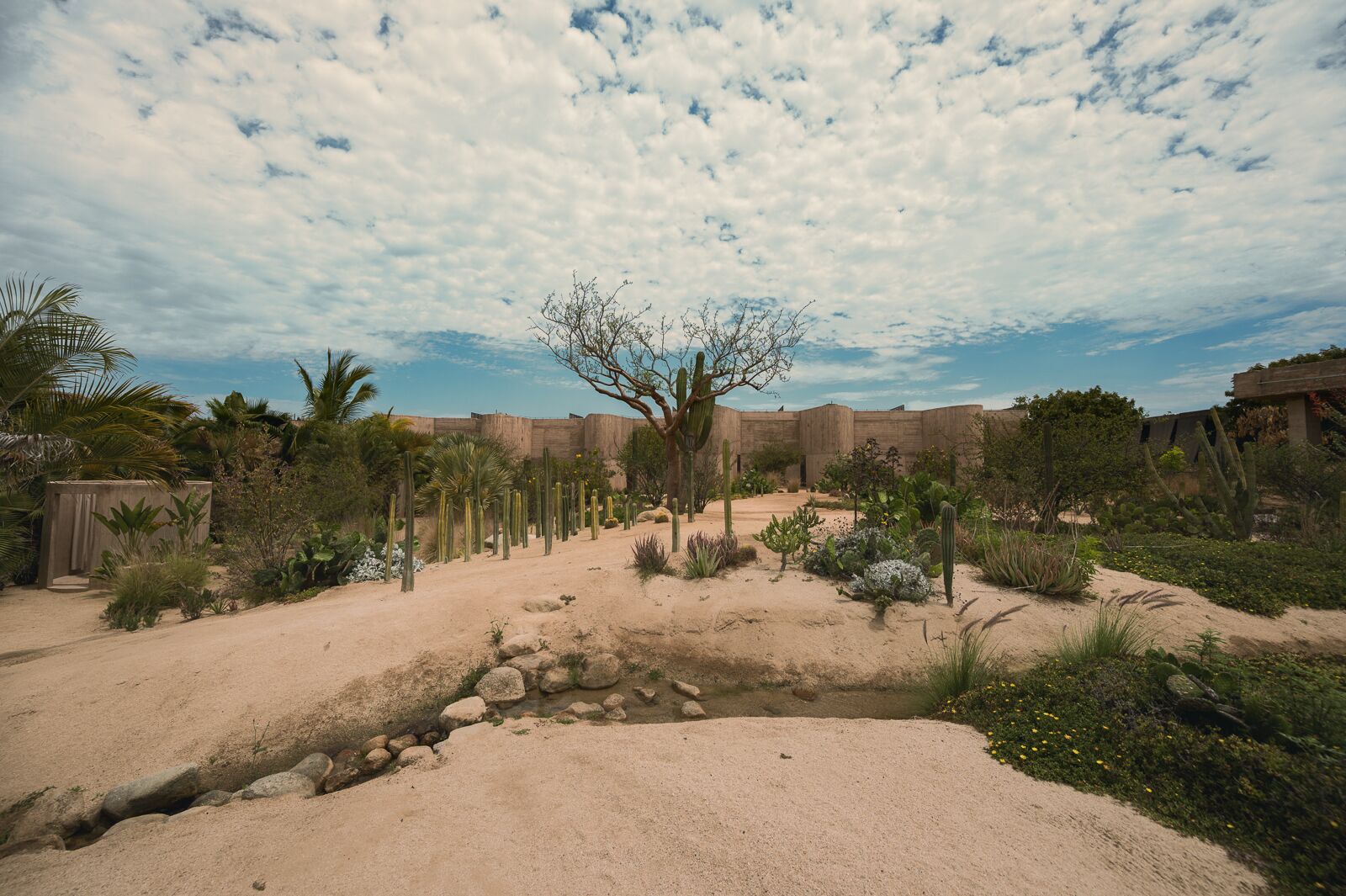
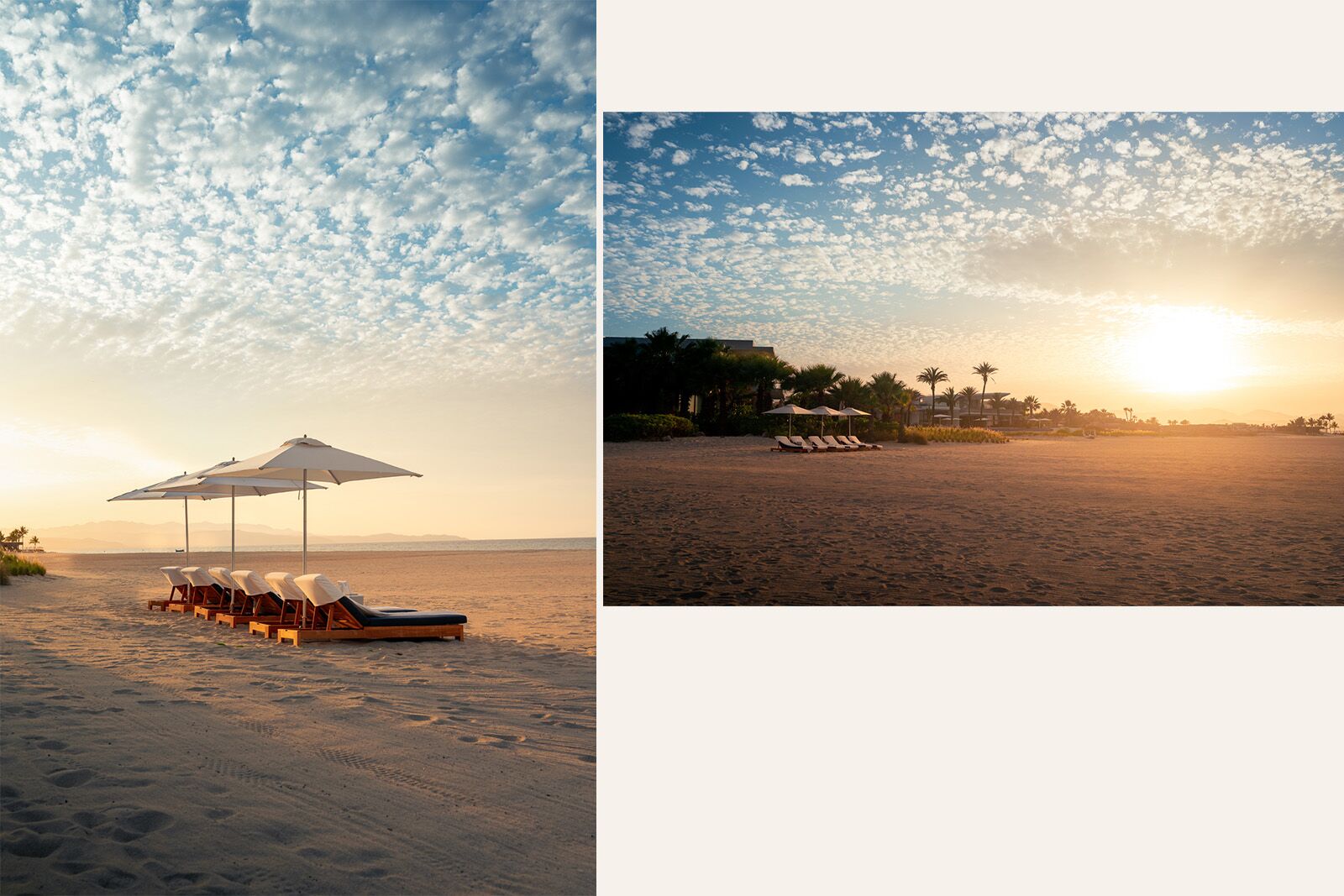
The Architectural Integration Era: Properties like Paradero in the agricultural community of La Mesa (near Todos Santos) began using architectural design as a tool for mental decompression. By utilizing concrete tones that match the desert sand and prioritizing native landscaping, these resorts sought to minimize visual noise and lower sensory overload.
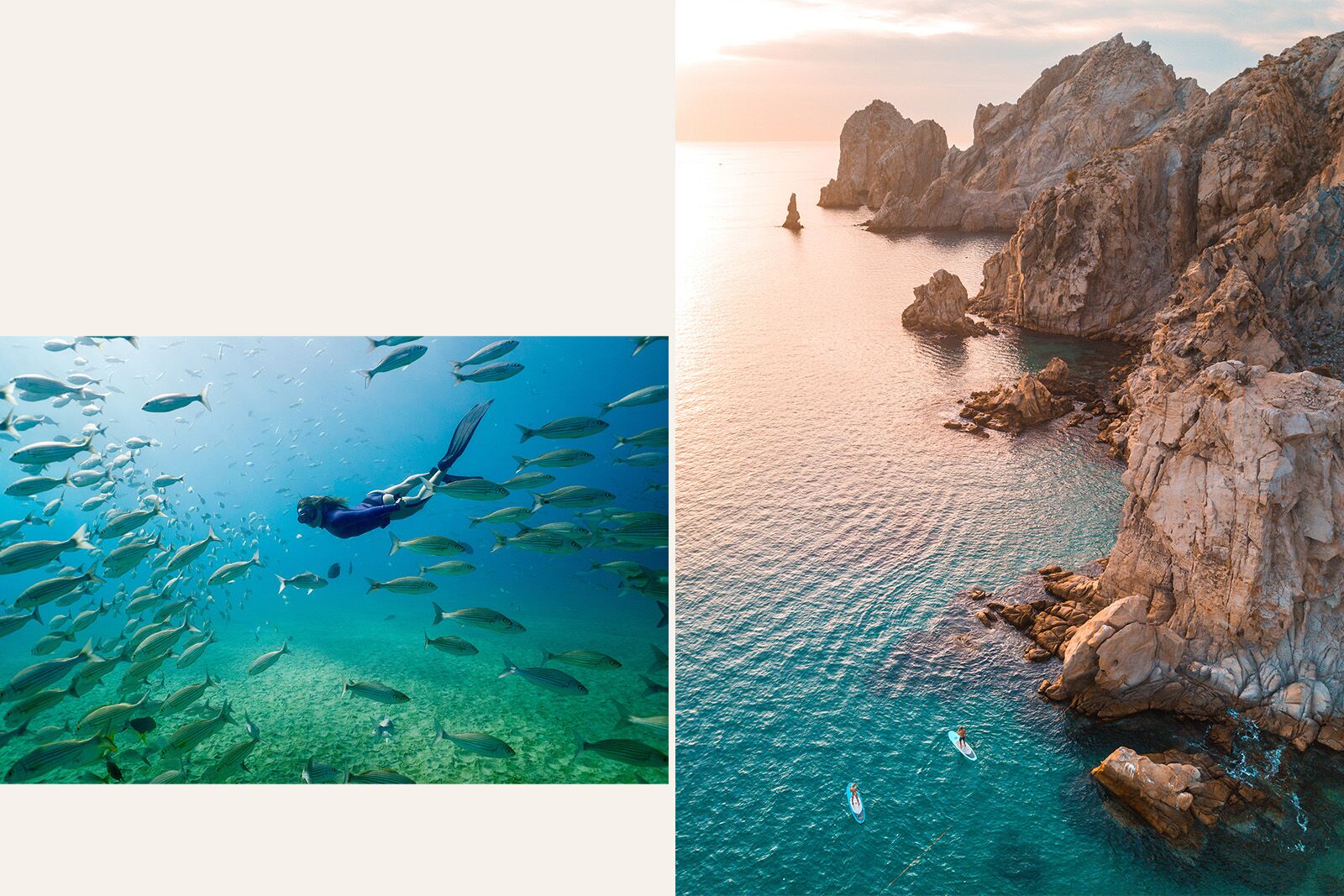
The Ecological Realignment: The culmination of this chronological shift is represented by a return to nature. Travelers are increasingly stepping outside the resort walls to find restoration in raw environments. This is exemplified by the rising popularity of low-impact activities in protected areas, such as snorkeling alongside massive schools of bigeye jacks in the Cabo Pulmo National Park—an experience where the absence of design, branding, or artificial music provides a profound sense of peace.
Supporting Data: The Quantitative Growth of Wellness Travel
The transition of wellness from a niche market to a primary economic driver in Baja California Sur is supported by robust tourism metrics. According to data released by the Los Cabos Tourism Board, the region has seen an unprecedented surge in health- and wellness-oriented visitation over the last six years.
Metric
2019
2025
Share of Visitors Participating in Wellness
12%
~19%
Estimated Annual Wellness Visitors
~350,000
~800,000
Primary Accommodation Driver
Traditional Luxury Resorts
Eco-integrated & Boutique Wellness Resorts
This statistical growth represents a major demographic shift. Approximately 800,000 visitors to Los Cabos in the last year actively participated in a dedicated wellness experience. Furthermore, the Los Cabos Tourism Board’s internal research reveals a direct correlation between natural immersion and visitor satisfaction. Travelers who engage directly with the region’s natural territory—through ocean-based activities, desert hikes, or outdoor meditation—report significantly higher satisfaction and return-intent scores than those who limit their stay to traditional resort boundaries.
This economic reality has spurred massive capital investment in the region. Baja California Sur now boasts one of the highest concentrations of ultra-luxury resorts in Latin America. Ultra-luxury brands are strategically expanding into the least-developed sectors of the peninsula, such as Cabo del Este, to satisfy the market’s demand for isolation, pristine environments, and natural beauty.
Official Responses: Industry Leaders on Redefining "Well-Being"
The evolution of the local wellness scene has prompted diverse responses from tourism officials, resort managers, therapists, and culinary experts, each defining the phenomenon through their unique operational lens.
The Tourism Authority Perspective
Rodrigo Esponda, managing director of the Los Cabos Tourism Board, emphasizes that the destination’s strategy must expand beyond high-net-worth luxury.
"Wellness can exist in a specialized center, in an ultra-luxury spa, in a community meditation session, in an outdoor activity, or in the simple act of spending time in nature," Esponda noted.
The board is actively working to democratize the concept of wellness, highlighting that the true luxury of the region lies in its raw territory rather than exclusive price points.
The Holistic & Experience Designers
Lighuen Desanto, co-founder of SUDA, an international wellness experience design firm, points to a fundamental shift in traveler motivation.
"Today, people go on vacation to come back better than when they left," Desanto observed.
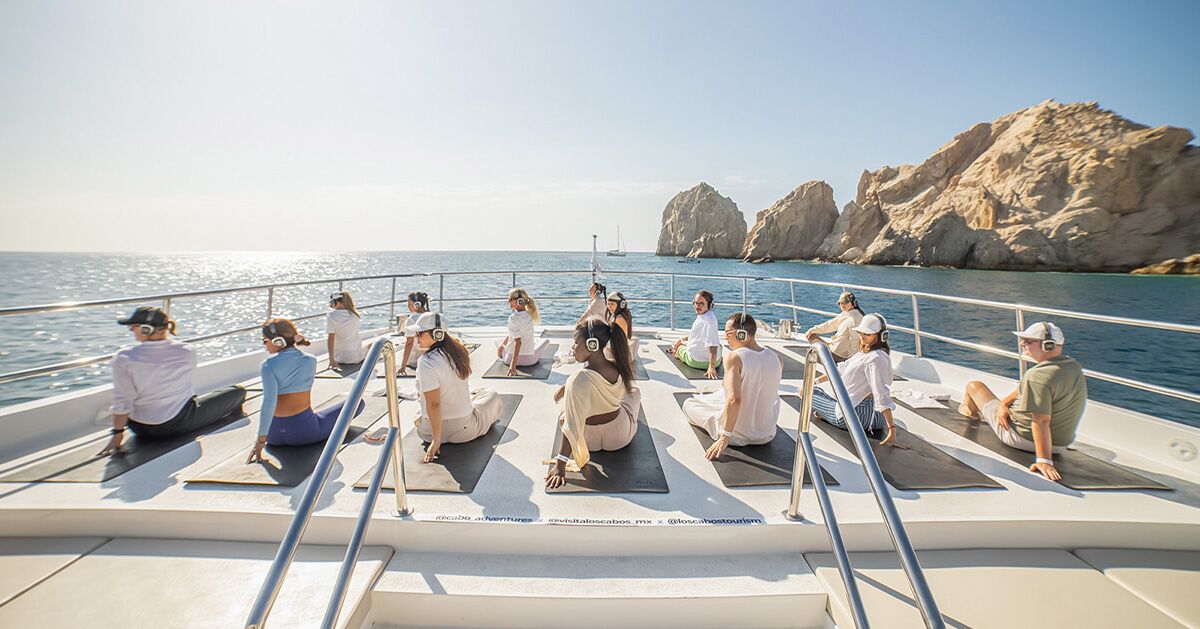
This philosophy is shared by Flor Daneu, a lead facilitator at SUDA, who notes that the natural environment of Baja acts as a force multiplier for mindfulness practices. During a sunset meditation at Costa Palmas, Daneu instructed participants to keep their eyes open to absorb the environment, stating that the local landscape does the heavy lifting of mental restoration.
The Clinical and Flexible Approach
At Sensei, the wellness center associated with Zadún Los Cabos, the focus is on sustainable health programs that travelers can integrate into their everyday lives. Lina Morales, Sensei’s director of wellness, advocates for a balanced, non-restrictive model of well-being.
"People can come here for their well-being program, but that doesn’t mean they can’t have a round of margaritas or go eat their tacos," Morales explained.
This practical approach helps demystify wellness, reframing it as a sustainable lifestyle adjustment rather than a rigid, punitive retreat.
The Architectural Philosophy
Frederic Capello, general manager of the boutique luxury hotel Paradero, challenges traditional definitions of high-end travel.
"Luxury is not marble, or gold, or glassware. True luxury is feeling renewed," Capello stated.
Under his direction, Paradero utilizes minimalist concrete structures and native flora to reduce visual overstimulation, allowing the desert landscape to take center stage.
"We could do a meditation or a yoga class inside a closed, luxurious room, but here the true luxury is in going outside and letting the place become part of the practice."
— José Manuel Orellano, Director of Oasis Spa, Four Seasons Costa Palmas
Community-Based and Accessible Wellness
Ofelia Bojórquez, a prominent therapist and co-founder of Baja Wellness, highlights the growing importance of grassroots, accessible wellness networks. She points to community-led initiatives such as "Your Cabo People," which organizes full moon meditations and sound healing sessions at Playa El Tule, and "FloreSer Los Cabos," which provides affordable access to traditional ceremonies like temazcal and cacao circles for locals and expats alike.
According to Bojórquez, these grassroots platforms are essential because they provide accessible entry points for individuals to develop long-term wellness practices without the barrier of high resort rates.
The Culinary Connection
From a culinary perspective, Ubaldo Martínez, chef and co-founder of Monte Cardón, views nutrition as an ecological relationship.
"You have to eat from the land around you," Martínez asserted.
Operating a farm-to-table restaurant in the desert requires navigating extreme heat, water scarcity, and seasonal limitations. For Martínez, true culinary wellness is rooted in food traceability, supporting local agricultural communities, and respecting the natural limits of the regional ecosystem.
Implications: Sustainability, Community, and the Threat of Overdevelopment
The rapid expansion of wellness tourism in Los Cabos carries significant implications for the future of the region’s environment, economy, and local communities. As wellness becomes increasingly commodified, the destination faces a delicate balancing act.
The Risk of Greenwashing and Overdevelopment
The primary challenge facing Los Cabos is the risk of overdevelopment undermining the very natural assets that attract wellness travelers. It is impossible to market peaceful, restorative, and isolated escapes if unchecked resort construction leads to environmental degradation, beach privatization, and overcrowding. The planned expansion of ultra-luxury brands into pristine areas like Cabo del Este must be managed with strict environmental oversight to prevent the destruction of fragile desert and marine ecosystems.
Community Displacement vs. Integration
A sustainable wellness industry cannot exist in a vacuum. If high-end wellness resorts flourish while displacing local populations or straining municipal water resources, the industry risks creating a stark socio-economic divide. To combat this, developers and tourism operators must ensure that wellness tourism actively benefits local communities. This can be achieved by:
Supporting local agricultural cooperatives and fisheries (as seen in the farm-to-table models of Flora Farms, Acre, and Monte Cardón).
Ensuring public access to beaches and natural spaces.
Fostering intercultural exchange through community-led wellness initiatives.
Defining the Future of Wellness Travel
Ultimately, the future of wellness travel in Los Cabos depends on authenticity. As global wellness travel becomes increasingly standardized, the destinations that stand out will be those that protect their natural and cultural integrity.
True well-being in Baja California Sur is not a manufactured commodity; it is a direct response to the landscape. Protecting the silence of the desert, the biodiversity of the Sea of Cortez, and the vitality of local communities is not just an ethical necessity—it is the preservation of the region’s most valuable wellness infrastructure.



 Ammar Sabilarrohman
  Raul Delapena Setiawan