

In the glitzy, hyper-modern landscape of the United Arab Emirates, Abu Dhabi has long positioned itself as a premier destination for high-end tourism, cultural enrichment, and international business. However, the emirate’s hospitality sector is currently navigating a period of significant turbulence. Fresh data exclusively shared with Skift by the Department of Culture and Tourism (DCT) Abu Dhabi reveals a 14.2% year-to-date decline in hotel guests, totaling 3.2 million. As the region grapples with heightened geopolitical instability—most notably the ongoing tensions between the United States and Iran—the capital is banking on a robust fourth-quarter recovery driven by world-class events, iconic infrastructure openings, and a strategic recalibration of its visitor acquisition strategy.
The State of Play: A Statistical Overview
The latest figures paint a sobering picture for hoteliers and tourism stakeholders in the UAE capital. According to the DCT data, the month of August saw hotel guest numbers dip by 5.2% year-on-year, landing at 512,000. This contraction is reflective of a broader, year-to-date trend that has seen the hospitality market struggle to maintain the momentum of previous years.
The decline, while sharp, is not occurring in a vacuum. The hospitality industry is sensitive to global political sentiment, and the simmering tensions in the Persian Gulf have cast a long shadow over travel confidence. International travelers, particularly from long-haul markets, often exhibit a "wait-and-see" approach during periods of heightened geopolitical friction, prioritizing regions perceived as having lower risk profiles.
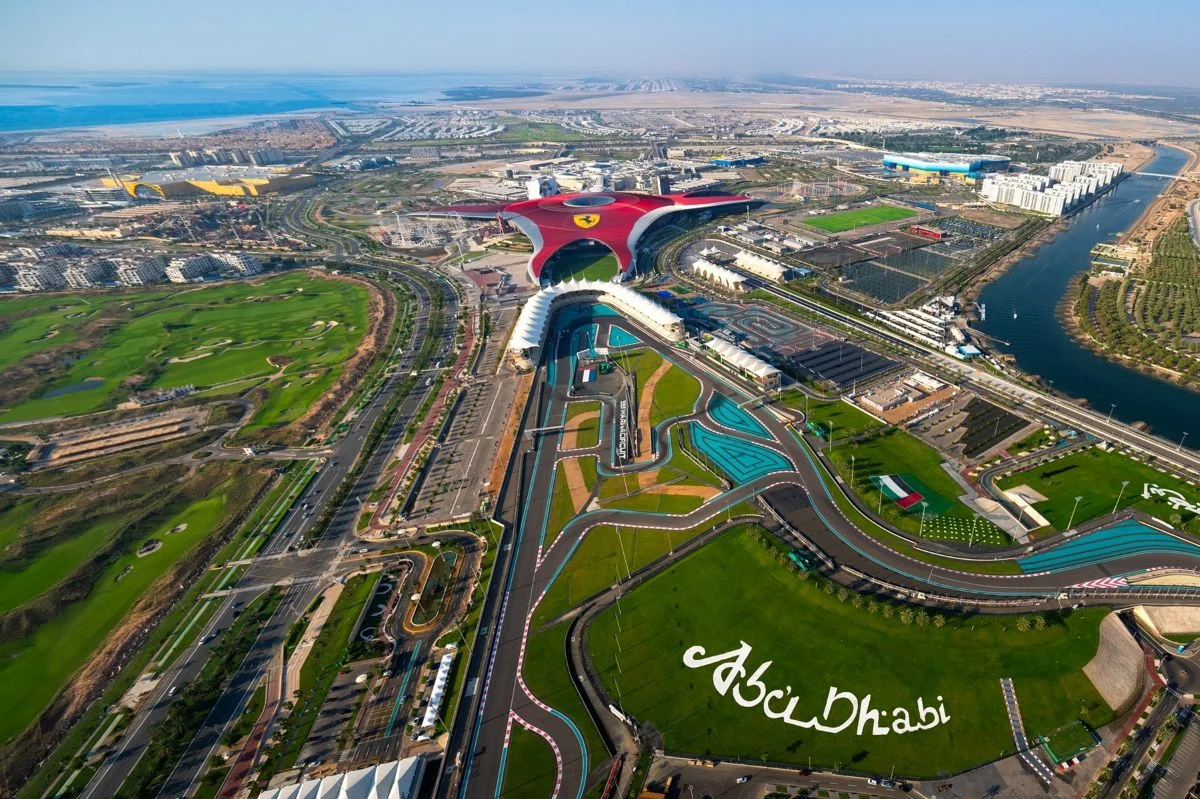
Despite these headwinds, the Abu Dhabi tourism board remains resolute. The strategy to reverse this 14.2% slide is multi-pronged, focusing on the high-octane excitement of the Formula 1 Etihad Airways Abu Dhabi Grand Prix, the cultural magnetism of the forthcoming Guggenheim Abu Dhabi, and a concentrated effort to capture the "MICE" (Meetings, Incentives, Conferences, and Exhibitions) segment that had been put on ice earlier in the year.
Chronology of a Shift: From Caution to Confidence
The trajectory of Abu Dhabi’s tourism sector in 2024 can be divided into three distinct phases: the early-year uncertainty, the mid-year defensive stance, and the current pivot toward a high-impact year-end finale.
Q1 and Q2: The Wait-and-See Effect
The first half of the year was characterized by extreme caution. As the U.S.-Iran conflict escalated, the uncertainty rippled through the corporate events sector. Many organizers, tasked with managing large-scale international gatherings, opted to postpone their bookings. This was not a rejection of Abu Dhabi as a destination, but rather a risk-mitigation strategy to avoid the logistical nightmares of potential travel disruptions. Consequently, bookings that were originally slated for the first half of the year were pushed into the third and fourth quarters.
Q3: Stabilization and Infrastructure Readiness
During the summer months, the emirate focused on domestic and regional tourism. By emphasizing "VFR" (Visiting Friends and Relatives) travel, Abu Dhabi managed to maintain a baseline level of occupancy. This period served as a quiet consolidation phase, where the city finalized preparations for the massive influx of international visitors expected for the winter season.
Q4: The "Super-Season" Strategy
As the calendar turns to the final quarter, the strategy is shifting from defense to offense. With the return of the Formula 1 Grand Prix—a global anchor event that consistently drives peak occupancy and record-breaking Average Daily Rates (ADR)—the city is also preparing to unveil major cultural milestones. The strategic decision to cluster these events in Q4 is designed to create a "halo effect," where the buzz generated by the Grand Prix spills over into cultural and business tourism, effectively offsetting the losses recorded earlier in the year.
Official Perspectives: The View from the DCT
Abdulla Yousuf, director of international relations at the Department of Culture and Tourism (DCT) Abu Dhabi, acknowledges the reality of the numbers but remains optimistic about the resilience of the market.
"We are slightly below last year, but for reasons beyond our control," Yousuf stated, referencing the external geopolitical forces that have dampened international appetite for travel. However, he emphasized that the current dip is a temporary hurdle rather than a systemic failure.
According to Yousuf, the "rebound" is already in motion. "Corporate and MICE business is expected to rebound strongly in the third and fourth quarters as postponed events finally take place," he explained. The decision by organizers to push bookings was a tactical response to the desire for certainty, and as the political climate has stabilized, the pent-up demand is now manifesting in a flurry of confirmed bookings for the final months of the year.
Supporting Data and Market Resilience
While international arrivals have seen a contraction, the underlying strength of Abu Dhabi’s tourism ecosystem remains intact. The domestic market has been a crucial stabilizer. By catering to residents and regional neighbors from the GCC, the city has maintained a consistent flow of foot traffic in malls, theme parks, and cultural sites.
Furthermore, the average length of stay for those who are traveling has remained relatively stable, suggesting that while the volume of guests has decreased, the value of the remaining guests has not depreciated significantly. This is a critical indicator for luxury hospitality, as it suggests that the high-spending segment—crucial for Abu Dhabi’s long-term economic diversification goals—remains committed to the destination.
Implications: A New Era for Abu Dhabi Tourism
The current situation highlights several key implications for the future of the emirate’s tourism development:
1. Diversification of Source Markets
The reliance on international travelers makes the sector vulnerable to geopolitical shifts. To mitigate this, Abu Dhabi is likely to double down on its efforts to attract visitors from non-traditional markets, including emerging economies in Asia and a more aggressive push into the domestic and regional UAE market.
2. The Power of "Event-Led" Tourism
The reliance on the F1 Grand Prix and cultural openings underscores the effectiveness of event-led tourism. Abu Dhabi is successfully evolving into a destination that does not merely offer scenery or sunshine, but rather a curated "experience" calendar. By tying hotel occupancy to world-class events, the city creates an artificial sense of urgency and necessity that drives bookings even in uncertain times.
3. Cultural Capital as a Long-Term Hedge
The opening of the Guggenheim Abu Dhabi represents more than just a new museum; it is a long-term strategic asset. Unlike a sporting event that lasts a weekend, a major cultural institution provides a year-round draw that is less susceptible to the cyclical nature of geopolitical tensions. This investment in "hard" culture is a calculated move to ensure that Abu Dhabi remains a global destination regardless of the seasonal or political climate.
4. MICE as an Economic Engine
The return of the MICE segment is vital. Business travelers are generally higher-yield guests who utilize auxiliary services like conference rooms, banquet facilities, and premium transportation. The fact that organizers are returning to the emirate signals a restoration of confidence in Abu Dhabi’s status as a secure, stable, and world-class hub for international business.
Conclusion
Abu Dhabi’s 14.2% dip in hotel guests is a stark reminder of the fragile relationship between global stability and the tourism economy. However, the data also reveals a destination with deep reserves of resilience. By leaning into its strengths—high-impact events, a robust cultural portfolio, and a firm commitment to hosting the world’s most significant gatherings—the emirate is effectively building a bridge over the turbulent waters of the current geopolitical landscape.
As the final quarter of the year unfolds, all eyes will be on the city’s occupancy rates and RevPAR (Revenue Per Available Room). If the projections from the DCT hold true, the "rebound" will not only serve to close the gap created earlier in the year but will also provide a powerful foundation for a more diverse and resilient tourism sector in the years to come. Abu Dhabi is not just waiting for the storm to pass; it is busy building the infrastructure that will define the next chapter of its global emergence.
 Laily UPN
  Reynand Wu
  Lina Hope