Once globally recognized primarily for its historic spring break crowds and high-octane motorsports heritage, Daytona Beach, Florida, is undergoing a profound structural shift in its tourism economy. Local municipal leaders, economic development agencies, and hospitality stakeholders are executing a coordinated strategy to reposition the region—historically dubbed "The World’s Most Famous Beach"—into a diversified, upscale, and year-round destination.
This modern economic transformation is anchored by several key pillars:
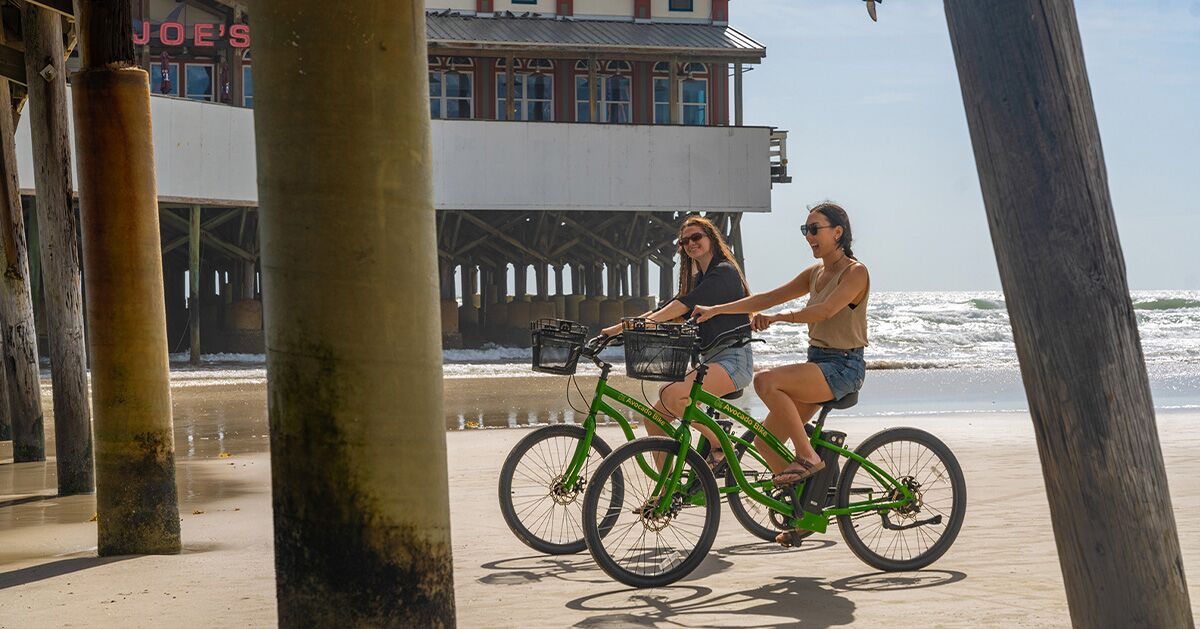
The Rise of the Experiential Luxury Economy: Standard beach concessions are being replaced or augmented by VIP concierge services. Providers like Barefoot Philosophy offer premium, full-service setups including private cabanas, beachside lounge seating, and curated evening bonfires directly on the sand.
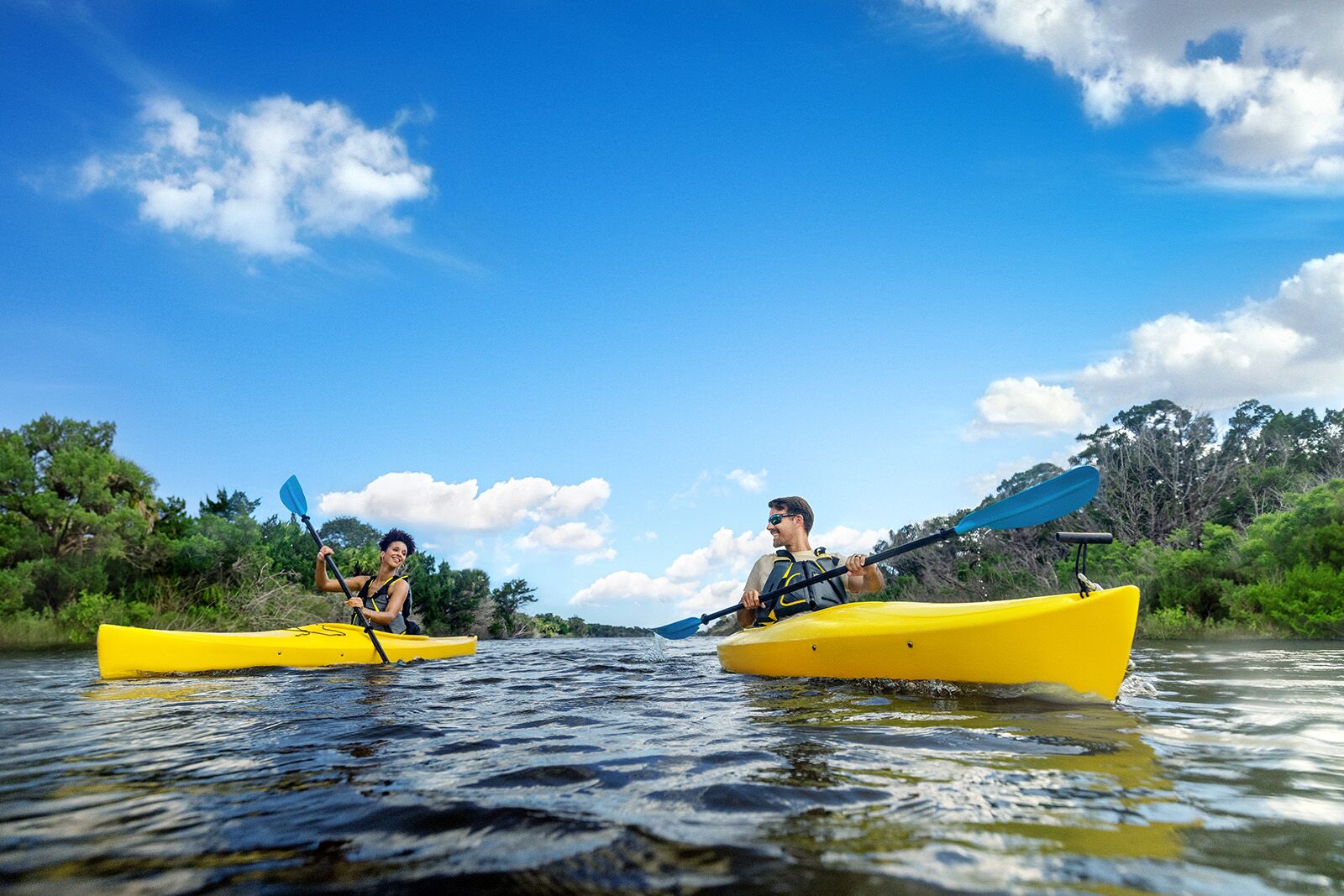
Eco-Tourism and Waterway Diversification: Beyond traditional sunbathing and surfing, the region is leveraging its diverse aquatic geography. Strategic focus has shifted toward the Halifax River and Ponce Inlet, where operators offer guided manatee and dolphin-watching excursions, LED-illuminated night paddleboarding tours via Pirate Bay Paddle, and high-altitude parasailing through Daytona Beach Parasail.
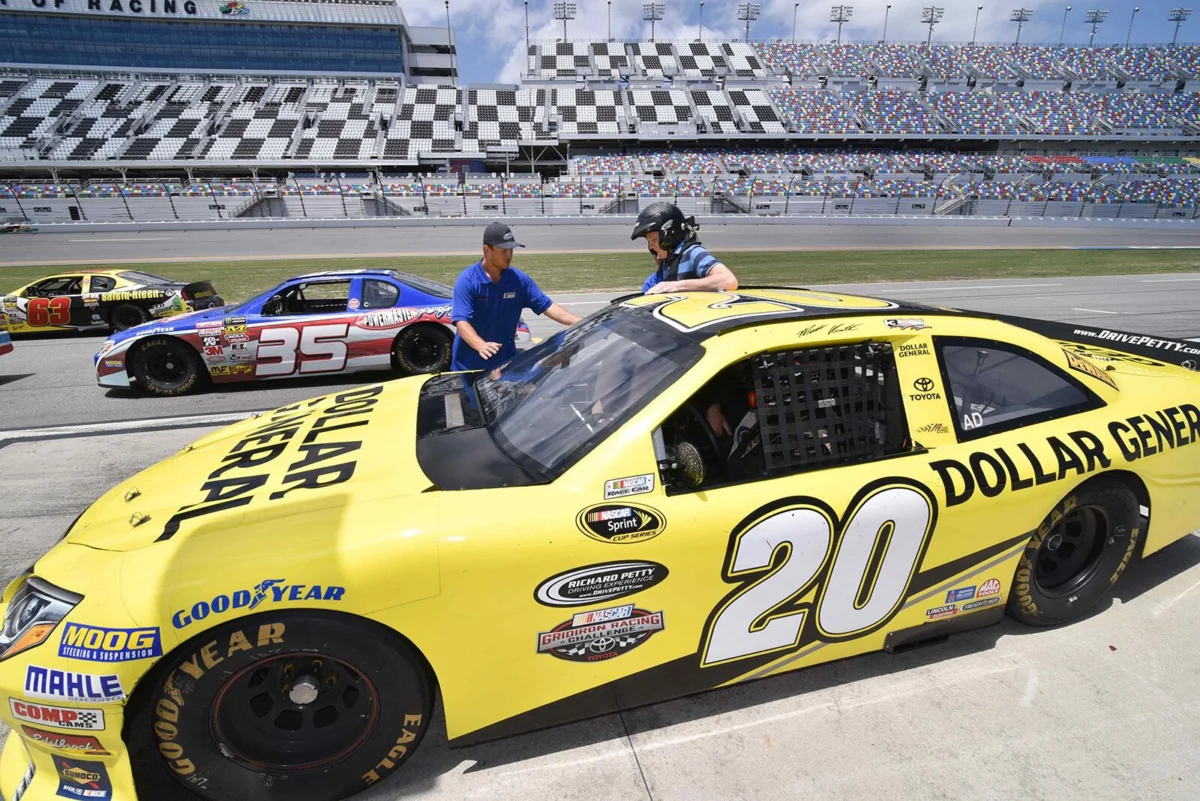
Motorsports Integration and Heritage Tourism: Rather than relying solely on major race weekends, the Daytona International Speedway has successfully institutionalized year-round heritage tourism. Through daily behind-the-scenes tours and high-performance driving programs like the NASCAR Racing Experience, the facility operates as a continuous economic engine.
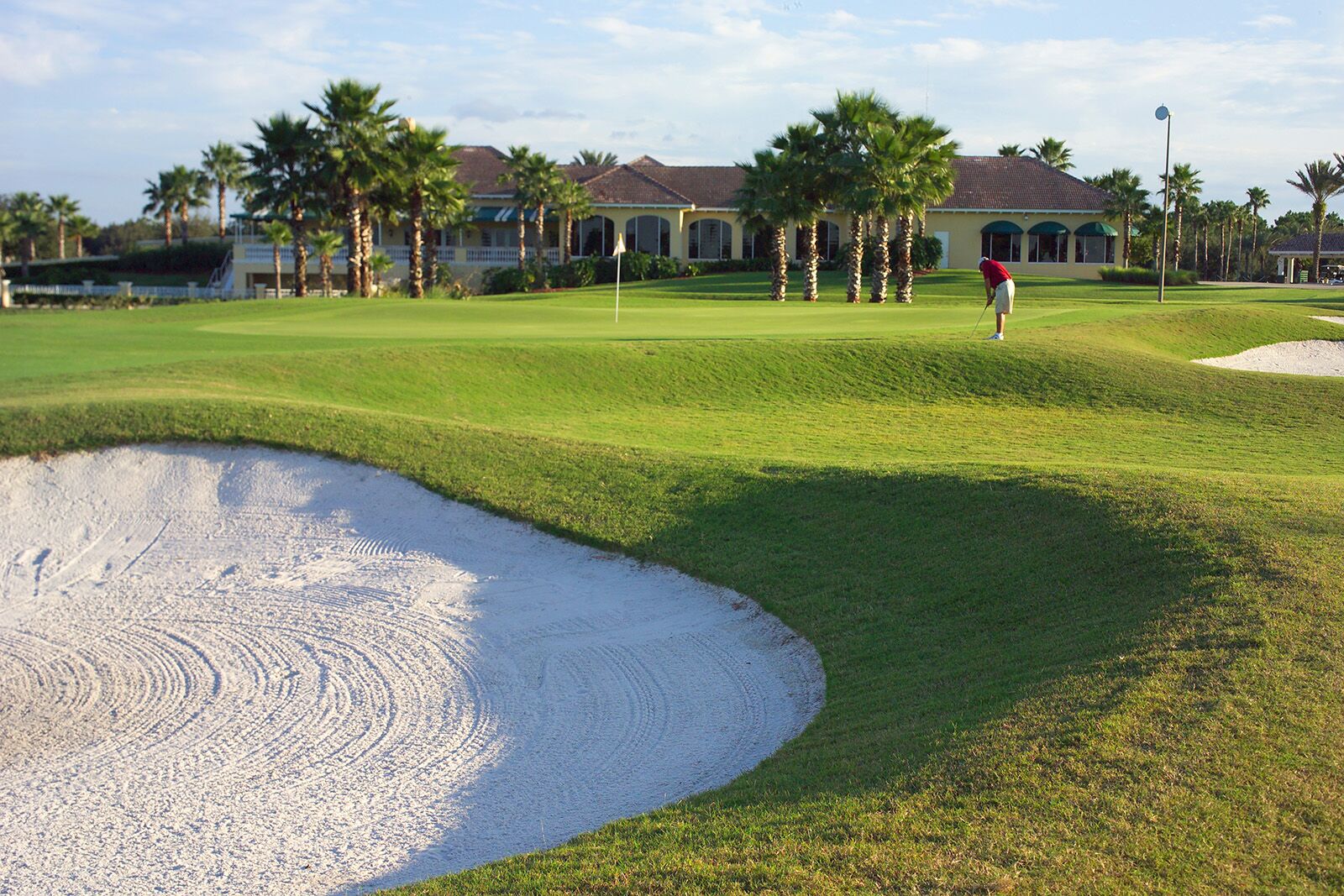
Active Lifestyle and Sports Infrastructure: The city has positioned itself as a hub for active leisure, boasting 36 holes of championship golf at LPGA International—featuring courses designed by Arthur Hills and Rees Jones—alongside a rapid expansion of pickleball facilities and beachfront wellness programs.
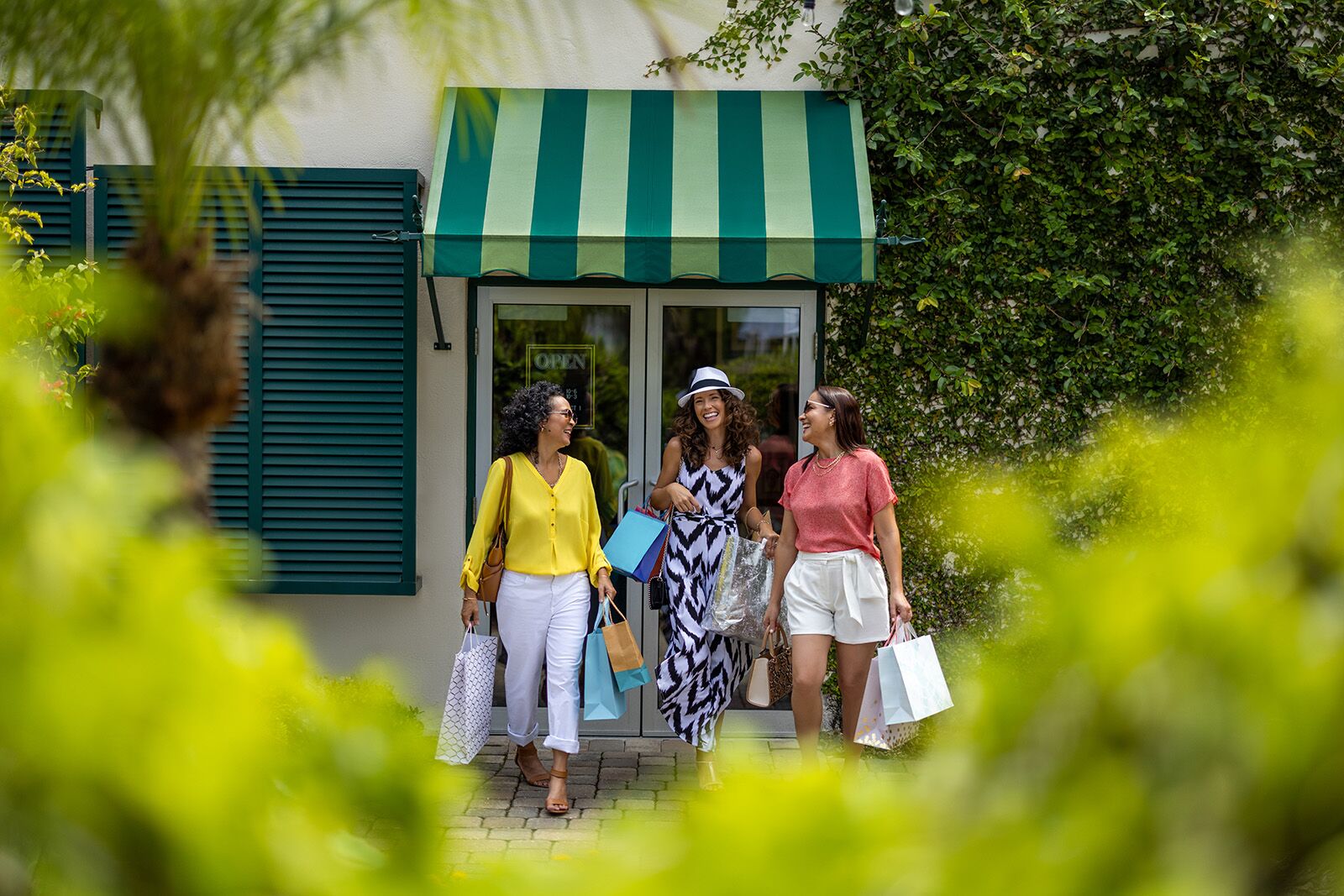
Urban Revitalization and Pedestrian-Centric Retail: The redevelopment of the Riverfront Shops of Daytona Beach along the Halifax River represents a major shift toward walkable, high-end retail and cultural tourism, featuring botanical gardens, local artisan confectioners like Angell & Phelps Chocolate Factory, and upscale lounges such as Madeline’s Wine Bar.
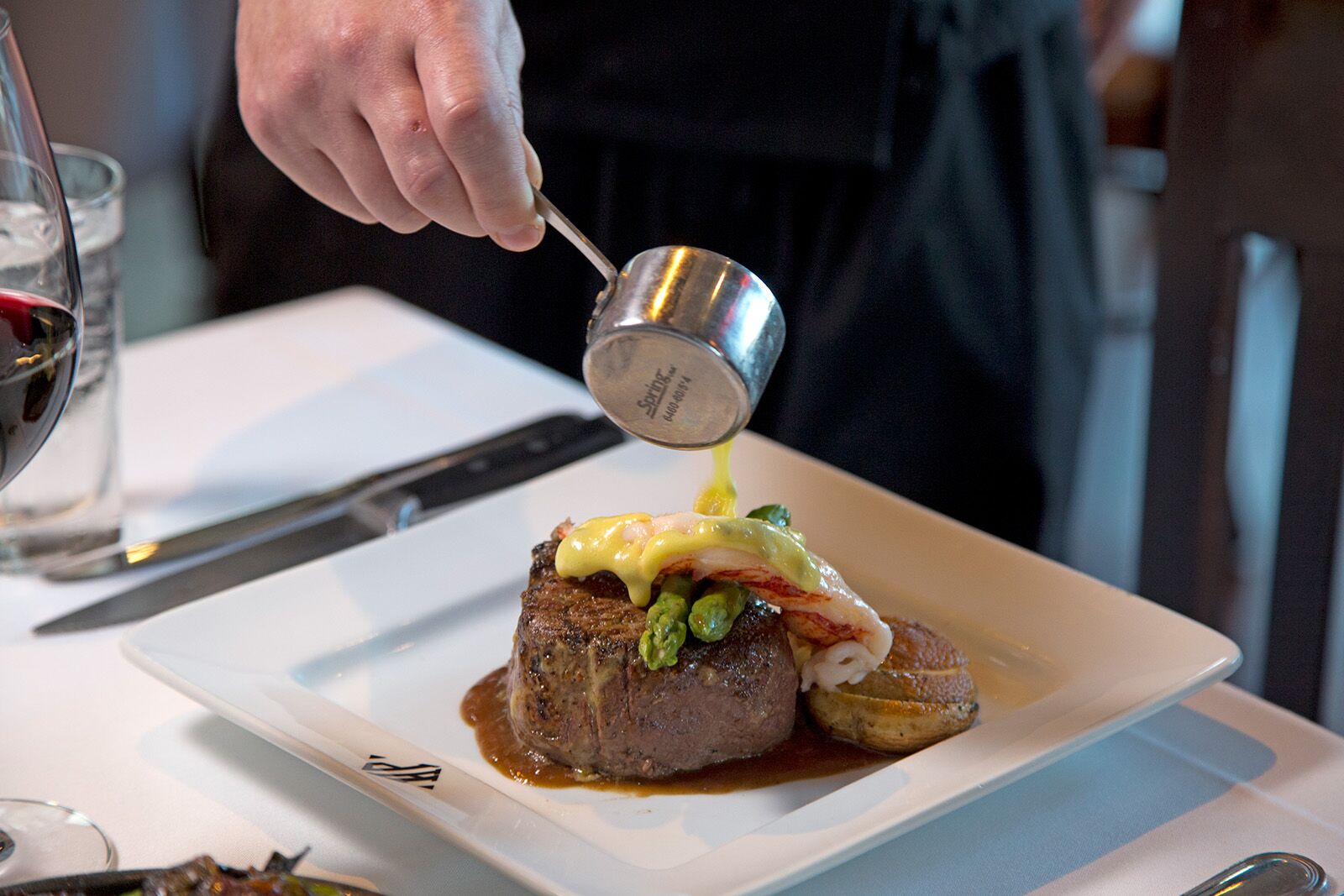
Culinary and Hospitality Modernization: The region is actively shedding its budget-dining image through initiatives like "The Art of Dining" restaurant month in June, alongside the growth of fine dining institutions like The Cellar and the sky-high Top of Daytona. This culinary evolution is supported by a wave of premium hotel developments, including the Daytona Grande Oceanfront Resort, Renaissance Daytona Beach Oceanfront Hotel, and the Hard Rock Hotel Daytona Beach.
Chronology: The Evolution of Daytona Beach Tourism
To understand the current modernization of Daytona Beach, it is necessary to examine the historical trajectory that shaped its global brand:
[1900s–1930s] Beach Racing Era: Land speed records set on hard-packed coastal sands.
       │
[1948–1959] Transition to Asphalt: NASCAR founded (1948); Daytona International Speedway opens (1959).
       │
[1970s–1990s] The Spring Break Boom: Mass youth tourism dominates; high-volume, low-margin economy.
       │
[2000s–2010s] Rebranding & Infrastructure: City limits beach driving; investments in Riverfront and LPGA International.
       │
[2018–Present] The Luxury & Experiential Pivot: Global premium brands enter; eco-tourism and culinary sectors expand.
The Automotive Dawn (1900s–1930s)
The hard-packed sands of Daytona Beach and adjacent Ormond Beach became the cradle of land-speed record attempts. Pioneers like Barney Oldfield and Sir Malcolm Campbell utilized the natural coastline as a laboratory for automotive innovation, establishing the area’s international reputation for speed and engineering.
The Institutionalization of Racing (1948–1959)
As beach racing grew increasingly dangerous and difficult to regulate, local visionary William France Sr. founded the National Association for Stock Car Auto Racing (NASCAR) in 1948. In 1959, the opening of the Daytona International Speedway permanently shifted high-speed racing from the fragile coastal sands to a state-of-the-art, high-banked tri-oval asphalt track, cementing the city’s status as a global motorsports capital.
The Mass-Tourism and Spring Break Era (1970s–1990s)
During the late 20th century, Daytona Beach transitioned into a premier destination for collegiate spring break. While this brought massive seasonal crowds and high transaction volumes, it also created a highly seasonal, low-margin economy that put immense strain on municipal infrastructure and overshadowed other potential tourism sectors.
Strategic Realignment and Diversification (2000s–2010s)
Recognizing the economic vulnerability of relying on a single, highly seasonal demographic, Volusia County and city planners began implementing strict regulations on beach driving, upgrading public parks, and investing in sports tourism infrastructure, such as the LPGA International golf complex.
The Modern Experiential and Luxury Era (2018–Present)
The contemporary era is defined by a massive influx of capital. Global hospitality giants and boutique experiential brands have established a presence, transforming the skyline with luxury high-rises and shifting the visitor profile toward affluent families, eco-tourists, and culinary travelers.
Supporting Data and Market Analysis
The economic revitalization of Daytona Beach is supported by robust data across the hospitality, sports, and retail sectors.
Hospitality and Real Estate Development
The physical transformation of the coastline is highlighted by a series of upscale resort developments designed to attract higher-spending demographics:
Property
Key Features & Market Positioning
Target Demographic
Daytona Grande Oceanfront Resort
27 stories; features the city’s only oceanfront infinity pool; floor-to-ceiling panoramic views of the Atlantic Ocean and Intracoastal Waterway.
Luxury travelers, business conferences
Renaissance Daytona Beach Oceanfront
Angled ocean-view architecture; modern design; high-end pool deck featuring curated craft cocktail programs.
Design-conscious travelers, couples
Hard Rock Hotel Daytona Beach
Beachfront pool; regular live music series; signature oceanfront dining; music-themed luxury amenities.
Entertainment-seeking tourists, families
Delta Hotels by Marriott Oceanfront
Located in Daytona Beach Shores; private lounging cabanas; premium pool bar and hot tub facilities.
Premium business and leisure travelers
Hilton Daytona Beach Oceanfront Resort
Direct beach access; dual oceanfront pools; extensive conference and event space.
Conventions, multi-generational families
The Impact of Sports and Active Tourism
Sports tourism has emerged as a resilient, year-round economic driver, mitigating the seasonal volatility historically associated with beach destinations:
Golf: The LPGA International facility serves as a major regional anchor. Its two distinct 18-hole courses—designed by legendary architects Arthur Hills and Rees Jones—are complemented by a three-hole championship practice course, extensive putting greens, and high-performance training areas. This infrastructure attracts amateur tournaments, corporate retreats, and golf enthusiasts worldwide.
Pickleball: Capitalizing on the fastest-growing sport in North America, municipalities from Daytona Beach Shores to Holly Hill have invested in dedicated pickleball complexes. These venues host regional tournaments that drive mid-week hotel occupancy during shoulder seasons.
Wellness Tourism: High-end resorts have integrated wellness into their offerings, partnering with local studios to host sunrise yoga sessions directly on the sand, tapping into the multi-billion-dollar global wellness tourism market.
To combat the traditional dip in early-summer tourism, the Daytona Beach Area Convention and Visitors Bureau (CVB) established "The Art of Dining" restaurant month throughout June.
By incentivizing local chefs to showcase elevated, globally inspired seafood dishes through three-course, prix-fixe menus, the city has successfully stimulated local restaurant revenues. High-end establishments like Top of Daytona (offering 360-degree views from the 29th floor of its oceanfront tower) and The Cellar Restaurant (an intimate fine-dining venue located in the historic district) report sustained demand from both residents and culinary travelers.
Official Responses and Stakeholder Perspectives
Tourism and Economic Development Officials
Representatives from the Daytona Beach Area Convention and Visitors Bureau (CVB) emphasize that the shift toward luxury and experiential travel is a deliberate response to changing consumer preferences.
"Our marketing and development strategies are focused on highlighting the sophisticated, multi-faceted nature of the modern Daytona Beach experience," stated a senior CVB marketing executive. "We are no longer just a destination for a quick beach trip. We are a world-class hub where visitors can experience premium hospitality, championship golf, ecological wonders, and rich culinary heritage all in one stay."
Local Business Owners and Outfitters
Entrepreneurs on the ground report that visitors are increasingly willing to pay a premium for convenience, comfort, and curated experiences.
"The demand for elevated beach services has grown exponentially over the past five years," said a representative from Barefoot Philosophy. "Today’s travelers don’t want to carry heavy chairs and coolers to the sand. They want a turnkey, VIP setup waiting for them, complete with high-end furniture, private cabanas, and beachside bonfires at sunset. It’s about transforming an ordinary beach day into a lasting memory."
Environmental and Eco-Tourism Advocates
As water sports expand to include guided tours on the Halifax River and Ponce Inlet, local environmental advocates emphasize the importance of balancing tourism growth with conservation.
"The waters surrounding Ponce Inlet are home to incredibly diverse marine life, including Atlantic bottlenose dolphins and West Indian manatees," noted a local marine biologist and eco-tour guide. "The rise of low-impact eco-tourism, such as guided stand-up paddleboarding with Three Brothers Boards and nighttime LED tours with Pirate Bay Paddle, allows us to educate the public on marine conservation while supporting the local economy. It proves that sustainable tourism and economic growth can go hand in hand."
Implications and Future Outlook
The strategic repositioning of Daytona Beach carries significant long-term implications for the region’s economy, infrastructure, and community identity.
Economic Resilience through Diversification
By cultivating a diverse portfolio of attractions—spanning motorsports, professional golf, wellness, culinary arts, and premium eco-tourism—Daytona Beach is insulating itself from the economic shocks that often impact single-industry tourist towns. The expansion of indoor and structured activities, such as the Riverfront Shops of Daytona Beach and year-round speedway tours, ensures steady visitor spending even during inclement weather or off-peak seasons.
Real Estate and Infrastructure Demands
The influx of luxury hotels and upscale retail venues will continue to drive up property values along the coast. This real estate boom provides municipalities with an expanded tax base, which can be reinvested into critical infrastructure, including:
Coastal preservation and beach erosion control.
Enhanced pedestrian-friendly corridors and public transit linkages between the beachfront and the riverfront districts.
Upgraded municipal parks and public boat launches to support growing eco-tourism demands.
Ecological Stewardship
As the footprint of coastal and inland water tourism expands, local government agencies must maintain a delicate balance between recreational access and ecological preservation. Stricter boating speed zones in manatee habitats and eco-conscious guidelines for beachfront lighting during sea turtle nesting seasons will remain vital to preserving the natural assets that draw visitors to the region.
Rebranding the Legacy
Ultimately, Daytona Beach is successfully rewriting its narrative. By honoring its historic speedway legacy while aggressively investing in modern luxury, wellness, and culinary experiences, "The World’s Most Famous Beach" is proving that a legacy destination can reinvent itself for the 21st century without losing its core identity.



 Ammar Sabilarrohman
  Raul Delapena Setiawan
  Nila Kartika Wati