

The historic and geographically diverse city of Tokat, Turkey, is preparing to step into the global spotlight. Known for its rich tapestry of history, spanning back to the 5th century, and its vibrant ecological landscape, Tokat has been selected to host the 16th Ecotourism and Sustainable Tourism Conference (ESTC) of The International Ecotourism Society (TIES). Scheduled for July 27–31, 2021, the event marks a pivotal moment for the region as it seeks to harmonize its ancient heritage with modern, sustainable tourism practices.
Main Facts: The Intersection of History and Ecology
Tokat is not merely a city; it is a repository of 14 distinct civilizations that have shaped the Anatolian landscape. Positioned at the strategic crossroads between the Black Sea region and the heart of Anatolia, the city serves as a bridge between diverse climates and ecosystems. This unique location has fostered a biodiversity rarely seen in such a concentrated area, providing the perfect backdrop for the ESTC’s mission to promote global sustainability.
The conference aims to address the challenges facing the tourism industry in a post-pandemic world, emphasizing local preservation, cultural integrity, and the development of eco-friendly infrastructure. As the host, Tokat represents a model of how a historic municipality can pivot toward sustainability without sacrificing its cultural identity.
A Chronology of Civilization and Development
To understand why Tokat was selected for this prestigious international gathering, one must look at its timeline of development.
- 5th Century Foundations: The city’s history dates back over 1,500 years, establishing it as a key administrative and cultural hub in ancient Anatolia.
- The Age of Empires: Throughout the centuries, Tokat fell under the influence of 14 different civilizations, including the Romans, Byzantines, Seljuks, and Ottomans. Each left an indelible mark on the city’s architecture, culinary traditions, and agricultural practices.
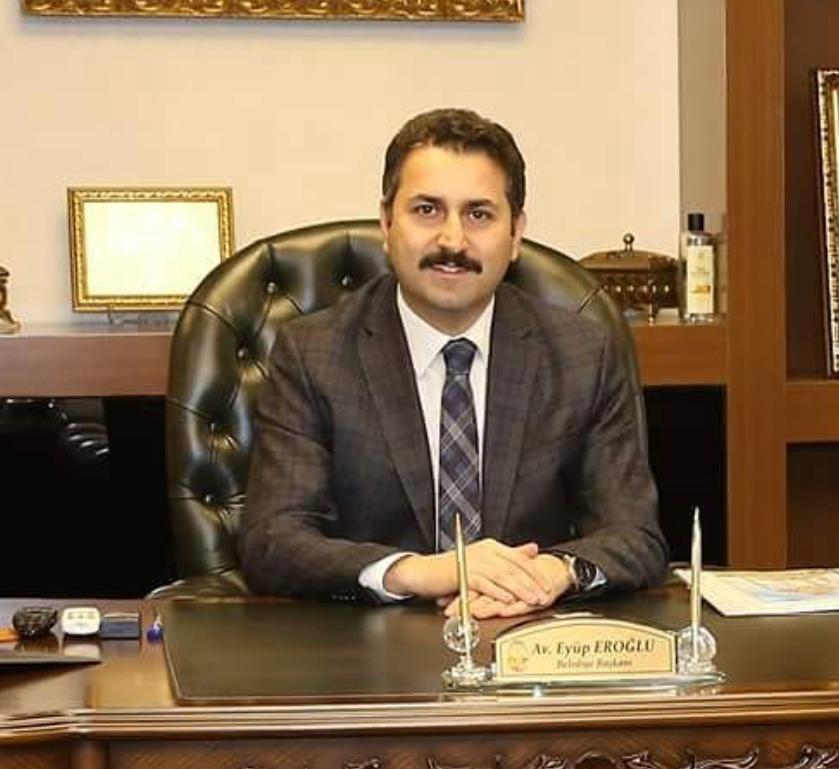
- Modern Governance (2014–Present): Under the leadership of Attorney Eyüp Eroğlu, one of Turkey’s youngest and most proactive mayors, the city has undergone a strategic shift. Mayor Eroğlu’s administration has focused on highlighting the city’s natural assets while simultaneously modernizing its urban infrastructure to meet international environmental standards.
- The TIES Partnership (2021): The selection of Tokat as the host for the 16th ESTC serves as the culmination of years of environmental advocacy and the promotion of the city’s “green” potential on the international stage.
Supporting Data: The Agricultural and Cultural Wealth of Tokat
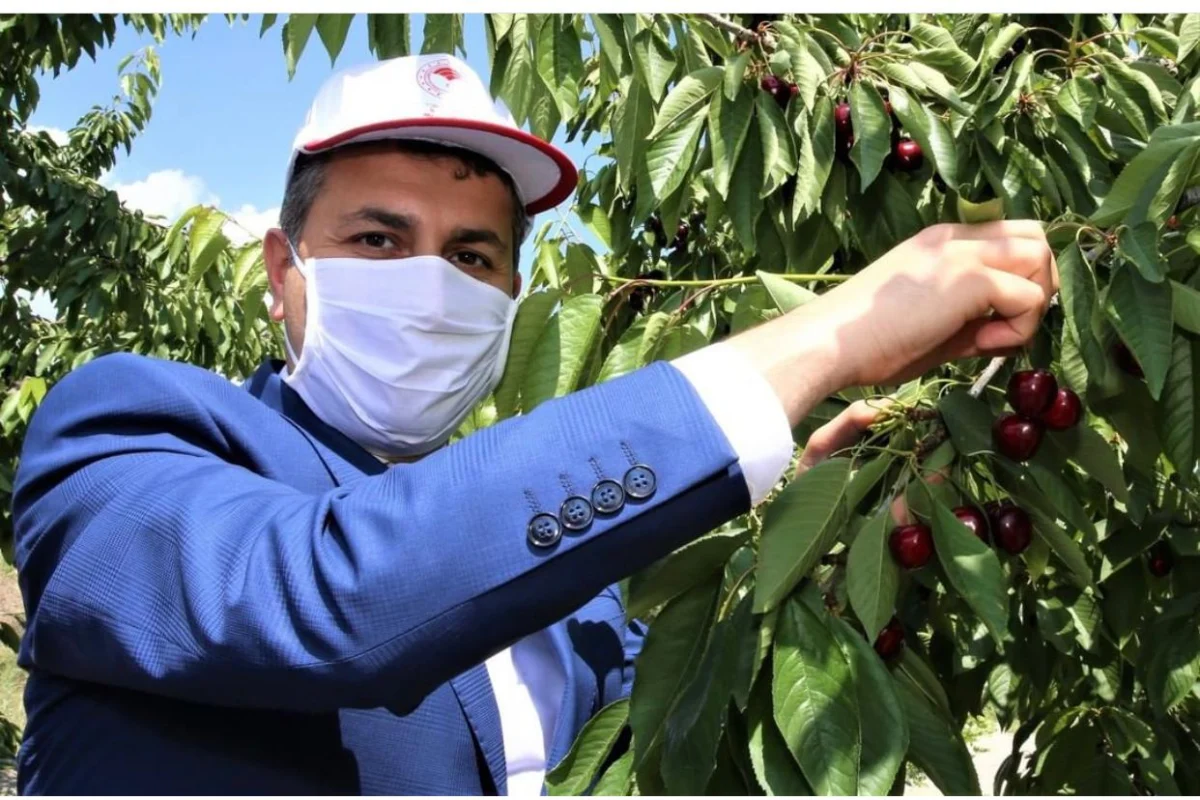
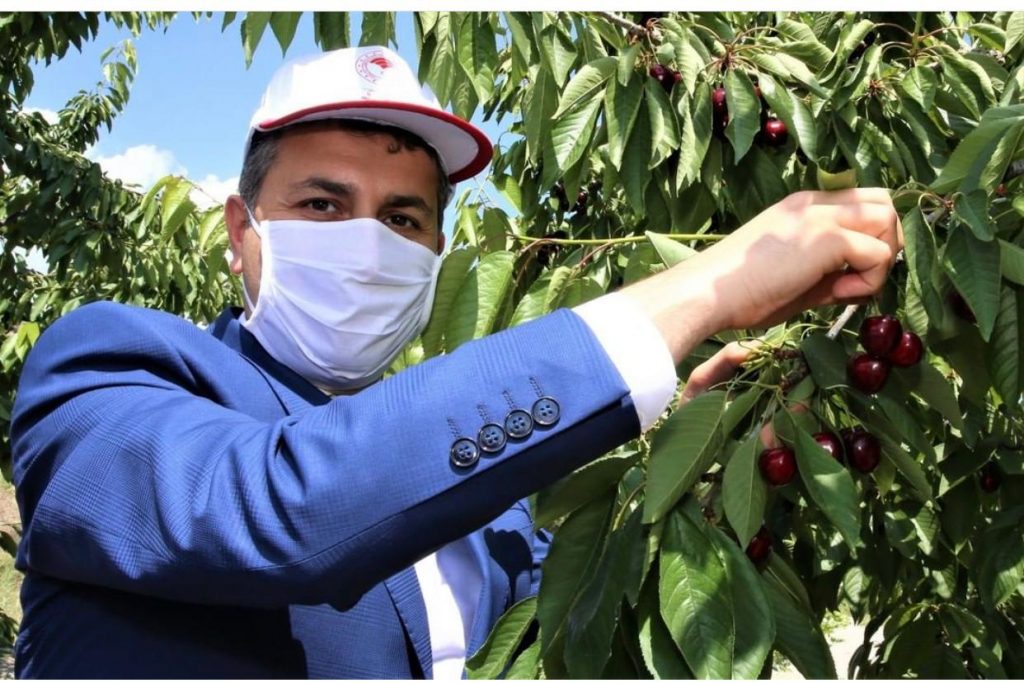
The resilience of Tokat is best illustrated by its agricultural output and culinary heritage. The region boasts an impressive array of 82 varieties of cereals, vegetables, and fruit crops. This agricultural diversity is not just a statistical curiosity; it is the lifeblood of the local economy and the foundation of a burgeoning culinary tourism sector.
The Gastronomic Landscape
The city’s climate—a transitional zone between the coastal Black Sea and the inland plateau—creates an ideal environment for unique crops. Signature local products include:
- Tokat Kebab: A world-renowned dish that utilizes the city’s high-quality produce.
- Specialty Crops: The region is famous for its high-quality grape leaves, molasses, walnuts, and fenugreek.
- Sustainable Sourcing: The local culinary scene is increasingly prioritizing farm-to-table practices, ensuring that the tourism influx benefits local farmers rather than displacing them.
Architectural Landmarks
Central to the visitor experience is the Tokat Castle. Looming over the city, it stands as a sentinel that has witnessed over a millennium of history. Its preservation is a top priority for the municipality, which views the castle not just as a monument, but as a living center for educational tourism and historical appreciation.
Official Perspectives: A Vision for the Future
In a recent interview, Mayor Eyüp Eroğlu articulated his vision for the conference and the future of his city. “Along with Tokat’s friendly local people and their welcoming outlook,” he stated, “the Tokat Municipality will make every effort to develop our city’s tourism to be represented in the international arena, and we will accomplish this in a sustainable way.”
Mayor Eroğlu emphasized that the city is eager to showcase its “Anatolian heritage” to a global audience. For the Mayor, this conference is an opportunity to prove that small-to-medium-sized cities can achieve global relevance through a commitment to sustainability. He views the TIES conference as a platform for knowledge exchange, where international experts can offer insights into protecting Tokat’s ecological diversity, while local residents share their traditional methods of land stewardship.
Regarding the logistics of the event, Mayor Eroğlu was categorical about safety and organization. “I am impressed with the care TIES has taken to ensure the safety of ecotravelers and the community of Tokat,” he noted. The municipality has implemented rigorous safety protocols, ensuring that the event remains both secure and environmentally conscious.
Implications for the Future of Ecotourism
The implications of hosting the 16th ESTC in Tokat are far-reaching. By shifting the focus of international tourism toward cities like Tokat, the global travel industry can begin to de-concentrate visitors from overcrowded tourist hotspots, thereby reducing the environmental burden on those regions.
1. The Model of Cultural Sustainability
Tokat demonstrates that sustainable tourism is not solely about environmental protection; it is about the preservation of cultural practices. By promoting the harvesting of local grape leaves or the traditional preparation of the Tokat Kebab, the city is preserving its intangible heritage through economic incentives.
2. Economic Empowerment
The conference is expected to bring international attention to the region, attracting a demographic of travelers who prioritize ethical and eco-conscious destinations. This influx of “conscious travelers” provides a sustainable revenue stream for the local hospitality and artisan sectors, reinforcing the link between tourism and local economic stability.
3. A Blueprint for Other Cities
The success of this conference could serve as a blueprint for other historic cities in Turkey and the broader Mediterranean region. By integrating ancient history with modern sustainability goals, Tokat is positioning itself as a leader in the global "green" movement.
Conclusion: An Invitation to Discover Tokat
As the conference dates approach, the city of Tokat is preparing to open its doors to the world. The International Ecotourism Society (TIES) encourages delegates, researchers, and travel enthusiasts to register for the event and experience firsthand the intersection of ancient history and sustainable progress.
For those interested in witnessing how a city can successfully balance the demands of the 21st century with the wisdom of the past, Tokat offers an unparalleled experience. It is a place where the shadow of a medieval castle meets the promise of a greener, more sustainable future.
Attendees are invited to register for the 16th ESTC here to join this historic dialogue. Whether you are an ecotraveler, a policy expert, or simply a curious soul, Tokat stands ready to share its stories, its hospitality, and its enduring Anatolian legacy.
 Laily UPN
  Ammar Sabilarrohman
  Basiran