

East Africa is defined by its dramatic topography, a landscape carved by the ancient, violent, and beautiful forces of plate tectonics. From the snow-capped peak of Mount Kilimanjaro to the dense, mist-shrouded jungles of Rwanda’s Volcanoes National Park, the region offers a unique intersection of geological majesty and biodiversity. Today, this region has emerged as a premier global hub for ecotourism, where adventure seekers can contribute directly to conservation and the economic empowerment of local communities.
Main Facts: The Volcanic Backbone of East Africa
The East African Rift, a sprawling geological feature, has bestowed upon the region a series of volcanic landmarks that serve as the primary draw for modern eco-travelers. Tanzania, in particular, stands as a cornerstone of this experience, offering a mix of high-altitude challenges and crater-based exploration.
Key volcanic and ecotourism destinations include:
- Mount Kilimanjaro & Mount Meru: The iconic summits of Tanzania, attracting thousands of trekkers annually.
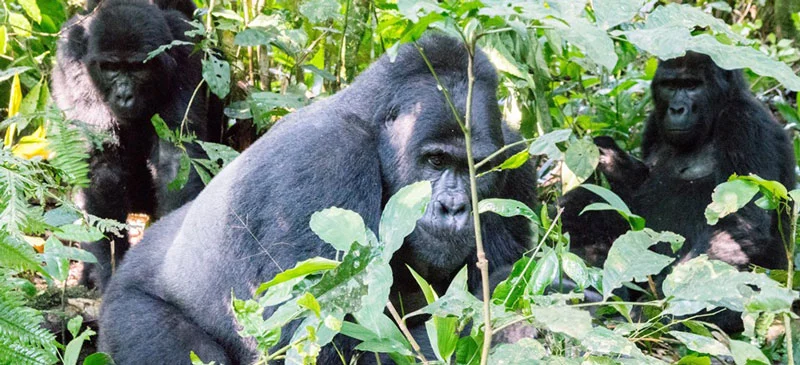
- Volcanoes National Park, Rwanda: The premier destination for endangered mountain gorilla trekking.
- Mount Kenya: A striking volcanic remnant offering rugged alpine hiking.
- The Eastern Arc Mountains: Known for their ancient, endemic biodiversity.
- Ol Doinyo Lengai: The "Mountain of God," an active volcano offering a unique geological experience.
These sites are not merely tourist attractions; they are vital ecosystems that sustain rare species and complex habitats. By choosing to visit these regions through established ecotourism operators, travelers engage in "responsible tourism"—a practice defined by minimal environmental impact, support for wildlife conservation, and the direct financial upliftment of indigenous populations, such as the Maasai tribes of the Ngorongoro Conservation Area.
Chronology: Planning the Ultimate East African Safari
For those planning an expedition, timing and structure are paramount. A typical, well-balanced African safari package ranges from 8 to 14 days, allowing for a comprehensive immersion in both the "Big Five" wildlife areas and the highland trekking zones.
Phase 1: The Acclimatization Strategy (Days 1–3)
Before tackling the high-altitude demands of Mount Kilimanjaro, experts recommend spending time in the Ngorongoro Highlands. Nature trekking and walking safaris in the Great Rift Valley, the Olmoti Crater, and the Empakai Crater serve as essential altitude training. This period allows travelers to adjust to the thin mountain air while engaging with the local culture at Maasai Bomas.
Phase 2: The Core Expedition (Days 4–9)
This is the heart of the journey. Whether you are navigating the Lemosho route on Kilimanjaro or exploring the ice fields of the South-North circuit, this phase requires physical endurance and expert guidance. Kilimanjaro Tanzanite Safaris DMC facilitates these expeditions, emphasizing safety and sustainable camping practices.
Phase 3: The Primate Connection (Days 10–14)
The ultimate East African journey often bridges the gap between the savanna and the jungle. A flight from Tanzania to Rwanda connects the volcanic high-country with the tropical rainforests of Volcanoes National Park. A 4-to-5-day itinerary here typically includes gorilla trekking, golden monkey observation, and a somber but necessary visit to the Kigali Genocide Memorial, providing a holistic view of Rwanda’s history and natural resilience.
Supporting Data: Why Ecotourism Matters
The shift toward ecotourism is backed by the necessity of conservation. According to current tourism data, the financial incentives provided by wildlife and volcano-based tourism are the primary drivers for habitat protection in East Africa.
Economic Impact
When travelers opt for certified eco-lodges and tented camps, they minimize their carbon footprint and ensure that revenue stays within the local economy. For instance, visiting a Maasai village does more than provide a cultural experience; it creates a direct revenue stream that funds education and health initiatives for local pastoralist communities.
Biodiversity Metrics
The Volcanoes National Park in Rwanda serves as a case study for successful conservation. Through strictly regulated gorilla tracking, the park has managed to stabilize and even increase the population of the mountain gorilla. These programs demonstrate that when nature is assigned a monetary value through tourism, local communities become the most effective guardians of that land.
Official Responses and Expert Perspectives
Industry experts and international travel bodies emphasize that the success of East African tourism lies in the synergy between the government, private operators, and the local community.
In a recent assessment, travel analysts from organizations like Travel and Leisure have highlighted the importance of "primates and peaks" as a dual-market strategy. Their research indicates that visitors who combine their safaris with educational, nature-based trekking are significantly more likely to return, creating a sustainable cycle of repeat tourism.
Furthermore, tour operators like Kilimanjaro Tanzanite Safaris DMC have moved to formalize "Responsible Travel Policies." These policies mandate that all guides are locally trained, waste management is strictly enforced, and partnerships are prioritized with community-owned lodges. By integrating these practices, they are not only saving money for the traveler through efficient logistics but also ensuring that the "Big Five" safari experience remains ecologically sound for future generations.
Implications: The Future of Volcanic Tourism
The trajectory of tourism in East Africa is leaning heavily toward the "slow travel" movement. As global awareness of climate change grows, the demand for high-impact, low-footprint tourism is increasing.
The Rise of the "Combo Tour"
The most significant trend in the region is the "Photographic Safari Combo." This involves blending high-intensity climbing (Kilimanjaro) with low-intensity wildlife viewing (Serengeti migration) and immersive primate trekking (Rwanda or Uganda). This variety ensures that the local infrastructure is used consistently throughout the year, rather than just during peak climbing seasons.
Conservation Challenges
Despite the success, the industry faces challenges. Climate change poses a threat to the glaciers on Mount Kilimanjaro, and human-wildlife conflict remains a sensitive issue near the boundaries of the national parks. The implications are clear: tourism must be managed with a scientific approach. The "ecotourism" label is not merely a marketing buzzword; it is a mandate for the protection of these delicate landscapes.
The Traveler’s Role
The modern tourist is now a participant in the conservation process. By choosing to book through a reputable DMC (Destination Management Company), travelers gain access to remote areas that are otherwise difficult to manage sustainably. Whether it is trekking in the Udzungwa Mountains or searching for chimpanzees in Gombe, every step taken on these trails is a vote for the preservation of these unique geographical wonders.
Conclusion: A Journey of Purpose
An East African volcano tour is more than a vacation; it is an expedition into the heart of the earth’s most dynamic regions. Whether you are standing on the rim of an ancient crater in the Ngorongoro Conservation Area or watching a silverback gorilla emerge from the dense foliage of Rwanda, you are witnessing the raw power and beauty of our planet.
By planning your trip with a focus on responsible, community-led tourism, you ensure that the majesty of Kilimanjaro and the jungles of the Rift Valley remain intact. The synthesis of luxury and responsibility, combined with the guidance of experienced local operators, allows for a travel experience that is both personally transformative and globally significant. As you prepare your itinerary, remember that the most valuable souvenir you can bring home is the knowledge that your visit helped sustain these wonders for the next generation of explorers.
 Laily UPN
  Ammar Sabilarrohman
  Lina Hope