

Introduction: Bridging the Past and the Future
The historic city of Tokat, nestled in the heart of the Anatolian plateau, is poised to take center stage on the global tourism map. From July 27th to 31st, 2021, the city will host the 16th Ecotourism and Sustainable Tourism Conference (ESTC), organized by The International Ecotourism Society (TIES). This event marks a pivotal moment for a region that has long served as a cradle of civilization, now reinventing itself as a premier destination for travelers who prioritize ecological integrity and cultural authenticity.
Tokat is not merely a geographic location; it is a living, breathing testament to 1,500 years of human history. By selecting this city for the ESTC, TIES recognizes Tokat’s unique capacity to harmonize its profound archaeological legacy with modern, sustainable practices.
The Visionary Leadership: A Conversation with Mayor Eyüp Eroğlu
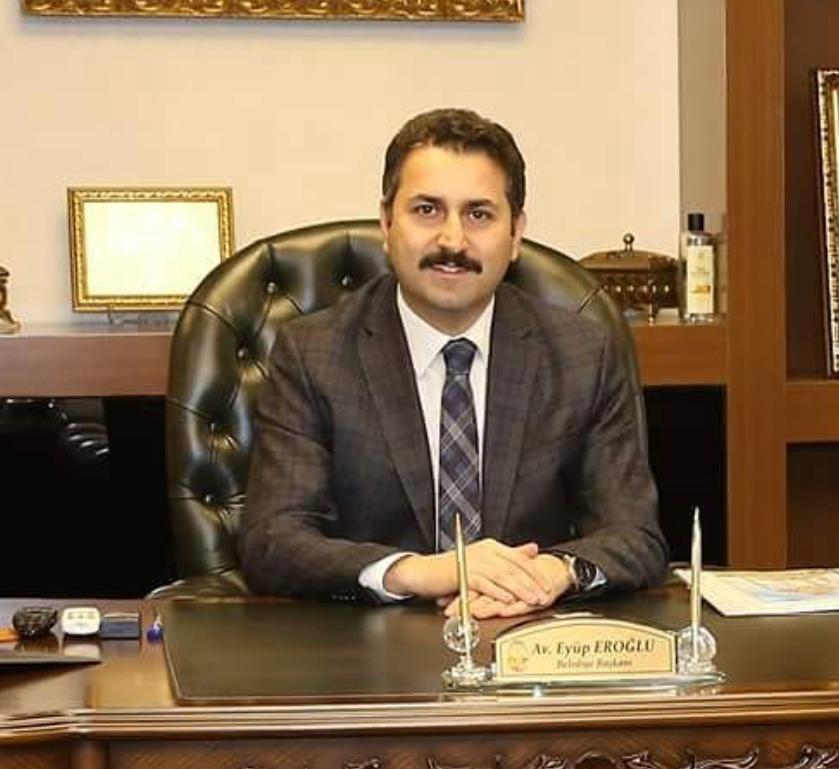
The momentum behind Tokat’s rise in the international tourism sector is driven by the dynamic leadership of its mayor, Attorney Eyüp Eroğlu. As one of Turkey’s youngest and most proactive political figures, Mayor Eroğlu has spent his tenure transforming Tokat’s diverse geographic potential into a structured, sustainable growth model.
In an exclusive interview regarding the upcoming conference, Mayor Eroğlu underscored the city’s readiness to welcome the global community. "Along with Tokat’s friendly local people and their welcoming outlook, the Tokat Municipality will make every effort to develop our city’s tourism to be represented in the international arena," the Mayor stated. "We will accomplish this in a sustainable way that preserves the very essence of what makes Tokat unique."
Mayor Eroğlu’s philosophy is rooted in the idea that tourism should not be an extractive industry, but a regenerative one. By fostering local agricultural production and protecting historical sites like the iconic Tokat Castle, his administration aims to provide visitors with an experience that is both immersive and responsible.
Chronology: A Tapestry of 14 Civilizations
To understand the significance of Tokat, one must look at the timeline of its development. Situated strategically between the Black Sea and the Anatolian heartland, the city has been a vital crossroads for millennia.
- 5th Century Origins: The foundations of the city’s complex, urban identity were laid during the 5th century, setting a precedent for a settlement that would endure through changing tides of empire.
- The Intersection of Cultures: Over the centuries, Tokat served as a melting pot for 14 distinct civilizations. This convergence of cultures—including the Hittites, Persians, Romans, Byzantines, and Seljuks—has resulted in a unique architectural and cultural synthesis.
- The Modern Transition: In recent years, the municipality has shifted its focus toward the "New Tourism" paradigm. By leveraging the region’s transitional climate and elevated terrain, the city has successfully pivoted toward eco-conscious development.
- 2021: The Global Stage: The hosting of the 16th ESTC represents the culmination of years of infrastructure development and a renewed emphasis on preserving the "Anatolian heritage" for future generations.
Supporting Data: An Ecological and Gastronomic Powerhouse
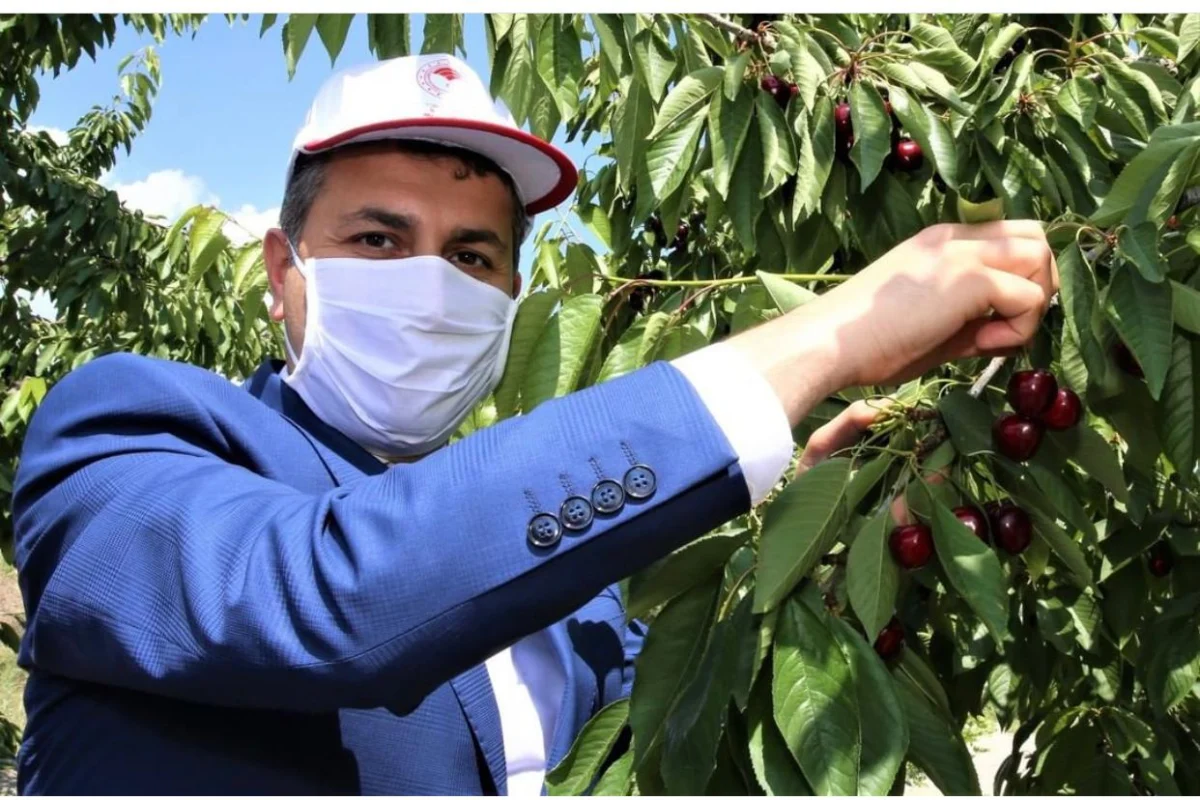
Tokat’s appeal as a sustainable destination is backed by its remarkable biodiversity and agricultural productivity. The city’s geography is characterized by high plateaus and fertile valleys, creating a transitional climate that supports an extraordinary array of flora and fauna.
Agricultural Diversity
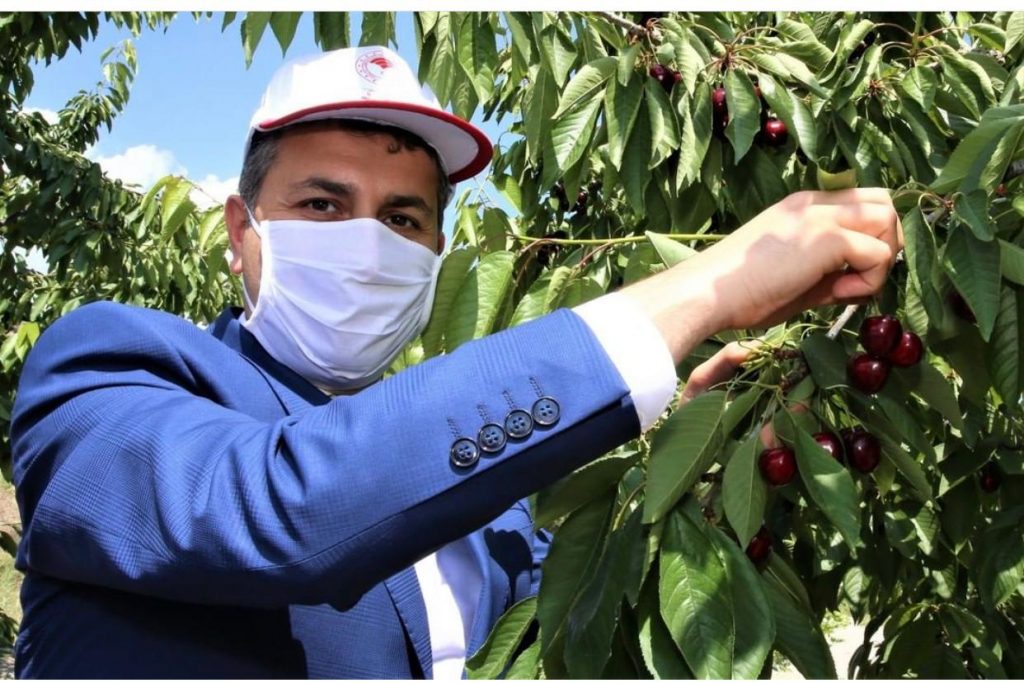
The region boasts 82 distinct varieties of cereals, vegetables, and fruits. This agricultural abundance is not just a statistic; it is the foundation of the local economy and culture. The city is renowned for its:
- Grape Leaves: A staple of the regional cuisine, famed for their quality and flavor.
- Walnuts and Fenugreek: Key ingredients that define the distinct, aromatic profile of the local food culture.
- Molasses (Pekmez): Produced through traditional methods, representing the preservation of ancient culinary techniques.
Gastronomic Identity
The hallmark of the Tokat dining experience is the world-famous "Tokat Kebab." This dish is more than a meal; it is a demonstration of the city’s relationship with its land. The preparation requires specific seasonal vegetables and high-quality meats, often sourced from small-scale, local farmers. By encouraging tourists to engage with these local food systems, the municipality effectively minimizes the "food miles" of the tourism industry, aligning perfectly with the core tenets of the ESTC.
Official Perspectives on Safety and Sustainability
In an era where international travel is heavily scrutinized, the topic of safety remains paramount. Mayor Eroğlu was quick to address the concerns of potential attendees, emphasizing that the municipality has worked hand-in-hand with TIES to implement rigorous health and safety protocols.
"I am thoroughly impressed with the care and foresight TIES has demonstrated," the Mayor noted. "The safety of our ecotravelers and the well-being of the Tokat community are our highest priorities. We have ensured that all protocols are in place to allow for a safe, productive, and enjoyable conference experience."
The collaboration between the local government and international experts suggests a model for future events, where safety is not viewed as a hindrance to tourism, but as an essential component of the traveler’s peace of mind.
Implications: The Future of Ecotourism in Anatolia
The selection of Tokat for the 16th ESTC has significant implications for the future of tourism in Turkey and the broader Middle East. By hosting this event, Tokat is signaling to the world that it is open for high-value, low-impact tourism.
Economic and Cultural Impact
The conference is expected to draw international delegates who are leaders in the field of sustainable development. Their presence will provide a platform for local businesses to showcase their commitment to sustainability. Moreover, it serves as a catalyst for local youth, who see their city’s traditions being validated on a global stage, potentially stemming urban migration and fostering a sense of civic pride.
The "Anatolian Heritage" Model
Tokat is setting a template for how historical cities can maintain their identity while adapting to global standards. The "Anatolian heritage" model relies on the integration of traditional agriculture, the preservation of ancient monuments (such as the Tokat Castle), and the promotion of a "slow tourism" pace. This approach stands in stark contrast to the mass tourism that often leads to the degradation of historical sites and the homogenization of local cultures.
A Call to Action for Global Travelers
The International Ecotourism Society (TIES) invites all those involved in the tourism sector—from policymakers and environmentalists to tour operators and journalists—to attend the conference.
For those wishing to witness the harmony between ancient history and modern sustainability, the time to register is now. Tokat is prepared to showcase its unique beauties, its natural wonders, and the genuine hospitality that has defined its people for centuries. As the city prepares for the arrival of its international guests, it stands as a shining example of what is possible when a community embraces its roots while looking steadfastly toward a greener, more sustainable future.
Interested delegates and stakeholders are encouraged to register for the conference to ensure their place at this landmark event. The world is watching Tokat, and the city is ready to show why it remains one of the most vital, culturally significant, and ecologically conscious destinations on the map.
Whether it is the historical allure of the castle ruins, the rich biodiversity of the valleys, or the culinary mastery found in a traditional kitchen, Tokat promises an unforgettable experience for those who seek to travel with purpose. In the words of Mayor Eroğlu: "We hope to have the opportunity to show the world our cultural legacy and conference hospitality. We are sure that travelers will collect many unforgettable memories here and witness the true, enduring spirit of Anatolia."
 Laily UPN
  Ammar Sabilarrohman
  Basiran