

East Africa has long been synonymous with the "Big Five" and the endless savannahs of the Serengeti. However, a seismic shift in traveler preferences is bringing the region’s volcanic geography to the forefront of the global tourism stage. From the snow-capped peak of Mount Kilimanjaro to the dense, mist-covered slopes of Rwanda’s Volcanoes National Park, the region is positioning itself as the premier destination for high-impact, low-footprint adventure travel.
Main Facts: The Geological Backbone of East African Tourism
The Great Rift Valley, which stretches across East Africa, is a geological powerhouse that has birthed some of the most iconic landscapes on Earth. These volcanic features are no longer just static landmarks; they are the anchors of a thriving ecotourism sector.
Key volcanic destinations currently driving this surge include:
- Mount Kilimanjaro (Tanzania): The world’s tallest free-standing mountain and a cornerstone of high-altitude trekking.
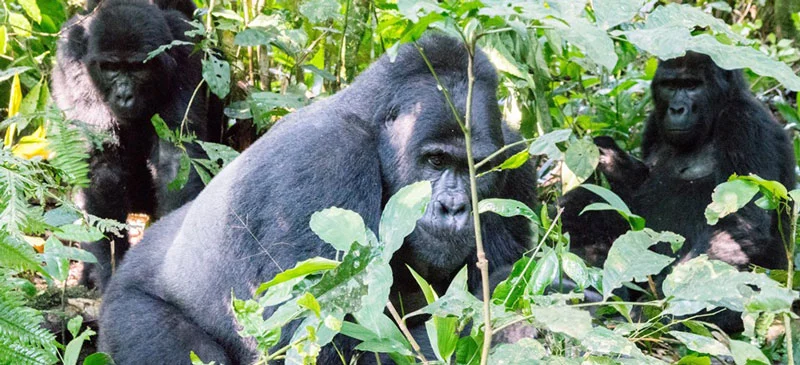
- Volcanoes National Park (Rwanda): The primary hub for mountain gorilla tracking and primate conservation.
- Ngorongoro Conservation Area (Tanzania): A multi-use volcanic caldera that balances human pastoralism with apex wildlife conservation.
- Mount Meru, Mount Kenya, and the Eastern Arc Mountains: Secondary peaks that offer diverse biodiversity corridors and specialized trekking routes.
- Ol Doinyo Lengai: Known as the "Mountain of God," this active volcano provides a unique look at natrocarbonatite lava, a rare geological phenomenon.
These destinations are not merely scenic; they represent a commitment to "responsible travel"—an ethos defined by minimizing environmental impact, supporting local economies, and fostering a deeper appreciation for indigenous cultures.
Chronology: The Evolution of the East African Safari
The transition from traditional "big game" hunting safaris of the colonial era to the modern ecotourism model has been a decades-long evolution.
- 1960s–1980s: The rise of mass tourism focused heavily on wildlife viewing in Serengeti and Masai Mara.
- 1990s: Conservation efforts began to prioritize community involvement. The recognition of gorilla tourism in Rwanda as a viable economic alternative to poaching became a watershed moment for the industry.
- 2000s–2010s: The formalization of "ecotourism" as a discipline led to the development of rigorous lodge certifications and trekking standards on Mount Kilimanjaro.
- 2020–Present: The post-pandemic traveler is seeking "transformational travel." There is a distinct pivot toward combining rigorous physical challenges (like the Lemosho route on Kilimanjaro) with cultural immersion (such as Maasai Boma visits) and primate conservation.
Supporting Data: Why Volcano Tourism Matters
The economic data supporting the move toward volcanic ecotourism is compelling. According to regional tourism boards, itineraries that combine mountain trekking with wildlife safari components see a 30% higher retention rate for repeat visitors.
The Role of Acclimatization
For many, the appeal lies in the "multi-destination" itinerary. Experts, including those at Kilimanjaro Tanzanite Safaris, emphasize the necessity of the Ngorongoro Highlands as an acclimatization zone. By engaging in walking safaris and nature trekking around the Olmoti and Empakai craters, travelers not only experience the volcanic geography but also physiologically prepare for the rigors of a multi-day Kilimanjaro summit bid.
Primate Conservation Metrics
In Rwanda and Uganda, gorilla and chimpanzee trekking generates millions in annual revenue, a significant portion of which is reinvested into local infrastructure, anti-poaching patrols, and community health initiatives. A standard 4-to-5-day Rwanda itinerary—which includes the Kigali Genocide Memorial, golden monkey tracking, and gorilla trekking—serves as a case study in how tourism can fund national heritage preservation.
Official Perspectives and Operational Insights
Industry experts emphasize that the success of these trips relies on the quality of the logistical partners on the ground.
The Importance of Eco-Lodging
"True ecotourism is about more than just seeing the mountain; it’s about how you sleep at the base of it," notes a lead consultant at Kilimanjaro Tanzanite Safaris. "By choosing high-quality eco-lodges and tented camps that operate on sustainable energy and employ local staff, travelers contribute directly to the well-being of the surrounding communities."
Cultural Integration
The inclusion of Maasai culture in Ngorongoro is not merely an add-on; it is a critical component of the regional social fabric. When travelers visit Maasai villages, they engage in a reciprocal exchange. The revenue generated from these visits ensures that traditional pastoralist lifestyles can survive alongside modern conservation efforts.
Navigating the "Big Five" vs. "Jungle" Dynamic
The modern African holiday has become a "combo" experience. A traveler might spend three days on a photographic safari in the Serengeti tracking the "Big Five," followed by a trek in the Udzungwa Mountains, and conclude with a flight to Rwanda for gorilla tracking. This diversity of ecosystems—from the arid Rift Valley to the lush canopy of a volcanic jungle—is what differentiates East Africa from other global destinations.
Implications: The Future of Responsible Travel
The rapid growth of volcano-based tourism brings both opportunities and responsibilities.
1. Environmental Stewardship
With increased traffic on routes like the Lemosho or Machame on Kilimanjaro, the focus is shifting toward "Leave No Trace" policies. As these areas gain popularity, the infrastructure for waste management and trail maintenance must keep pace.
2. Economic Empowerment
The model of the "inclusive safari" ensures that the benefits of tourism are distributed beyond the capital cities. By prioritizing local guides, cooks, and porters, the safari industry acts as a primary employer in rural mountainous regions.
3. Safety and Information
As noted by resources like Travel and Leisure, the complexity of primate trekking—specifically regarding interactions with mountain gorillas—requires strict adherence to health and safety protocols to protect both the visitors and the endangered species. Travelers are increasingly being educated on the biological importance of these animals before they ever step foot in the forest.
4. The Rise of the "Specialized Itinerary"
Gone are the days of the generic two-week tour. Today’s traveler demands highly customized, 8-to-14-day packages that blend physical challenge (climbing) with leisure (wildlife) and education (cultural history). Agencies are now providing granular details on everything from the specific ice fields on Kilimanjaro’s southern circuit to the seasonal migrations of the wildebeest, allowing for a hyper-personalized experience.
Conclusion: A Call to Adventure
East Africa’s volcanic landscape is a testament to the raw power of the earth, but its value lies in the human connection it facilitates. Whether you are standing on the rim of the Empakai crater, watching a troop of chimpanzees navigate the Gombe forest, or staring at the sunrise from Uhuru Peak, the experience is designed to change your perspective on conservation.
For those looking to plan an expedition, the consensus is clear: prioritize operators that emphasize sustainability and cultural sensitivity. By doing so, the "volcano tour" becomes more than a vacation—it becomes a contribution to the preservation of some of the most fragile and spectacular environments on our planet.
As you prepare for your journey, consider the balance of your itinerary. Are you spending enough time in the highlands to acclimatize? Have you scheduled time to engage with the local tribes? Is your carbon footprint being mitigated by your choice of lodging? These are the questions that define the modern, responsible traveler. East Africa is ready to answer them, one mountain at a time.
For further details on planning your specialized itinerary, including Lemosho route expeditions, photographic safaris, and primate trekking combos, you may consult resources provided by Kilimanjaro Tanzanite Safaris or review expert guides on gorilla and monkey tracking through Travel and Leisure.
 Laily UPN
  Ammar Sabilarrohman
  Basiran