

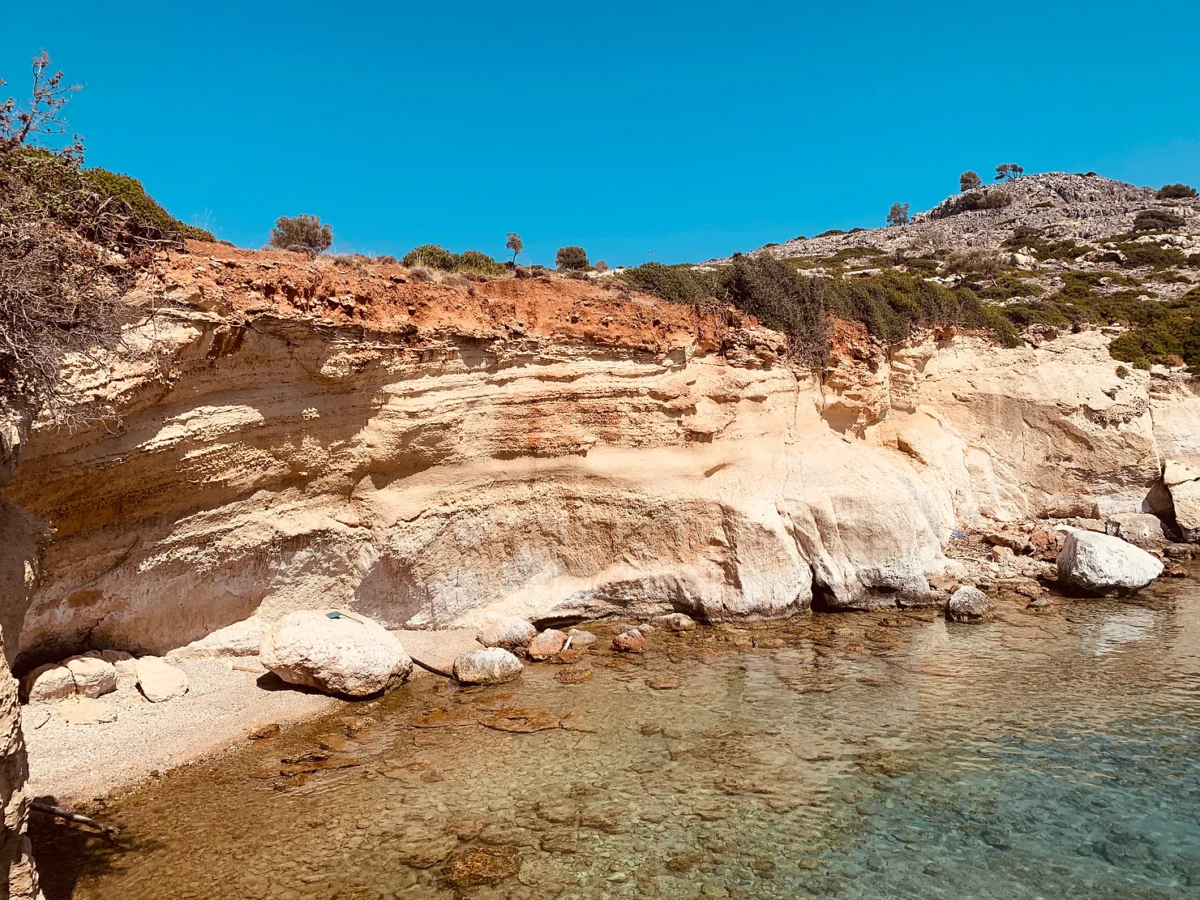
Rhodes, the crown jewel of the Dodecanese, is renowned globally for its medieval history, the iconic Acropolis of Lindos, and its bustling resorts. Yet, for the discerning traveler seeking to escape the well-trodden paths of mass tourism, the island conceals a different face: a rugged, serene, and untamed coastline. Far from the umbrella-lined shores of the popular beach clubs, there exists a series of secluded coves and hidden stretches of sand where the true spirit of the Aegean flourishes.
This guide explores the island’s most elusive coastal treasures—places where the Mediterranean’s deep blues meet the raw, unvarnished beauty of the Greek landscape.
The Geography of Solitude: Main Facts and Regional Context
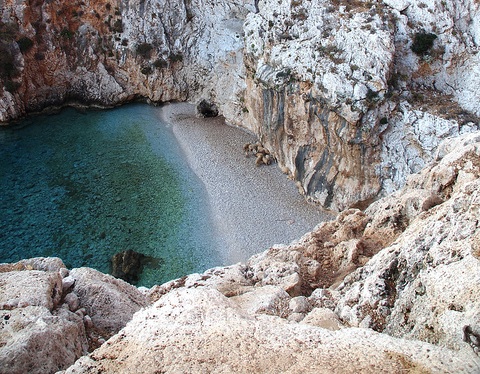
The eastern coast of Rhodes is often characterized by organized beaches and high-end hospitality, but as one travels toward the southern tip and the western shoreline, the topography shifts. Here, the island becomes a playground for the adventurous. These hidden beaches are defined by their isolation, limited infrastructure, and a deliberate absence of the noise and commercialization that dominate the northern hubs.
For travelers staying in regions like Lindos, access to these locations requires a sense of adventure—often involving dirt roads, scenic hikes, or short boat trips. These sites are not merely swimming spots; they are sanctuaries of biodiversity, cultural heritage, and quiet contemplation.

A Journey Along the Coast: A Chronology of Discovery
To explore these locations is to journey through the geological and historical layers of the island. From the lush, cicada-filled groves near Pefkos to the wild, wind-swept western cliffs, each beach offers a unique temporal experience.
1. Fokia Beach, Pefkos
Just five kilometers from the historic village of Lindos lies Fokia, a secluded cove that serves as a masterclass in Rhodian landscape. Surrounded by dense Mediterranean vegetation, the beach is defined by the rhythmic sound of cicadas and the scent of pine. It is the perfect starting point for those looking to experience the island’s authentic pace of life.

2. Fourni Beach, Monolithos
Located at the western tip of the island, Fourni is arguably one of the most lush beaches in the region. It is a destination for the twilight seeker; the sun sets directly into the sea here, painting the sky in dramatic shades of violet and gold. It represents the untamed nature of the western coast, where the Aegean is at its most powerful.
3. Mavros Kavos, Katavia
For those willing to undertake a twenty-minute off-road journey, Mavros Kavos offers the ultimate reward: total solitude. With no construction in sight, the beach feels like a forgotten corner of the world. It is a place where you are more likely to encounter the local fauna than other tourists, making it a rare find in the modern travel landscape.

4. Arkeftas Beach, Pefkos
Facing the vast expanse of the Mediterranean, Arkeftas is a sanctuary of clarity. The water here is famously transparent, reflecting the stark, natural environment of the surrounding cliffs. Visitors are encouraged to arrive at dawn to claim the space, staying until the final light fades behind the southern horizon.
5. Kopria Beach, Ataviros
Kopria is the quintessential "hidden treasure." Tucked away in a small cove, this pebbled beach is difficult to navigate, but its charm is undeniable. With only a limited number of sunbeds and a singular, unassuming restaurant, it maintains a low-key atmosphere that feels intimate rather than commercial.

6. Glyfada Beach, Ataviros
The drive to Glyfada is an experience in itself, traversing rural landscapes far from the standard tourist routes. The beach is bordered by pine forests, providing a cooling shade that complements the crystal-clear waters. A notable highlight is the local canteen, which has been serving traditional, authentic Greek food since the 1970s.
7. Apolakia Beach, Apolakia
Spanning the southwestern tip of the island, Apolakia is not just a beach; it is a protected biotope of significant ecological importance. Because of its open exposure, it often features lively waves, making it a favorite for those who prefer the kinetic energy of the sea over still waters.

8. Mandriko Beach, Ataviros
Situated near the port of Emponas, Mandriko is a remote coastal settlement beach. Located just seven kilometers from Kameiros Skala, it serves as a quiet retreat for those exploring the western reaches of the island.
9. Kiotari Beach, Kiotari
While Kiotari has modern resorts, the original fishing village remains a bastion of tradition. By moving away from the mainstream sunbeds and searching for the landmark shack on the rocks, visitors can still find a slice of the "old" Rhodes, where the relationship between the sea and the local fishing community remains vibrant.

10. Areta Beach, Chalki
Though technically located on the neighboring island of Chalki—a quick thirty-minute ferry ride from Mandriko port—Areta is an essential addition to any list of secluded wonders. It is a snorkeling paradise, offering some of the most pristine and deserted waters in the Aegean.
Supporting Data: Understanding the Ecosystem
The preservation of these beaches is a priority for the local authorities and conservationists. Many of these areas, such as the Apolakia region, fall under environmental protection zones. The "hidden" status of these locations acts as a natural buffer, preventing the over-tourism that can lead to pollution and habitat destruction.

- Biodiversity: The presence of pine forests at beaches like Glyfada and the protected biotope at Apolakia highlights the necessity for "leave no trace" tourism.
- Accessibility: Most of these locations require a 4×4 vehicle or a willingness to walk, which serves as a natural deterrent to mass-market tour buses.
Official Responses and Sustainability Initiatives
Local officials in Rhodes have increasingly emphasized the importance of "quality over quantity" in tourism. By promoting the island’s hinterlands and southern coastal regions, the local government aims to distribute the economic benefits of tourism more evenly while reducing the strain on the more popular landmarks like Lindos and Rhodes Town.
The Caesars Gardens Hotel & Spa, located in the heart of the island, champions this approach. By educating guests on the value of these secluded spots, they encourage a more respectful and immersive type of travel—one that honors the landscape rather than merely consuming it.

Implications: The Future of Responsible Tourism
The shift toward seeking "hidden" beaches carries significant implications for the future of Rhodes.
- Economic Diversification: By encouraging visitors to explore areas like Ataviros and Monolithos, local businesses—from traditional tavernas to small-scale tour operators—can thrive outside the typical tourist corridor.
- Cultural Preservation: When tourists engage with the rural parts of the island, they are more likely to support local customs and traditional foodways, such as the historic canteen at Glyfada.
- Environmental Stewardship: The primary implication of visiting these sites is the heightened responsibility of the traveler. As these areas become more known, the burden of maintenance falls on both the local government and the visitors to ensure these pristine environments remain untainted.
Conclusion
Rhodes is an island of duality. It is simultaneously a world-class destination for history and luxury, and a wild, rugged expanse of natural beauty. By choosing to visit the hidden coves of Fokia, the wild cliffs of Fourni, or the snorkeling waters of Areta, travelers are not just checking items off a list—they are participating in the preservation of an ancient landscape.

As the sun sets over the Aegean, casting long shadows across the pebbled shores of the southern coast, it becomes clear: the best part of Rhodes isn’t found in a guidebook, but at the end of a dusty road, waiting to be discovered by those who take the time to look.
For more information on planning your journey through the hidden corners of Rhodes, visit the Caesars Gardens Hotel & Spa.
 Laily UPN
  Ammar Sabilarrohman
  Basiran