

By William E. Simpson II, Naturalist, Author, and Conservationist
In the relentless tempo of modern life—characterized by high-speed connectivity, urban density, and the insatiable demands of global consumerism—humanity has reached a critical juncture. We are arguably more technologically advanced than at any point in history, yet we are increasingly alienated from the very foundation of our existence: the natural world. As we trade the rhythms of the earth for the glow of digital screens, our collective understanding of ecology is eroding. This widening "nature deficit" poses not only a psychological challenge but an existential threat to the planet’s remaining biodiversity.
To bridge this chasm, we must look beyond passive consumption—such as watching high-definition documentaries—and embrace the transformative power of immersive ecotourism.
The Nature Deficit and the Case for Immersion
For many, nature has become a peripheral concept—a backdrop for our lives rather than the source of our sustenance. While nature documentaries are masterful at capturing the aesthetic beauty of the wild, they are fundamentally observational. They provide information, but they cannot replicate the sensory experience of "being."
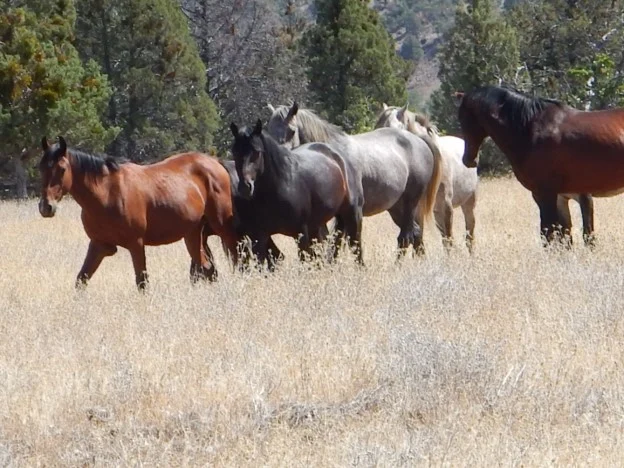
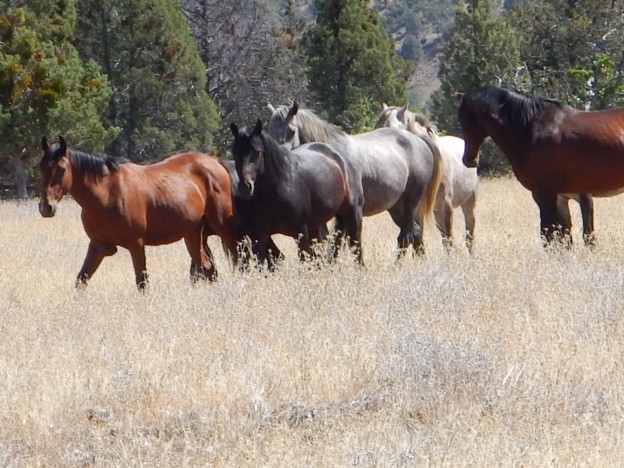
True ecological literacy is built through immersion. It is found in the scent of pine needles warming under the sun, the intricate auditory dialogue of eagles soaring above, the sight of a wild stallion standing vigil over his band, and the tactile reality of a crystal-clear mountain stream rushing over granite rocks. These experiences do more than educate; they recalibrate our senses and foster an intrinsic empathy for the environment.
Chronology of Conservation: From Extraction to Stewardship
The history of man’s relationship with the wilderness has largely been one of extraction. From the Industrial Revolution through the mid-20th century, natural resources were viewed primarily through the lens of utility. However, the latter half of the 20th century saw a paradigm shift.
- 1960s–1970s: The rise of the modern environmental movement began to highlight the finite nature of our resources.
- 1980s–1990s: The term "ecotourism" began to take root in the global lexicon, defined by The International Ecotourism Society as "responsible travel to natural areas that conserves the environment and improves the well-being of local people."
- 2000s–Present: As global populations urbanize at an unprecedented rate, ecotourism has transitioned from a niche hobby to a vital economic and conservation tool, proving that healthy ecosystems are often more profitable when left intact than when exploited for short-term gain.
Supporting Data: The Economic and Ecological Value
The argument for ecotourism is bolstered by robust data. When we move toward models that prioritize the observation of flora and fauna, we create a sustainable revenue stream that incentivizes conservation.
The Wild Horse Case Study
One of the most compelling examples of intelligent natural resource management is the rewilding of American wild horses. The fascination with these animals is deeply embedded in the American psyche, as evidenced by the consistent success of Hollywood films and documentaries centered on equine narratives.
Currently, the Bureau of Land Management (BLM) faces a logistical and financial crisis in managing wild horse populations, often resulting in expensive roundups and long-term captivity. However, by strategically rewilding these animals into wilderness areas where they are ecologically appropriate—and where they do not conflict with livestock production—we can achieve a multi-layered benefit:
- Economic Savings: Transitioning from costly captivity to sustainable, managed wild populations could save the BLM nearly $100 million annually.
- Ecotourism Revenue: Wild horses are a massive draw for regional tourism. Communities that embrace these herds see an influx of visitors who support local hospitality, guide services, and retail, as highlighted by regional economic surveys in areas like Moffat County.
- Wildfire Mitigation: One of the most overlooked benefits of horses in the ecosystem is their role as grazers. By managing grass and brush density in sensitive areas, wild horses act as a natural, low-impact fire mitigation tool, reducing the fuel loads that contribute to catastrophic wildfires.
Official Responses and Strategic Management
Policy makers and land managers are increasingly acknowledging that traditional management models are failing. The challenge lies in the "conflict of use." Ranching and industrial interests often compete with conservationists for the same acreage.
However, the shift toward "integrated management" is gaining traction. This strategy suggests that we no longer need to choose between the economy and the environment. By designating specific zones for rewilding and ecotourism, land managers can diversify local economies.
The International Ecotourism Society (TIES) maintains that when local communities are stakeholders in the preservation of their natural heritage, the likelihood of long-term conservation success skyrockets. When a local economy relies on the presence of wild horses or pristine forests for tourism revenue, the incentive to protect those resources becomes a matter of economic survival rather than abstract altruism.
Implications for the Future of Stewardship
The implications of failing to bridge the gap between man and nature are severe. If we continue to view nature as a commodity to be exploited, we will continue to lose the very services that sustain us—clean air, water, and climate regulation.
Ecotourism serves as the bridge. It provides the "educational communion" necessary to spark the compassion required for better stewardship. When a citizen spends a day in the field, witnessing the complexity of a natural ecosystem, they return home with a transformed perspective. They are no longer passive consumers, but informed constituents who demand policies that protect the natural world.
The Path Forward: A Call to Action
The path toward a sustainable future requires three core actions:
- Direct Engagement: We must actively seek out experiences that force us to unplug and immerse ourselves in the natural world.
- Economic Integration: Governments must recognize that ecotourism is a viable, high-growth sector of the economy that requires investment and protection.
- Ecological Literacy: Educational institutions and media organizations must prioritize content that highlights the interconnectedness of species, rather than treating nature as a collection of isolated, static parts.
Conclusion
As William E. Simpson II has often noted, there is "no substitute for ecotourism programs that uniquely provide actual immersion into nature and the experience of the wonders that exist therein, first hand."
The future of our planet rests on our ability to restore the bond between humanity and the earth. Through intentional, respectful, and immersive ecotourism, we do not just observe the wild—we become part of it. This shift in participation is the cornerstone of effective conservation. By leveraging our natural resources to educate and inspire, we ensure that the wonders of the natural world are not just archived in history books or films, but protected for generations to come.
As we move further into this century, let us remember that the most powerful tool for conservation is not a fence or a regulation, but the human heart, informed by the awe and wonder that only a wild, untouched landscape can provide.
For more information on the intersection of ecology, wild horse management, and sustainable tourism, please visit www.WHFB.us and www.ecotourism.org.
 Laily UPN
  Ammar Sabilarrohman