

In a move that signals a paradigm shift for the Caucasus nation’s tourism sector, a group of seasoned industry professionals has officially launched the Azerbaijan Ecotourism Association (AETA). This initiative, deeply rooted in the recent sustainable development reforms championed by the government of President Ilham Aliyev, seeks to reposition Azerbaijan as a premier global destination for eco-conscious travelers. By blending ecological preservation with modern hospitality, the AETA aims to cultivate a robust "green culture" that transcends traditional tourism models.
The Genesis of AETA: A Vision for Sustainable Growth
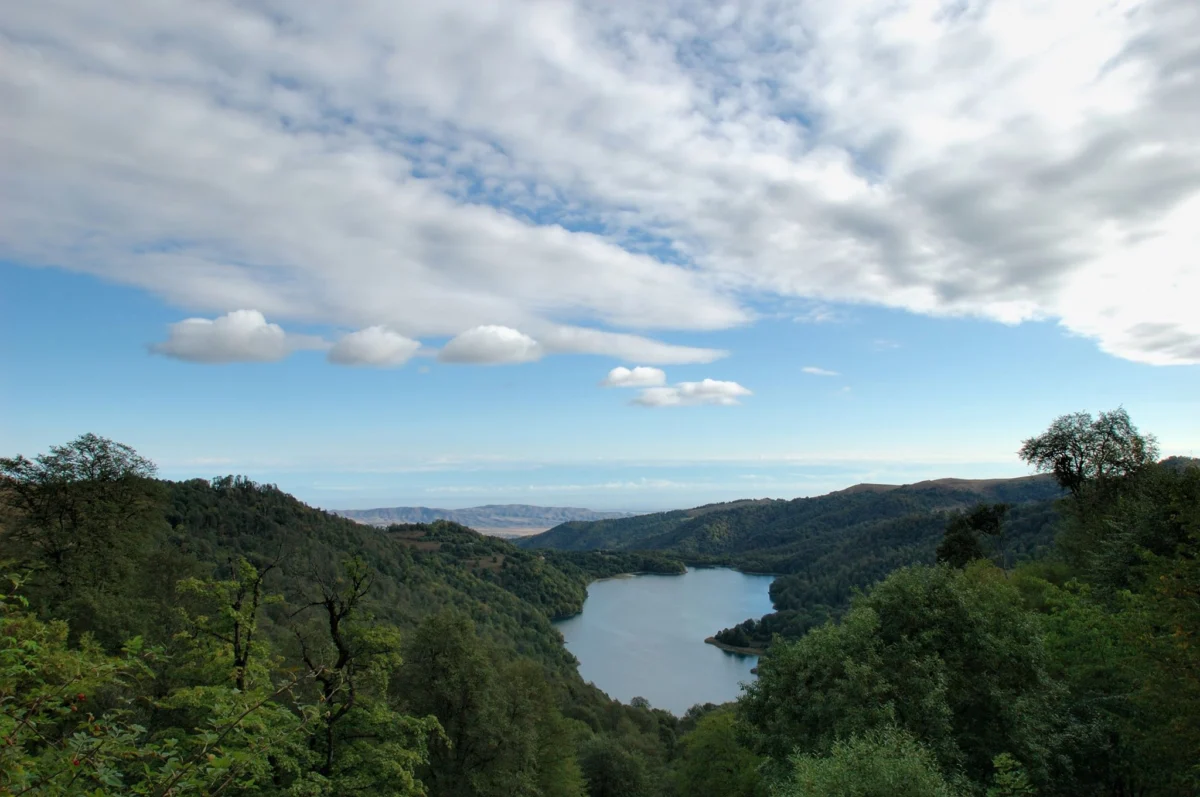
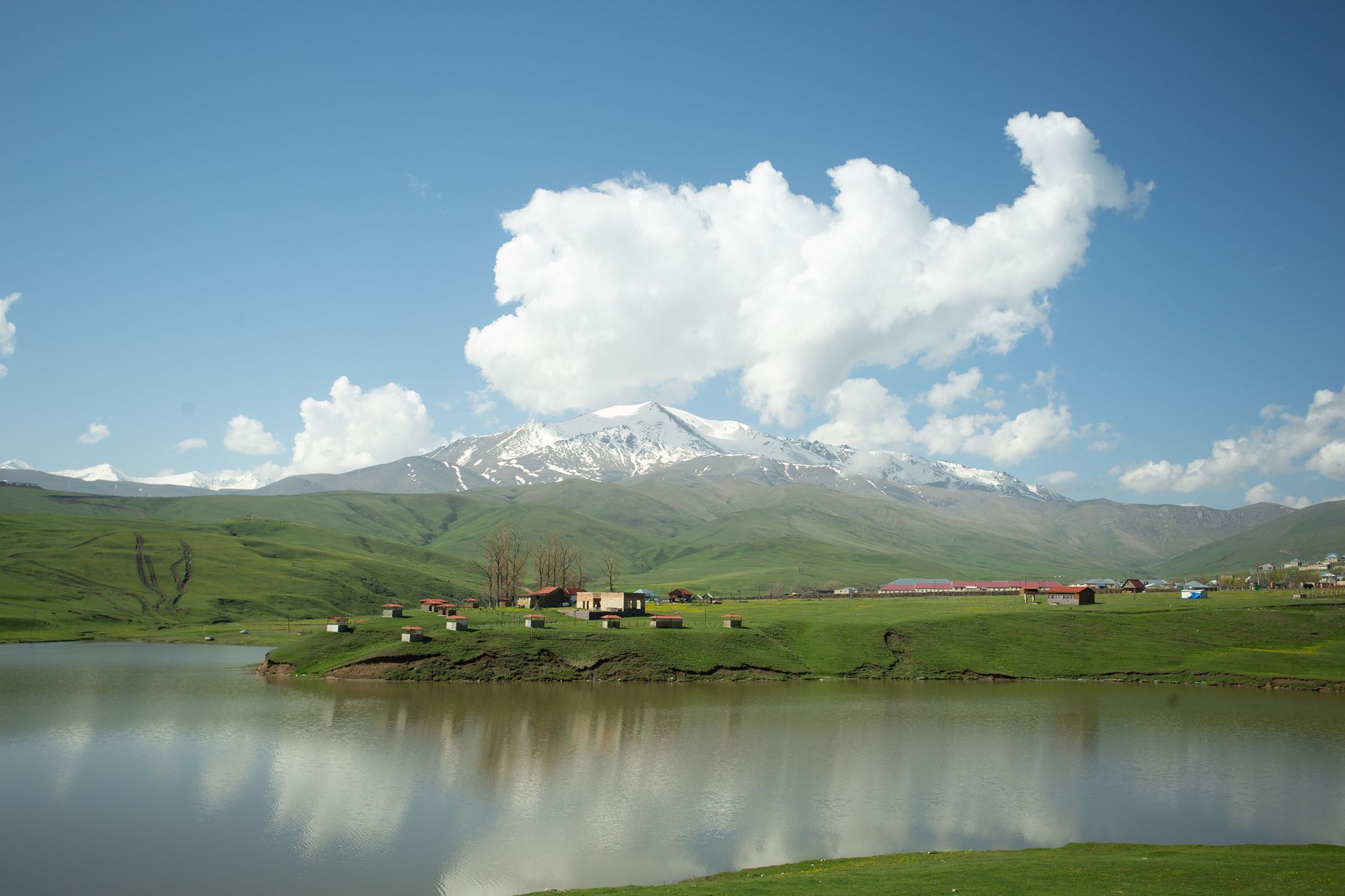
The formation of the Azerbaijan Ecotourism Association is not an isolated development but rather a calculated response to the global mandate for sustainable travel. Recognizing that Azerbaijan possesses diverse landscapes—ranging from the Caspian coastline to the high-altitude peaks of the Greater Caucasus—the founders identified a significant opportunity to monetize natural beauty through conservation rather than exploitation.
The association was conceived by a core group of visionaries, including Samir Dubendi, Zurab Israfilov, Rufat Gojayev, and Vugar Dargahov. These individuals bring together decades of expertise in hospitality management, environmental science, and tourism policy. Their primary objective is to move beyond the "sun and sea" or "urban sightseeing" narratives, replacing them with a sophisticated framework that emphasizes rural tourism, agritourism, and the preservation of biodiversity.
Collaborations and Institutional Partnerships
A critical factor in the AETA’s credibility is its proactive approach to international cooperation. The founders have engaged in extensive consultations with prestigious global bodies, including The International Ecotourism Society (TIES) and the World Wide Fund for Nature (WWF). By aligning their operational protocols with international standards, the AETA ensures that its roadmap for Azerbaijan is compliant with the best practices of the global ecotourism community.
Furthermore, the association has secured a consultative rapport with key national stakeholders, including the Azerbaijan State Tourism Agency and the Ministry of Ecology and Natural Resources. This synergy between non-governmental experts and government agencies provides the necessary political and regulatory backing to turn environmental policies into tangible, market-ready tourism products.
Chronology of Development: From Concept to Implementation
The journey of the AETA is marked by a series of deliberate steps designed to ensure long-term stability and impact.
- Phase I: Strategic Formulation: Following the announcement of government-led sustainable reforms, the founding members conducted a feasibility study assessing Azerbaijan’s current tourism infrastructure. This phase identified the lack of standardized "eco-hospitality" and the need for better integration between local farmers and the tourism sector.
- Phase II: Stakeholder Engagement: During the latter half of the preceding year, the founders held a series of roundtables with representatives from the DAIR Hotels and Restaurants Association, the Azerbaijan Nature Protection Society, and the REM Caucasus Regional Eco Center. These discussions laid the groundwork for a unified national agenda.
- Phase III: Institutional Launch: The formal establishment of the AETA serves as the current anchor point. As stated by Chairman Samir Dubendi, the goal is for the association to reach full operational capacity within a month, a testament to the urgency and dedication of the leadership team.
- Phase IV: Future Scaling: The next phase involves the certification of eco-hotels and the rollout of national campaigns aimed at educating local communities on the long-term economic benefits of preserving their natural surroundings.
Core Objectives and Strategic Pillars
The AETA operates on a multifaceted mission that balances environmental stewardship with economic development. Its strategic pillars are designed to create a comprehensive ecosystem for sustainable travel.
1. Promoting Ecological Culture
The association is committed to fostering an "eco-culture" within Azerbaijan. This involves public awareness campaigns that emphasize the importance of biodiversity and the mitigation of the carbon footprint left by tourism activities. By partnering with educational institutions, such as the Azerbaijan Tourism and Management University (ATMU), the AETA aims to train the next generation of tourism professionals to prioritize environmental ethics.
2. Diversifying the Tourism Product Portfolio
Azerbaijan’s potential extends far beyond its capital. The AETA is actively encouraging the development of:
- Agritourism: Allowing travelers to engage with local agricultural practices and sustainable food production.
- Eco-Hospitality: Promoting the construction and certification of lodges that utilize renewable energy and waste-reduction systems.
- Adventure Tourism: Structuring outdoor activities such as hiking, birdwatching, and mountain trekking in ways that do not degrade the local habitat.
3. International Market Penetration
Representing Azerbaijan on the global stage is a primary function of the AETA. By leveraging the expertise of organizations like TIES, the association plans to market the country as a "green haven," attracting high-value tourists who are willing to pay for sustainable, authentic experiences.
Official Perspectives: Leadership and Advocacy
Samir Dubendi, who serves as the Chairman of the Executive Board of the DAIR Hotels and Restaurants Association and as a lead lecturer at the ATMU, is the public face of this movement. His leadership emphasizes a "rapid-response" approach.
"We are working hard to do everything as rapidly as we can," Dubendi stated during the launch. His insistence on speed is balanced by his commitment to international mentorship. He has publicly stated his desire to maintain a "permanent touch" with The International Ecotourism Society, viewing their institutional knowledge as an indispensable resource for the AETA’s growth.
The association has also issued a rallying cry to the youth of Azerbaijan. The founders recognize that sustainable tourism is a generational project; by motivating young people to engage in environmental activism and sustainable entrepreneurship, they are ensuring the longevity of their efforts.
Implications for the National Economy and Environment
The establishment of the AETA is expected to have significant repercussions for both the Azerbaijani economy and its natural heritage.
Economic Implications
Tourism has long been a pillar of Azerbaijan’s non-oil economy. By diversifying the tourism portfolio into the "eco" sector, the country can tap into the rapidly growing global ecotourism market, which is characterized by higher per-capita spending and longer stays. Furthermore, by distributing tourism activities into rural regions, the AETA is facilitating a more equitable regional economic development, creating jobs in remote areas that have historically been excluded from the tourism boom.
Environmental Implications
The environmental impact of this initiative cannot be overstated. By formalizing the criteria for what constitutes an "eco-tour," the AETA provides a mechanism for protecting the nation’s biodiversity. When local populations realize that a protected forest or a pristine mountain stream has higher economic value as an ecotourism site than as a resource for extraction, the motivation to protect those environments increases. The association acts as a watchdog, ensuring that as tourism grows, it does not come at the cost of the very natural beauty that attracts visitors in the first place.
Conclusion: A New Chapter for Azerbaijani Tourism
The launch of the Azerbaijan Ecotourism Association marks a turning point in the country’s modern history. It represents a maturation of the tourism sector—a shift from mere volume-based growth to a value-based, sustainable model. With the backing of government reforms, the guidance of international experts, and a clear, ambitious roadmap, the AETA is well-positioned to transform Azerbaijan into a regional leader in sustainability.
As The International Ecotourism Society (TIES) noted in its official congratulatory message, the AETA’s undertaking is a critical and necessary step. For the traveler, it promises a deeper, more meaningful connection to the landscape; for the Azerbaijani people, it offers a pathway to economic prosperity that honors the past while safeguarding the future. The road ahead will undoubtedly present challenges, but with the current momentum, the prospects for a greener, more sustainable Azerbaijan have never been brighter.
 Laily UPN
  Ammar Sabilarrohman
  Basiran