

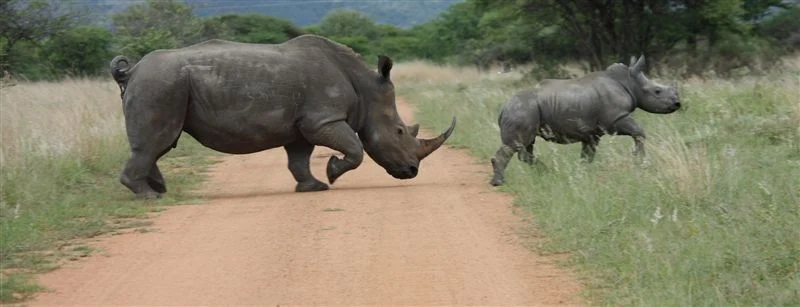
Tanzania, a land defined by its sprawling savannas, dramatic mountain peaks, and an unparalleled wealth of biodiversity, stands today as the global epicenter for sustainable travel. As the modern traveler shifts focus from traditional tourism toward "ecotourism"—a philosophy rooted in conservation, community support, and minimal environmental impact—Tanzania’s diverse safari circuits have emerged as the gold standard for responsible adventure.
Whether one is traversing the raw, rugged wilderness of the Southern Circuit or pursuing the iconic vistas of the Northern plains and Kilimanjaro’s slopes, the mandate remains the same: to witness nature without disturbing its delicate equilibrium.
The Southern Circuit: An Untapped Wilderness for the Conscious Traveler
While the Northern Circuit often dominates the global conversation regarding East African safaris, the Southern Circuit of Tanzania offers an intimate, exclusive, and profoundly ethical experience. This region is a sanctuary for those looking to escape the crowds and immerse themselves in a more authentic, primitive environment.
Key Destinations of the South
- Nyerere National Park (formerly Selous): As one of the largest protected areas in Africa, Nyerere provides a sanctuary for vast populations of elephants, lions, and the rare African wild dog. Its designation as a UNESCO World Heritage site underscores its ecological importance.
- Ruaha National Park: Known for its dramatic landscapes and high predator density, Ruaha offers a rugged, off-the-beaten-path experience that is quintessential for the true safari enthusiast.
- Mikumi National Park: Often described as a gateway to the south, Mikumi offers accessible wildlife viewing in a setting that integrates seamlessly with the surrounding miombo woodland.
- Udzungwa Mountains: This is a hiker’s paradise. Known for its high level of endemism, the Udzungwa Mountains provide an ecotourism hiking experience that focuses on biodiversity preservation and forest conservation.
- Tazara Railway: The journey itself is an attraction, offering a low-carbon, scenic transit route that connects the interior to the coast, providing travelers with a unique vantage point of Tanzania’s evolving landscapes.
For those planning their first foray into this region, a 10-day safari holiday is highly recommended. Not only does this timeframe allow for a deep dive into the ecosystem, but it is also remarkably cost-effective. Because the southern lodges are often smaller, locally operated, and less commercialized than their northern counterparts, travelers can enjoy luxury service at an economical price point, directly benefiting local economies.
The Northern Circuit: Where Iconic Landscapes Meet Sustainability
The Northern Circuit remains the heartbeat of Tanzanian tourism, yet it is currently undergoing a transformation toward deeper ecotourism integration. From the high-altitude challenges of Kilimanjaro to the legendary migrations of the Serengeti, this region offers a masterclass in wildlife management.
Strategic Ecotourism Hotspots
- Serengeti (Grumeti and Ndutu): These areas represent the pinnacle of wildlife migration. Ecotourism in these sectors is strictly managed to ensure that the delicate Serengeti ecosystem remains undisturbed by the footprint of mass tourism.
- Ngorongoro Highlands: Beyond the crater, the highlands offer trekking experiences that emphasize community-led conservation, ensuring that the indigenous Maasai populations remain central to the stewardship of the land.
- Arusha and Tarangire: These parks serve as crucial biodiversity corridors, essential for the migration of elephants and the protection of acacia woodlands.
- West Kilimanjaro (Lemosho and Shira): These routes are favored by those seeking a more tranquil and environmentally conscious approach to scaling the "Roof of Africa." By choosing these routes, trekkers contribute to a more dispersed and less intrusive impact on the mountain’s fragile alpine desert.
Expert Insight: The Role of Destination Management Companies (DMC)
The complexity of planning a responsible safari cannot be overstated. Kilimanjaro Tanzanite Safaris DMC has emerged as a leader in this space, acting as a bridge between the traveler and the environment.
Professional Advisory and Responsible Travel
A reputable DMC does more than book transport; they serve as advisors for ethical conduct. This includes:
- Optimal Timing: Advising travelers on the best seasons to visit to avoid over-stressing wildlife during sensitive breeding or water-scarce periods.
- Responsible Photography: Providing filmmakers and photographers with the logistical support required to capture content without encroaching on animal behavior.
- Advanced Equipment: Utilizing modern 4×4 Toyota Landcruisers—equipped with pop-up or open-roof configurations—ensuring that vehicles are fuel-efficient and minimize mechanical disturbances in the bush.
Chronology of Planning: A Roadmap to Your Safari
For the modern traveler, the "safari" begins long before the flight departs. Below is a structured timeline for those looking to curate a trip that balances excitement with ecological integrity.
Phase 1: Conceptualization (6–12 Months Prior)
Decide between a Northern, Southern, or "Combo" circuit. A combo package, ranging from 9 to 16 days, is the gold standard for those who wish to experience the total spectrum of Tanzania’s diverse geography.
Phase 2: Logistics and Preparation (3–6 Months Prior)
If climbing Kilimanjaro, the planning cycle must be longer. Decisions regarding the choice of route (e.g., Lemosho vs. Machame) must be made based on acclimatization needs and environmental safety standards. This is the time to review the mandatory packing list, ensuring that all gear is sustainable, reusable, and appropriate for the terrain.
Phase 3: Technical Briefing (1–2 Months Prior)
Finalize your itinerary with your DMC. Ensure that all guides are certified in ecotourism practices. If you are a photographer, coordinate with your DMC to ensure your vehicle is equipped with the necessary mounting gear and that your route is mapped to maximize sightings while maintaining a safe distance from wildlife.
Supporting Data and Technical Requirements
The shift toward sustainable travel is backed by a focus on high-quality, low-impact infrastructure.
Table 1: Key Factors for Ecotourism Safari Success
| Category | Requirement | Objective |
|---|---|---|
| Transport | New Version 4×4 Landcruiser | Minimize carbon emissions and mechanical failure |
| Accommodation | Eco-Lodges/Tented Camps | Support local community employment |
| Trekking | Acclimatization Training | Enhance safety and reduce rescue risks |
| Itinerary | 10+ Day Duration | Deeper engagement, reduced transit frequency |
Official Responses and Industry Standards
Industry experts and environmental advocates in Tanzania emphasize that the "Safari" of the future is defined by responsible stewardship. According to representatives from regional tourism boards, the goal is to decouple tourism growth from environmental degradation.
"The modern traveler is more educated than ever," says a senior consultant at Kilimanjaro Tanzanite Safaris. "They do not just want to see a lion; they want to know that their visit is helping to protect that lion’s habitat. Our role as a DMC is to ensure that the logistical reality of the trip matches that moral intent."
This philosophy has led to a tighter integration between national park authorities and private operators. Rules regarding off-road driving, waste disposal, and interaction distances are being strictly enforced, and operators who fail to comply with these ecological standards are finding it increasingly difficult to retain their licenses.
Implications for the Future of African Travel
The push toward ecotourism is not merely a trend; it is an economic necessity. The long-term viability of Tanzania’s tourism sector depends entirely on the health of its ecosystems.
Economic Implications
By choosing sustainable operators, tourists are voting with their wallets. This creates a market demand that incentivizes lodges and parks to prioritize conservation over short-term profit. When a local community sees that a thriving, living forest or a protected wildlife population provides more economic value than logging or poaching, the entire socio-economic landscape of the region shifts toward sustainability.
Environmental Implications
The use of modern, efficient fleets and the selection of trekking routes that prevent soil erosion and waste accumulation are critical. Furthermore, the emphasis on longer, more immersive trips (9 to 16 days) reduces the carbon footprint per day of the traveler, as it limits the frequency of international and domestic transit.
The Traveler’s Legacy
Ultimately, the traveler who chooses an ecotourism path in Tanzania becomes a part of the country’s conservation story. Whether it is the quiet of a sunrise in the Selous or the triumphant reach of the Uhuru Peak on Kilimanjaro, the impact of the journey is defined by what the traveler leaves behind—or rather, what they choose not to leave behind.
As you plan your next African adventure, consider the Southern Circuit for its exclusivity or the Northern Circuit for its majesty. But above all, prioritize the partnership with a destination management company that understands that the true luxury of a safari lies in its ability to endure for generations to come.
For more information on planning your journey, checking your packing list, or comparing Kilimanjaro routes, consult the official resources provided by your trusted tour operator to ensure your Tanzanian experience is as responsible as it is memorable.
 Laily UPN
  Ammar Sabilarrohman
  Basiran