

Introduction: A New Paradigm for Nature
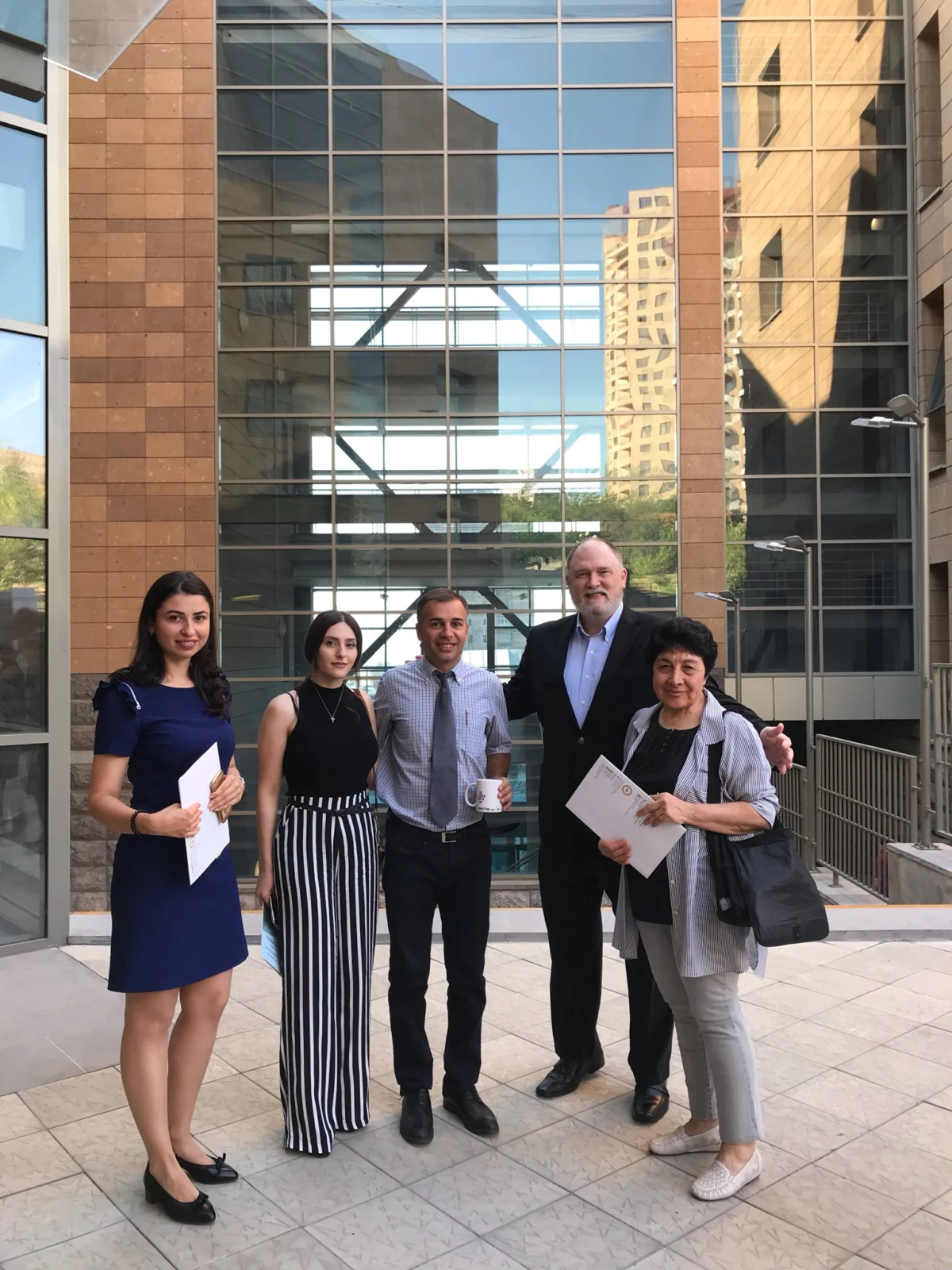
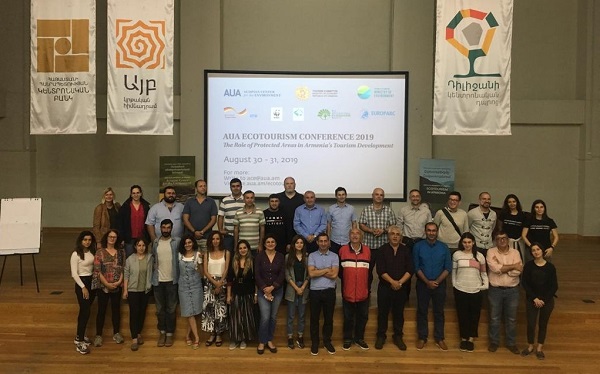
On August 30-31, the global environmental community turned its focus toward Armenia as it hosted the fourth annual AUA Ecotourism Conference. Organized by the AUA Acopian Center for the Environment, the event served as a high-level summit bringing together policymakers, international conservationists, and local stakeholders. By fostering a partnership between the Ministry of Economy’s Tourism Committee, the Ministry of Environment, WWF Armenia, and the International Ecotourism Society (TIES), the conference sought to redefine the relationship between Armenia’s protected areas and its burgeoning tourism sector.
As the global travel industry experiences a seismic shift toward conscious consumption, this conference provided a roadmap for how nations can leverage their natural heritage to drive economic growth without sacrificing ecological integrity.
The Chronology of the Summit
The two-day conference was structured to bridge the gap between abstract policy and ground-level implementation.
Day One: Economic Foundations and Global Trends
The opening sessions established the economic imperative of conservation. International experts from the International Union for Conservation of Nature (IUCN) and TIES presented data demonstrating that protected areas are not merely "expenses" on a government ledger but engines of regional development. The day concluded with deep dives into the shifting demographics of global travelers—specifically the rise of the "conscious traveler"—and the urgent need for infrastructure that supports sustainable visitor experiences.
Day Two: Networking, Standards, and Field Implementation
The second day focused on the technical frameworks required for sustainable management. The EUROPARC Federation took center stage, outlining the European Charter for Sustainable Tourism in Protected Areas. Following these technical discussions, the conference transitioned to practical application. Participants engaged in site visits to the Dilijan Tourism Information Center, the Dilijan National Park Visitor Center, and the Caucasian Red Deer Reintroduction Center. These visits allowed delegates to observe the successes and existing infrastructure gaps in one of Armenia’s premier protected zones.
The Economic Argument: Shifting the Narrative
One of the most compelling narratives to emerge from the conference was the "economic myth" of conservation. Dr. Thiago Souza, a representative of the IUCN Commission on Protected Areas’ Tourism Specialists Group, provided a sobering critique of how governments currently value nature.
The Accounting Trap
Dr. Souza argued that most officials make the mistake of viewing protected areas through a narrow, traditional accounting lens. They tally the budget allocated to the park against the direct revenue generated by entrance fees. In this model, many parks appear to be fiscal liabilities. "In Brazil, for instance, budgets can be 9 times greater than fees collected," Dr. Souza noted. By this metric, the natural world is a drain on public resources.
The Multiplier Effect
However, the narrative changes entirely when an "economic analysis" is applied. By accounting for visitor spending in local hotels, restaurants, transportation, and the resulting tax revenues, the return on investment (ROI) becomes clear. Dr. Souza shared staggering figures: for every dollar spent on a protected area, the national economy gains roughly 15 dollars. Even in more mature European markets, the return is consistently 7 to 10 euros for every euro invested.
Global data supports this trend. A landmark 2015 study by Balmford et al. revealed that protected areas worldwide receive roughly 8 billion visits annually, generating approximately US $600 billion in direct, in-country expenditure. For a nation like Armenia, which is actively seeking to diversify its economy, these statistics suggest that nature is not just a destination—it is a critical economic asset.
The Growing Market of Conscious Travel
Jon Bruno, Executive Director of The International Ecotourism Society (TIES), contextualized the movement within the global history of the industry. "Over 90 nations now have an ecotourism or sustainable tourism initiative," Bruno noted. "This has happened in the last 30 years; there is no other form of tourism that has become so fundamental to the global economy so quickly."
The "Under-30" Demographic
The conference highlighted a critical demographic shift: the rise of the millennial and Gen-Z traveler. According to market data, 70% of people under the age of 30 prioritize sustainable travel. These travelers are not only more aware of the environmental impact of their trips but are demonstrably more willing to pay a premium for certified sustainable experiences.
For Armenia, this presents a unique opportunity. By positioning itself as a leader in ecotourism, the country can tap into a high-value market segment that seeks authenticity, conservation, and community engagement. As Mr. Bruno emphasized, "Ecotourism provides the strongest community revenue and the best return on investment."
Institutional Frameworks: The Need for Standards
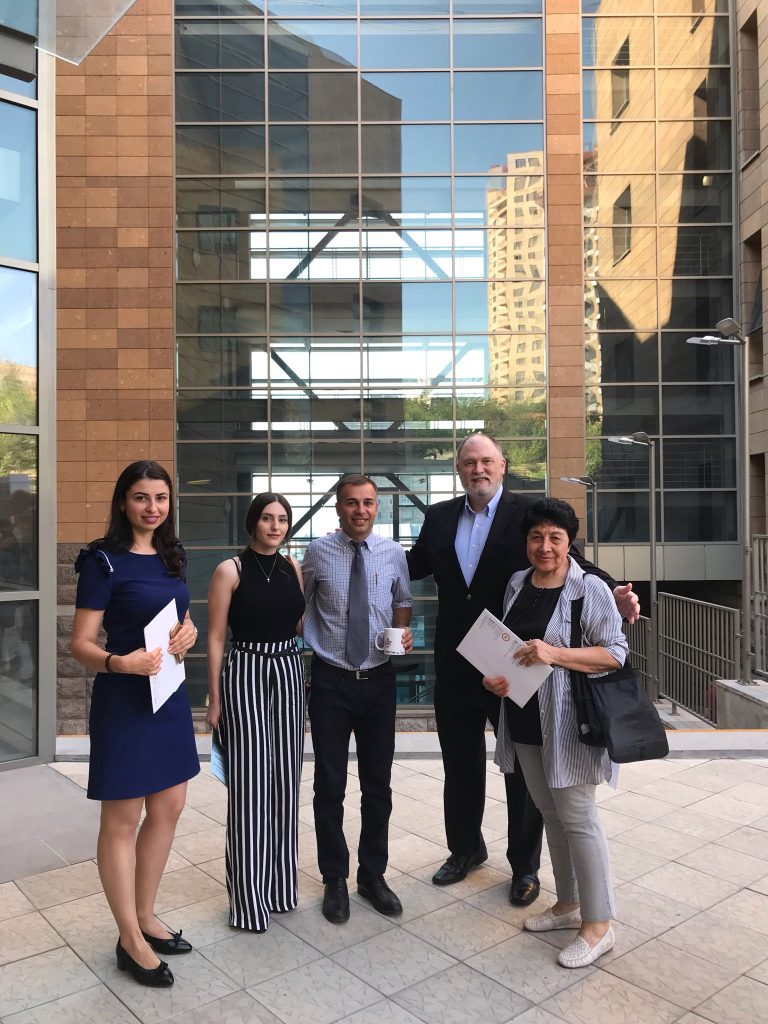
While the economic potential is immense, success is not guaranteed without rigid standards and cooperation. Carol Richie and Paulo Castro of the EUROPARC Federation provided a masterclass in how to manage this growth.
The European Charter for Sustainable Tourism
The EUROPARC Federation, which counts over 380 members across 37 countries, advocates for a structured approach to management. Their "European Charter for Sustainable Tourism in Protected Areas" is the gold standard for balancing development and protection.
Ms. Richie issued a stark warning to those who would rush to develop tourism without a plan: "Poorly managed tourism allows societal tensions to persist, weakens local communities’ connection to their heritage, and does irreparable damage to nature."
The Long-Term Commitment
Mr. Castro detailed the arduous but necessary process of becoming a chartered sustainable tourism area. It is not an overnight certification. It requires:
- Multi-Stakeholder Forums: Creating a permanent space where local citizens, businesses, and government officials can coordinate.
- Coordinated Governance: Ensuring that environmental ministries and tourism committees are speaking the same language.
- Local Resource Integration: Developing tourism products that are explicitly based on local culture and resources, ensuring the economic benefits remain within the host community.
Official Responses and Strategic Implications
The Armenian Ministry of Environment deemed the conference a resounding success, citing the high level of engagement from international bodies. The strategic implications for Armenia are profound.
A Path Forward for Armenia
The government is already in the early stages of drafting a growth strategy that integrates these global best practices into the local context. The goal is to move beyond "general tourism" and toward a model that is deeply rooted in:
- Community Engagement: Ensuring local populations are the primary beneficiaries of ecotourism.
- Infrastructure Investment: Using the 1:15 ROI logic to justify public spending on sustainable park infrastructure.
- International Networking: Leveraging potential membership in the EUROPARC Federation to gain access to global expertise and standardized accreditation.
Conclusion: Nature as the Foundation
The fourth annual AUA Ecotourism Conference succeeded in shifting the conversation in Armenia from "conservation versus development" to "conservation as development." By embracing the data-driven approach offered by the IUCN, the market awareness brought by TIES, and the management standards provided by the EUROPARC Federation, Armenia is well-positioned to become a regional leader in sustainable travel.
The success of this initiative will ultimately depend on the long-term commitment of the state to maintain these standards. As the world continues to look for models of sustainable growth, Armenia’s protected areas may well become the country’s most valuable economic engine, proving that when you protect the environment, you ultimately protect the economy as well.
The International Ecotourism Society continues to work globally to standardize and promote sustainable travel. For organizations looking to co-organize workshops or seminars on sustainable development, inquiries can be directed to the TIES office.
 Laily UPN
  Ammar Sabilarrohman
  Basiran