

By [Your Name/Journalistic Desk]
Based on insights from Naturalist and Conservationist William E. Simpson II
In an era defined by rapid technological acceleration and the relentless demands of modern urban living, humanity finds itself at a critical crossroads. As the digital sphere expands, the physical space between human beings and the natural world has widened, creating an "abyss of understanding" that threatens our long-term environmental health. According to William E. Simpson II, a noted naturalist, author, and conservationist, this disassociation from nature is not merely a lifestyle shift—it is a foundational crisis that necessitates a paradigm shift in how we interact with the Earth.
The solution, Simpson argues, lies not in digital documentaries or high-definition screens, but in the tactile, immersive power of ecotourism. By returning to the wild, humanity can cultivate a sense of stewardship born from experience rather than observation.
The Sensory Imperative: Why Immersion Matters
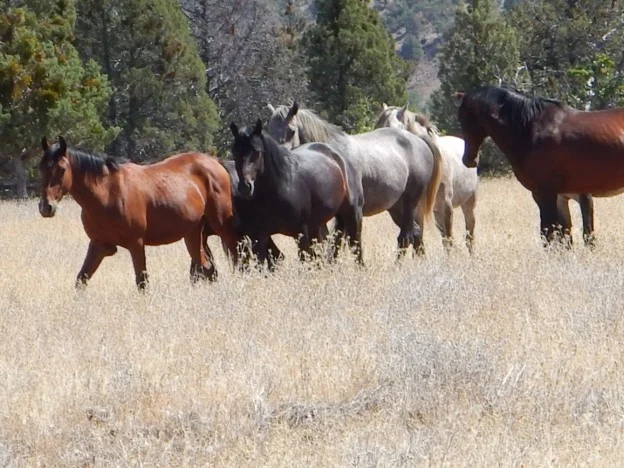
While modern society has grown accustomed to learning about nature through curated media, there is an inherent limitation to such platforms. The smell of a rain-drenched pine forest, the resonant cry of eagles circling above a mountain pass, or the sight of a wild stallion standing sentinel over his band—these are sensory experiences that trigger a biological and emotional connection that no screen can replicate.
Ecotourism serves as the bridge over this widening abyss. It is defined as a purposeful travel to natural areas to understand the cultural and natural history of the environment. Unlike traditional tourism, which often prioritizes leisure at the expense of the destination, ecotourism emphasizes "educational communion." By facilitating firsthand experiences, these programs provide a level of fulfillment that encourages travelers to adopt a more compassionate stance toward the environment. When an individual witnesses the fragility of an ecosystem firsthand, they are far more likely to advocate for its preservation.
The Economics of Rewilding: A Case Study in Wild Horses
One of the most compelling arguments for integrating ecotourism into national land management policy involves the "rewilding" of America’s wild horses. Currently, the management of wild horses—often treated as a nuisance to livestock production—is a significant financial burden on the Bureau of Land Management (BLM).
The Chronology of Conflict and Potential
- The Conflict Era: For decades, the presence of wild horses on federal land has been a flashpoint of contention between environmentalists and livestock operators. The traditional management response has been the rounding up and holding of thousands of horses in taxpayer-funded facilities.
- The Economic Strain: The cost of maintaining these horses in captivity has ballooned, costing the American taxpayer nearly $100 million annually.
- The Emerging Paradigm: Conservationists like Simpson propose a transition from removal to "appropriate rewilding." By relocating horses to ecologically and economically appropriate wilderness areas, the government could cease the exorbitant costs of captive maintenance while stimulating local economies.
Data from regions such as Moffat County, Colorado, suggests that wild horse populations act as a significant draw for tourists. When managed effectively, these animals transition from being viewed as "competitors" to being viewed as "economic assets." The presence of wild horses increases regional tourism revenue, creating a self-sustaining cycle where the animals themselves help fund the lands they inhabit.
Supporting Data: Ecological Benefits and Fire Mitigation
The argument for rewilding is not merely economic; it is deeply ecological. One of the most critical, yet often overlooked, benefits of wild horse populations in sensitive areas is their role in wildfire mitigation.
Wild horses are natural grazers that consume vast quantities of dry grass and brush—the very "fuel" that feeds catastrophic wildfires. As climate change increases the frequency and intensity of forest and range fires, the ecological function of wild horses as fuel-reduction agents has become increasingly valuable.
- Fuel Load Reduction: Grazing patterns of wild horses break up the continuity of flammable vegetation.
- Biodiversity: By managing invasive grasses, they can create space for native flora to thrive, fostering a healthier, more resilient landscape.
- Cost-Benefit Analysis: Compared to the millions spent on wildfire suppression, the "management" of these horses through rewilding is a highly cost-effective strategy for disaster prevention.
The Intersection of Culture and Nature
The fascination with horses is deeply embedded in the American psyche, a fact frequently exploited by the film and entertainment industry. From legendary feature films to high-budget documentaries, the wild horse has long served as an icon of American freedom and frontier spirit.
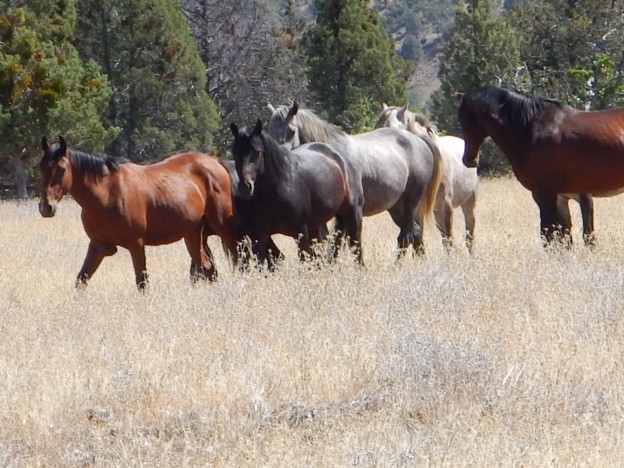
This cultural capital is a powerful, yet underutilized, tool. By aligning the public’s inherent fascination with horses with formal ecotourism programs, policymakers can harness a potent demographic of travelers. When the public views these animals in their natural habitat, the "conflict" narrative—often driven by misinformation—dissipates, replaced by an appreciation for the animal’s role in the ecosystem.
Official Responses and Policy Implications
The International Ecotourism Society (TIES) and various conservationist bodies have consistently lobbied for the implementation of sustainable tourism frameworks that prioritize local ecological health. However, systemic change remains slow.
Current policy hurdles include:
- Institutional Inertia: Government agencies like the BLM are often structurally designed to prioritize extractive industries (grazing, mining, logging) over conservation-based economies like ecotourism.
- Regulatory Rigidities: Existing grazing rights and land-use designations often exclude the possibility of rewilding, requiring significant legislative updates.
Despite these hurdles, the implication for the future is clear: we must pivot toward a model of "intelligent natural resource management." This involves looking at the land not just as a commodity to be harvested, but as a dynamic, living system that provides services—such as tourism, carbon sequestration, and fire protection—that are far more valuable than short-term industrial gains.
Moving Toward a Holistic Stewardship
The path forward, as outlined by experts, is a three-pronged approach:
- Education through Immersion: Encouraging ecotourism as a standard of travel, moving away from passive consumption toward active participation.
- Economic Realignment: Shifting federal funding from the maintenance of captive, conflict-prone populations toward the facilitation of healthy, wild-roaming ecosystems.
- Ecological Integrity: Recognizing that species like wild horses are not just symbols, but active participants in maintaining the health of the American wilderness.
As we look toward the mid-21st century, the health of our planet will depend on our ability to reintegrate with the natural world. Ecotourism is more than just a vacation; it is a vital practice in the restoration of our empathy for the environment. By fostering a deeper understanding of the wild, we cultivate the stewardship necessary to ensure that these natural wonders—the babbling mountain streams, the circling eagles, and the wild stallions—remain for generations to come.
For those interested in exploring the practical applications of these ideas, resources from organizations like The International Ecotourism Society and specialized advocates like William E. Simpson II provide a roadmap for how individuals can influence policy and support local conservation efforts.
The abyss between man and nature can be bridged. It requires only the willingness to step out of the modern rush, breathe the air of the wild, and recognize our place within the delicate, breathtaking tapestry of the natural world.
For more information on the intersection of wild horse conservation and wildfire mitigation, visit www.WHFB.us. To learn more about global ecotourism standards, visit www.ecotourism.org.
 Ammar Sabilarrohman
  Basiran
  Lina Hope