While Seattle is globally renowned for its pioneering coffee culture, tech conglomerates, and the iconic silhouette of the Space Needle, the Pacific Northwest seaport also commands a vital role in the global maritime travel industry. As the premier departure gateway for voyages bound for the pristine, rugged coastlines of Alaska, the Port of Seattle handles hundreds of thousands of eager vacationers every year.
Whether you are stepping off a cross-country flight for an unforgettable northern expedition or embarking on an entirely different maritime itinerary, familiarizing yourself with Seattle’s nautical infrastructure is essential. The port operates two distinct, highly active cruise ship terminals: the Bell Street Cruise Terminal at Pier 66 and the Smith Cove Cruise Terminal at Pier 91. Because these facilities are separated by several miles of bustling urban terrain, verifying your specific departure pier ahead of time is the single most important step in avoiding pre-cruise panic.
Main Facts: Seattle’s Dual Cruise Terminals
Understanding the layout of Seattle’s maritime infrastructure begins with identifying the two distinct hubs: Pier 66 and Pier 91. Each terminal serves a unique roster of major cruise lines, possesses distinct architectural features, and offers differing proximity to the city’s downtown core.
Smith Cove Cruise Terminal at Pier 91
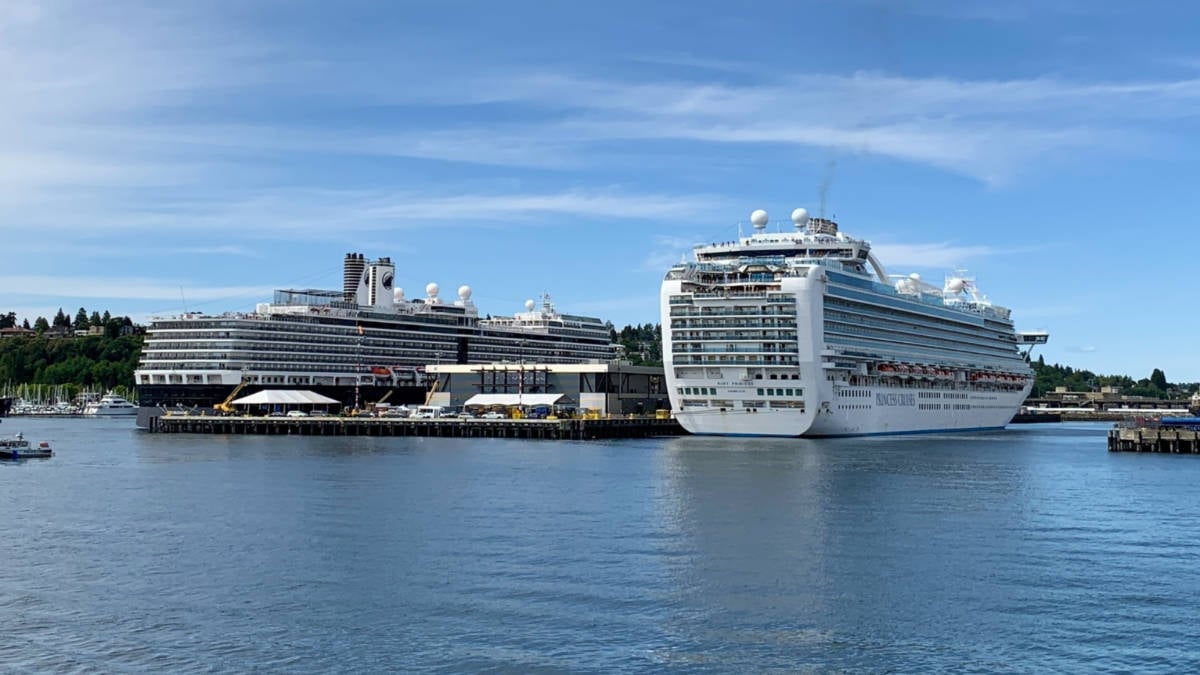
Positioned at the northern end of Seattle’s working waterfront near the historic Magnolia neighborhood, Pier 91 serves as the port’s primary high-capacity cruise hub. Located roughly three miles north of downtown, the facility currently accommodates industry heavyweights, including Carnival Cruise Line, Celebrity Cruises, Holland America Line, Princess Cruises, Royal Caribbean, and Virgin Voyages across its two berths.
Bell Street Pier Cruise Terminal at Pier 66
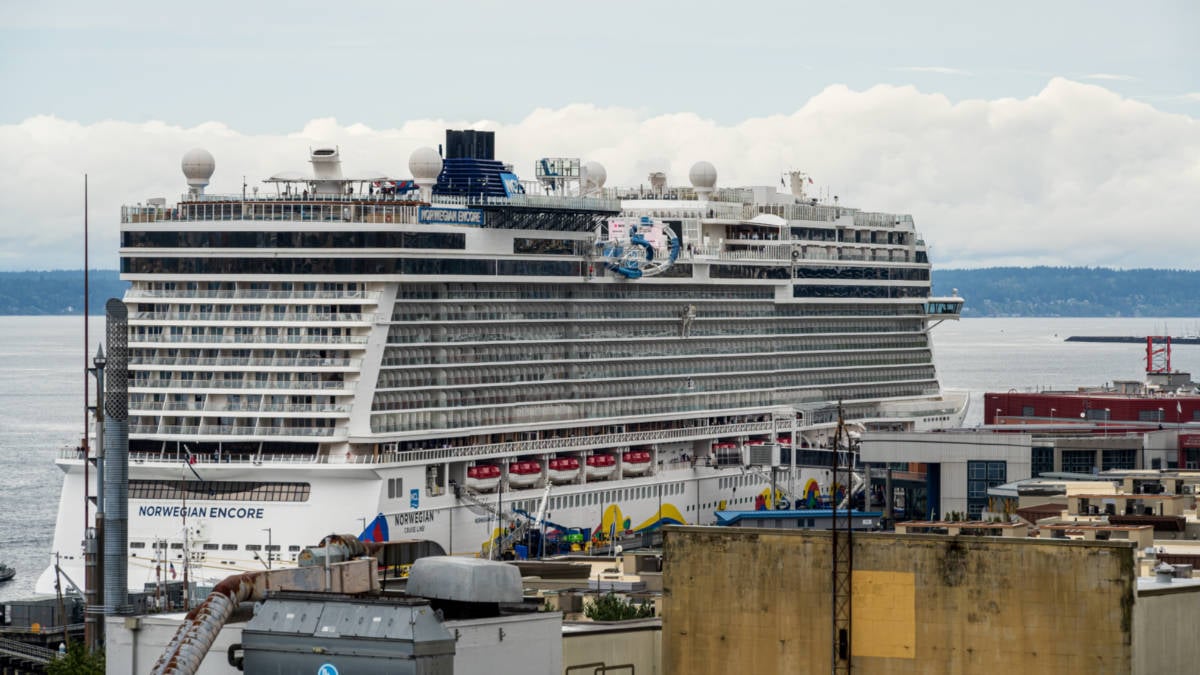
Located directly in the heart of downtown Seattle’s vibrant waterfront district, Pier 66 is part of an expansive 11-acre complex situated mere minutes from Pike Place Market, the Seattle Aquarium, and the downtown commercial core. Capable of simultaneously hosting two vessels, this terminal primarily caters to Norwegian Cruise Line and select other operators utilizing smaller-scale luxury or regional ships.
Chronology and Historical Context: Gateway to the Last Frontier
The deep-rooted relationship between the Port of Seattle and the Alaska cruise market spans a quarter-century of remarkable growth and infrastructure development.
Late 20th Century: Recognizing the booming demand for Pacific Northwest and Alaskan itineraries, regional planners sought to establish Seattle as a primary competitive alternative to Vancouver, British Columbia, and San Francisco.
The Turn of the Millennium: Pier 66 and Pier 91 were systematically modernized and developed into dedicated, state-of-the-art cruise facilities designed to handle massive turnarounds of passengers and luggage efficiently.
2023 Season: The Port of Seattle achieved a historic milestone, with a staggering 251 cruise ships successfully departing from its terminals toward the glacial waters of Alaska.
Present Day: Industry forecasts reflect continued upward trajectories, with port authorities projecting at least 275 cruise departures this year alone. Without Seattle’s robust maritime framework, the North American Alaskan cruise sector would face severe capacity bottlenecks.
Supporting Data: Logistics, Distances, and Port Specifications
For travelers organizing their transit from the Seattle-Tacoma International Airport (Sea-Tac)—located approximately 15 miles south of downtown—understanding travel times and terminal specifics ensures a seamless transition from air to sea.
Distance and Commute Times from Sea-Tac Airport
To Bell Street Pier Cruise Terminal (Pier 66): Located roughly 14.1 miles from the airport, the average drive time is approximately 25 minutes under optimal traffic conditions.
To Smith Cove Cruise Terminal (Pier 91): Situated about 19 miles from the airport, the journey typically takes between 30 and 35 minutes.
Note: Travelers must factor in local traffic congestion. Commuting during weekday rush hours (6:00 AM to 9:00 AM and 4:00 PM to 6:00 PM) can drastically inflate travel times, introducing unnecessary stress into your embarkation day.
Terminal Comparison at a Glance
Feature
Pier 66 (Bell Street)
Pier 91 (Smith Cove)
Address
2225 Alaskan Way S., Seattle, WA 98121
2001 W. Garfield St., Seattle, WA 98119
Primary Lines
Norwegian Cruise Line, select regional ships
Carnival, Celebrity, Holland America, Princess, Royal Caribbean, Virgin Voyages
Parking Rate
$23 per day (Covered, sky-bridge access)
$29 per day (Open-air, complimentary shuttle)
Check-in Layout
General desk + separate VIP/Suite lane
Single general check-in desk for all guests
Luggage Storage
Available (Must reclaim by 3:30 PM)
Available (Secure pre- and post-cruise)
Official Responses and Passenger Services
Port of Seattle authorities, alongside partnering municipal agencies and cruise operators, maintain strict operational guidelines to guarantee passenger safety, accessibility, and efficient baggage handling.
Ground Transportation and Accessibility
Official port communications emphasize that multiple transport options link Sea-Tac Airport directly to both piers. Budget-conscious travelers frequently utilize low-cost shuttle services featuring clearly marked zones. Alternatively, city-regulated taxis offer reliable flat-rate fares, while rideshare giants like Uber and Lyft maintain heavy operational presences throughout the corridor—though travelers are cautioned to monitor dynamic surge pricing during peak hours.
Accessibility remains a cornerstone of terminal design. Both Pier 66 and Pier 91 incorporate extensive wheelchair ramps, wide automatic doors, and modern, accessible restrooms.
“We strongly advise any passengers requiring specialized mobility assistance—such as designated wheelchairs or dedicated attendants—to coordinate directly with their respective cruise lines well in advance of sail date,” notes a Port of Seattle passenger operations advisory.
Luggage and Porters
Licensed porters, easily identifiable by their signature red caps, are stationed at curbside drop-off zones to assist with heavy bags. Both terminals provide secure baggage storage options for travelers arriving early or experiencing lengthy gaps between disembarkation and evening flights out of Sea-Tac.
Implications for Travelers: Making the Most of Your Stopover
Because Seattle is a premier tourist destination in its own right, a vast percentage of cruisers elect to extend their vacations by spending a few days exploring the Pacific Northwest before or after their maritime voyage.
Exploring the Emerald City
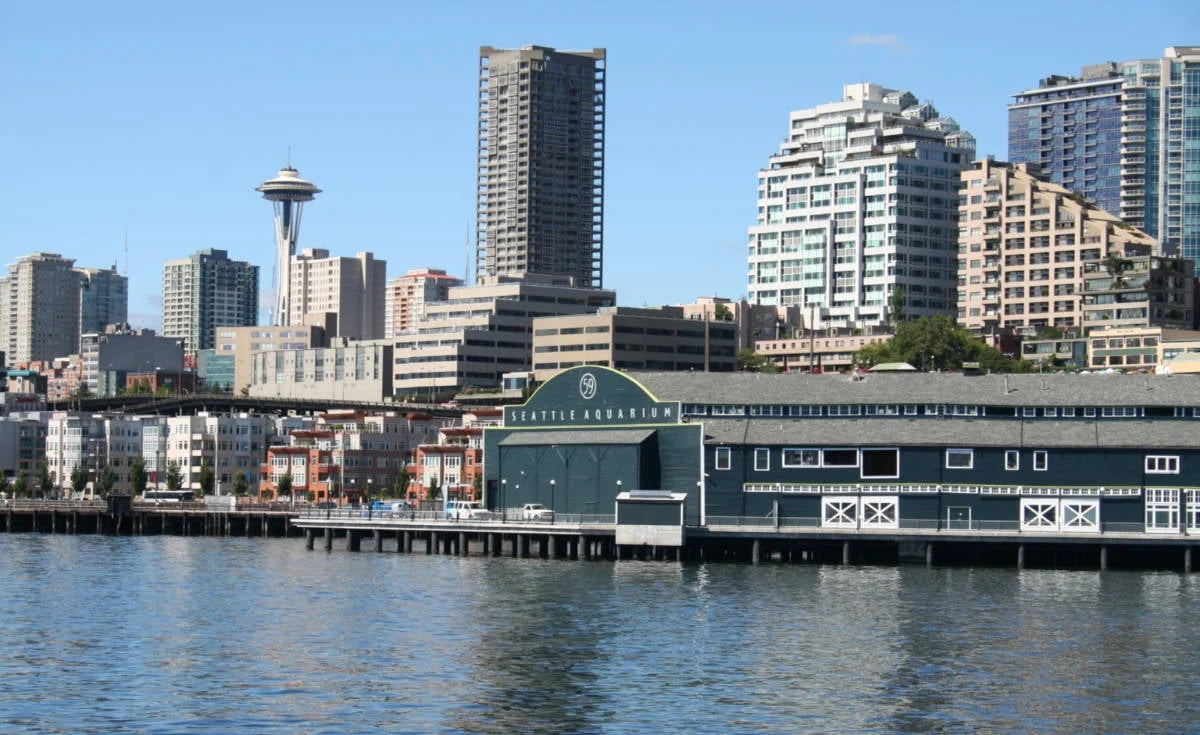
Downtown and Waterfront Landmarks: A short distance from Pier 66 lies the dynamic downtown corridor. Visitors can ascend the iconic Space Needle for panoramic 360-degree views of Puget Sound or ride the Seattle Great Wheel along the central waterfront.
The Seattle Aquarium: Located conveniently at Pier 59—roughly half a mile from Pier 66—the aquarium offers an immersive look at the rich marine biodiversity native to Washington State’s coastal waters, making it an ideal pre-cruise excursion for families.
Pike Place Market: Operating continuously for over a century, this legendary open-air market serves as the cultural heartbeat of downtown Seattle. Situated just steps from the central waterfront, it offers an array of artisanal foods, fresh flowers, and local crafts that capture the eclectic spirit of the city.
Practical Pre-Cruise Checklist
Confirm Your Pier: Double-check your cruise documents to verify whether your ship departs from Pier 66 or Pier 91.
Pre-Book Parking: If you are driving to the port, reserve your garage or lot space online ahead of time to secure daily rates and guarantee availability.
Build a Buffer: Always budget extra travel time into your itinerary to account for unpredictable Pacific Northwest traffic, especially when transiting from the airport during traditional peak commuting hours.
By taking a proactive approach to your transit and accommodations, your journey through Seattle’s world-class maritime terminals will serve as a relaxing, stress-free prelude to the adventure waiting on the open sea.





 Siti Muinah
  Jia Lissa
  Asep Darmawan