

For decades, the world of drone cinematography was defined by a single, rigid pursuit: the perfect gimbal shot. Whether you were a professional filmmaker or a hobbyist traveler, the mantra was always the same—keep the camera level, keep the horizon straight, and don’t let the drone shake. But what if you could abandon the mechanical limitations of the gimbal entirely?
Enter the Antigravity A1, a device that has sent shockwaves through the consumer tech space since its debut in late 2025. By shifting the paradigm from "filming" to "capturing," the A1 has effectively rendered the traditional gimbal-mounted camera obsolete for a vast segment of creators. It is not merely a drone; it is a 360-degree sensory recorder that allows for a "fly now, frame later" workflow, fundamentally altering the way we document our travels.
The Core Innovation: Redefining Aerial Perspective
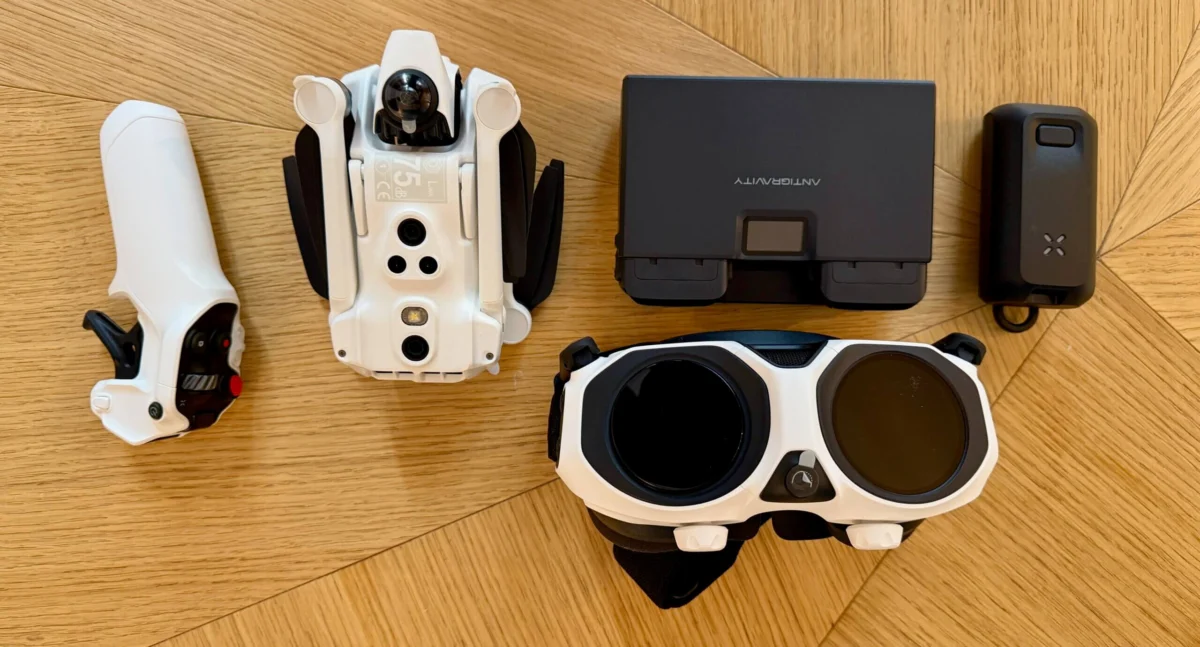
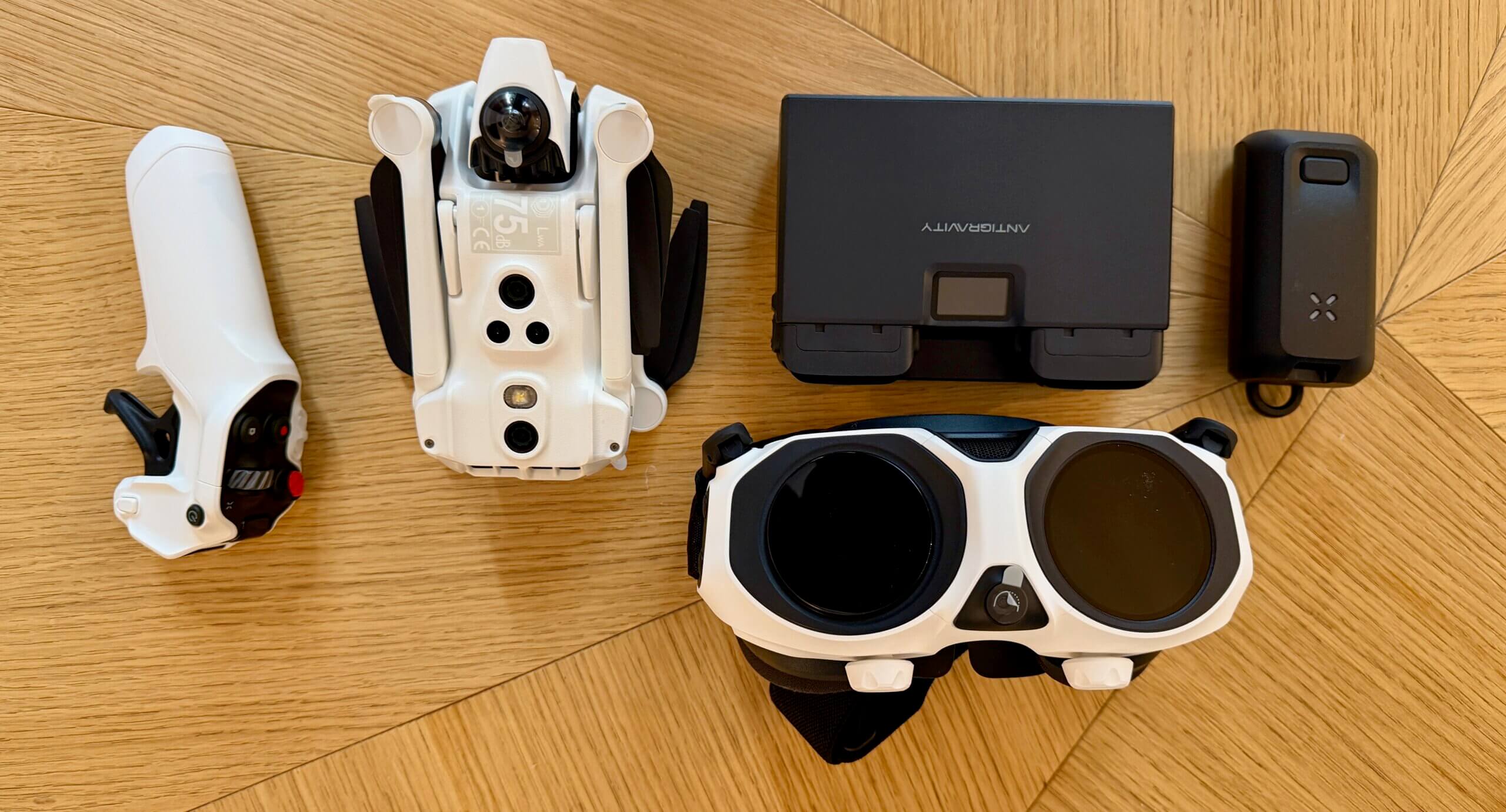
The brilliance of the Antigravity A1 lies in its dual-lens, 360-degree capture system. While standard drones rely on a forward-facing camera, the A1 utilizes two ultra-wide-angle lenses positioned on the top and bottom of the central fuselage. Each lens captures a 200-degree field of view, creating a seamless, overlapping sphere of data.
The "Invisible" Drone
One of the most striking features of the A1 is its post-processing magic. In the final exported footage, the drone itself is digitally "masked out" or removed by the software. The result is an uncanny, cinematic experience: a camera that appears to be floating in mid-air with absolutely no visible means of support. This offers creators a perspective previously reserved for high-budget productions using complex cable-cam rigs.
Sensor Technology and Dynamic Range
At the heart of the A1 are dual 1/1.28-inch CMOS sensors. While purists might point to the 1-inch sensors found in some professional-grade drones, the A1’s sensors are significantly larger than those in typical 360-degree action cameras. This technical choice provides superior low-light performance and a higher dynamic range, allowing the drone to capture intricate details in the highlights and shadows that would typically be lost under the harsh contrast of a midday sun.
Chronology of Development: From Concept to Consumer
The journey of the A1 began as a response to the "framing anxiety" inherent in drone piloting.
- Early 2024: Antigravity Tech began prototyping a "spherical flight platform," focusing on minimizing the blind spots created by traditional drone frames.
- Mid-2025: The company finalized the "FlowState" stabilization algorithm, which proved capable of compensating for high-wind turbulence in real-time.
- Late 2025 (The Launch): The A1 officially hit the market, marketed as the first "Director’s Drone."
- Early 2026: Widespread adoption among travel vloggers and extreme sports enthusiasts began, with users praising the "Turtle Mode" and the AI-driven "Auto-Frame" editing suite.
Supporting Data: Efficiency and Regulation
A critical factor in the A1’s success is its weight-conscious engineering. Most civil aviation authorities impose strict registration and operational rules for drones weighing 250 grams or more.
The 249-Gram Threshold
Antigravity strategically designed the A1 to weigh exactly 249 grams with its standard battery. By staying just under this regulatory "red line," the A1 remains exempt from many of the cumbersome commercial drone regulations in jurisdictions like the United States, Canada, and much of the European Union. This makes it an ideal companion for the nomadic traveler who wants to avoid the red tape of international drone registration.
Durability and Build
The drone is constructed from high-grade carbon-fiber-reinforced polymer. Compared to the ABS plastic commonly used in entry-level drones, this material offers a superior strength-to-weight ratio. The folding mechanism—which reduces the drone to the footprint of a large smartphone—is built for longevity, passing rigorous stress tests involving over 10,000 fold/unfold cycles.
The Flight Experience: Immersive Control
The A1 experience is defined by two primary interfaces: the Vision Goggles and the Motion Controller.
The Vision Goggles
The goggles are equipped with dual 4K micro-OLED displays, boasting a 120Hz refresh rate. The integration of head-tracking is the true game-changer. Because the drone is capturing the entire sphere, the pilot isn’t tethered to a fixed forward view. Turning one’s head in the goggles pans the perspective, providing a sense of spatial awareness and "presence" that traditional drones cannot emulate. It is, for all intents and purposes, a virtual reality flight experience.
Intuitive Motion Controls
The single-handed motion controller simplifies the act of flying. By tilting the wrist to bank and pulling a trigger to accelerate, the barrier to entry for novice pilots is significantly lowered. While professional FPV (First-Person View) pilots can still opt for a traditional "Mode 2" stick controller, the fluid nature of the motion controller has quickly become the preferred method for most users.
Official Responses and Industry Implications
The release of the A1 has forced established drone manufacturers to reconsider their product roadmaps. Industry analysts suggest that the "360-degree capture" segment is the fastest-growing niche in the drone market.
"The industry has been obsessed with megapixels and zoom lenses," says tech analyst Marcus Thorne. "Antigravity pivoted the conversation toward utility and storytelling. They realized that for a traveler, the best shot is the one you don’t miss because you were too busy adjusting your gimbal."
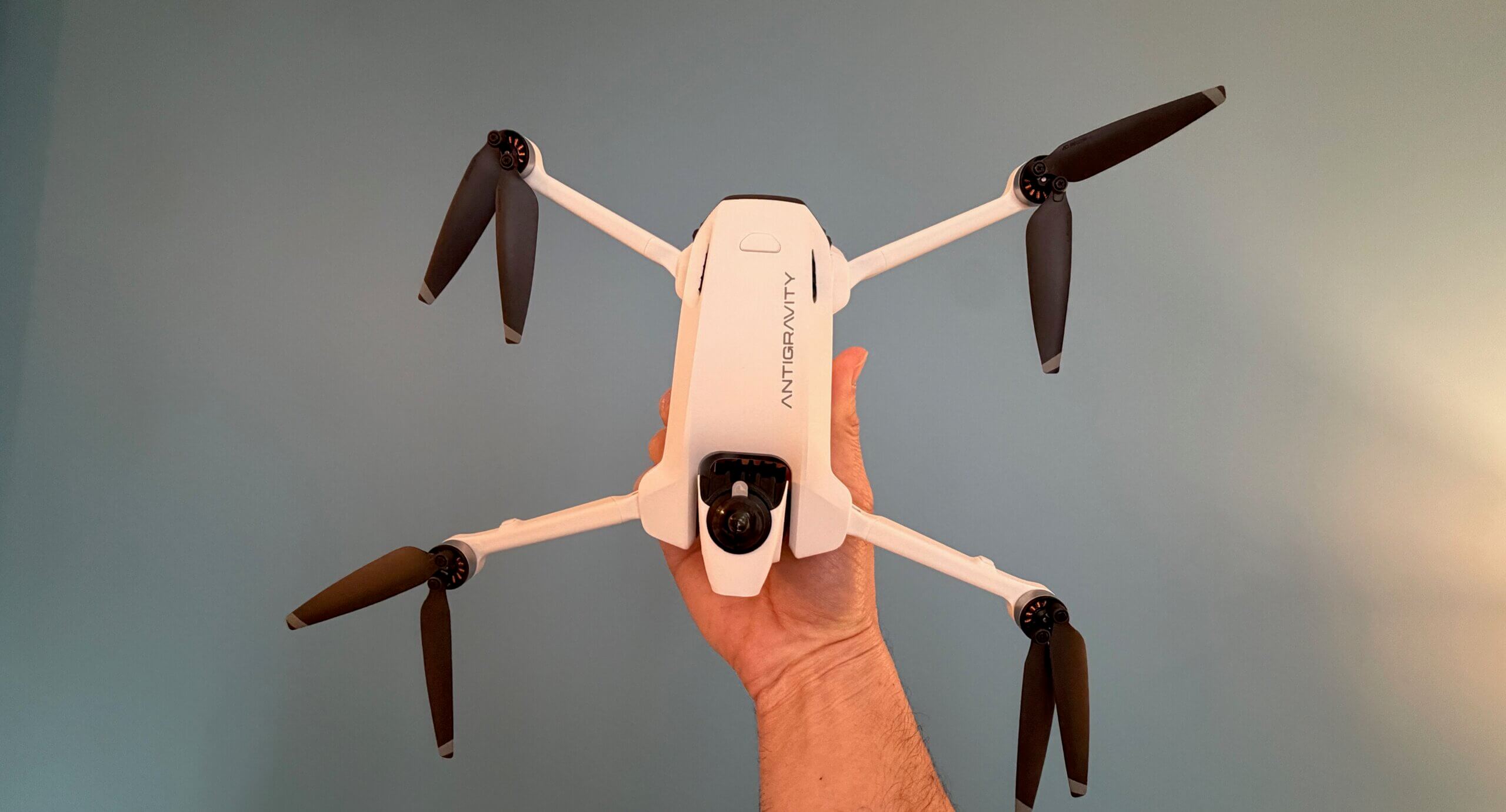
However, there are concerns. The delicate nature of the dual-lens system remains a point of critique. Critics argue that because the lenses are exposed on both the top and bottom of the fuselage, the drone is more susceptible to damage during a rough landing. Antigravity has responded by offering a robust "Care+ Protection Plan" and suggesting the use of proprietary lens guards, though they admit these can slightly impact image clarity.
Practical Application: The "Work Per Minute" Metric
Perhaps the most compelling argument for the A1 is its efficiency. In traditional drone photography, capturing a single scene from multiple angles requires multiple flight passes, draining battery life and consuming valuable time.
With the A1, the pilot captures everything. During post-production in the "Antigravity Studio" app, the creator can "reframe" the footage, effectively creating multiple camera angles from a single flight. This dramatically increases the "work per minute" of every flight, turning a 20-minute battery cycle into an hour’s worth of editing material.
Battery Performance
The standard Intelligent Flight Battery provides roughly 19 to 20 minutes of real-world flight time. While this may seem modest, it is sufficient given the drone’s high-density data capture. For those requiring longer endurance, the "Pro Battery" provides up to 39 minutes, though at the cost of exceeding the 250-gram regulatory limit, necessitating registration in most regions.
Conclusion: A New Frontier for Creators
The Antigravity A1 is more than a gadget; it is a creative liberation. By bridging the gap between immersive 360-degree VR and traditional cinematic storytelling, it allows pilots to focus on the narrative rather than the technicalities of flight.
While it may not replace high-end cinema drones for feature-length film sets, for the modern traveler, the influencer, and the adventurer, the A1 is an essential tool. It asks the pilot to stop worrying about what is in front of the drone and start thinking about the world around them. As we look toward the future of aerial photography, one thing is clear: the gimbal-less, 360-degree era has arrived, and it is here to stay.
 Pevita Pearce
  Neng Nana