

In an era defined by the "Instagrammable" moment, modern travel has increasingly become an extractive process. We arrive, we photograph, we consume, and we depart. This cycle of passive tourism—relying on guidebook recommendations, hitting the same crowded landmarks, and hovering on the periphery of local culture—often leaves travelers with little more than a camera roll and a superficial understanding of their destination. Even the long-term traveler, who prides themselves on "not being a tourist," often falls into the same trap, albeit at a slower, more budget-conscious pace.
However, a significant shift is occurring in the way we traverse the globe. Travelers are increasingly seeking "depth"—a desire to be embedded in a place rather than merely passing through it. This evolution moves beyond the transient nature of a vacation and into the territory of genuine, long-term cultural immersion.
The Evolution of the Travel Experience
For decades, the aspirational ideal of long-term travel was the "digital nomad." The promise was seductive: work remotely, earn a robust currency, and live in a low-cost destination. Yet, as the model matured, its limitations became clear. It requires a specific set of professional skills, a high level of career stability, and a remote-friendly income—privileges that the majority of younger travelers simply do not possess.
The emerging alternative is the "working holiday" model. Unlike the digital nomad, who often floats above the local economy, the working holiday maker integrates into it. By securing employment upon arrival, these travelers establish a routine, build relationships with local coworkers, and gain a grounded, authentic perspective of a foreign country. They aren’t just visiting; they are living.
The Logistics of Immersion: A Structural Framework
The primary barrier to deep, long-term travel has always been the sheer logistical burden: securing work visas, navigating complex local labor markets, finding safe housing, and overcoming language or cultural barriers. For many, these hurdles turn a dream of living abroad into a cycle of procrastination.
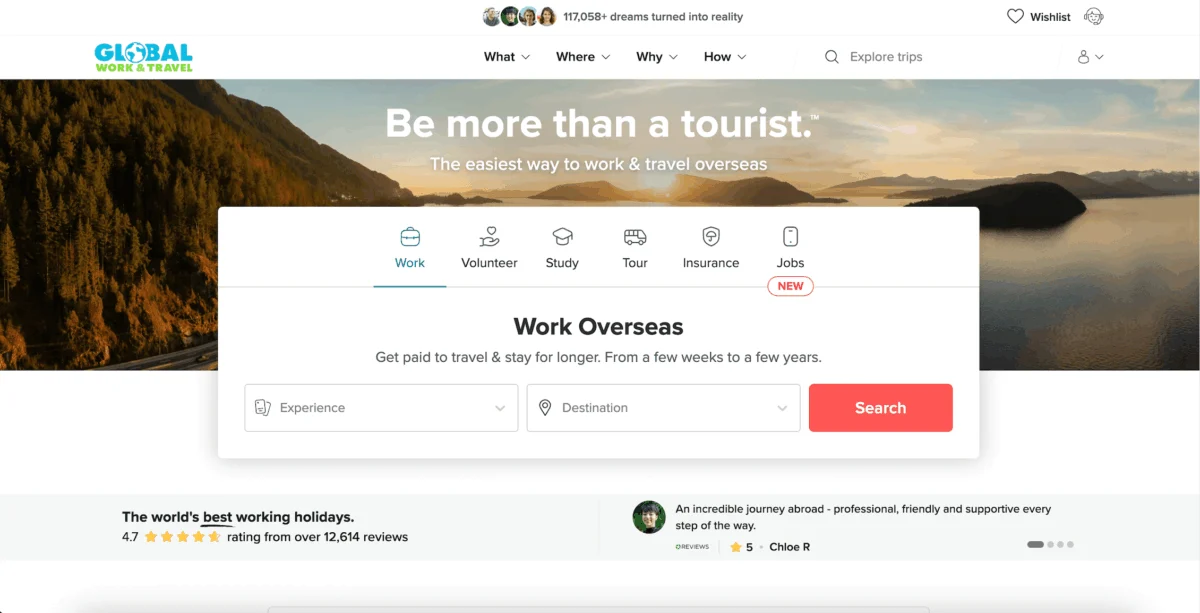
Organizations like Global Work & Travel have emerged to provide the necessary scaffolding for this transition. With nearly two decades of experience and a track record of placing over 116,000 individuals, the company serves as a comprehensive support system.
Chronology and Operational Support
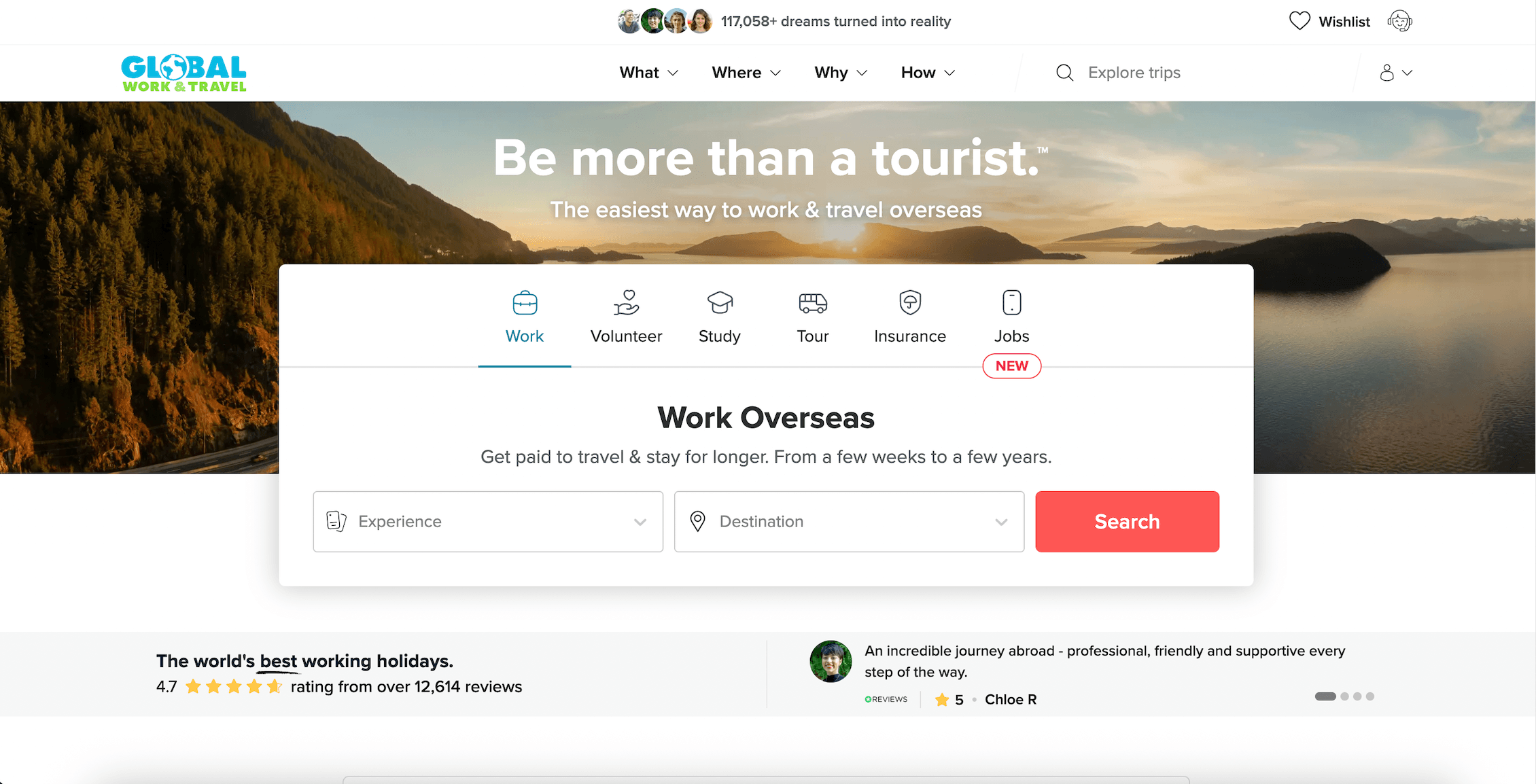
The process of moving abroad is rarely linear. It begins months in advance with visa procurement and job matching, followed by pre-departure orientation, and concludes with on-the-ground support. Global Work & Travel utilizes a proprietary digital platform, the gWorld portal, to manage these variables.
- Pre-Departure: The organization handles the heavy lifting of visa guidance and documentation, which is often the most daunting phase for first-time travelers.
- Arrival and Integration: Rather than leaving the traveler to navigate the housing market or job interviews in a foreign language, the organization facilitates placements in sectors such as hospitality, teaching, and conservation.
- Ongoing Assistance: The safety net continues throughout the duration of the stay, ensuring that if a traveler faces an issue with their employer or housing, they have a professional point of contact.
The Ethical Imperative: Redefining Volunteering
Perhaps the most scrutinized aspect of deep travel is volunteering. The travel industry has long been plagued by "voluntourism"—profit-driven programs that prioritize the donor’s emotional gratification over the actual needs of the host community.
A professional approach to volunteering requires a focus on sustainability and impact. Ethical programs are defined by their alignment with local priorities. Whether it is community development in Zanzibar, wildlife conservation in South Africa, or elephant rehabilitation in Thailand, the most impactful experiences are those where the traveler works alongside local experts on projects defined as critical by the community itself.
Global Work & Travel contributes to this by vetting its partners rigorously. Furthermore, through their Global Animal Welfare Fund, the organization channels resources directly into conservation sites, ensuring that the benefit of the program extends beyond the presence of the individual volunteer.
Supporting Data: Why "Deep Travel" Matters
The demand for these programs is not merely anecdotal. Market trends indicate a move away from luxury resort-style vacations toward "experiential" and "meaningful" travel.
- Social Connection: Unlike the isolation of a remote work setup in a sterile coworking space, working holiday makers report higher levels of social integration. They meet locals and other international workers through shared labor, which fosters authentic, long-term bonds.
- Economic Sustainability: By earning a local wage, travelers can extend their stays significantly. This eliminates the "vacation burnout" associated with trying to cram a country’s culture into a two-week itinerary.
- Professional Development: International work experience is increasingly viewed as a competitive advantage. The ability to navigate a foreign workplace, communicate across cultural barriers, and adapt to new systems is a resume-builder that traditional tourism cannot provide.
Implications for the Future of Global Mobility
The shift toward working holidays and structured volunteerism represents a fundamental change in our global social fabric. As more people choose to "live" in a country rather than "visit," the nature of the traveler-local relationship changes. It moves from a relationship of consumption to one of cooperation.
However, this requires a level of responsibility. The "new" traveler must be cognizant of their footprint. The goal is to support local economies and contribute to the ecosystems they enter. Programs that prioritize this—by offering fair, vetted, and organized pathways—are effectively acting as mediators in a globalizing world, ensuring that when we move, we do so with purpose.
Final Reflections: The ROI of Experience
When we look back on our travels five or ten years later, the memories that persist are rarely the ones involving a queue for a famous landmark. They are the moments of connection: the inside joke with a local coworker, the exhaustion after a long day of meaningful work, or the realization that a foreign place has become a second home.
For those considering this path, the logistics may seem daunting, but the infrastructure to support these ambitions is now more accessible than ever. By removing the guesswork from visas, employment, and housing, companies are enabling a new generation of global citizens to trade the "vacation" for a "life."
If you have been waiting for the right moment to make the transition, the tools are currently in place. Whether through teaching, working, or conservation-focused volunteering, the opportunity to go deep is there. Use the code NOMADICMATT to secure a discount on your next venture—and remember that the most valuable part of any trip isn’t what you see, but what you contribute while you are there.
Frequently Asked Questions (FAQ)
1. Is prior experience necessary for these programs?
In most cases, no. While specific teaching programs may require TEFL certification (often provided as part of the package), many volunteer and work placements are designed to be accessible to those with little to no prior experience.
2. What is the age range for these opportunities?
While working holiday visas are generally capped at age 35 due to government regulations, volunteer and teaching programs are often open to a much wider demographic, typically ranging from 18 to 80 years old.
3. How far in advance should I plan?
The industry standard suggests booking 6–12 months in advance. This lead time is crucial for securing the correct visas, coordinating job matching, and meeting the quotas for specific countries.
4. How is my financial investment protected?
Legitimate programs utilize consumer protection services and transparent booking policies. For example, lifetime deposit policies ensure that your initial commitment does not expire, providing a buffer if your travel plans are delayed.
5. Is this suitable for solo travelers?
Absolutely. In fact, solo travelers make up a significant portion of the participants. The community aspects of these programs—including group orientations and communal living setups—are specifically designed to ensure that no one is left to navigate the experience in isolation.
 Pevita Pearce
  Neng Nana