

In the modern era of travel, the "always-on" expectation has shifted from a luxury to a fundamental necessity. For digital nomads, long-term backpackers, and frequent business travelers, the struggle to maintain consistent, affordable, and high-speed data across international borders has historically been a significant pain point. While traditional mobile carriers often charge exorbitant daily roaming fees, and physical local SIM cards introduce the persistent risk of losing one’s home number or damaging hardware, the technology landscape is changing.
The rise of the eSIM—a digital SIM embedded directly into smartphone hardware—has revolutionized how we navigate the globe. Today, we are witnessing the next phase of this evolution: the transition from "destination-based" eSIMs to global, subscription-based mobile plans. Among the leaders in this space is Holafly, a company that has long been a favorite for its user-friendly interface and competitive pricing, which has recently launched its "Holafly Plans" service to address the demands of the modern, borderless traveler.
Main Facts: Redefining the Digital Nomad’s Toolkit
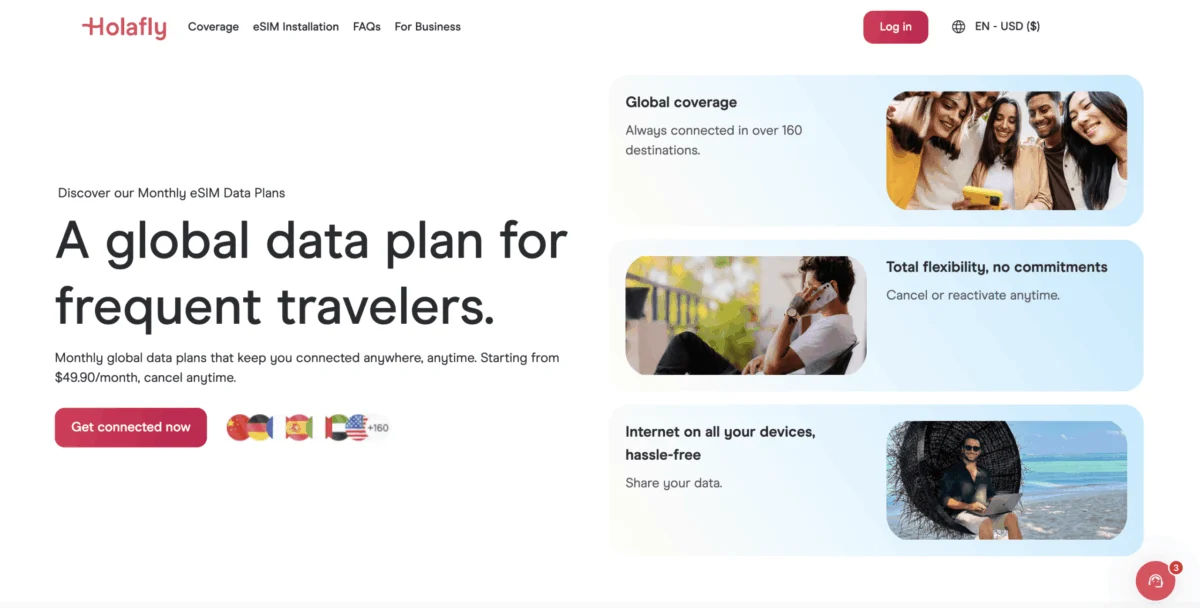
Holafly Plans represent a paradigm shift in how international connectivity is managed. Unlike traditional eSIMs, which are generally purchased as "one-off" products for a specific country or short-term regional trip, Holafly Plans function as a continuous, global mobile subscription.
By purchasing a single plan, users gain access to data coverage across more than 160 destinations. The core premise is simplicity: the user installs the eSIM once, and the service remains active as they transition between countries. This eliminates the repetitive, often frustrating process of hunting for local kiosks, swapping plastic SIM cards, or scanning new QR codes every time a flight touches down in a new jurisdiction.
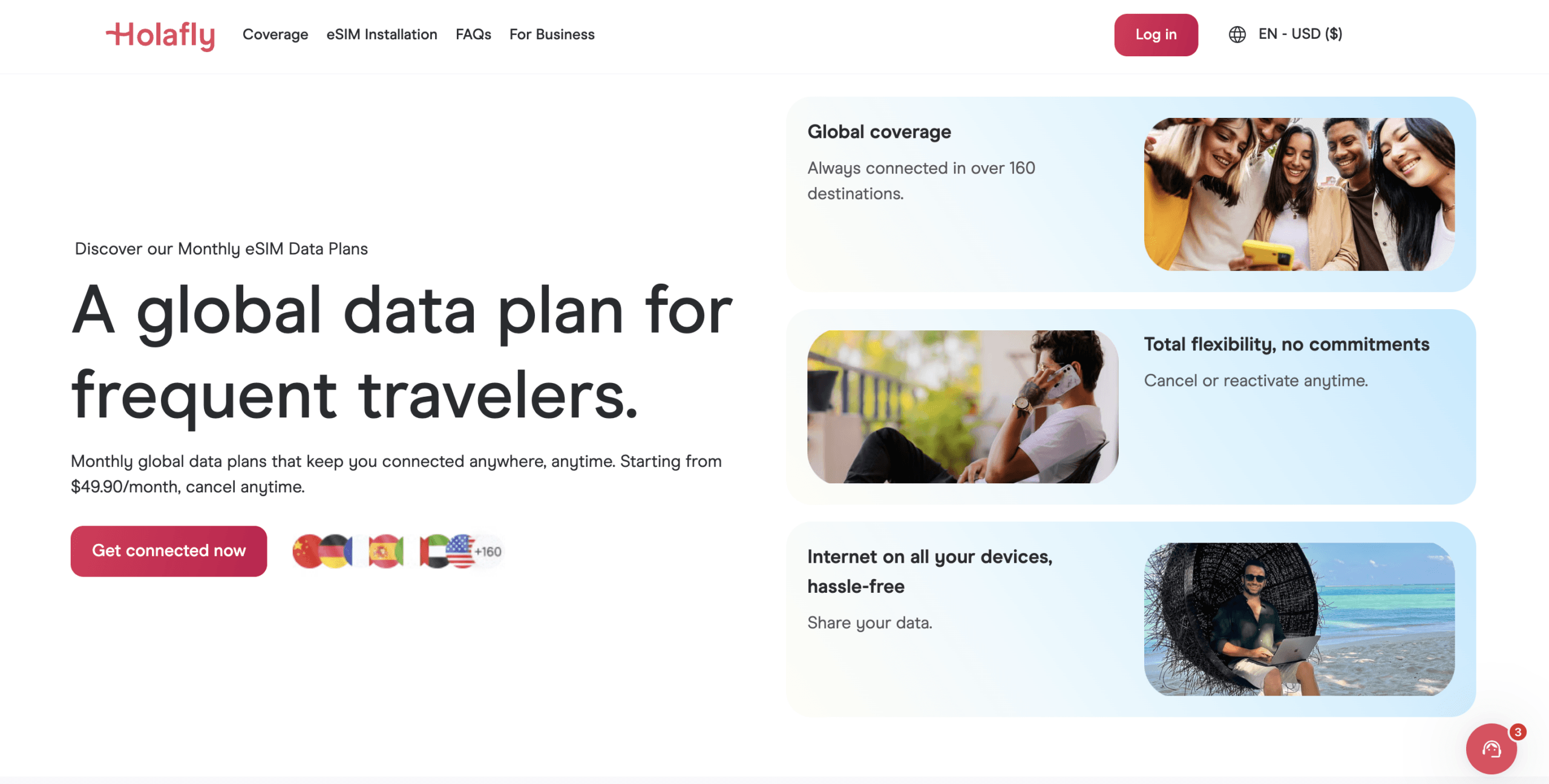
The subscription model operates similarly to a domestic mobile carrier, but with a global footprint. Users can choose between monthly, quarterly, or annual billing cycles. There are no restrictive, long-term contracts, and the service can be cancelled at any time, providing the flexibility essential for those whose itineraries are subject to frequent, last-minute changes.
Chronology: The Shift from Hardware to Software
The trajectory of mobile connectivity has been one of increasing abstraction. Two decades ago, travelers relied on physical roaming—an expensive and often unreliable endeavor. Then came the era of the "Local SIM," where travelers would spend their first hours in a new city locating a mobile shop to purchase a plastic card.

The advent of the eSIM changed this by allowing users to toggle between different carrier profiles via software. Initially, this was primarily used for single-country data packages. However, as the digital nomad movement exploded post-2020, the demand for a more cohesive, "set-it-and-forget-it" solution became clear.
Holafly recognized this gap in the market. Over the past several years, the company refined its app-based infrastructure, allowing for easier installations and smoother data handoffs between towers. The launch of "Holafly Plans" is the culmination of this development, moving away from fragmented, trip-specific data bundles toward a unified, global mobile identity. This evolution mirrors the broader "Software as a Service" (SaaS) trends that have defined the last decade of technological advancement.
Supporting Data: Why the Subscription Model Wins
The economic case for a global subscription plan becomes clear when compared to the traditional "roaming pass" models offered by major US and European carriers.
For many, the standard approach has been to pay a daily fee—often $10 USD or more—for international roaming through a home carrier. For a traveler spending three weeks abroad, this can easily result in a $200–$300 bill. Even then, these plans are frequently throttled after a certain amount of high-speed usage, and tethering (hotspotting) is often restricted.
In contrast, Holafly’s "Unlimited" tier offers a flat rate—typically starting around $55–$65 USD per month—that includes unlimited data and, crucially, an unlimited hotspot. For a digital nomad who relies on a stable connection for video conferencing, large file uploads, and consistent communication, the difference in cost and performance is stark.
Comparative Analysis Table
| Feature | Holafly Plans (Unlimited) | US Major Carrier Roaming | Local/Single eSIMs |
|---|---|---|---|
| Monthly Cost | ~$55–$65 | $100–$300+ | $60–$120 |
| Data Allowance | Unlimited | Capped/Throttled | Varies (5GB–10GB) |
| Hassle Factor | Near Zero | Low (but expensive) | High (swapping/buying) |
| Hotspotting | Included | Restricted | Varies |
Beyond the core data, Holafly has integrated an "Always On" feature, which provides 1GB of backup data every month for life, even if the user cancels their primary subscription. This ensures that a traveler is never left entirely without a lifeline, even in the "off-months" between travels.
Official Perspectives: Addressing the User Experience
According to Holafly, the primary objective of their new plan structure is to reduce "connectivity anxiety." When a traveler arrives in a new country, their first instinct should be to explore, not to navigate complex mobile settings or hunt for a functioning Wi-Fi network.
"The goal is to turn the smartphone into a truly global device," a representative for the platform noted. By providing a local phone number from the US, UK, or Canada on their Unlimited plan, they have addressed another major pain point: the ability to receive SMS messages, which is vital for two-factor authentication on banking apps and other critical services.
Furthermore, the company has prioritized support, offering 24/7 assistance to help users troubleshoot installation or connection issues. Their commitment to a 6-month refund policy for the subscription plans also signals a level of confidence in the reliability of their global network partnerships.
Implications for the Future of Remote Work
The implications of such a service extend far beyond mere convenience. As remote work becomes a permanent fixture of the global economy, the ability to maintain a consistent digital presence is becoming a requirement for employment.
The traditional mobile industry has been slow to adapt to this shift, remaining tethered to legacy infrastructure and geographically restricted billing. By creating a global, borderless subscription, platforms like Holafly are essentially acting as a "global carrier." This has several implications:
- Productivity gains: Workers spend less time troubleshooting their connection and more time focused on their professional output.
- Increased mobility: The barrier to entry for working in a new country is significantly lowered. When you don’t have to worry about the logistics of communication, the world becomes a more viable office space.
- Cost transparency: Digital nomads and remote teams can forecast their monthly expenses with greater accuracy, eliminating the "surprise" roaming charges that often plague international travelers.
Conclusion: Who is this for?
It is important to note that this product is not a panacea for every traveler. For a tourist taking a single, one-week vacation to a specific country, a classic, destination-specific eSIM remains the most cost-effective and logical choice. The "one-and-done" nature of the classic product serves the casual traveler perfectly.
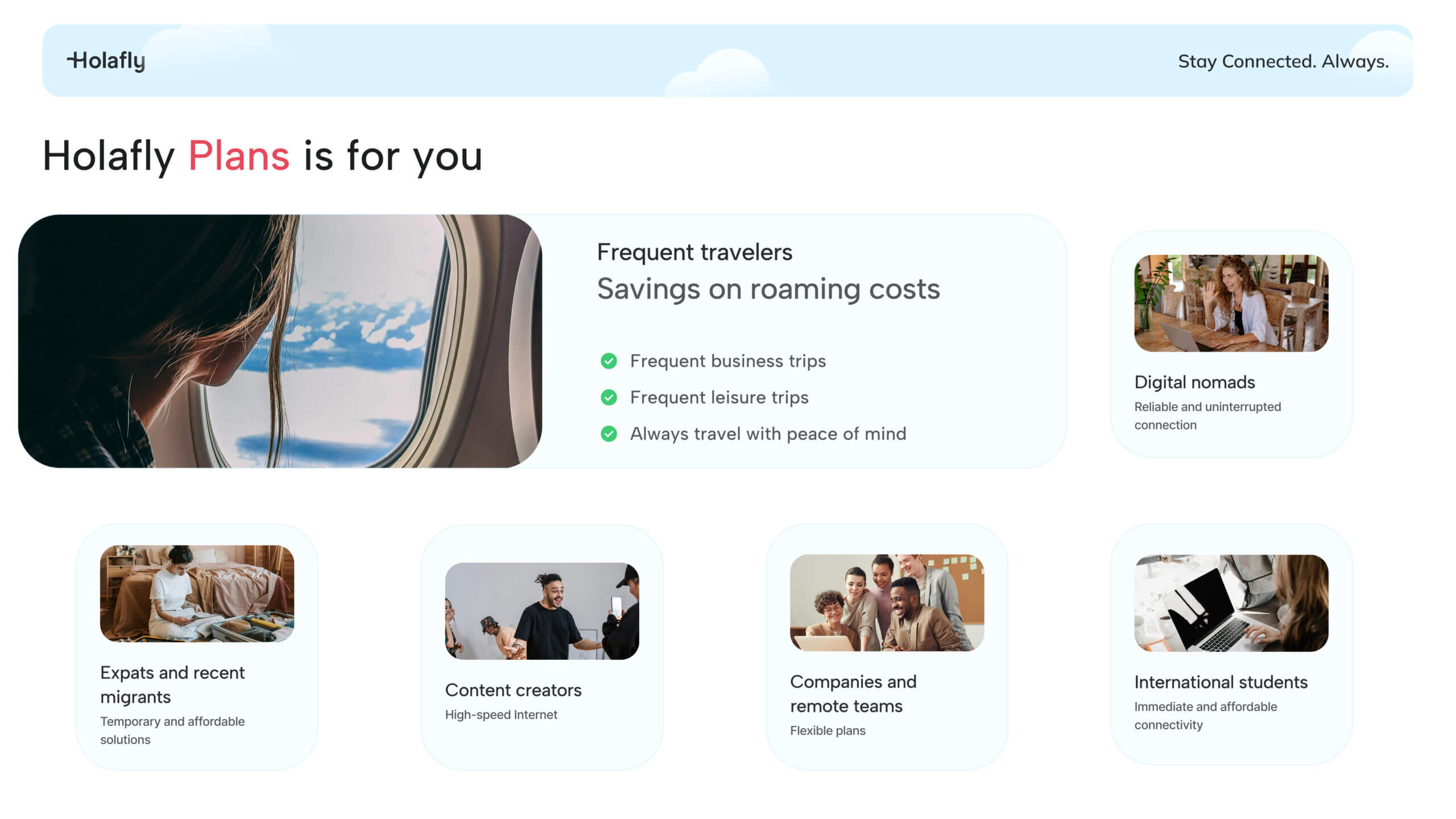
However, for the growing cohort of long-term travelers, digital nomads, and frequent business travelers, the Holafly Plans subscription is a game-changer. It represents the maturation of the eSIM industry, moving from a niche convenience to a professional-grade necessity. By bundling unlimited data, hotspotting, a persistent phone number, and global coverage into a single, automated subscription, it effectively removes the friction that has historically defined international mobile connectivity.
For those planning to spend a significant portion of their year moving across borders, the choice is increasingly clear: the era of hunting for SIM cards is over. The future of travel is digital, subscription-based, and, above all, connected.
Traveler’s Note: For those interested in testing these services, utilizing promotional codes—such as NOMADICMATT—can often provide significant discounts, further increasing the value proposition of these global plans compared to traditional, high-cost carrier alternatives.
 Nana Wu
 Nana
 Laily UPN
