

For the modern digital nomad, the dream of "working from anywhere" often collides with the gritty reality of the road. The romanticized image of a laptop open on a sun-drenched beach is quickly replaced by the frustration of unstable Wi-Fi, the ergonomic nightmare of a hostel stool, and the profound isolation that comes with operating in a foreign time zone. As remote work transitions from a pandemic-era necessity to a permanent professional lifestyle, a new industry has emerged to solve these logistical headaches: the coliving space.
Leading the charge in this sector is Outsite, a global network that promises to bridge the gap between the professional needs of an entrepreneur and the social cravings of a world traveler. By blending the amenities of a boutique hotel with the structured productivity of a dedicated coworking space, platforms like Outsite are fundamentally changing how the global workforce views office boundaries.
Main Facts: The Intersection of Productivity and Community
Founded in 2015, Outsite began with a modest mission: providing a Santa Cruz, California, sanctuary for surfers who needed to remain tethered to their desks. Nearly a decade later, the platform has evolved into a global ecosystem boasting over 5,000 members and 50 locations spanning major urban centers, mountainous retreats, and coastal havens.
Unlike traditional hospitality models, Outsite operates on a dual-track business strategy. While anyone can book a room, the company incentivizes a membership model. For an annual fee of $199 or a $499 lifetime payment, users gain access to discounted rates, priority booking for high-demand properties, and a suite of "lifestyle perks" ranging from member-only events to exclusive access to internal job and sublet boards.
The core value proposition is the "all-in-one" experience. A stay at an Outsite location guarantees:
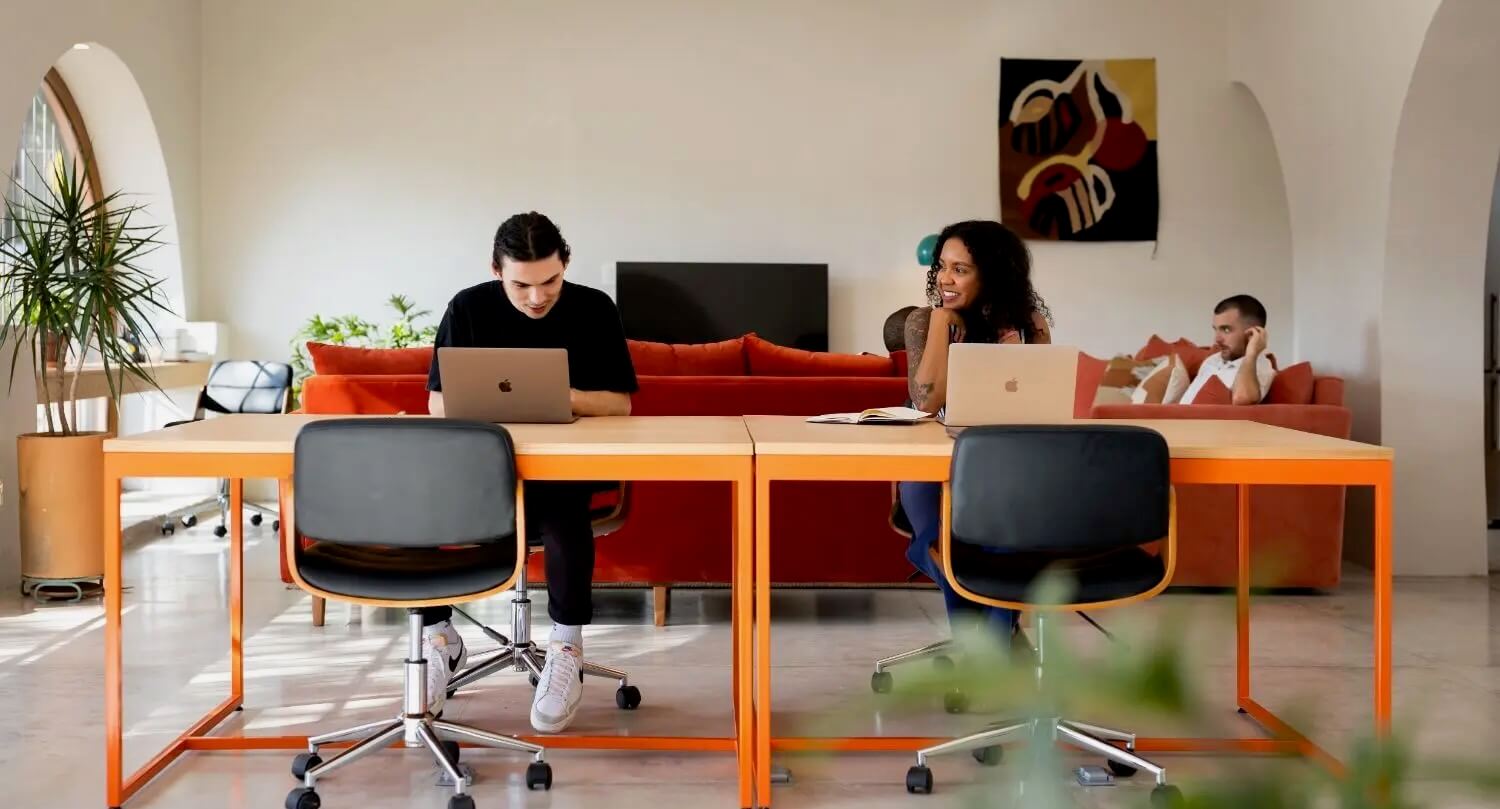
- Enterprise-Grade Infrastructure: High-speed, reliable Wi-Fi, ergonomic workstations, and monitor-ready desks.
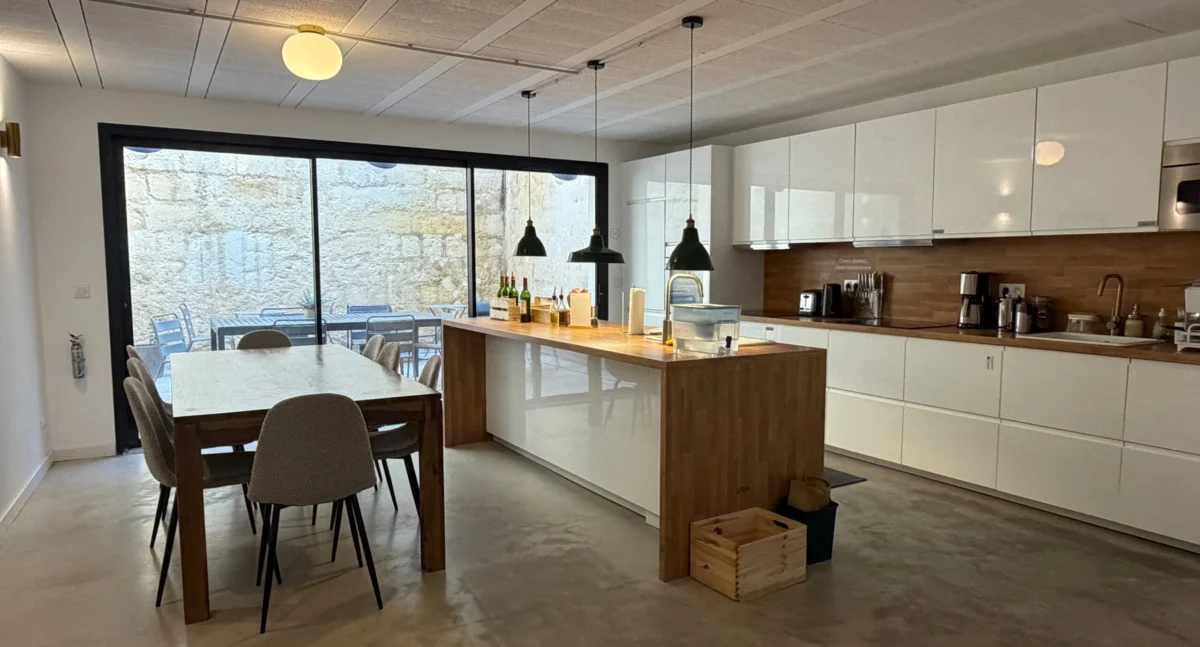
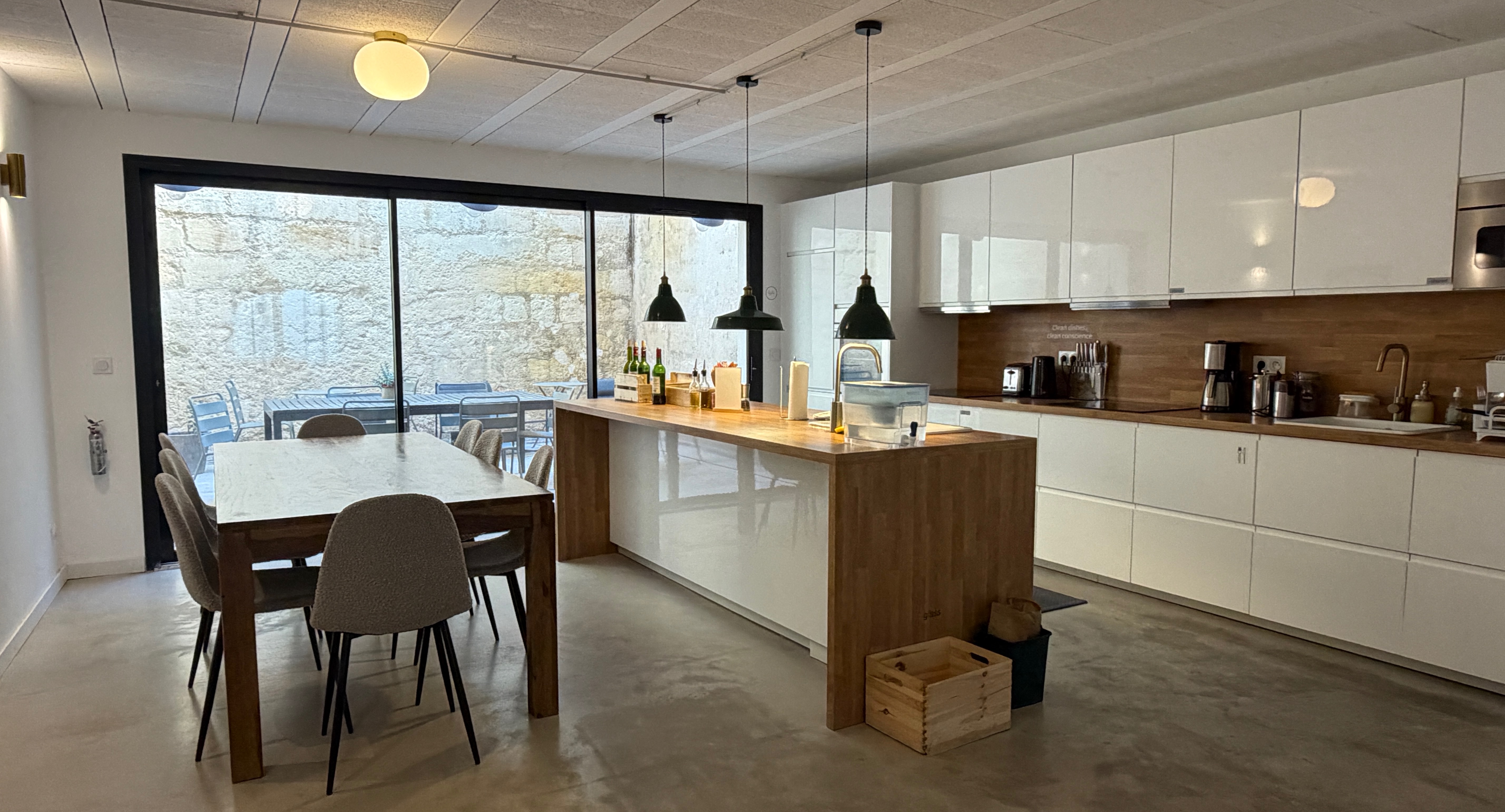
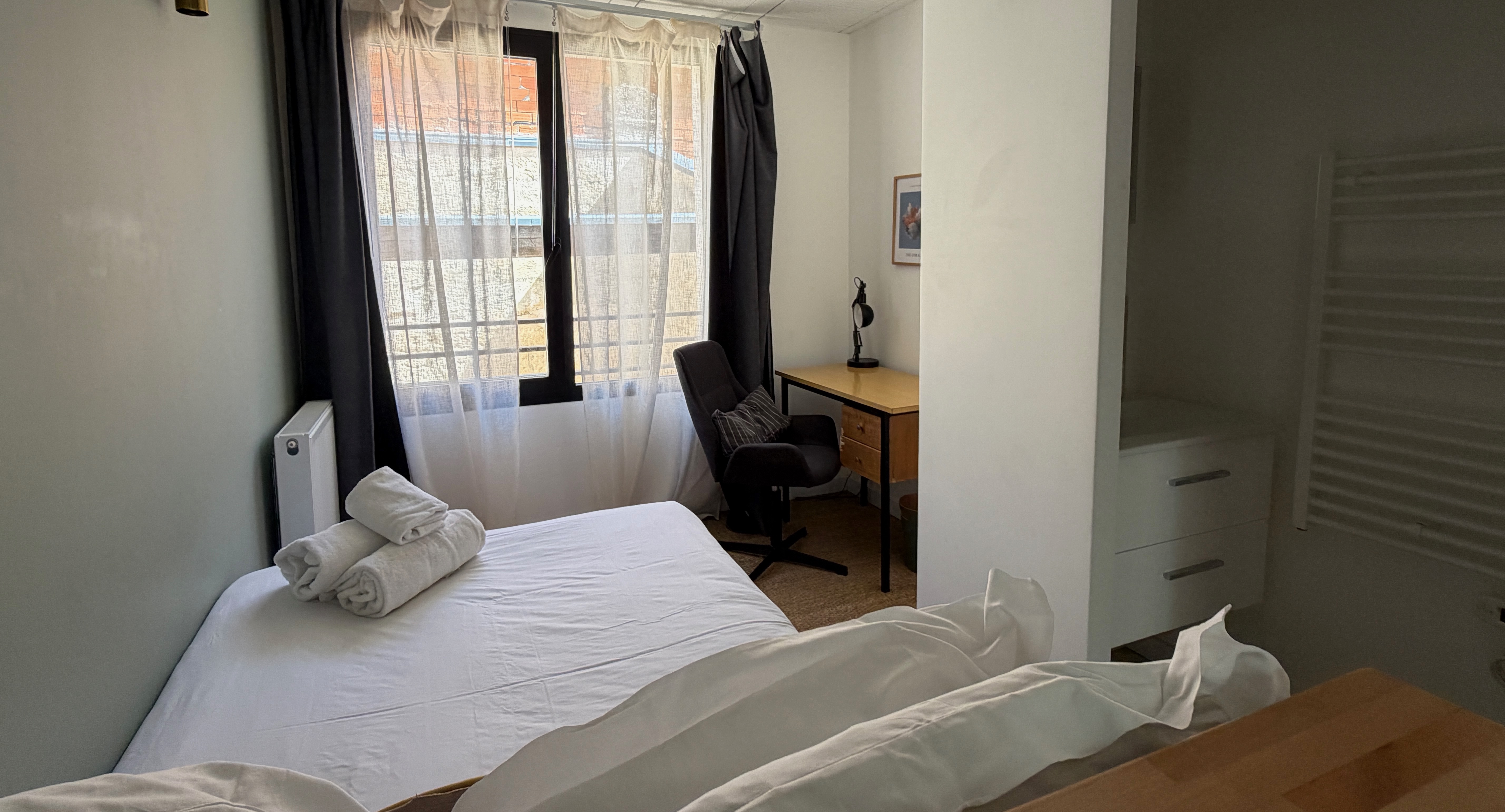
- Curated Living: Professionally designed interiors, fully equipped communal kitchens, and laundry facilities.
- Social Architecture: On-site community managers who facilitate networking, local integration, and social programming.
Chronology: From Niche Surf-Hub to Global Infrastructure
The trajectory of Outsite mirrors the broader maturation of the digital nomad movement. In the mid-2010s, the "nomad" demographic was primarily comprised of freelancers and early-stage startup founders. Outsite’s initial locations were designed for this demographic—informal, activity-focused, and decentralized.
2015–2018: The formative years. Outsite focused on "surf and work" locations, primarily in California. The goal was to prove that productivity didn’t have to suffer in the pursuit of leisure.
2019–2021: The pivot. As remote work became normalized during the pandemic, the demand for "Work from Anywhere" (WFA) solutions surged. Outsite aggressively expanded into major European and Latin American hubs. The focus shifted from pure vacation rentals to reliable, long-term living solutions for corporate remote employees.
2022–Present: The "Professionalization" phase. Today, Outsite emphasizes its role as a professional network. With dedicated community managers and structured programming, the focus has moved toward creating a sense of "tribe" for professionals who spend months, rather than weeks, in a single location.
Supporting Data: The Cost-Benefit Analysis
A common critique of coliving is the perceived price tag. Critics often compare the cost of a private room at an Outsite location to a budget hostel bed, which is an apples-to-oranges comparison.
When auditing the actual cost of a digital nomad lifestyle, one must factor in the "shadow costs" of remote work. A typical month for a solo traveler in a major city often looks like this:
- Studio Apartment/Airbnb: $2,000 – $3,500
- Coworking Membership: $200 – $400
- Utilities/High-Speed Internet/Cleaning: $150+
By centralizing these services, Outsite creates an efficiency model. By booking a private room, a resident gains immediate access to a professional-grade office without the need for a secondary coworking membership. Furthermore, the inclusion of fully stocked, high-end kitchens—cleaned daily by staff—reduces the daily cost of dining out, which is one of the largest expenses for travelers.
Data from the platform indicates that their most loyal users are "extended-stay" travelers, with the average booking duration increasing by 30% over the last three years. The "40% off extended stays" membership perk is specifically designed to cater to this shift toward "slow-traveling" professionals.
Official Responses and The Community Manager Role
The secret sauce of the Outsite model is the Community Manager (CM). Unlike a hotel concierge, whose role is largely transactional, the CM is tasked with social engineering.
During a recent stay at the Bordeaux, France location, the value of this role was evident. The CM didn’t just manage the property; they managed the experience. By leveraging local WhatsApp groups and scheduling events like Friday night tapas crawls or weekend excursions to the vineyards, the CM mitigated the "lonely nomad" syndrome.
"The community is the product," one Outsite spokesperson noted. "Our members aren’t just looking for a desk; they are looking for a peer group that understands the specific challenges of balancing a high-pressure career with the unpredictability of travel."
This sentiment is echoed by long-term members who cite the "built-in network" as the primary reason for choosing a coliving space over a traditional apartment. In a world where professionals are increasingly mobile, the ability to land in a new city and have an instant circle of peers is a significant competitive advantage.
Implications: The Future of Work and Real Estate
The rise of Outsite and its competitors signals a broader shift in real estate and corporate culture. We are entering an era where the "office" is no longer a physical building owned by a company, but a modular, distributed network of spaces that professionals rent on demand.
1. The End of the "Backpacker" Stigma:
The demographic shift is clear. The average Outsite resident is now a professional in their 30s or 40s—a demographic with significant purchasing power and a demand for high-end amenities. This shift is forcing the hospitality industry to reconsider what "budget" means. It isn’t about being cheap; it’s about being efficient.
2. Corporate "Work-from-Anywhere" Policies:
As more companies move to "work-from-anywhere" models, the burden of providing a workspace has shifted from the employer to the employee. Outsite is positioning itself as the bridge for this transition, offering the infrastructure that employers once provided in corporate headquarters.
3. The Rise of the 30-Day City:
Because of local housing laws, many major cities are beginning to favor 30-day minimum stays. This shift reinforces the "slow-travel" movement. Instead of "checking off" a city in three days, nomads are beginning to treat cities as temporary homes, integrating into the local culture while maintaining a high level of professional output.
Conclusion: Finding Your Tribe in a Fragmented World
Living the digital nomad life is often portrayed as a life of total freedom, but it is equally a life of constant negotiation. Every decision—where to sleep, where to work, how to meet people—is a micro-transaction of energy and time.
By standardizing the quality of the workspace and the social environment, Outsite removes the friction from this lifestyle. It isn’t for everyone—it requires a level of comfort with shared spaces and a budget that exceeds the backpacker baseline. However, for those who want to build a career while seeing the world, it offers a compelling alternative to the loneliness of the hotel room or the chaos of the coffee shop.
As the lines between work and life continue to blur, the demand for spaces that support both will only increase. Whether it’s in the heart of Bordeaux or a remote surf town in Costa Rica, the future of work is not a desk in a cubicle—it is a community of like-minded individuals in a space designed for focus, connection, and growth. If you are looking to elevate your nomad experience, the infrastructure for doing so has finally arrived.
 Pevita Pearce
  Laily UPN