

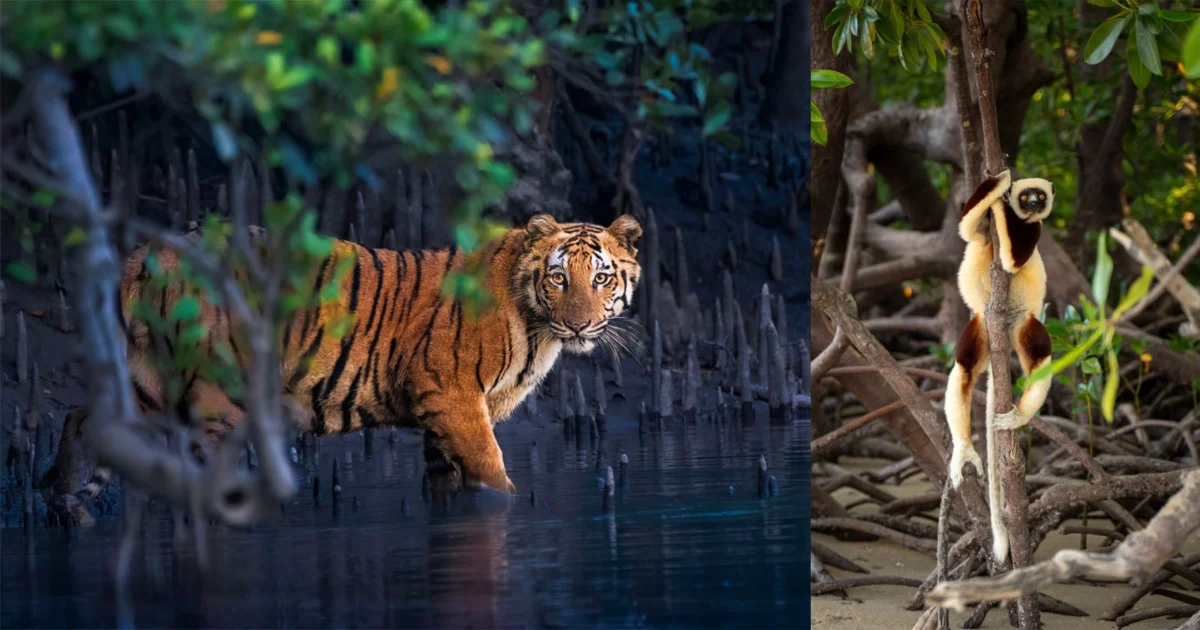
The 206 Mangrove Photography Awards have officially concluded, casting a powerful spotlight on the delicate, often overlooked ecosystems that serve as the world’s coastal sentinels. From the ethereal beauty of starlit tidal flats to the grim reality of "ghost nets" suffocating coastal roots, this year’s competition transcends mere aesthetic appreciation, functioning instead as a vital visual archive of the environmental struggles defining our era.
By blending technical prowess with profound narrative intent, the winning photographers have provided a masterclass in visual storytelling. Their work highlights the duality of the mangrove—a resilient, life-giving habitat that sits precariously at the interface between land and sea, vulnerable to both human neglect and the inexorable rise of our changing climate.
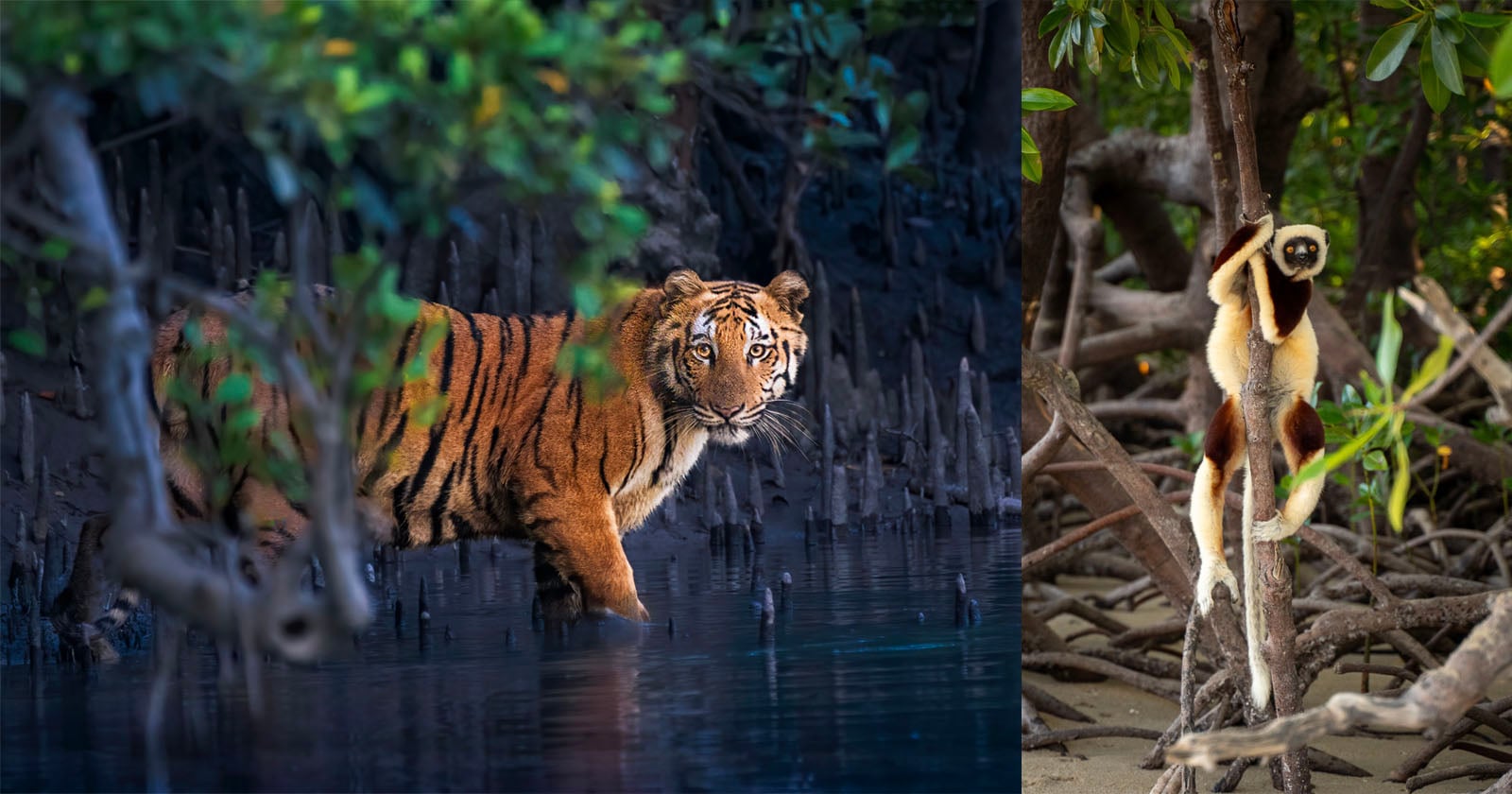
The Overall Winner: A Luminescent Cry for Help
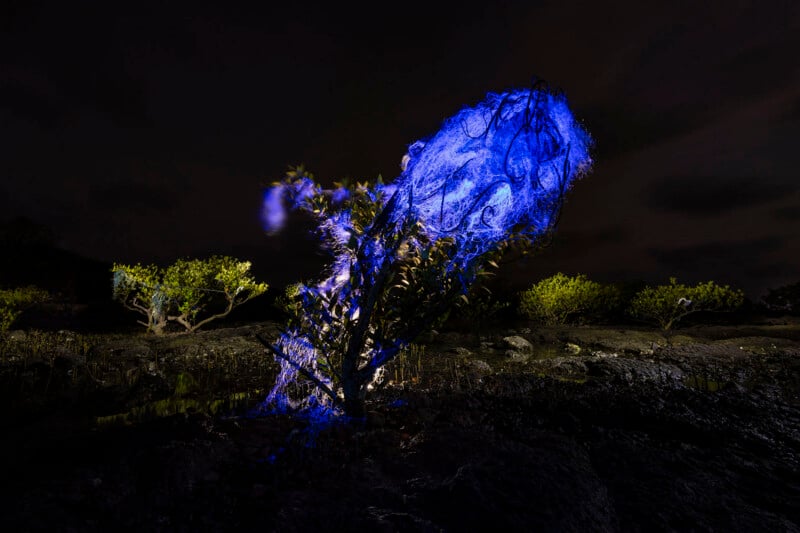
The top honor of the competition was awarded to Indian photographer Gaurav Patil for his hauntingly beautiful yet sobering image, “Tangled Glow: When Life Meets the Ruins.” Captured on the tide-swept shores of Nandgaon village in Maharashtra, south of Mumbai, the image employs a 13-second ultraviolet (UV) exposure to illuminate a discarded fishing net—known in marine conservation circles as a “ghost net”—trapped within the intricate root system of a mangrove tree.
The blue, ethereal glow of the synthetic fibers against the dark, organic backdrop of the forest serves as a visceral reminder of the invisible crises unfolding in our coastal zones. Ghost gear—abandoned, lost, or otherwise discarded fishing equipment—is a well-documented hazard in the open ocean, where it continues to trap and kill marine life indiscriminately. However, Patil’s photograph brings the conversation to the shoreline, illustrating how these synthetic shrouds are finding their way into the very nurseries of our oceans. Mangroves, by their nature, are sediment traps, but they are increasingly becoming traps for the discarded remnants of human industry.
Chronology of a Conservation Crisis
The history of mangrove degradation is a story of slow-motion loss. For decades, these forests were dismissed as “swamps”—inhospitable, muddy areas of little value. It was only in the late 20th and early 21st centuries that the scientific community truly grasped the essential role mangroves play in global carbon sequestration, storm surge mitigation, and biodiversity protection.
In the context of the Mangrove Photography Awards, the narrative has shifted over the years. Early iterations of the contest focused heavily on the “exotic” beauty of these environments. Today, however, the entries reflect a growing sense of urgency.
- The Early Years: Recognition of the ecological importance of mangroves began to permeate public consciousness, leading to initial efforts to document their unique flora and fauna.
- The Mid-2020s: A transition occurred as climate change impacts became more pronounced. Photographers began to document not just the life within the trees, but the human struggle for survival in rapidly changing coastal villages.
- The Current Era (206): The focus has matured into a sophisticated critique of humanity’s relationship with nature. We are seeing a move away from "nature photography" and toward "environmental documentation."
The Breadth of the Winners: A Global Perspective
The competition featured six primary categories, each offering a window into the varied lives supported by mangrove systems.
Wildlife: Beyond the Canopy
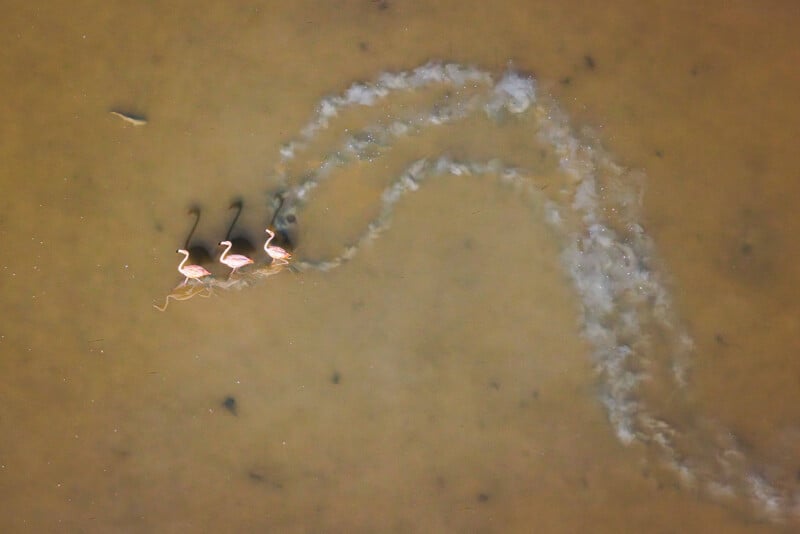
The wildlife category was particularly competitive this year. Mark Ian Cook’s “March of the Flamingos” offered a unique aerial perspective of American Flamingos in Florida Bay, tracking their path through shallow waters as they hunted for food alongside a juvenile lemon shark. The image captures the precise, rhythmic nature of foraging in a world where predator and prey often share the same murky stage.
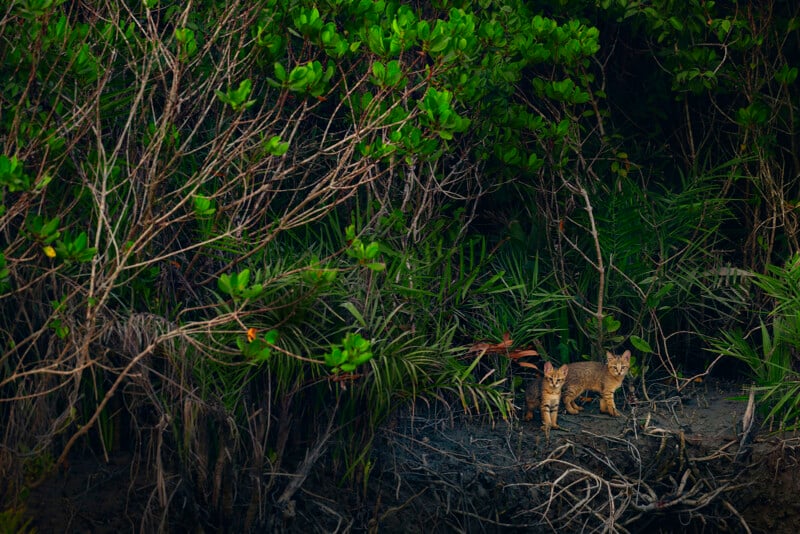
In the mammals category, Kallol Mukherjee’s image of two jungle cat kittens in the Sundarban Tiger Reserve provided a rare glimpse into the lives of the smaller predators that inhabit the world’s largest mangrove forest. These creatures, often overshadowed by the iconic Royal Bengal tiger, represent the resilience required to thrive in a landscape defined by shifting mud, high salinity, and the relentless cycle of the tides.
The Underwater Realm
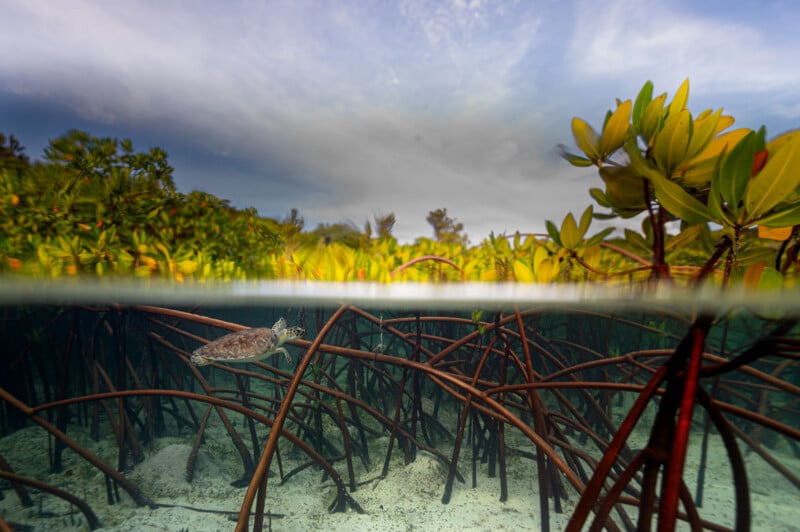
Ewan Tregarot’s “Feeding Grounds Under the Canopy” took top honors in the Underwater category. By capturing grey snappers navigating the root systems of Bonaire’s mangrove forests, Tregarot highlights the critical role these forests play as feeding and nursery grounds. The shafts of sunlight piercing the water illuminate an interaction that is typically invisible to the casual observer, reminding us that the health of our coral reefs is inextricably linked to the health of the mangroves that fringe our coasts.
People and the Human Element
Perhaps the most moving category was "People – Conservation and Restoration." The winner, Garry Lotulung, documented the story of Pasijah, a 56-year-old woman in Bedono, Central Java. Her home is one of the few remaining in a village that has been largely reclaimed by the sea. The image of her planting mangrove seedlings—a literal act of defiance against rising tides—epitomizes the spirit of the awards. It is a testament to the human capacity for stewardship even in the face of environmental displacement.
Supporting Data: Why Mangroves Matter
The science underpinning the importance of mangroves is staggering. According to global environmental data, mangroves provide:
- Carbon Sequestration: Mangroves are among the most carbon-rich forests in the tropics. They sequester carbon at rates significantly higher than terrestrial forests, with much of that carbon stored in the soil for millennia.
- Coastal Protection: A healthy, dense mangrove forest can reduce the energy of a storm surge by up to 66%. They are the first line of defense for millions of people living in low-lying coastal regions.
- Biodiversity Hotspots: While they cover less than 0.1% of the Earth’s surface, they provide critical habitats for thousands of species, many of which are endangered.
- Economic Value: The fisheries supported by mangrove ecosystems contribute billions of dollars to the global economy annually, providing food security for coastal communities.
Despite these facts, we continue to lose mangrove cover at an alarming rate due to aquaculture expansion, urban development, and pollution.
Implications for the Future
The 206 Mangrove Photography Awards serve as more than just a gallery of beautiful images; they are a call to action. The implications for policymakers, conservationists, and the general public are clear:
- Policy Change: The prevalence of ghost gear in the winning images suggests that local bans on specific types of non-biodegradable fishing gear, combined with better waste management in coastal communities, are essential.
- Community-Led Restoration: As seen in the work of photographers like Garry Lotulung, the most effective restoration efforts are those led by local communities who live within these ecosystems.
- Global Awareness: Competitions like these bridge the gap between scientific reports and public perception. By making the “invisible” visible, photography can drive the public pressure required to influence international climate policy.
Official Responses and Reflections
The organizers of the Mangrove Photography Awards have expressed their pride in the evolution of the competition. “This year’s entries represent a turning point,” noted a lead judge. “We aren’t just seeing pictures of mangroves anymore; we are seeing the complex, difficult, and essential story of how humans and nature must learn to coexist if we are to survive the next century.”
The consensus among the panel was that the quality of entries has reached an all-time high, driven by advancements in both camera technology and the commitment of photographers to environmental causes. Whether it is the use of high-end UV exposure to document pollution or the patient, months-long observation required to capture elusive wildlife, the photographers of 206 have proven that they are among the most dedicated environmental advocates in the world.
Conclusion: A Window into the Future
As we look toward the future, the work showcased in the 206 Mangrove Photography Awards will continue to serve as a baseline for the state of our planet’s coastal health. These images capture the beauty of a world that is in flux—a world that is both incredibly fragile and remarkably resilient.
By continuing to document these forests, we are not just capturing memories of what is currently there; we are creating a record that will hold future generations accountable for the health of our oceans. The mangroves are the silent guardians of our coasts, and thanks to the lens of the world’s most talented photographers, they are no longer suffering in silence.
For those wishing to explore the full collection of winning images and learn more about the conservation projects supported by the Mangrove Action Project, the official website provides a comprehensive archive of this year’s finalists. In an era where digital noise is constant, these images provide a quiet, necessary pause—a moment to look closer at the roots, the mud, and the life that sustains our blue planet.
 Pevita Pearce
  Lina Hope
  Reynand Wu