

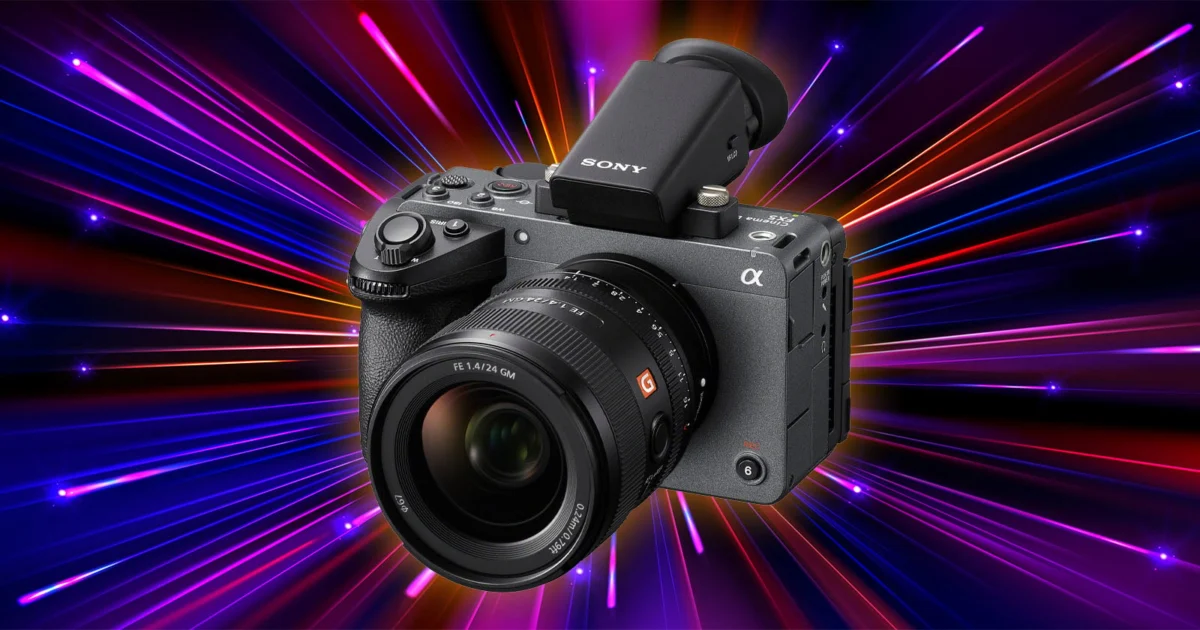
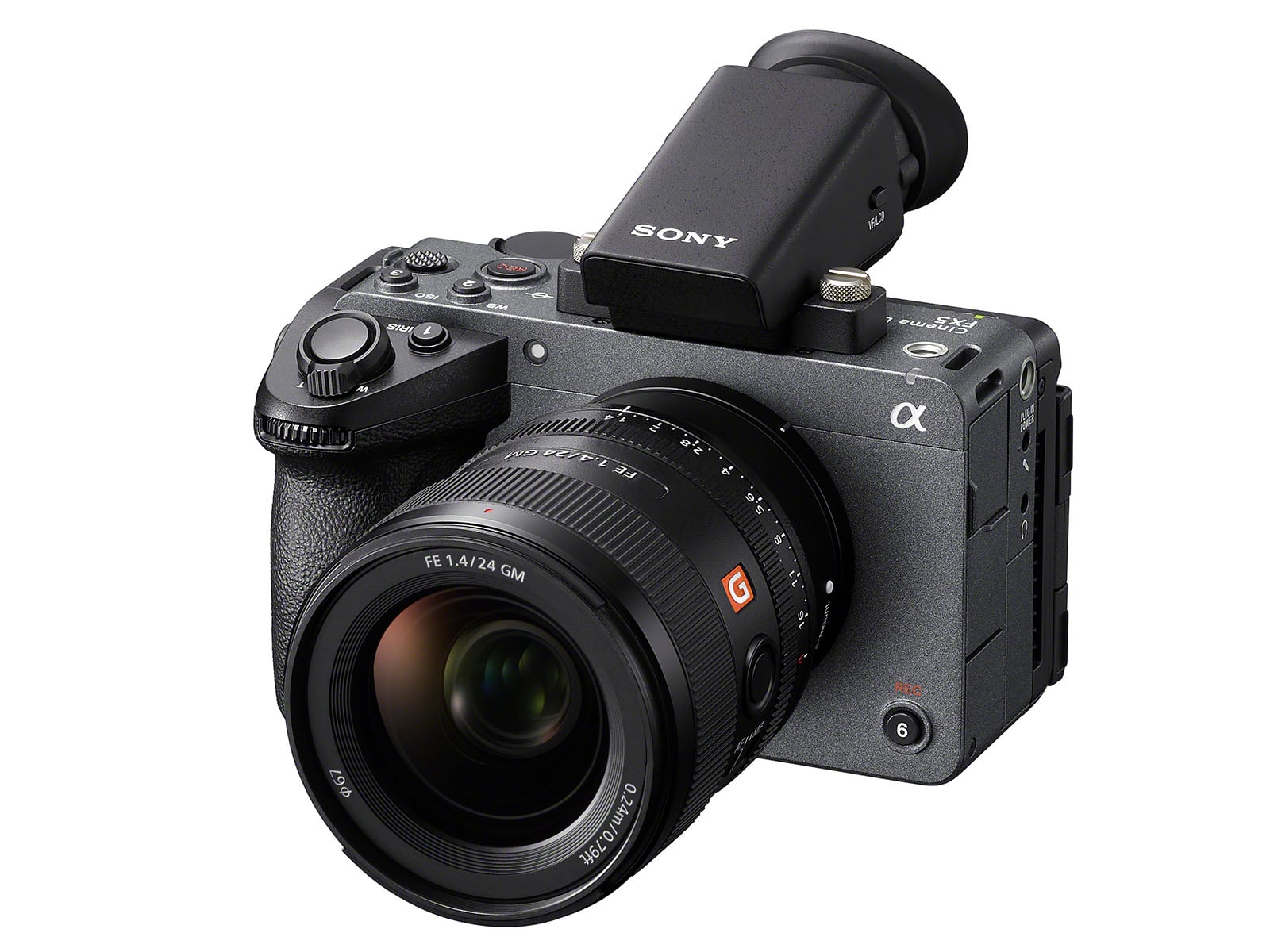
The landscape of professional videography shifted significantly this week with the unveiling of the Sony FX5. Representing a departure from the iterative updates of the past half-decade, the FX5 serves as a definitive answer to a growing chorus of critics who had begun to view Sony’s Cinema Line as stagnant. By integrating long-requested features—specifically Open Gate recording and internal RAW—Sony has not merely updated a spec sheet; they have recalibrated their position in an increasingly competitive market.
Main Facts: The Anatomy of the FX5
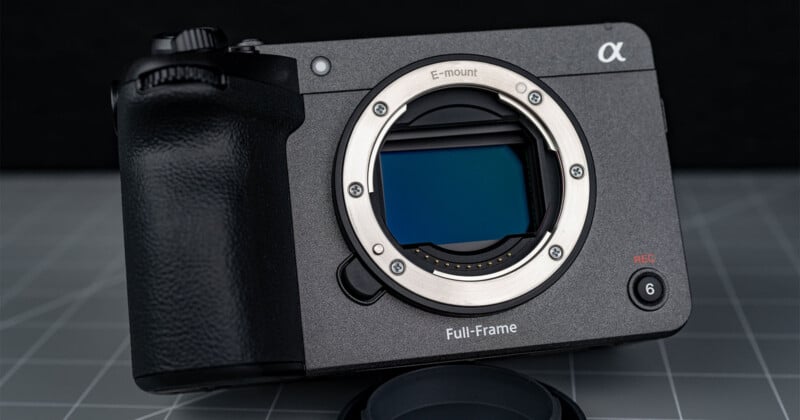
At its core, the Sony FX5 is built around a newly developed 16.6-megapixel sensor, which utilizes a Quad Bayer pattern. This sensor, paired with the state-of-the-art Bionz XR2 processor, provides a sophisticated balance between high-speed readout and cinematic resolution.
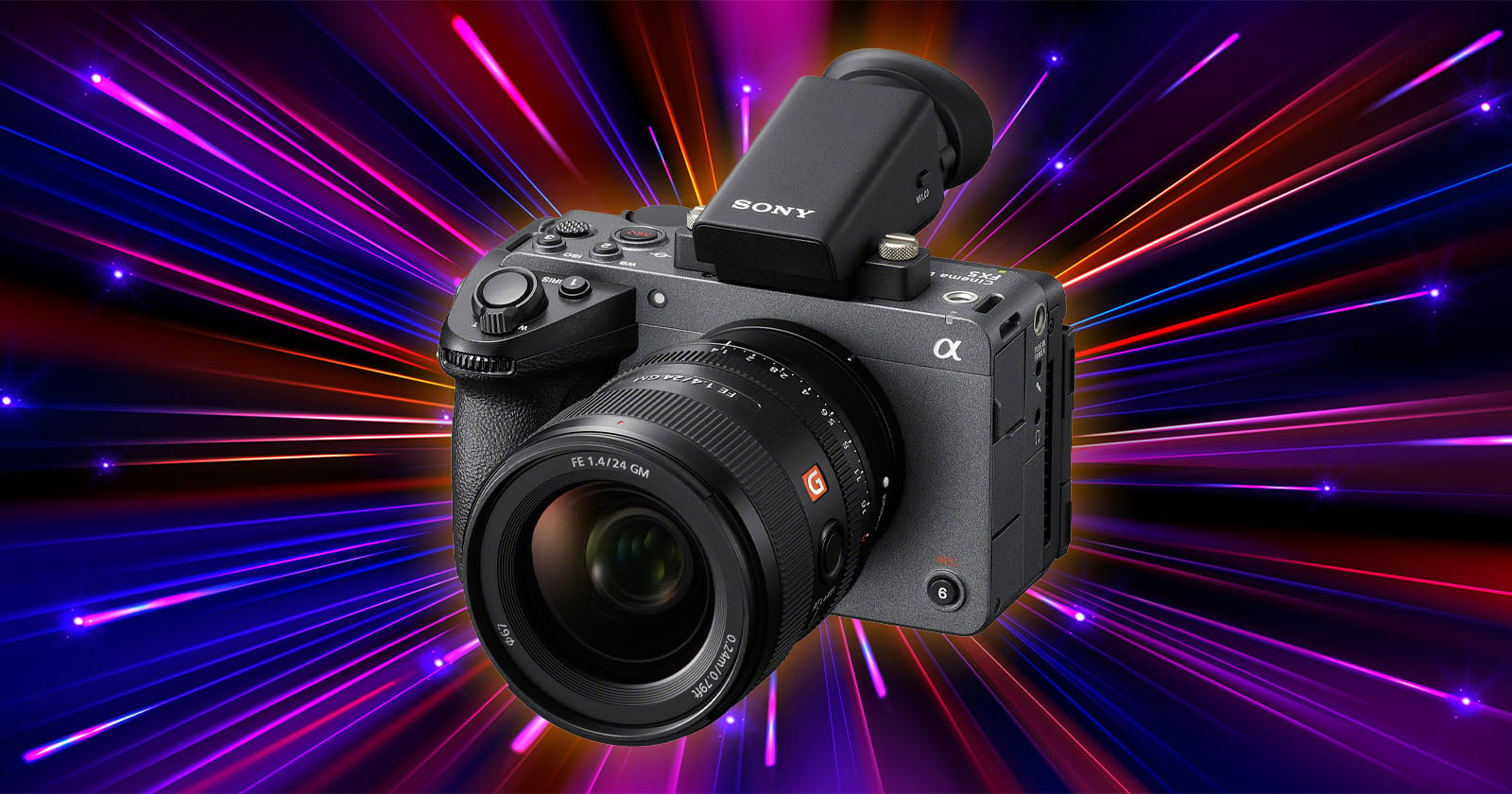
Unlike its predecessors, the FX5 occupies a unique middle ground. It is neither a successor to the FX3 nor a replacement for the FX6. Instead, it creates a new tier within the Sony hierarchy. Key technical specifications include:
- Internal 16-bit X-OCN RAW Recording: A milestone for the compact FX form factor.
- Open Gate Recording: Allowing for full sensor readout, essential for modern anamorphic workflows and flexible cropping.
- Resolution: Native 5K capture, providing a sweet spot for high-end digital intermediate workflows.
- Advanced Monitoring: Inclusion of built-in waveform and vectorscope tools directly in the interface.
- ISO Flexibility: Triple base ISO settings at 800, 4000, and 12800, offering unparalleled performance in challenging lighting conditions.
- AI-Driven Autofocus: The latest iteration of Sony’s industry-leading subject tracking, further refined for cinema-grade consistency.
A Chronology of Expectation and Evolution
The road to the FX5 was paved with years of "feature envy" among Sony users. When the FX3 and FX6 first arrived on the scene over five years ago, they were revolutionary. However, as competitors like Canon, Nikon, and Panasonic began to push the boundaries of internal RAW and Open Gate recording, the silence from Sony’s camp became deafening.
- 2020–2022 (The "Golden Era"): Sony dominated the mirrorless-cinema hybrid market with the FX3. Users were largely satisfied, viewing the camera’s limitations as acceptable tradeoffs for its size and low-light prowess.
- 2023–2025 (The Growing Divide): As social media trends and client demands shifted toward vertical video and anamorphic aesthetics, the lack of Open Gate became a significant pain point. During this period, industry discourse frequently circled the "Sony vs. The World" debate, with critics highlighting the absence of internal RAW and professional monitoring tools as major bottlenecks.
- July 2026 (The Turning Point): The official announcement of the FX5 marks the end of this friction. By delivering the features most demanded by the community, Sony has successfully pivoted from a company that dictates workflows to one that actively responds to them.
Supporting Data: Why These Features Matter
The inclusion of Open Gate is not merely a "check-the-box" marketing move; it is a fundamental shift in how professional content is captured. In an era where a single project often requires delivery for horizontal, vertical, and square aspect ratios, the ability to record the full sensor area allows creators to punch in or reframe without losing resolution.
Furthermore, the shift to 16-bit internal RAW is a direct response to the demands of colorists and production houses. By eliminating the need for external recorders, Sony has streamlined the rigging process for "run-and-gun" operators. The integration of the CineAlta-inspired user interface further signals that this camera is intended for professional use cases, moving away from the "Alpha-menu" style that often felt cumbersome in a cinema environment.
The Professional Implications
The FX5 is poised to disrupt the rental and purchase market. For the solo operator or the boutique production company, the FX5 offers the visual quality of a cinema camera in a package that fits into a standard camera bag.
However, the industry must remain pragmatic. The FX5 is not a replacement for the FX6, which retains its dominance through specialized professional hardware:
- Internal ND Filters: The lack of this in the FX5 remains its most glaring omission. For high-end productions, the speed and efficiency of internal NDs make the FX6 a more practical choice.
- Connectivity: The FX6’s inclusion of SDI and Genlock makes it an essential tool for live-broadcast and multi-camera environments, areas where the FX5 is clearly not intended to compete.
Consequently, the FX5 serves as the ultimate "A-cam" for independent creators and a highly capable "B-cam" for larger productions. It successfully lowers the barrier to entry for professional-grade RAW workflows while maintaining a price point—$4,900—that remains accessible for the mid-tier market.
Official Stance and Market Sentiment
While Sony has historically maintained a "quiet" development cycle, the design philosophy behind the FX5 suggests an internal audit of their product strategy. By acknowledging the limitations of their previous models, the engineering team has demonstrated a willingness to sacrifice internal uniformity for external versatility.
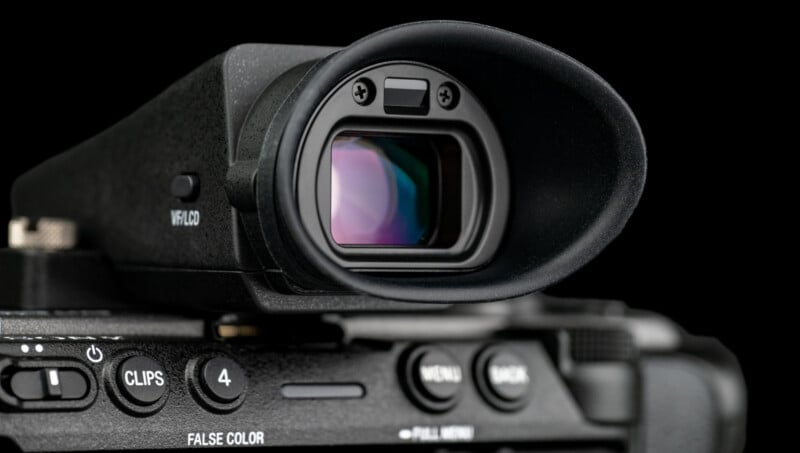
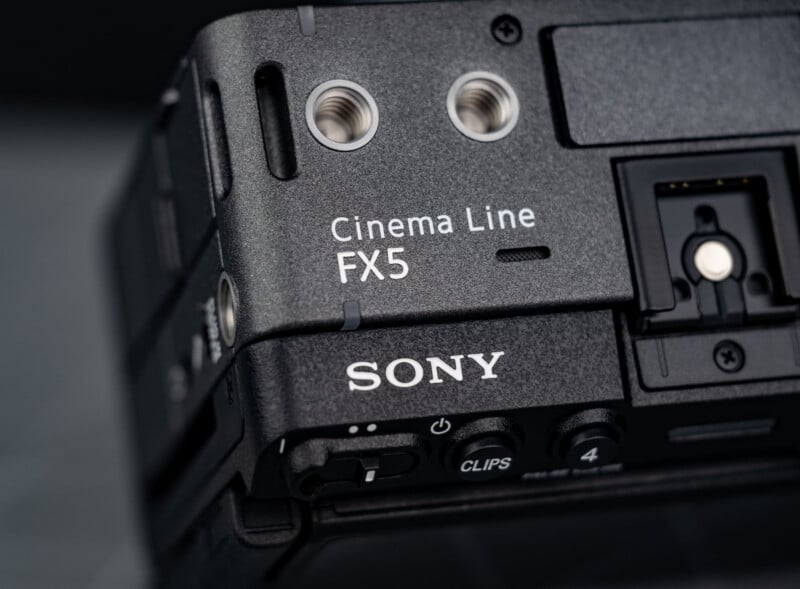
The decision to include a detachable Electronic Viewfinder (EVF) is particularly telling. While it occupies the Multi Interface (MI) shoe—creating a trade-off for those relying on 32-bit float audio attachments—it provides a tactile, professional experience for those who prefer eye-level composition. This represents a rare instance of Sony providing modularity, a trend that users hope continues in future iterations of the series.
Looking Ahead: The Future of the FX Series
The FX5 is, at its core, a signal of intent. It proves that Sony is capable of listening to the "noisy critics" and translating that feedback into tangible hardware. As we look toward the potential refresh of the FX6 or even an FX9 successor, the architecture established in the FX5—the sensor technology, the Bionz XR2 processing, and the refined UI—is likely to become the new standard.
The camera industry is currently in a state of hyper-competition. Five years ago, the feature set of the FX5 would have been the domain of cameras costing three times as much. Today, it is the new baseline for professional excellence.
For the professional filmmaker, the choice between the FX5 and the competition is no longer about which brand has the "missing features." It is now about which ecosystem best serves the specific demands of the project at hand. With the FX5, Sony has ensured that they are no longer the brand you choose in spite of its limitations, but rather the brand you choose because it has finally removed them.
The FX5 is a triumph of balance. It acknowledges the past, addresses the present, and sets a high bar for the future of the Cinema Line. As the industry continues to evolve toward higher dynamic range, more versatile aspect ratios, and faster RAW workflows, the FX5 stands as a testament to the idea that, at the professional level, the best camera is the one that gets out of the way of the artist.
 Suro Senen
  Reynand Wu
  Nana Muazin