

1. Main Facts: The New Gateway Experience in Three Rivers
For decades, the gateway towns bordering America’s most iconic national parks followed a predictable hospitality blueprint. Visitors seeking access to the ancient groves of Sequoia National Park typically chose between rustic, family-run cabins, basic roadside motels, or traditional pitch-your-own-tent campgrounds. In Three Rivers, California—the southern portal to the land of giants—this limited selection remained the status quo.
However, the opening of AutoCamp Sequoia has introduced a highly stylized, luxury glamping model to this rugged Sierra Nevada corridor. Located just outside the park’s boundary, the 85-accommodation property represents a growing shift in outdoor hospitality: the "premiumization" of the nature getaway.
+-----------------------------------------------------------------------+
|                         AUTOCAMP SEQUOIA AT A GLANCE                 |
+-----------------------------------------------------------------------+
| Location:          Three Rivers, California                           |
| Proximity:         ~10 minutes to Ash Mountain Entrance Station       |
| Total Inventory:   85 accommodations                                 |
| Key Unit Types:    Custom Airstreams, Cabins, Bunk Rooms, BaseCamps  |
| Primary River:     Middle Fork of the Kaweah River                    |
| Price Range:       $250 (off-season) to $700+ (peak summer) per night |
+-----------------------------------------------------------------------+
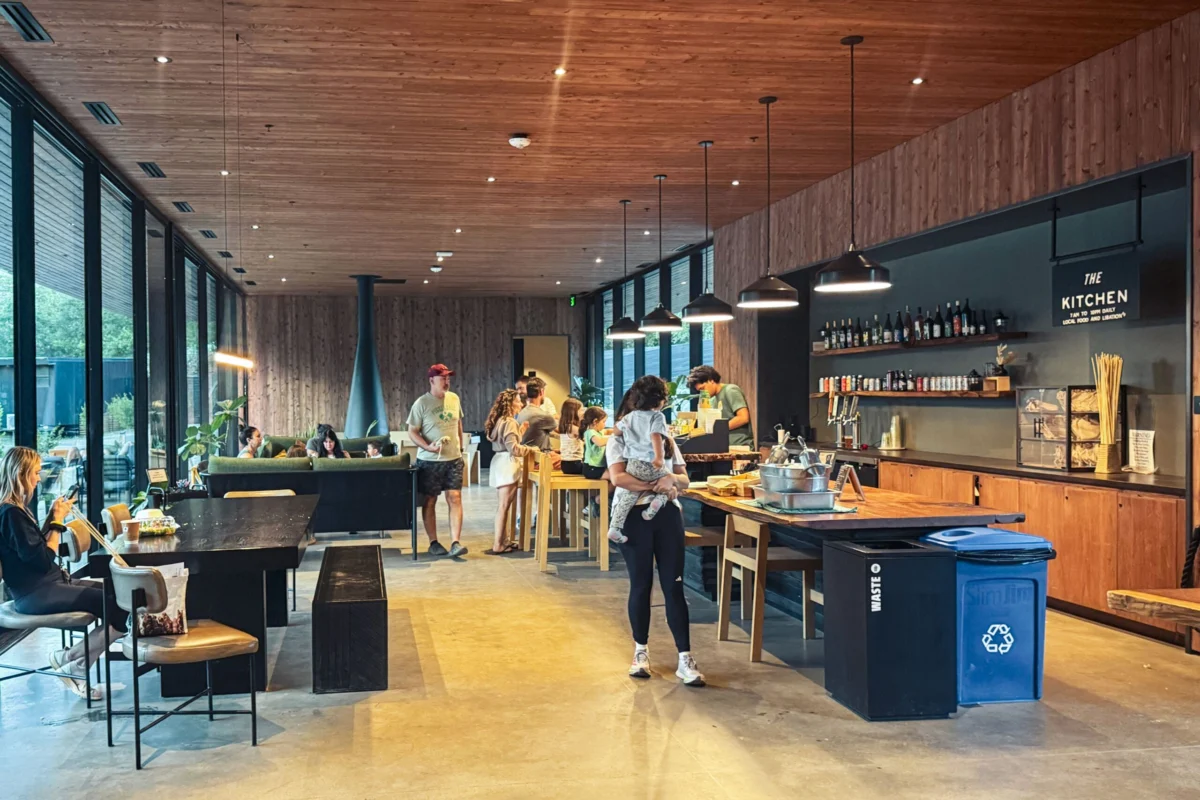
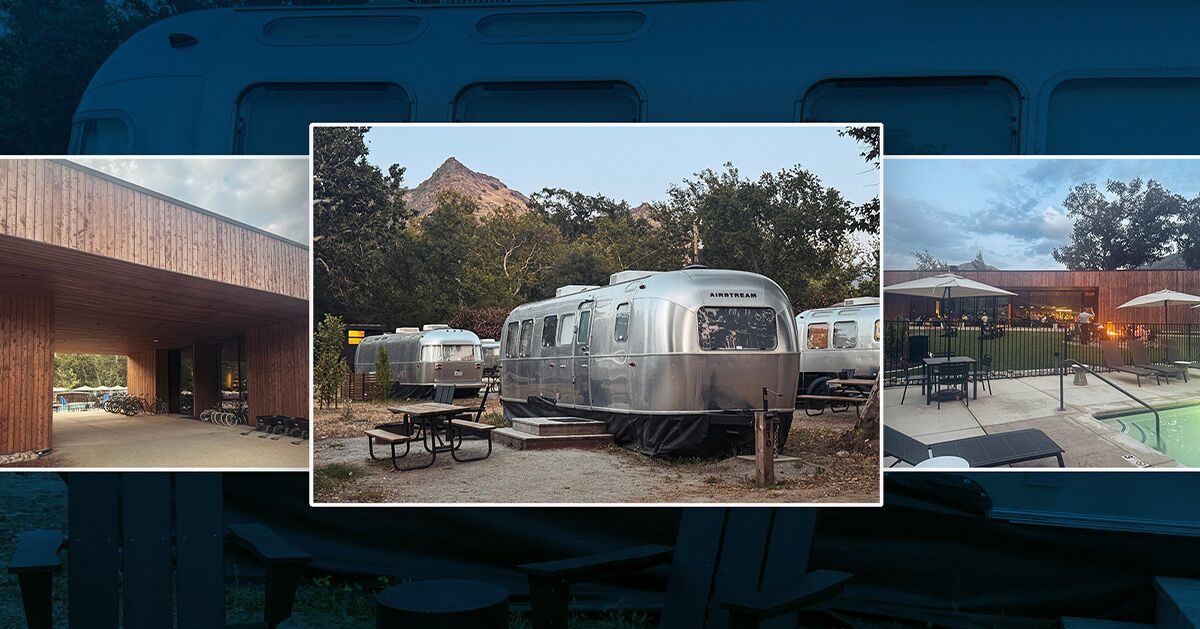
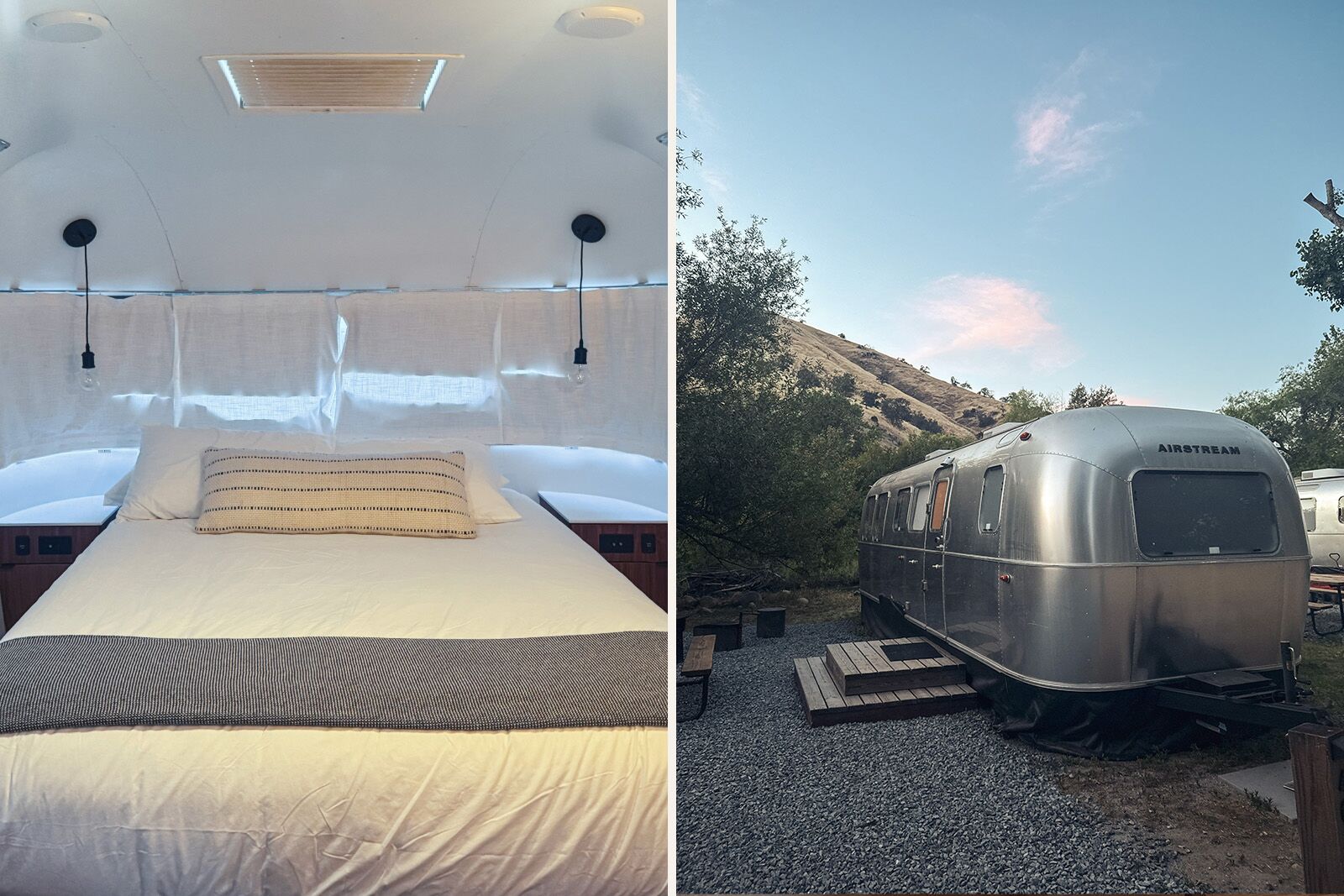
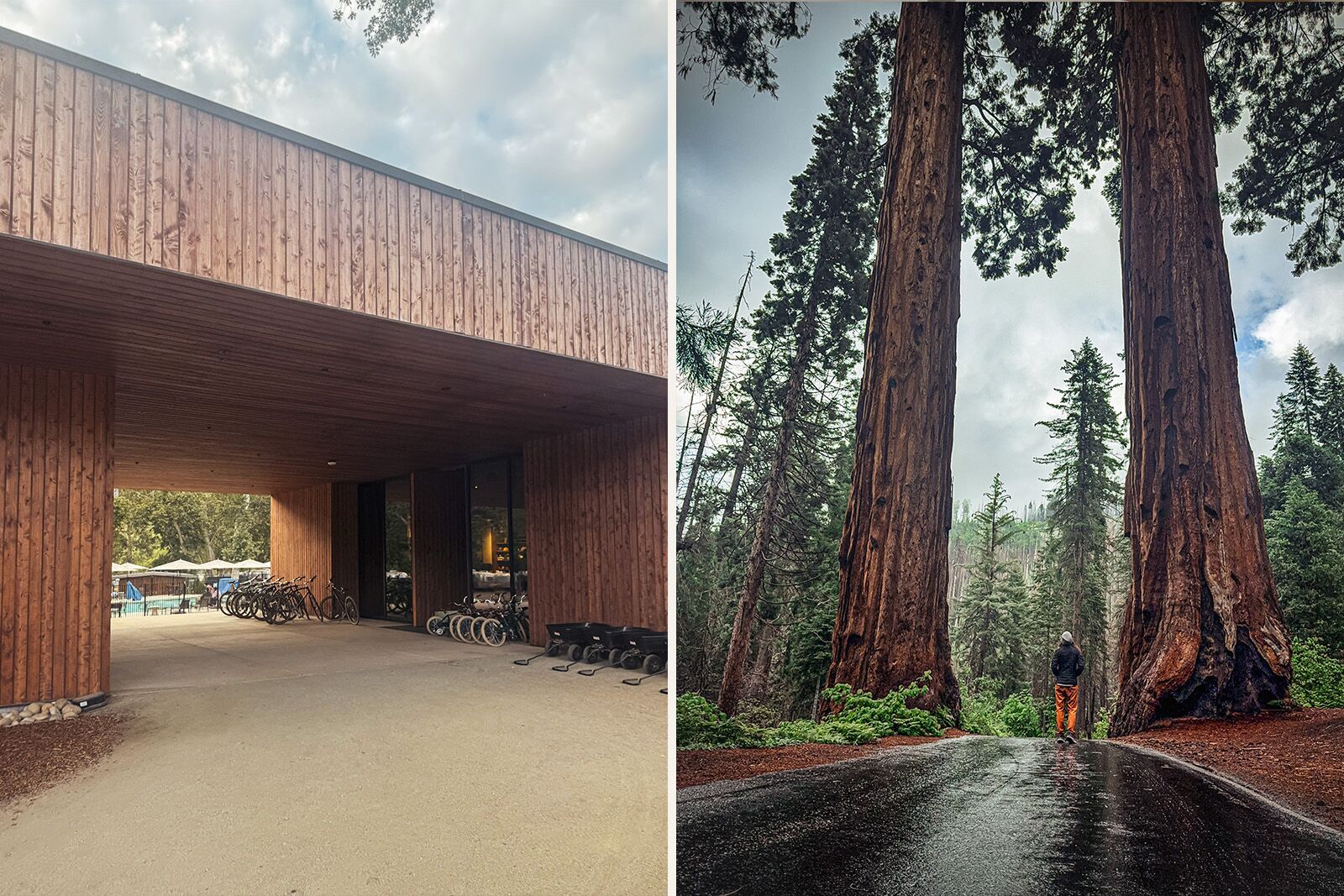
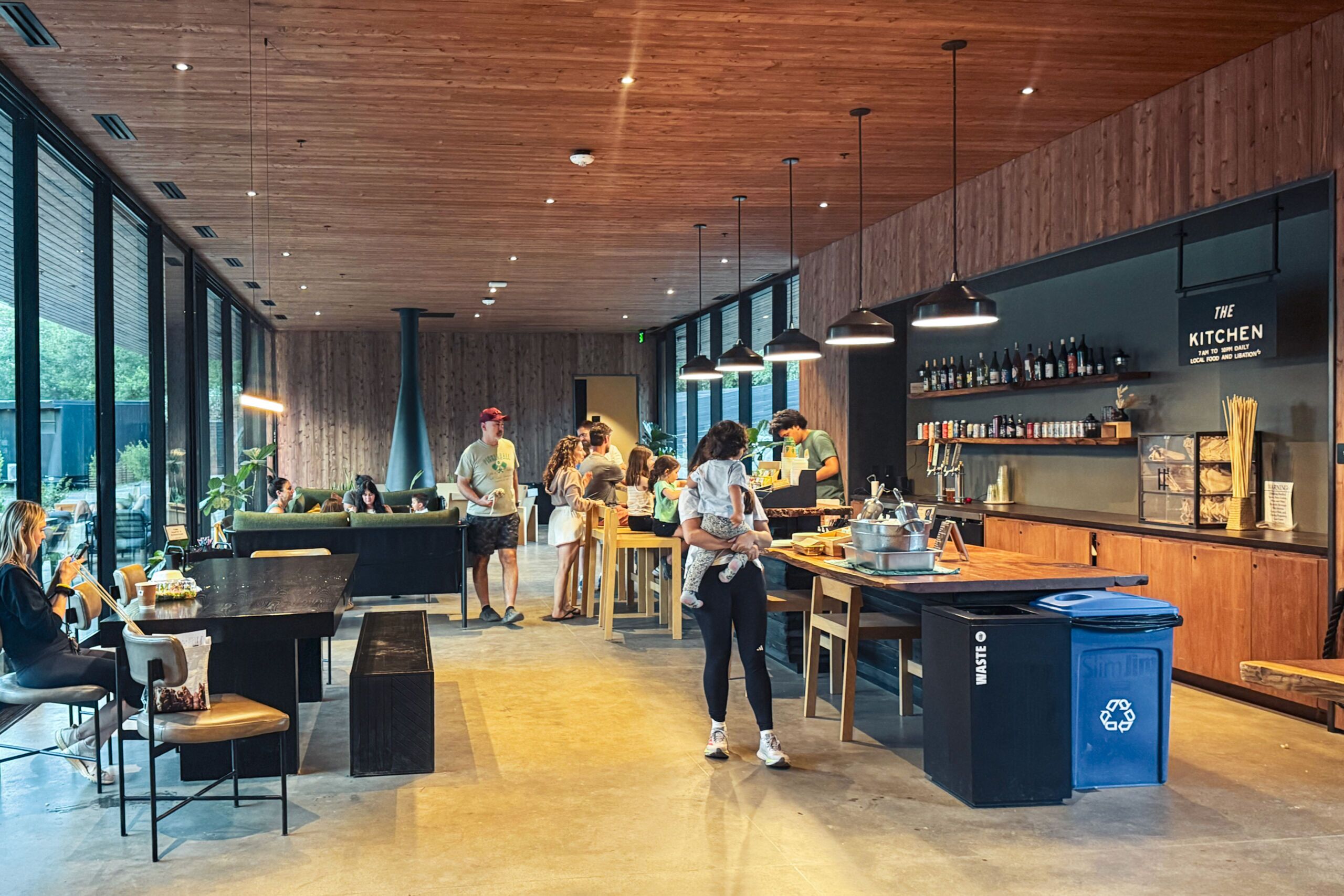
The property’s layout is centered around a modern, architectural clubhouse and sits along the Middle Fork of the Kaweah River. Its primary inventory consists of custom-renovated, 31-foot classic Airstream trailers. These shiny aluminum shells have been gutted and re-engineered with high-end, mid-century modern interiors designed to maximize space.
Each Airstream features:
- A dedicated bedroom with a queen mattress;
- A modern kitchenette equipped with a sink, microwave, mini-fridge, and a specialty coffee/tea station;
- A bathroom designed with contemporary fixtures and a walk-in shower;
- An individual outdoor living space featuring an Adirondack-chair-adorned patio, a private fire pit, and a dining table.
Beyond the signature silver trailers, AutoCamp Sequoia offers alternative accommodation types designed to capture different segments of the market. These include fully insulated cabins with private bedrooms and full kitchens, bunk rooms configured to sleep up to six guests, and "BaseCamp" suites—which pair a signature Airstream with an adjacent luxury canvas wall tent on a single deck, appealing to larger families or groups seeking a hybrid indoor-outdoor experience.
2. Chronology: A Day in the Life of a High-End Park Visitor
To understand why travelers are willing to pay luxury hotel rates for a modified trailer, one must look at the precise daily schedule of a national park visitor. The logistics of visiting Sequoia National Park are famously demanding, and the timeline of a stay at AutoCamp reveals how the property’s location acts as a strategic asset.
CHRONOLOGICAL PATHWAY OF A SEQUOIA VISIT
========================================================================
[06:30 AM] -> Complimentary breakfast & coffee at the AutoCamp Clubhouse
[07:00 AM] -> Depart property; 10-minute drive to Ash Mountain Entrance
[07:15 AM] -> Clear the park gate before peak congestion begins
[08:00 AM] -> Complete the 45-minute switchback climb to Giant Forest
[08:15 AM] -> Secure prime parking at General Sherman Tree trailhead
[05:30 PM] -> Return down the mountain after a 10+ hour hiking day
[06:15 PM] -> Arrive back at AutoCamp; riverside relaxation & dining
[08:00 PM] -> Communal programming (Ranger talks, fireside social hour)
========================================================================
Morning: The Race Against the Gate
The daily cycle begins at 6:30 AM in the modern AutoCamp Clubhouse. Guests gather for a complimentary continental breakfast consisting of freshly brewed coffee, tea, and local granola. The simplicity of this offering is intentional; it is designed for speed.
By 7:00 AM, early-rising travelers are in their vehicles, making the short 10-minute drive to the Ash Mountain Entrance Station. Arriving at the gate by 7:15 AM allows AutoCamp guests to bypass the notorious bottleneck that forms later in the morning.
By contrast, visitors staying in the larger valley hub of Visalia—located roughly an hour away—are still navigating the agricultural flatlands of the Central Valley.
Mid-Morning to Afternoon: Navigating the Giant Forest
Clearing the entrance station is only the first hurdle. From the park gate, visitors face a grueling, 45-minute climb up the Generals Highway—a steep, winding road dominated by sharp switchbacks that ascend from the foothill chaparral to the high-elevation sequoia groves.
Because AutoCamp guests secure an early start, they are typically climbing the mountain before heavy RV traffic slows the ascent.
By 8:15 AM, these early arrivals are parking at the General Sherman Tree or the Giant Forest Museum trailheads. In peak summer, these parking lots are notoriously competitive and often fill completely by mid-morning, forcing latecomers to park in distant overflow lots and rely on crowded park shuttles.
Evening: The Transition to Rest and Relaxation
After a demanding 10-to-12-hour day of high-altitude hiking, the return journey down the mountain begins. Navigating the steep switchbacks in reverse can be physically exhausting.
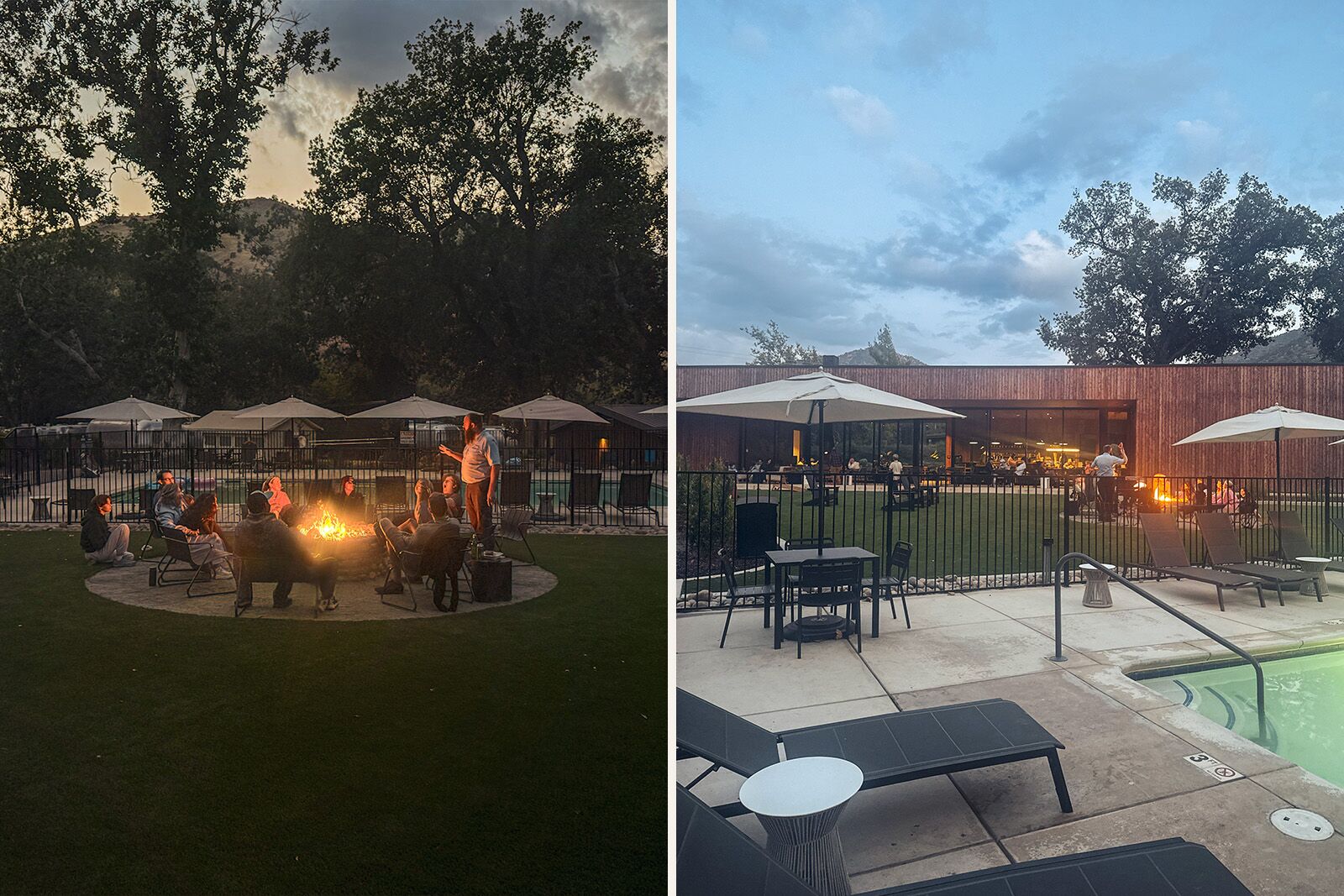
By 6:15 PM, visitors arrive back in Three Rivers. While the town of Three Rivers lacks a walkable downtown core, AutoCamp is designed to keep guests on-site. Tired hikers transition immediately from dusty trail gear to comfortable Adirondack chairs overlooking the Middle Fork of the Kaweah River. High-speed Wi-Fi and premium bedding provide a stark contrast to the basic amenities of traditional park motels.
By 8:00 PM, the resort’s evening programming begins. Guests congregate on the central lawn or around the communal fire pits. Depending on the night, activities range from educational ranger talks and family outdoor movie screenings to local craft beer tastings and stargazing sessions, wrapping up before the strict quiet hours take effect at 10:00 PM.
3. Supporting Data: Layout Constraints, Competitor Pricing, and Logistics
While the aesthetic appeal of a sleek Airstream is undeniable, a data-driven look at the property reveals both operational strengths and spatial limitations that potential guests must weigh.
Spatial and Layout Constraints
The compact nature of Airstream living means that guest satisfaction is highly dependent on trailer placement and occupancy levels.
ACCOMMODATION CAPACITY & USABILITY METRICS
+--------------------+----------------+------------------+-----------------------------+
| Accommodation Type | Max Capacity   | Ideal Occupancy  | Primary Drawback            |
+--------------------+----------------+------------------+-----------------------------+
| Classic Airstream  | 3 Adults       | 2 Adults         | Tight shower for guests >6' |
| BaseCamp Suite     | 6 Guests       | 4-5 Guests       | Weather-dependent tent space|
| Bunk Room Cabin    | 6 Guests       | 4-6 Guests       | Higher price point          |
| Vista Riverfront   | 3 Adults       | 2 Adults         | Premium booking fee         |
+--------------------+----------------+------------------+-----------------------------+- The Closeness Factor: Because the trailers are parked relatively close to one another to maximize the property’s footprint, sound carries easily. Foot traffic on the gravel paths and late-night arrivals dragging luggage can be disruptive to light sleepers.
- The Premium Option: The property’s premium units—the Vista Riverfront Airstream Suites—mitigate some of these privacy concerns. These units are situated directly along the Middle Fork of the Kaweah River, offering guests direct access to a private, guest-only lawn and beach area. The natural rushing sound of the river also acts as white noise, masking guest activity from adjacent trailers.
Market Comparison and Pricing Dynamics
The primary point of friction for AutoCamp Sequoia is its pricing model. During peak summer visitation, rates at the property can reach levels normally reserved for luxury urban hotels.
SUMMER PEAK LODGING COST COMPARISON (THREE RIVERS / VISALIA AREA)
========================================================================
[$$] Standard Visalia Motel (60 mins away)         | $120 - $180 / Night
[$$$$] Comfort Inn & Suites (Three Rivers)         | $280 - $350 / Night
[$$$$$$$] AutoCamp Sequoia (Peak Summer Rate)       | $420 - $720 / Night
========================================================================
While a $700+ nightly rate for a trailer may seem exorbitant, it is driven by intense seasonal demand and limited lodging inventory in the immediate Three Rivers area. Even the local Comfort Inn & Suites—a standard mid-range brand—frequently commands upwards of $300 per night during the peak summer months.
In contrast, during the late fall and winter shoulder seasons, AutoCamp’s rates drop into the mid-$200s, presenting a much more competitive value proposition for budget-conscious travelers.
4. Official Responses: The Economics of Seasonal Demand
To address concerns regarding the high cost of accommodations during the summer, hospitality brands point to the unique economics of national park gateway communities.
When asked about the property’s premium pricing structure, Bryan Terzi, Chief Commercial Officer of AutoCamp, provided the following explanation:
"Like many destinations that experience peak seasonal demand, rates at AutoCamp Sequoia fluctuate throughout the year. Summer is one of the most popular times to visit the region, with travelers drawn to longer days, warm weather, and access to iconic attractions like Sequoia National Park. As a boutique property with just 85 accommodations, AutoCamp Sequoia also experiences strong demand during the summer months, which is reflected in seasonal pricing."
This response highlights a fundamental reality of boutique outdoor hospitality. Properties like AutoCamp must capitalize on a relatively short peak window—typically running from Memorial Day through Labor Day—to offset lower occupancy rates during the wetter, colder winter months in the Sierra foothills.
Additionally, the proximity to major, high-income metropolitan areas plays a significant role in sustaining these high rates. Located within a three- to four-hour drive of both the San Francisco Bay Area and Los Angeles, AutoCamp Sequoia draws from a demographic of affluent urban professionals who prioritize convenience and design over traditional budget considerations.
5. Implications: The "Premiumization" of the Great Outdoors
The success of properties like AutoCamp Sequoia points to a broader transformation in how Americans interact with public lands. This trend, often described as the "premiumization" of the outdoor industry, has several lasting implications for travelers, gateway communities, and the environment.
THE "PREMIUMIZATION" IMPACT MATRIX
+------------------------+-----------------------------------+-----------------------------------+
| Stakeholder            | Positive Implications             | Negative Implications             |
+------------------------+-----------------------------------+-----------------------------------+
| Modern Travelers       | Low-barrier access to nature;     | High cost of entry;               |
|                        | hotel-style amenities & comfort.  | pricing out middle-class families.|
+------------------------+-----------------------------------+-----------------------------------+
| Gateway Communities    | Boost in local tax revenues;      | Increased housing pressure;       |
|                        | job creation in hospitality.      | gentrification of rural towns.    |
+------------------------+-----------------------------------+-----------------------------------+
| National Parks         | Dispersal of visitors;            | Increased trail congestion;       |
|                        | structured educational programs.  | pressure on park infrastructure.  |
+------------------------+-----------------------------------+-----------------------------------+
Lowering the Barrier to Entry
Historically, visiting a rugged destination like Sequoia National Park required a significant investment in specialized gear, camping expertise, and physical preparation. By offering pre-pitched luxury tents, temperature-controlled Airstreams, on-site dining, and structured activities, AutoCamp lowers the barrier to entry. This setup allows families, international tourists, and less outdoorsy travelers to experience the national parks without the logistical friction of traditional camping.
The Gentrification of Gateway Towns
As luxury brands move into rural gateway communities, they inevitably alter the local economic landscape. While these developments generate significant local tax revenue and create service-sector jobs, they also contribute to rising real estate values. This shift can price out seasonal park rangers and local residents, transforming once-accessible mountain towns into exclusive enclaves for affluent travelers.
A Shift in Visitor Expectations
The rise of luxury glamping reflects a fundamental shift in traveler expectations. Modern vacationers increasingly view time—rather than money—as their most precious commodity. The value of AutoCamp Sequoia lies not just in the novelty of sleeping in a vintage-style trailer, but in the seamless integration of logistics:
- Eliminating the need to pack and set up gear;
- Providing on-site food and beverage programs that bypass the need to hunt for dining options in a small town;
- Granting a 10-minute head start to the park entrance to maximize time spent among the giant sequoias.
For travelers who value design, community programming, and efficiency, this model of high-end convenience has redefined the classic American road trip. For those traveling on a budget, however, the trend serves as a reminder that access to the country’s most beautiful natural wonders is becoming an increasingly expensive luxury.
 Ammar Sabilarrohman
  Raul Delapena Setiawan
  Nila Kartika Wati