

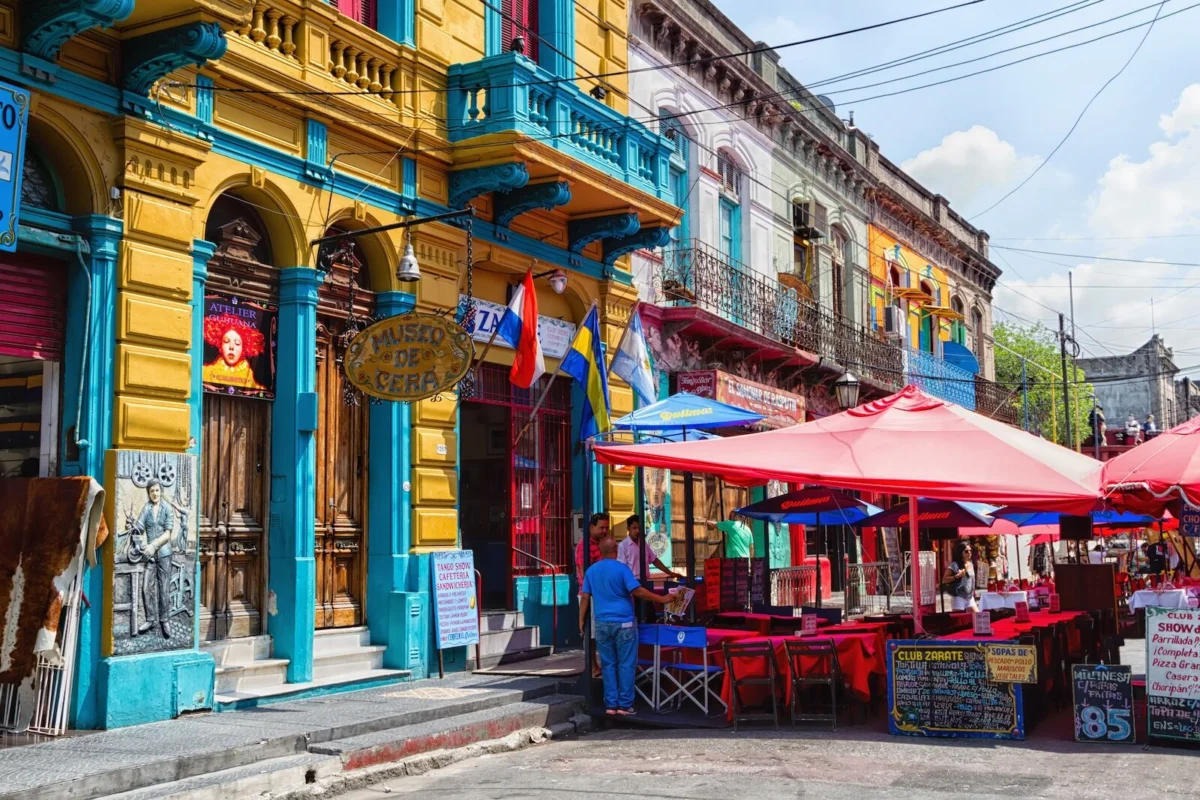
In an era of rising inflation and volatile exchange rates, the dream of international travel often feels increasingly out of reach for the average globetrotter. However, a closer look at the world’s most vibrant urban centers reveals a surprising truth: some of the most culturally enriching destinations on the planet remain remarkably accessible. From the sprawling markets of Southeast Asia to the historic heart of the Middle East, savvy travelers can experience world-class art, culinary wonders, and architectural marvels without depleting their savings.
This report examines ten cities that represent the gold standard for budget-conscious exploration, where an average daily expenditure—covering food, lodging, and local transit—remains under $80.
Main Facts: The Economics of Affordable Tourism
The data provided by travel cost calculators indicates that the most budget-friendly destinations are not necessarily those with the least to offer. Instead, they are cities where the local cost of living allows for a high quality of life at a fraction of the cost found in Western Europe or North America.
When analyzing these top ten cities—Beijing, Warsaw, Buenos Aires, Lima, Istanbul, Kuala Lumpur, Marrakech, Bangkok, Cairo, and Delhi—a pattern emerges. In these locations, the "experience-to-cost" ratio is heavily skewed in the traveler’s favor. For example, in cities like Istanbul and Cairo, the sheer density of historical sites allows for days of exploration that cost virtually nothing beyond the price of a modest meal.
Average Daily Cost Breakdown
- The Ultra-Budget Tier ($38–$39): Delhi, Cairo, Bangkok, Marrakech, Kuala Lumpur.
- The Mid-Range Value Tier ($45–$50): Istanbul, Lima, Buenos Aires.
- The Accessible Economic Hubs ($78): Beijing, Warsaw.
Chronology: The Evolution of Global Accessibility
The rise of these cities as premier travel destinations has not happened overnight.
The 2000s: The Rise of Infrastructure
The early 2000s saw a massive investment in infrastructure in cities like Beijing and Kuala Lumpur. Beijing’s rapid development, culminating in the 2008 Olympics, transformed the city into a global powerhouse, yet it maintained a price point that allowed locals and international backpackers to coexist.
2010–2018: The Digital Nomad Boom
During this period, cities like Bangkok and Buenos Aires cemented their reputations as hubs for remote workers. As digital nomads sought affordable, high-culture environments, these cities responded by expanding their hostel and guesthouse sectors, driving down lodging costs through increased supply.
2020–Present: The Post-Pandemic Pivot
Following the global travel slowdown, many of these cities revitalized their tourism sectors by emphasizing local, authentic experiences over mass-market luxury. Today, the focus has shifted toward "experiential tourism"—street food tours, local artisan markets, and free municipal museums—which inherently favor the budget traveler.
Supporting Data: Where Your Money Goes
To understand how these cities remain affordable, one must look at the specific cost drivers of travel.
Lodging and Dining
In Beijing, where lodging averages $29 a night, the sheer volume of available accommodation ensures competition keeps prices low. Similarly, in Istanbul, one can secure a comfortable room for as little as $22. When it comes to dining, the model of "street-first" consumption—such as the exquisite boiled tripe on Wangfujing Snack Street or fresh balik ekmek in Istanbul—allows travelers to eat well for under $10 a day.
Cultural Entry Fees
The concept of the "free museum" is a pillar of affordable travel in these regions.
- Warsaw: Offers free entry to the National Museum on Tuesdays.
- Lima: Provides access to iconic churches and the changing of the guard at the Palacio del Gobierno at no charge.
- Delhi: Offers free screenings and gallery access at the India Habitat Centre.
Official Responses and Tourism Strategies
Tourism boards in these regions have increasingly adopted a "Value-First" marketing strategy. Rather than attempting to compete with the luxury markets of London or New York, cities like Kuala Lumpur and Marrakech are positioning themselves as "Culture Hubs."
"We are not selling a five-star hotel room; we are selling a thousand years of history," says a spokesperson for a regional tourism initiative. By subsidizing the preservation of heritage sites—such as the medinas in Morocco or the historic enclaves in Cairo—these governments ensure that their primary attractions remain accessible to the masses. This strategy, they argue, creates a more resilient tourism economy that is less susceptible to the fluctuations of the high-end luxury market.
Implications: The Future of Responsible Exploration
The accessibility of these cities has profound implications for the future of international travel.
1. The Democratization of Travel
As airfare remains a significant hurdle, the ability to travel affordably on the ground is what keeps international tourism democratic. By focusing on these low-cost destinations, travelers from diverse economic backgrounds can gain the cross-cultural exposure that is vital for a globalized society.
2. Economic Impact on Local Communities
While budget travel is often associated with "cheapness," it is, in fact, a vital economic engine for local small businesses. When a traveler spends $15 on a street-side ceviche in Lima or $10 on a tagine in Marrakech, that money stays directly within the community, supporting local families and artisans rather than international hotel conglomerates.
3. Sustainability and Over-Tourism
The primary challenge for these affordable cities is managing the influx of visitors. As these destinations gain popularity on social media, the risk of "over-tourism" becomes a reality. The challenge for local municipalities is to scale their infrastructure—public transport, waste management, and site preservation—without raising prices to a point that excludes the very travelers who built their local economies.
Conclusion: Strategic Budgeting for the Global Traveler
The cities outlined in this guide prove that financial constraints need not be a barrier to world-class exploration. Whether it is the historic, bustling streets of Delhi, the sophisticated cafe culture of Buenos Aires, or the ancient, sun-drenched squares of Marrakech, the world remains open to those who know where to look.
By prioritizing local markets over tourist traps, utilizing free public cultural institutions, and embracing the street-food culture that defines these cities, the modern traveler can enjoy a life-changing experience on a modest budget. The key is to shift the perspective from "how much can I spend" to "how much can I engage." In these ten cities, engagement is often free, and the memories are priceless.
Quick Reference Table: Budget Snapshot
| City | Avg. Daily Cost | Key Affordable Experience |
|---|---|---|
| Beijing | $78 | Strolling the historic Hutongs |
| Warsaw | $78 | Vistula River summer beaches |
| Buenos Aires | $50 | Free tango lessons and local cafes |
| Lima | $50 | Fresh ceviche at beachside bodegas |
| Istanbul | $45 | Visiting the 600-year-old Grand Bazaar |
| Kuala Lumpur | $39 | Hiking the KL Forest Eco Park |
| Marrakech | $38 | Navigating the historic Medina |
| Bangkok | $38 | Visiting free museums and temples |
| Cairo | $38 | Exploring the Coptic and Fatimid quarters |
| Delhi | $38 | Finding tranquility at Lodhi Gardens |
Note: All costs are estimates based on standard backpacker-style travel. Prices may fluctuate based on season, currency exchange, and individual spending habits.
 Nila Kartika Wati
  Iffa Jayyana
  Reynand Wu