

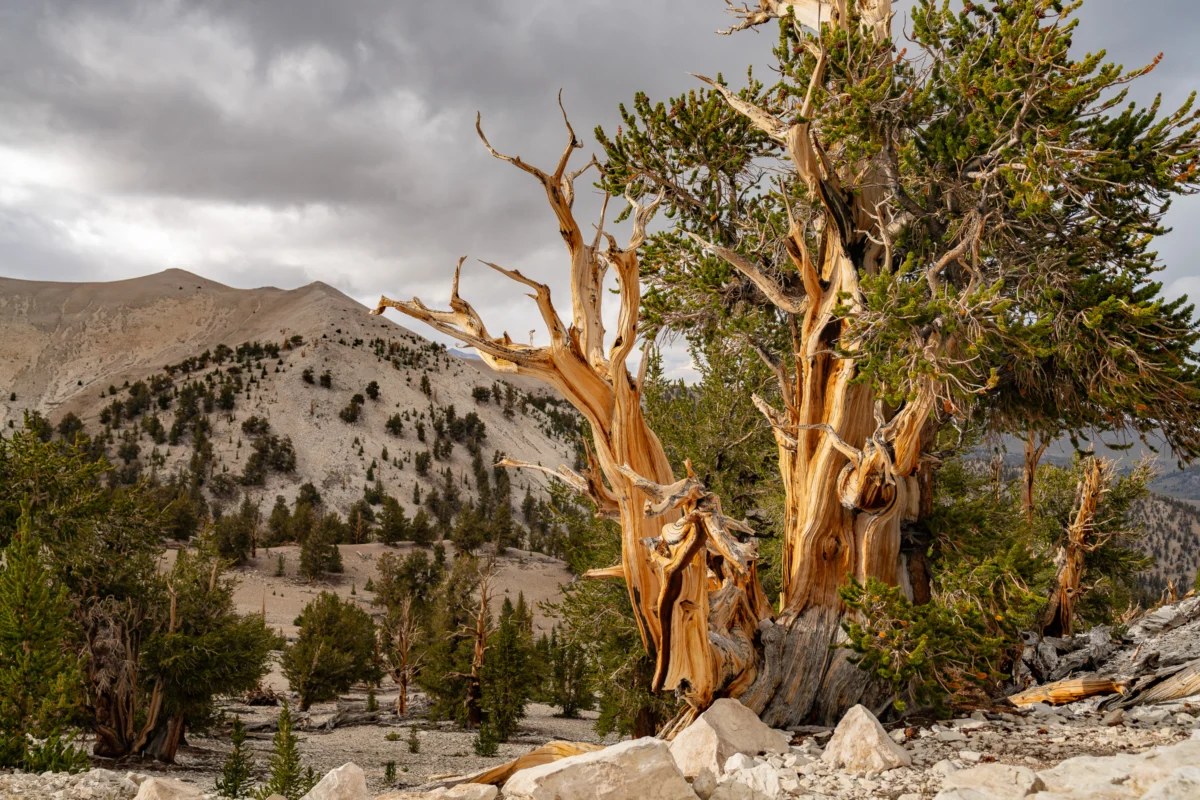
In an era defined by digital saturation and rapid environmental change, it is easy to lose sight of the tactile, ancient, and majestic realities of our planet. From the debris-strewn shores of the Pacific Northwest to the towering, carbon-sequestering cathedrals of California’s redwood forests, our relationship with the natural world is mediated by how we choose to look at it.
Adventure Journal 42 explores the lives of three distinct forces—a beachcomber, an artist, and a pair of filmmaker-advocates—who are fundamentally altering our perception of the landscape. Through their unique lenses, they transform the mundane into the meaningful and the forgotten into the vital.
I. The Archive of the Tide: John Anderson’s Extreme Beachcombing
The Philosophy of the Shore
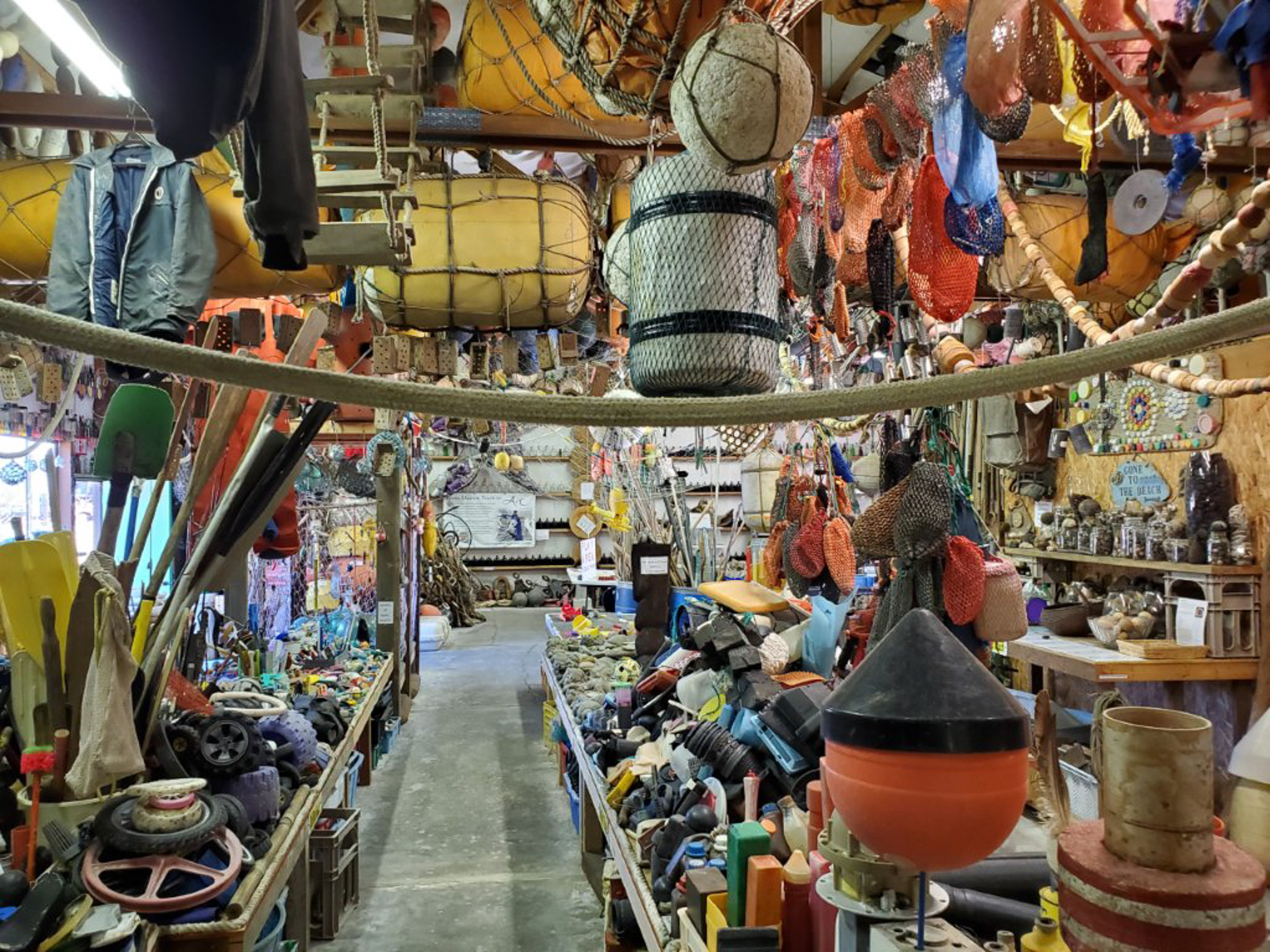
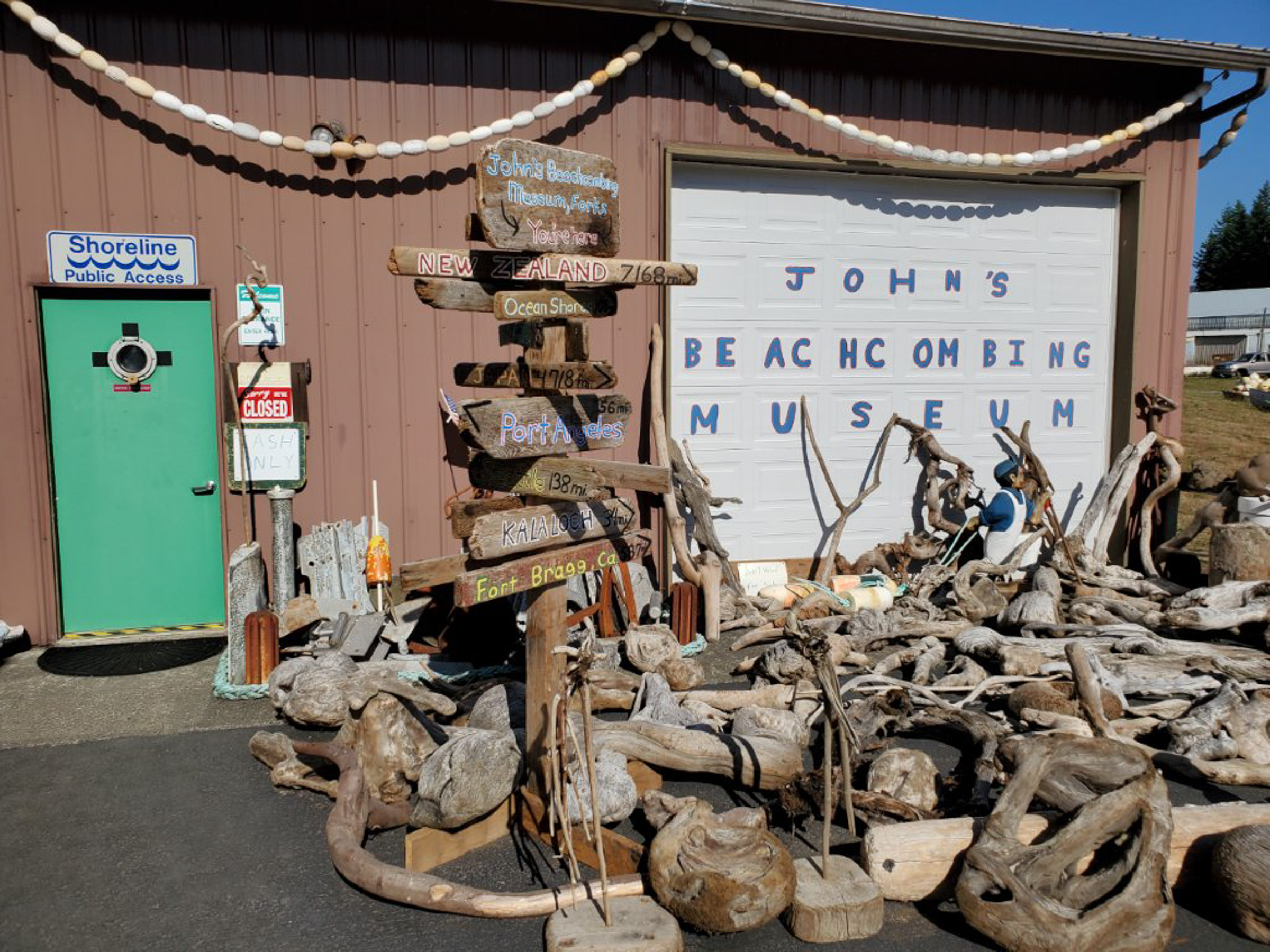
John Anderson, a former plumber turned curator of the unconventional, operates on a simple premise: if it washes ashore, it has a story. Located on Washington’s rugged Olympic Peninsula, Anderson’s Beachcombing Museum—the first of its kind in the nation—is a testament to the random, chaotic, and often poignant nature of global currents.
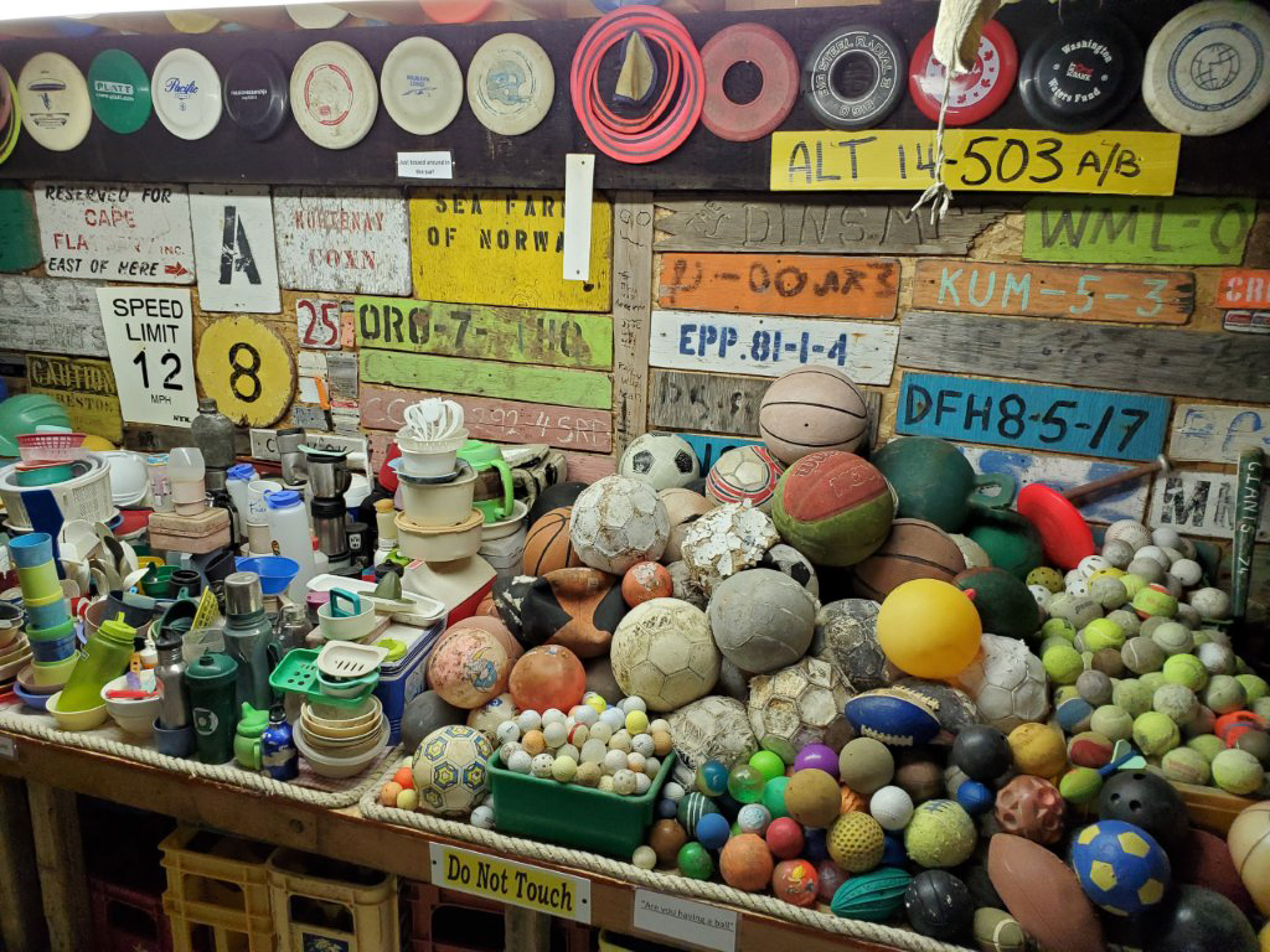
The museum is a sensory overload of the sea’s leftovers. There are fishing lures that once teased deep-sea predators, weather-beaten sneakers, and a haunting collection of Raggedy Ann dolls. To the casual observer, it might look like a salvage yard. To Anderson, it is a historical record of human activity written in plastic, wood, and bone.
Chronology and Practice
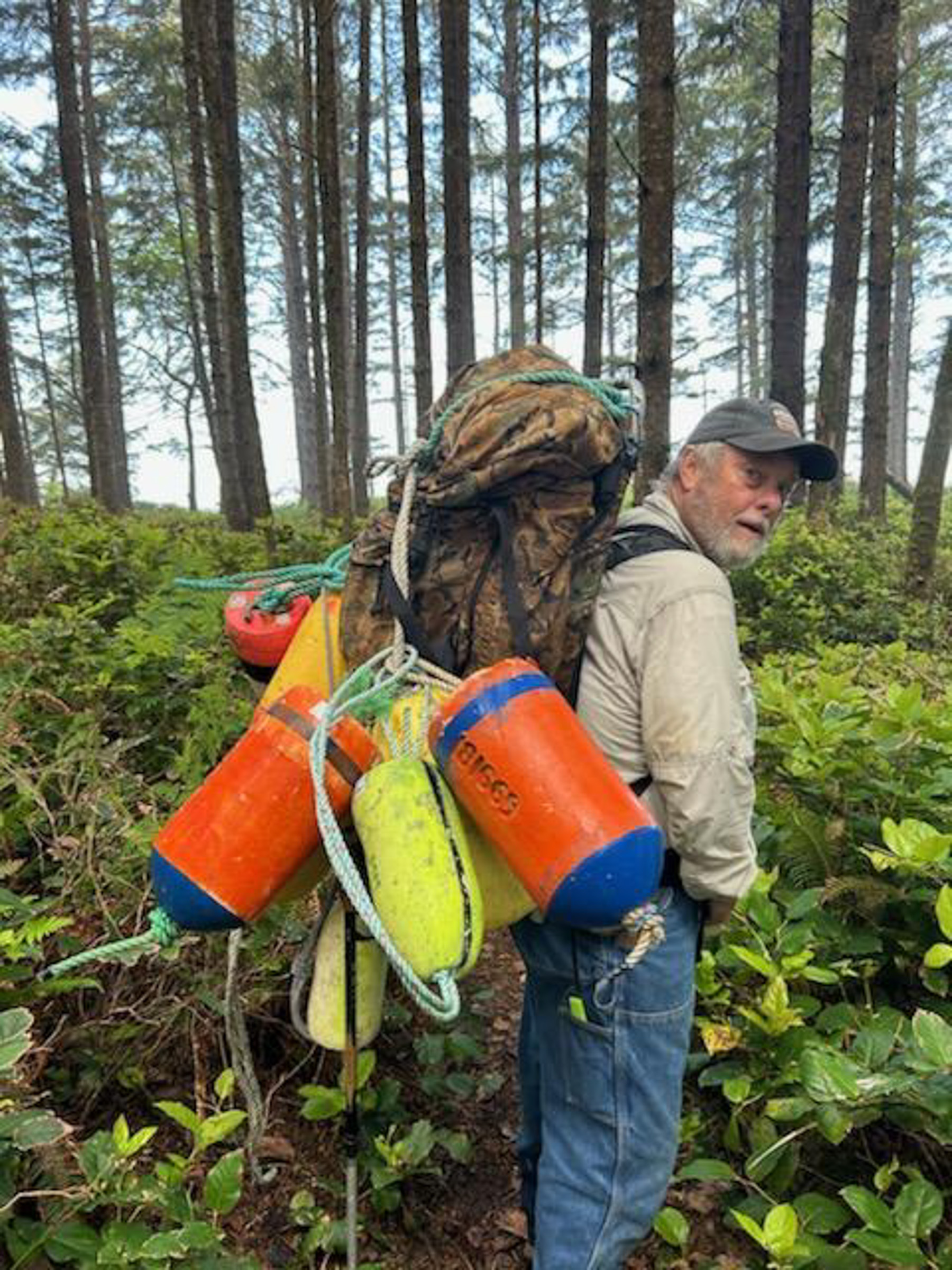
Anderson’s journey began nearly fifty years ago. What started as a childhood fascination with "interesting things" evolved into an endurance sport he calls "extreme beachcombing." This is not a leisurely stroll; it involves multi-day hikes through dense, temperate rainforests and, on occasion, 62-hour marathons of continuous beach traversal.
His most prized finds are not the valuable ones, but the personal ones. He maintains meticulous binders of handwritten notes found in glass bottles, often acting as a bridge across time. If the sender can be located, Anderson initiates a correspondence—a slow, deliberate exchange mediated by the tides.
The Human Implication
Anderson’s work forces us to confront the permanence of our consumption. When a container ship loses its cargo in a typhoon, the resulting "jetsam" becomes a global environmental issue. Yet, by documenting these items, Anderson transforms them from pollution into a mirror of human existence, reminding us that every discarded object was once held by a hand.
II. Jane Kim: The Biological Tapestry of the Redwoods
Making the Hidden Visible
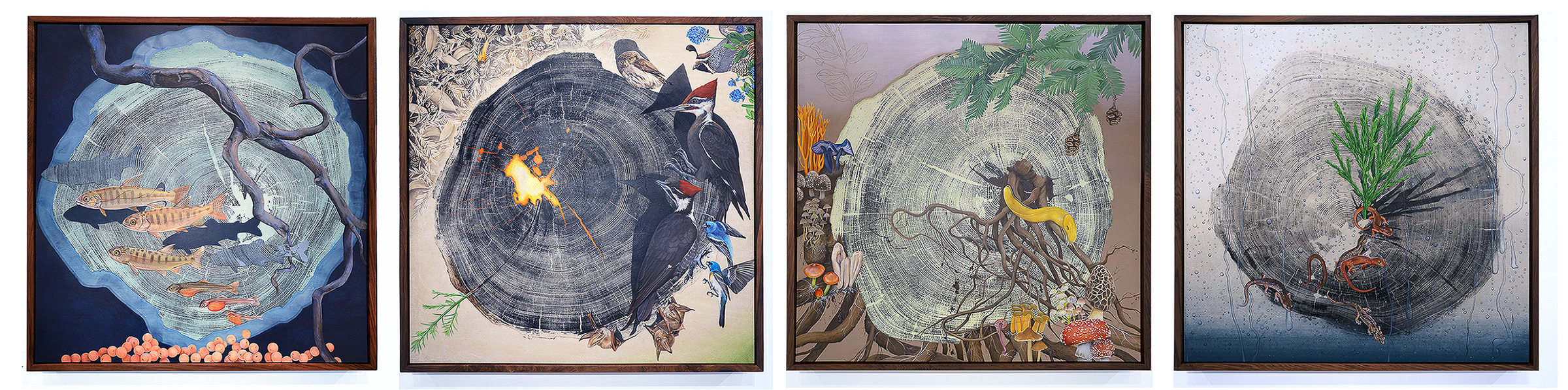
Artist Jane Kim, renowned for her Migrating Mural series, has pivoted her focus to the intricate, often invisible, biological networks of the redwood forest. Her latest project, Sempervirens in Elementis, began with a "cookie"—a cross-section of a 500-year-old redwood stump.
For Kim, these rings are not just markers of age; they are a vinyl record of climate history, documenting droughts, fire events, and periods of rapid growth. By creating large-scale prints and paintings from these rings, Kim bridges the gap between scientific data and artistic appreciation.
Chronology of a Fellow
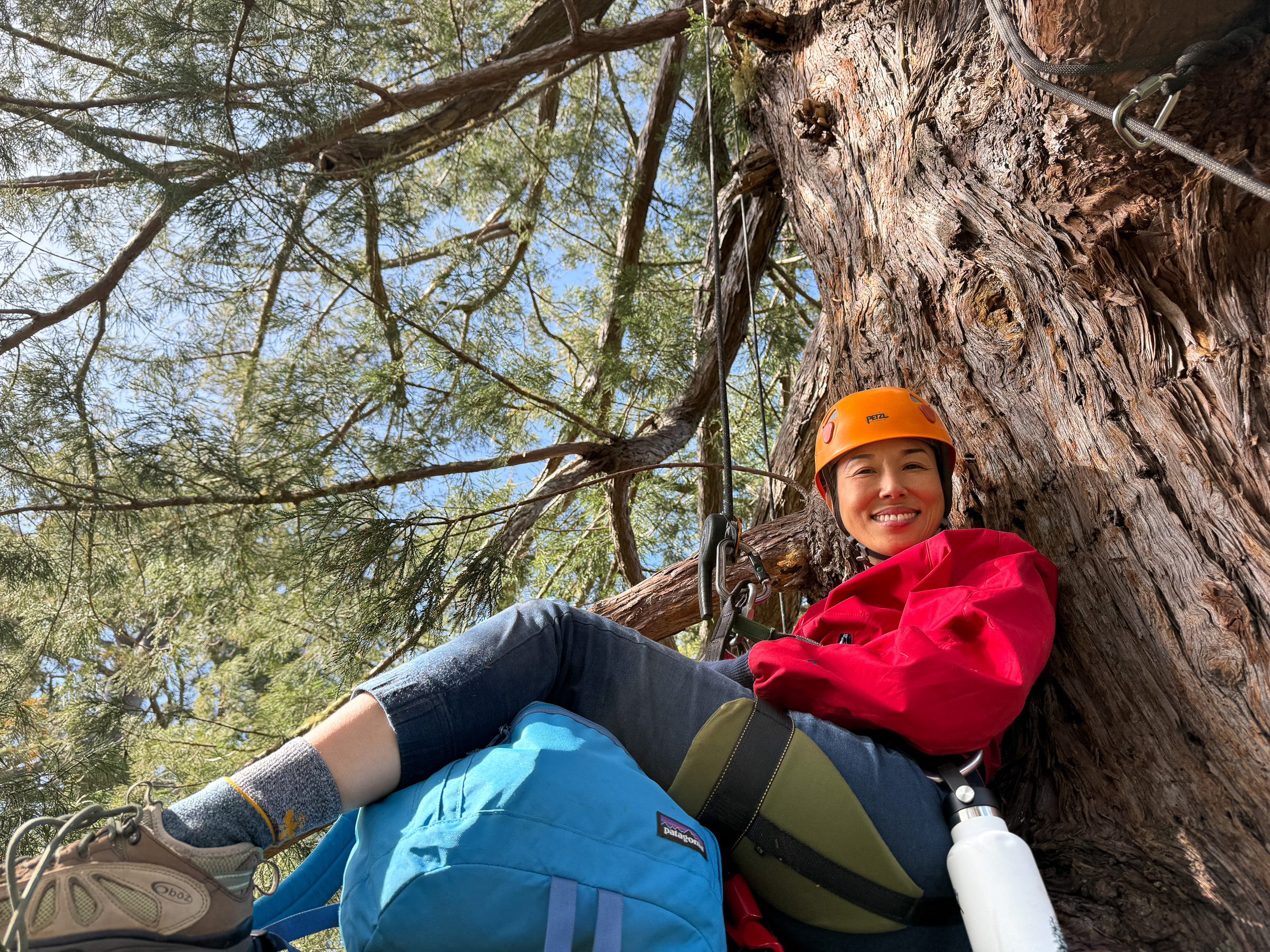
As the inaugural Forest Fellow for the Sempervirens Fund, Kim moved beyond the canvas and into the canopy. Her residency included climbing 200-foot trees and working alongside field ecologists to understand the "beautiful strangeness" of the redwood ecosystem. This included studying the symbiotic relationship between fungal networks, coastal fog, and salmon populations.
Official Perspectives and Implications
The scientific community has increasingly turned to art as a vehicle for environmental advocacy. Kim’s work suggests that when people understand the "stillness" and the complex, reciprocal networks of a forest, their protective instincts are engaged. As she notes, redwoods emit specific chemical signatures that induce calm in humans—a biological "handshake" between the tree and the observer. By visualizing these connections, Kim moves conservation from the realm of abstract policy to a visceral, personal experience.
III. The Pattiz Brothers: From Cinematic Love Letters to Policy Defense
A Decade of Visual Advocacy
If you have ever been moved by a short film to visit a National Park, there is a high probability it was produced by Jim and Will Pattiz. Their project, More Than Just Parks, began a decade ago with a borrowed grandmother’s Prius and a shared sense of wonder.
The brothers captured the American West with a cinematic grandeur that had previously been reserved for high-budget documentaries. They weren’t just filming scenery; they were filming our collective heritage.
Supporting Data and Evolution
What began as an artistic pursuit quickly shifted toward advocacy. The brothers’ early films, which documented the raw beauty of places like Olympic National Park, were met with millions of views, proving that there was a massive, untapped audience for public land storytelling.
However, the reality of filming in the backcountry—battling black bears, surviving harsh winters, and navigating extreme terrain—brought them face-to-face with the fragility of these protected spaces. This led to a strategic pivot. More Than Just Parks evolved from a production house into a policy-focused advocacy organization. Today, they provide:
- Investigative Journalism: Exposing the threats to public lands.
- Congressional Scorecards: Grading representatives on their environmental voting records.
- Threatened Lands Maps: Providing real-time data on areas under legislative or industrial risk.
The Shift from Celebration to Defense
The Pattiz brothers’ trajectory is a microcosm of the modern environmental movement. They realized that "celebrating" nature is no longer enough. To ensure these places exist for the next generation, one must engage in the "fights that matter." Their transition from aesthetic storytelling to hard-nosed political analysis underscores a sobering reality: we have reached a point where the defense of our public lands requires both the beauty of a film and the teeth of a policy document.
Synthesis: The New Frontier of Perception
Whether through the lens of John Anderson’s salvaged plastics, Jane Kim’s biological rings, or the Pattiz brothers’ cinematic advocacy, these individuals share a common thread: they are changing how we perceive the world by slowing us down.
Key Implications for the Public
- Re-evaluating Consumption: Anderson’s museum acts as a physical database of our global waste, forcing us to consider the life cycle of the objects we use.
- Scientific Literacy through Art: Kim’s work proves that complex ecological concepts—such as mycorrhizal networks or dendrochronology—can be made accessible and emotionally resonant through art.
- Active Citizenship: The Pattiz brothers demonstrate that the transition from a passive nature-lover to an active defender of public lands is the necessary evolution for anyone who claims to "love" the outdoors.
Closing Reflections
In each case, these visionaries have moved beyond simple observation. They have developed a methodology for connection. By cataloging the flotsam of the ocean, mapping the rings of the redwoods, and tracking the legislative threats to our national forests, they provide a blueprint for how we might better understand our place in the world.
As we look toward the future of our environment, the lesson is clear: the world is not merely a backdrop for our lives. It is a living, breathing archive of our history and a fragile network that requires our constant, informed attention. Through the eyes of these creators, we are not just seeing the world differently; we are seeing it with the clarity required to protect it.
Appendix: Curated Cultural Contexts
To understand the spirit of these visionaries, it is helpful to look at the media that shapes their worldview:
- For the Beachcomber: Lady on the Beach by Norah Berg offers a classic perspective on coastal living.
- For the Forest Artist: The Fourth Turning by Strauss and Howe provides the historical context for the cyclical nature of our civilization, much like the rings of a tree.
- For the Advocate: Aldo Leopold’s A Sand County Almanac remains the gold standard for the land ethic that drives the Pattiz brothers’ work.
These works, like the people featured in this article, remind us that the way we engage with our culture—and our nature—is a defining characteristic of our humanity.
 Raul Delapena Setiawan
  Siti Muinah