

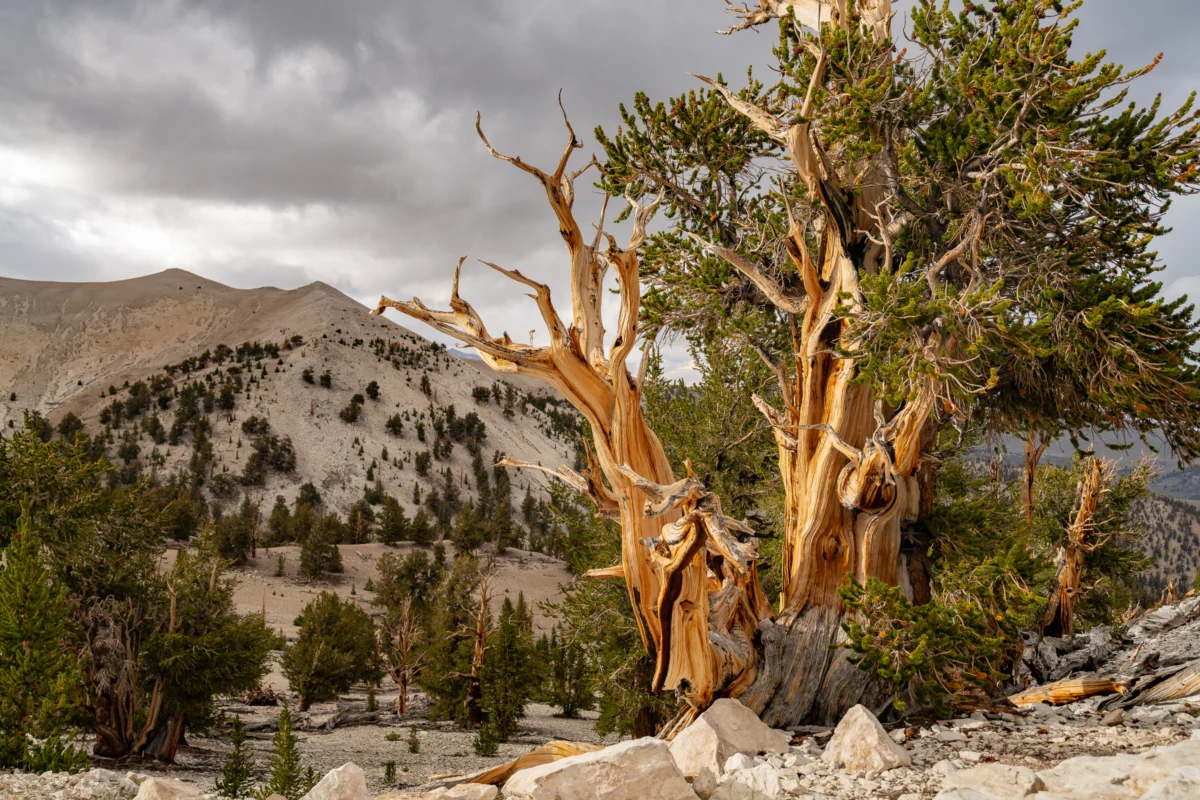
In an era defined by rapid digital acceleration and urban expansion, a small cohort of individuals is redefining our relationship with the natural world. From the wind-swept beaches of the Pacific Northwest to the towering canopy of the California redwoods and the vast, protected expanses of our national public lands, these storytellers, artists, and observers are bridging the gap between human experience and environmental reality. This is an exploration of those changing how we see the world.
I. John Anderson: The Archivist of the Tides
The Man and the Mission
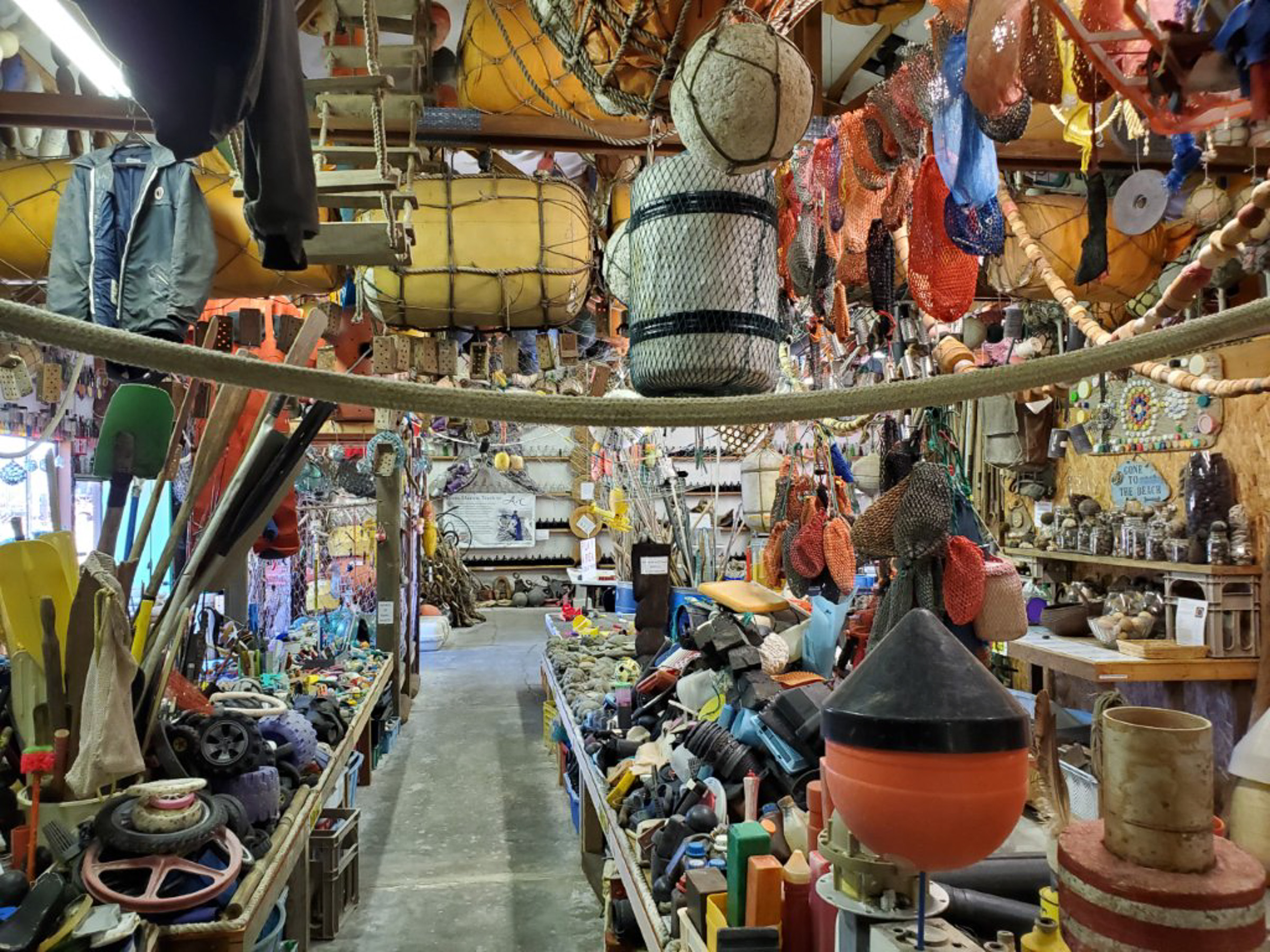
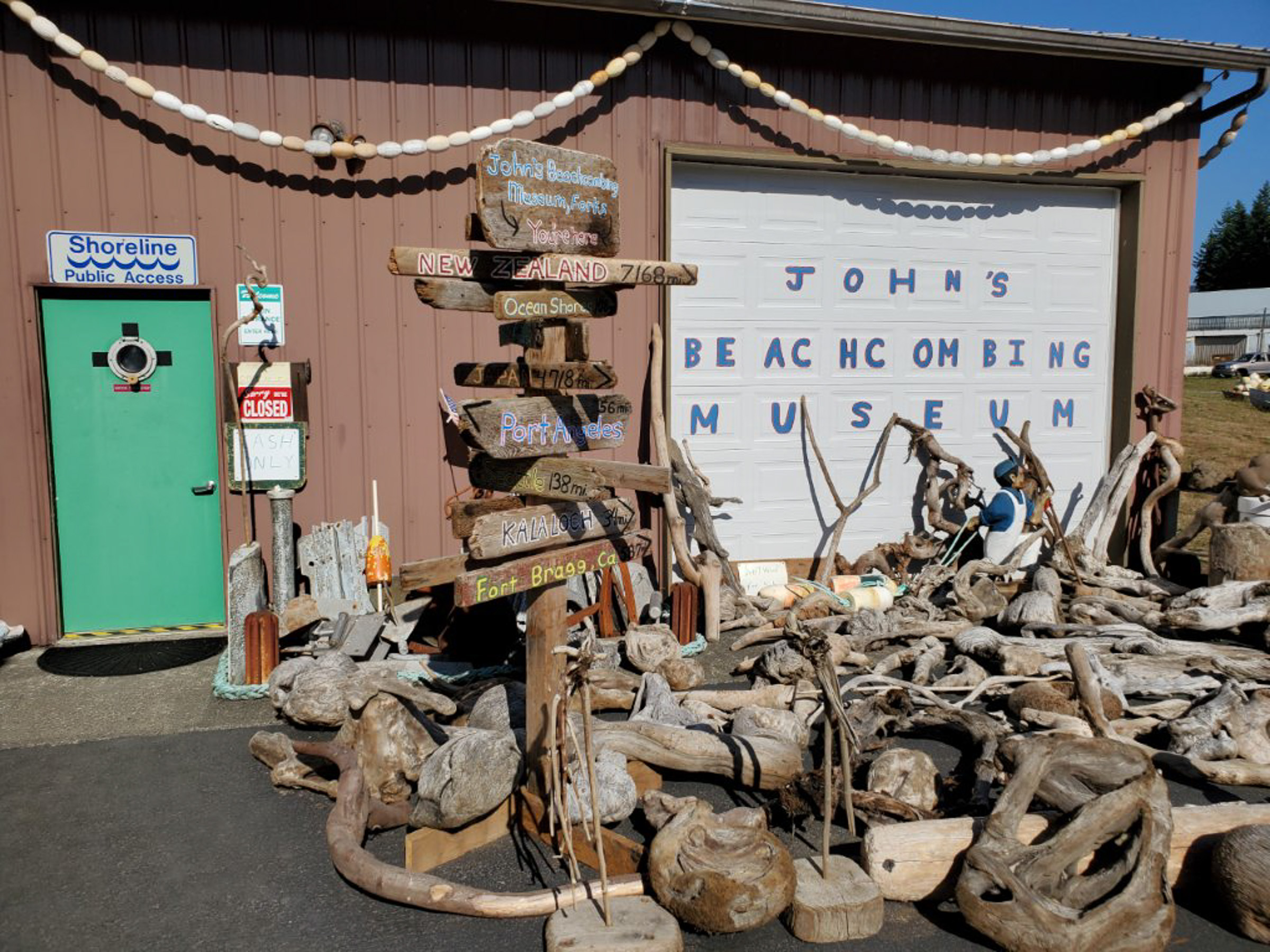
On the rugged Olympic Peninsula of Washington, John Anderson operates an institution that defies conventional categorization: John’s Beachcombing Museum. Formerly a functional plumbing shop, the space now serves as a repository for the Pacific Ocean’s most eclectic castaways. Anderson is not merely a collector; he is a chronicler of the Anthropocene’s debris.
A Half-Century of Beachcombing
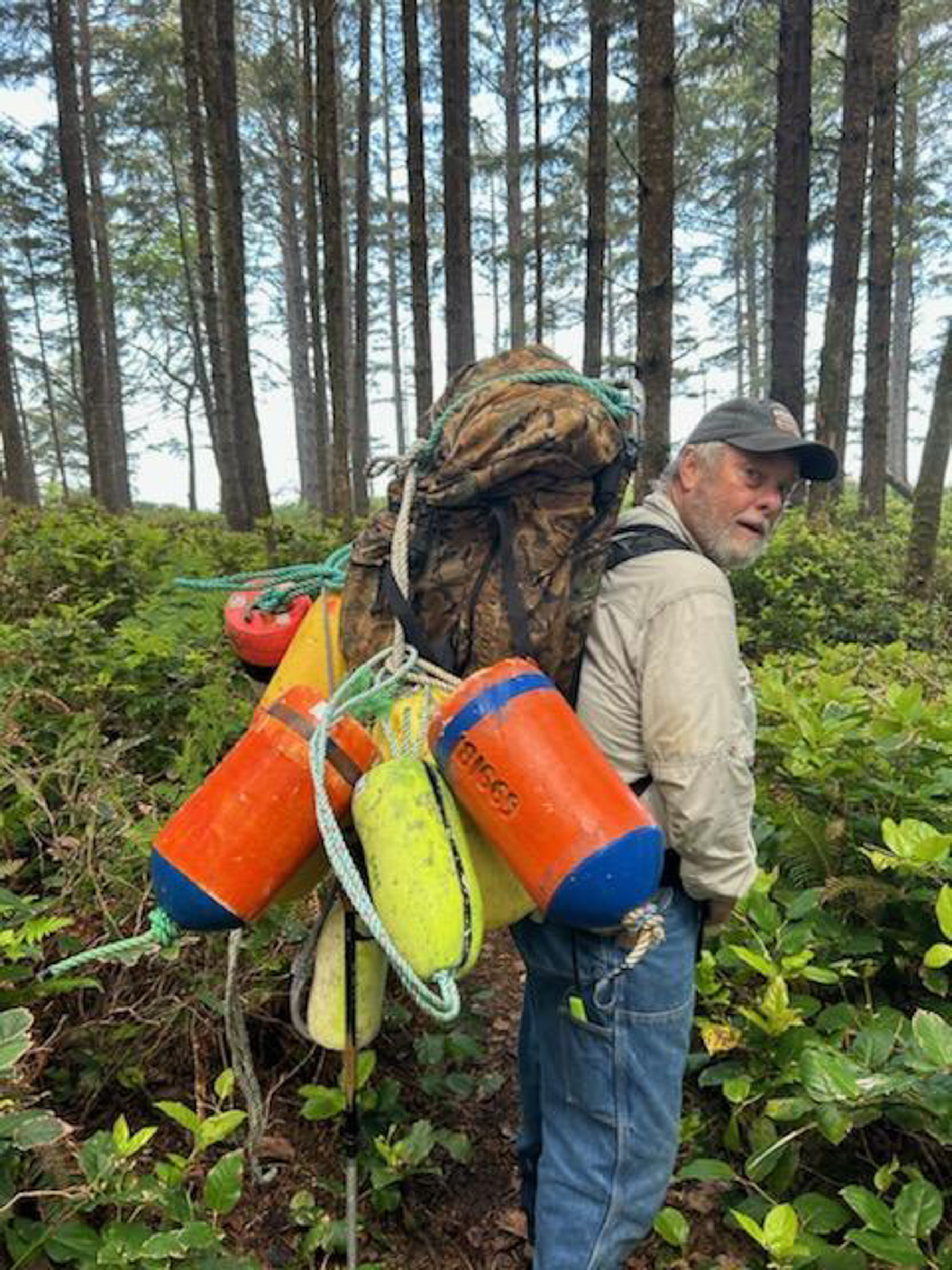
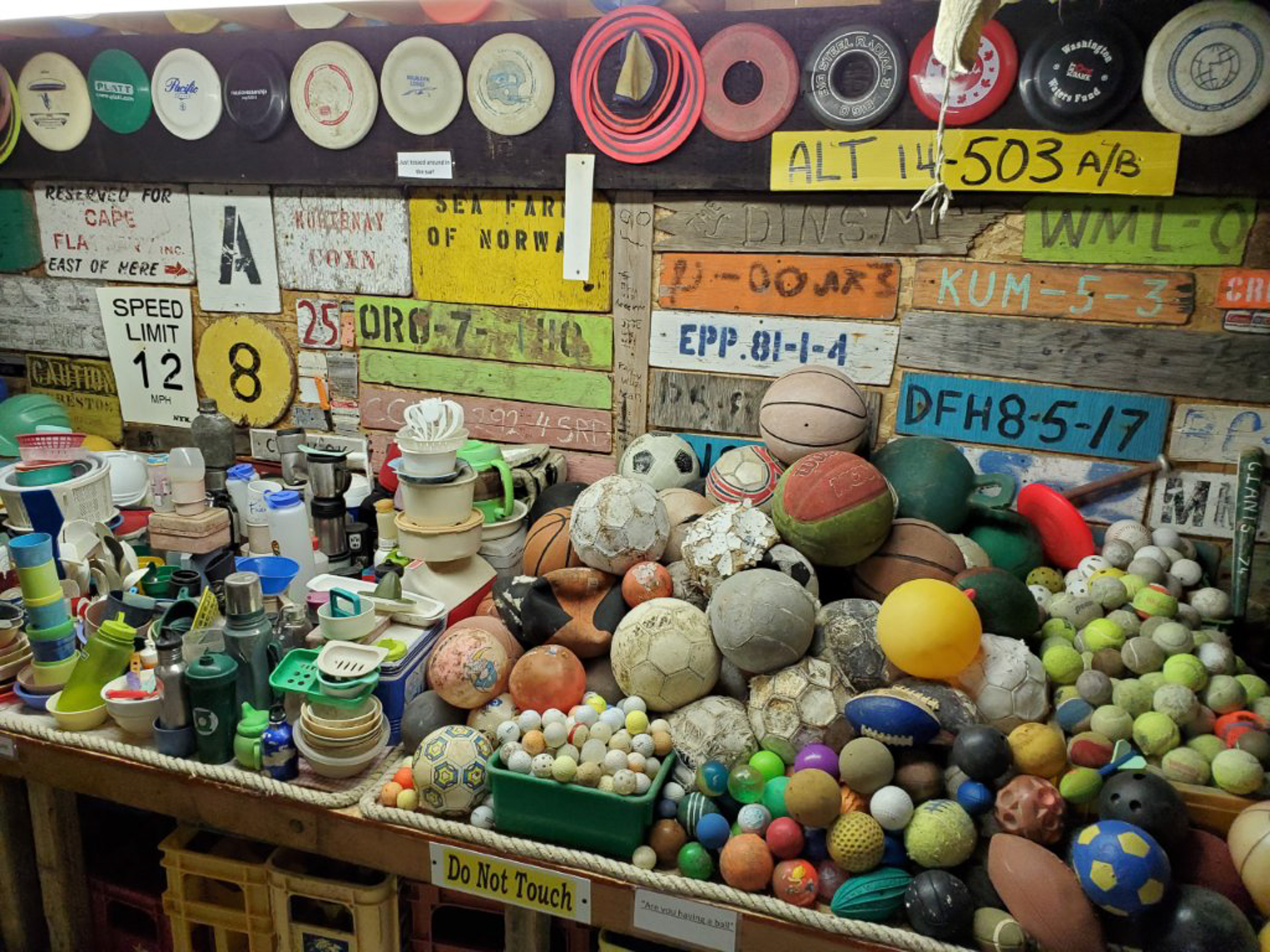
Anderson’s journey began nearly fifty years ago, driven by a simple, insatiable curiosity. "I’ve always liked interesting things," he explains—a modest shrug for a man who has dedicated his life to cataloging the flotsam of global trade and maritime history. His collection is a dizzying array of the mundane and the macabre: weather-beaten sneakers, vintage fishing lures, endless rows of Raggedy Ann dolls, and skeletal remains of marine life.
The Methodology of "Extreme Beachcombing"
Anderson’s practice is defined by physical endurance. He refers to his work as "extreme beachcombing," a term validated by his solitary, grueling treks through dense temperate rainforests to reach isolated, wind-battered shores. On one occasion, he spent sixty-two consecutive hours traversing the coastline, filling his pack with artifacts that would otherwise be reclaimed by the sea. His most notable find—a spinner cone from a Boeing 727 jet engine—stands as a stark reminder of how far and wide human technology travels before meeting the sand.
The Human Connection
What sets Anderson’s museum apart is the emotional weight of his finds. He searches for the narrative thread in everything he recovers. Whether it is a child’s toy or timber from a home destroyed by a tsunami, Anderson treats each object with reverence. Most poignantly, he preserves handwritten notes found in washed-up bottles. If the sender can be identified, he often initiates a correspondence, acting as a postman for the tides, closing the loop on long-lost messages.
II. Jane Kim: Painting the Invisible Life of Redwoods
From Urban Walls to Ancient Forests
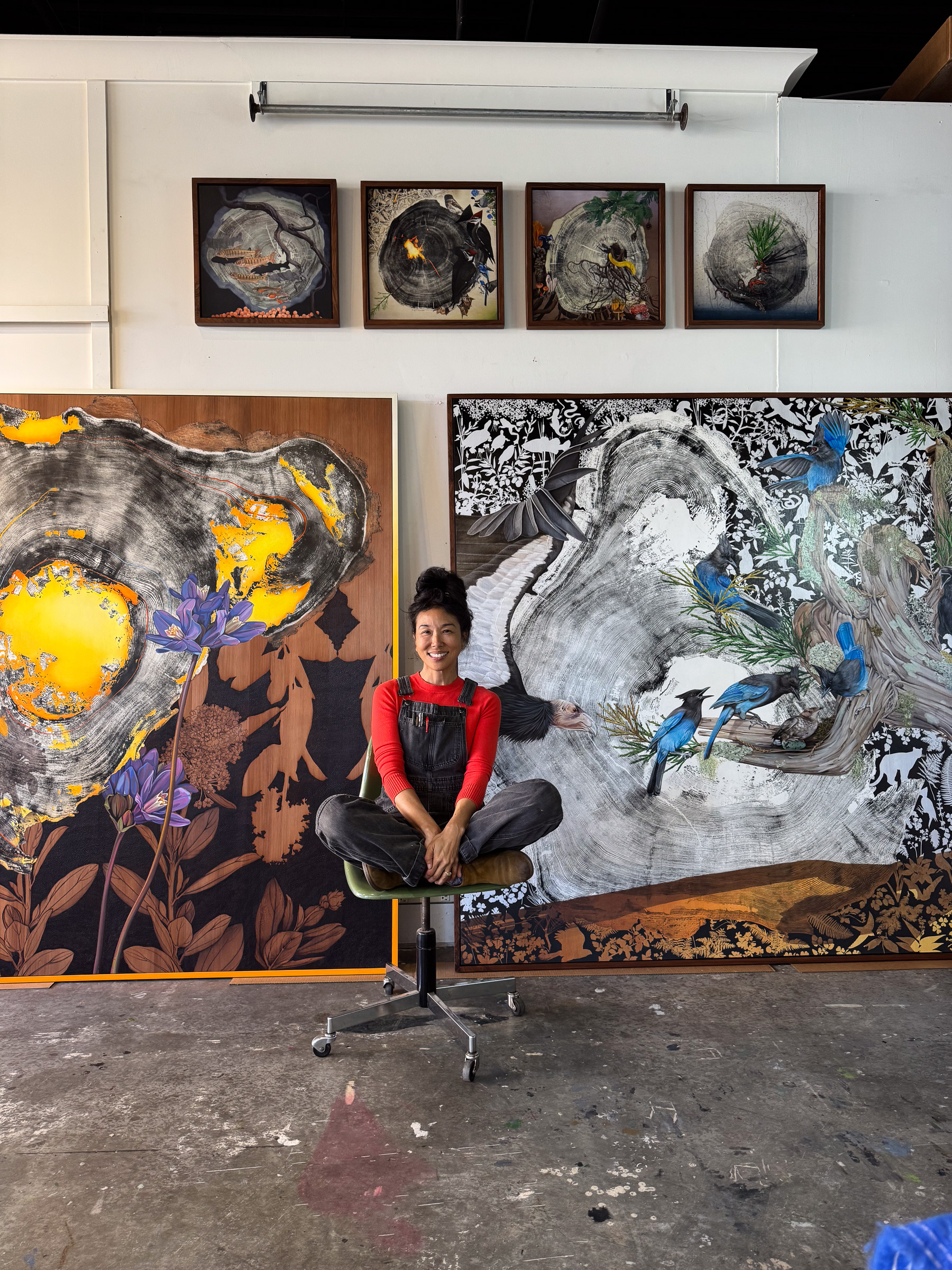
Artist Jane Kim has spent her career making the hidden visible. Best known for her "Migrating Mural" series—which brought large-scale, vibrant depictions of native species to urban landscapes—Kim has pivoted her focus toward the complex, often unseen ecological networks of the California redwoods.
Chronology: The "Cookie" Project
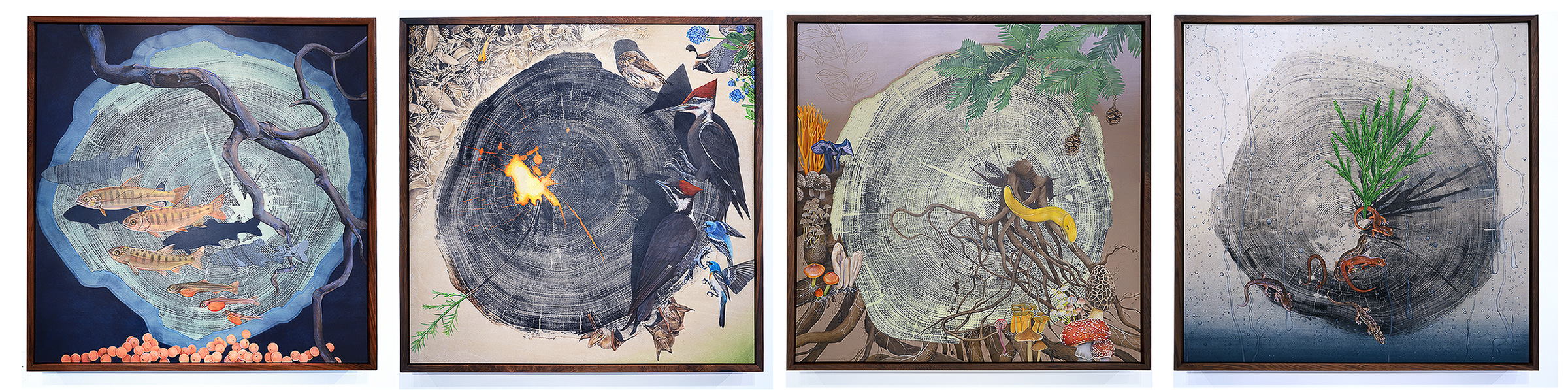
Kim’s recent work began with a five-hundred-year-old "cookie"—a forester’s term for a cross-section of an ancient tree. Working with the Sempervirens Fund, Kim used a chainsaw to extract rounds from old-growth stumps. These segments act as biological time capsules, with concentric rings revealing centuries of droughts, fire events, and periods of rapid growth.
Data and Discovery
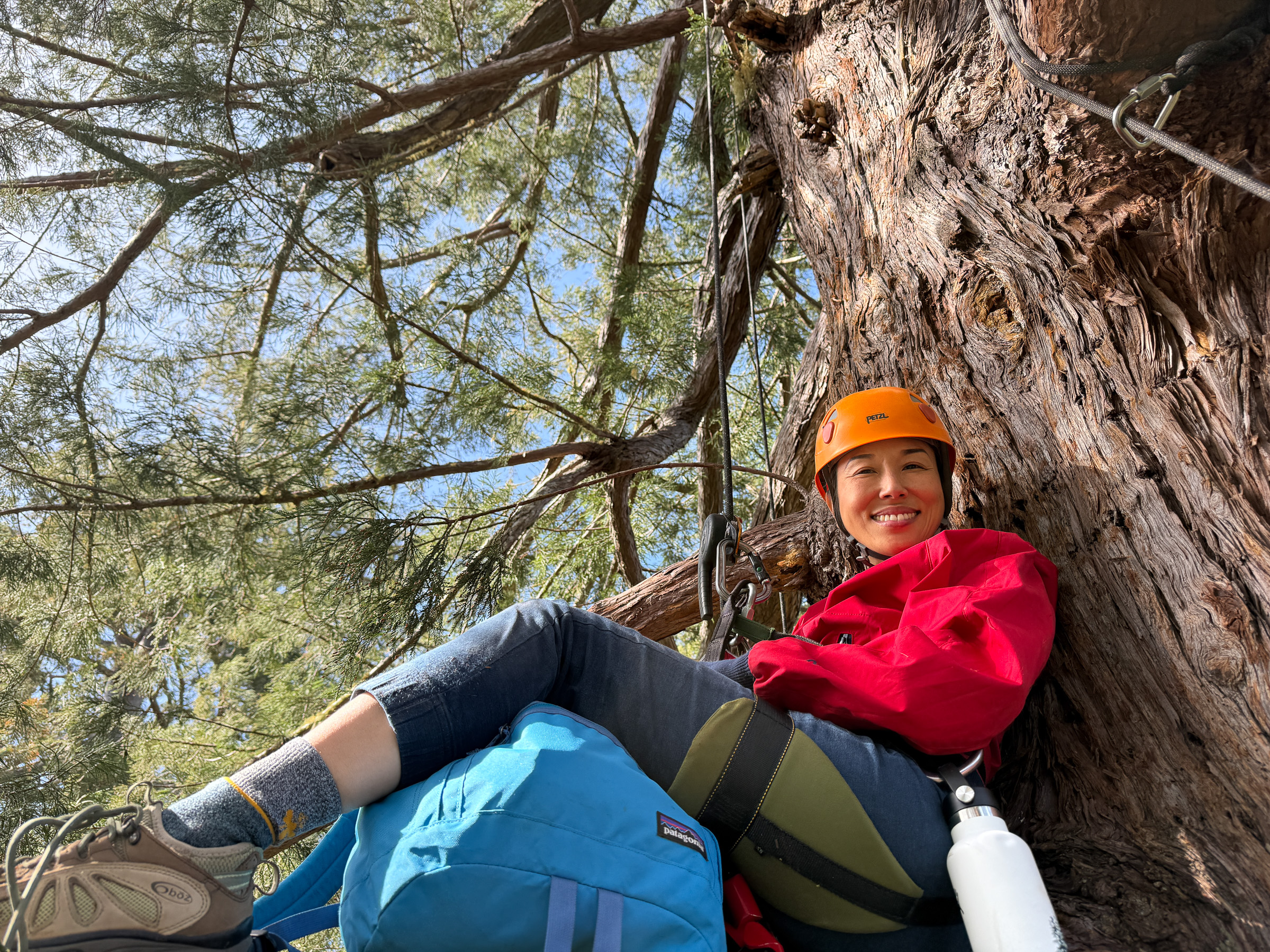
As the inaugural Forest Fellow, Kim immersed herself in the science of the redwood ecosystem. Her research spanned from the forest floor to the canopy, where she climbed two-hundred-foot giants to observe the "fog-drinking" mechanisms that sustain these trees.
- The Network Effect: Kim’s art illustrates that redwoods are not solitary entities but hubs of a vast, interconnected network involving fungal partnerships and symbiotic relationships with salmon.
- Biological Stillness: Kim notes that research into redwood ecology suggests the trees release molecules that induce a state of calm in humans, a phenomenon she aims to capture in her large-scale paintings.
Implications: Art as Advocacy
Kim’s work challenges the viewer to look beyond the "majesty" of the forest and see it as a functional, living, and often fragile organism. By placing her art in the public sphere, she continues her mission of fostering a connection with the landscape that transcends the walls of a gallery.
III. The Pattiz Brothers: From Cinematic Love Letters to Policy Defense
The Genesis of "More Than Just Parks"
What began as a borrowed grandmother’s Prius and a road trip through the American West has evolved into one of the most influential digital advocacy platforms for public lands. Jim and Will Pattiz founded More Than Just Parks with a clear objective: to show Americans the beauty of the lands they collectively own.
Chronology of Expansion
- The Early Years (2014-2016): The brothers focused on high-definition, cinematic storytelling. Their initial films, captured under harsh conditions in Olympic National Park and beyond, were driven by raw enthusiasm and a desire to inspire visitation.
- The Institutional Pivot (2017-2020): Their growing audience caught the attention of the US Forest Service and other agencies. The brothers began documenting complex environmental issues, including wildfire management and salmon migration, often at great personal risk—including a harrowing encounter with a charging black bear in Grand Teton.
- The Advocacy Era (2021-Present): The organization has transitioned from filmmaking to aggressive policy advocacy. They now provide investigative journalism, congressional scorecards, and maps of threatened public lands, positioning themselves as a defensive front for conservation.
Supporting Data: The Power of Reach
The impact of the Pattiz brothers is measurable not just in film views, but in engagement. By humanizing the landscapes, they have mobilized a demographic that might otherwise have remained disconnected from conservation policy. Their platform now functions as an "action network," providing the tools necessary for citizens to fight against legislative threats to public lands.
IV. Synthesis and Implications: A New Ethos of Observation
The stories of John Anderson, Jane Kim, and the Pattiz brothers are linked by a common thread: the belief that observation is a prerequisite for preservation.
The Shift in Environmental Engagement
The traditional model of environmentalism often relied on abstract data and distant statistics. These individuals, however, favor a "bottom-up" approach.
- Anderson demonstrates that the history of our world is literally washing up at our feet.
- Kim proves that art can translate complex forest ecology into visceral human emotion.
- The Pattiz Brothers demonstrate that storytelling, when backed by rigorous advocacy, can turn viewers into stakeholders.
Official Responses and Future Outlook
As these projects gain momentum, they have received support from various environmental agencies. The Sempervirens Fund’s collaboration with Kim highlights a growing trend of NGOs utilizing artists to communicate scientific data to the public. Similarly, the partnership between the Pattiz brothers and government agencies reflects a shift toward using modern digital storytelling to combat the "nature deficit disorder" plaguing modern society.
Conclusion
Whether through the meticulous archiving of ocean trash, the painting of ancient growth rings, or the cinematic defense of national parks, these individuals are changing how we see the world. They remind us that the environment is not a static backdrop for our lives; it is a dynamic, historical, and deeply personal entity. By paying attention—really paying attention—we move from being passive consumers of nature to active guardians of its future. As Jane Kim aptly puts it, "Nature is so cool"—and in the hands of these visionaries, it is finally getting the recognition, and the protection, it deserves.
 Asro
 Reynand Wu
 Asep Darmawan
