

In an era defined by rapid digital consumption and fragmented attention spans, the act of reading a book remains a radical form of engagement with the natural world. The latest edition of Adventure Journal (AJ 42) offers a curated collection of literature that transcends the standard "adventure" genre, moving instead into the deeper, more complex intersections of history, biology, sociology, and environmental stewardship.
From the frozen, reindeer-herding landscapes of northern China to the boggy, carbon-rich soils of the Northern Hemisphere, these six works challenge our perceptions of the environment. They demand that we reckon with the legacies of our past—both personal and colonial—while proposing new, often ancient, frameworks for our future.
The Landscape of Stewardship: Indigenous Wisdom and Environmental Resilience
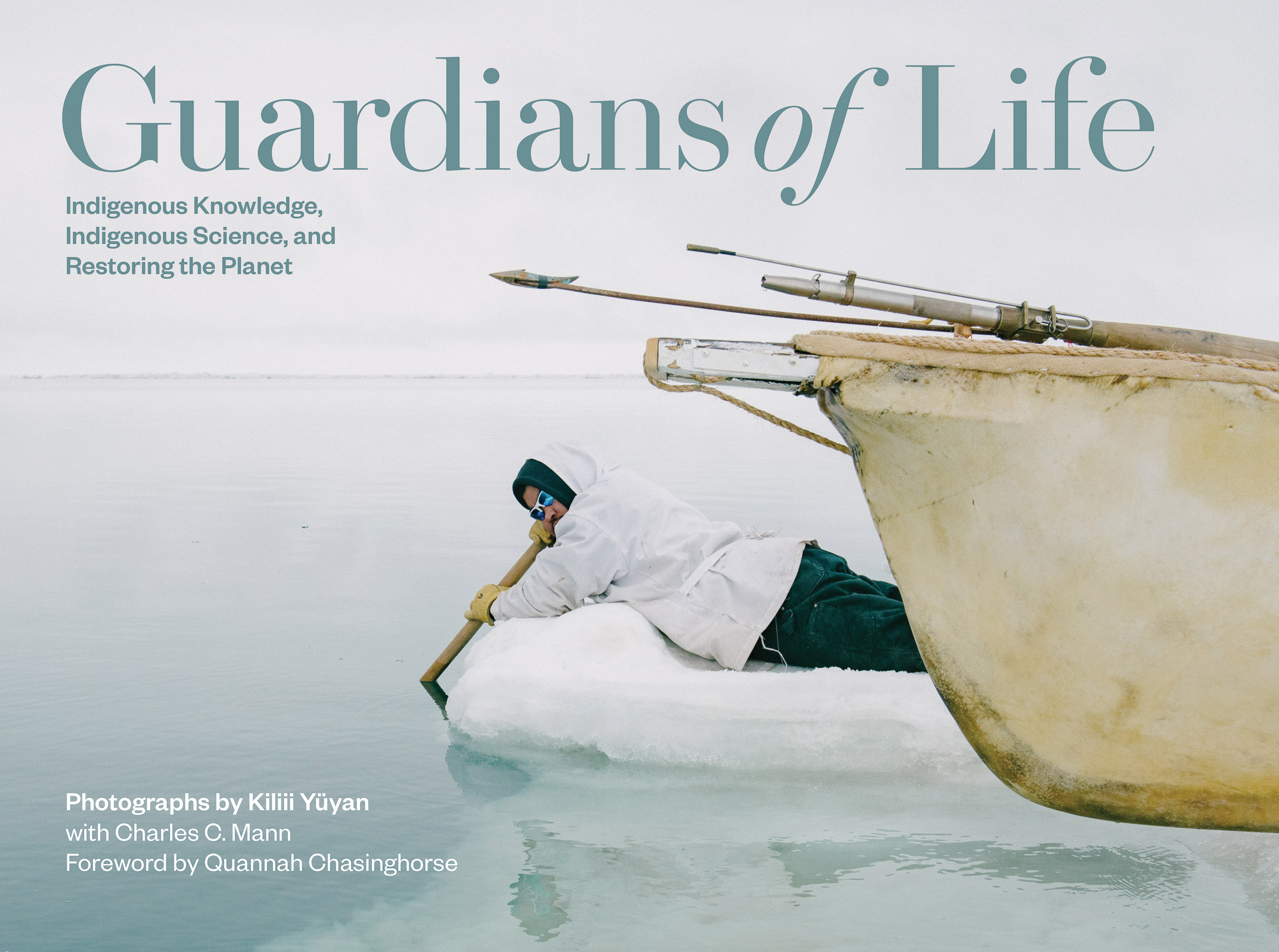
Guardians of Life by Kiliii Yüyan
Kiliii Yüyan’s Guardians of Life serves as a poignant reminder that the most effective environmental policy is often rooted in millennia of lived experience. Yüyan, a renowned National Geographic photographer, documents the symbiotic relationship between Indigenous peoples and their traditional territories.
Chronology and Context:
The narrative hinges on the 1977 decision by the International Whaling Commission to ban the Iñupiat people from hunting bowhead whales—a practice central to their culture for thousands of years. The Iñupiat challenged the ruling, successfully winning the right to manage the whale populations themselves. In the three decades that followed, the whale population tripled, a feat of conservation that underscores the efficacy of Indigenous management.
Implications:
Yüyan’s work presents a compelling statistic: Indigenous territories comprise approximately 37% of the world’s remaining natural lands yet contain 80% of the planet’s biodiversity. Through nearly 200 striking images captured across nine distinct Native communities, Yüyan illustrates that human presence is not inherently destructive. Instead, he argues that the health of our planet depends on entrusting land stewardship to those who have historically maintained it.
Beneath the Surface: Reclaiming the "Useless" Spaces
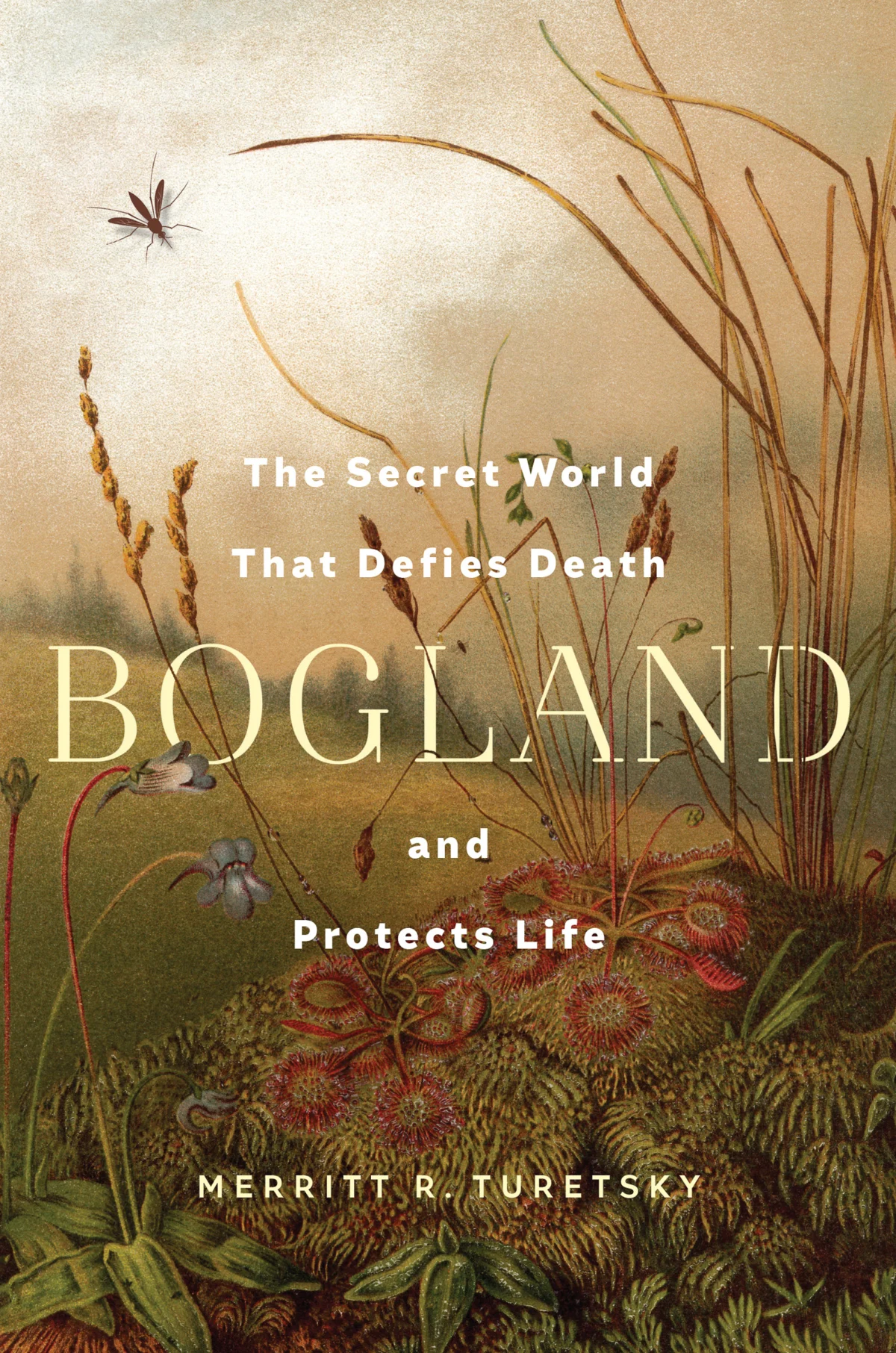
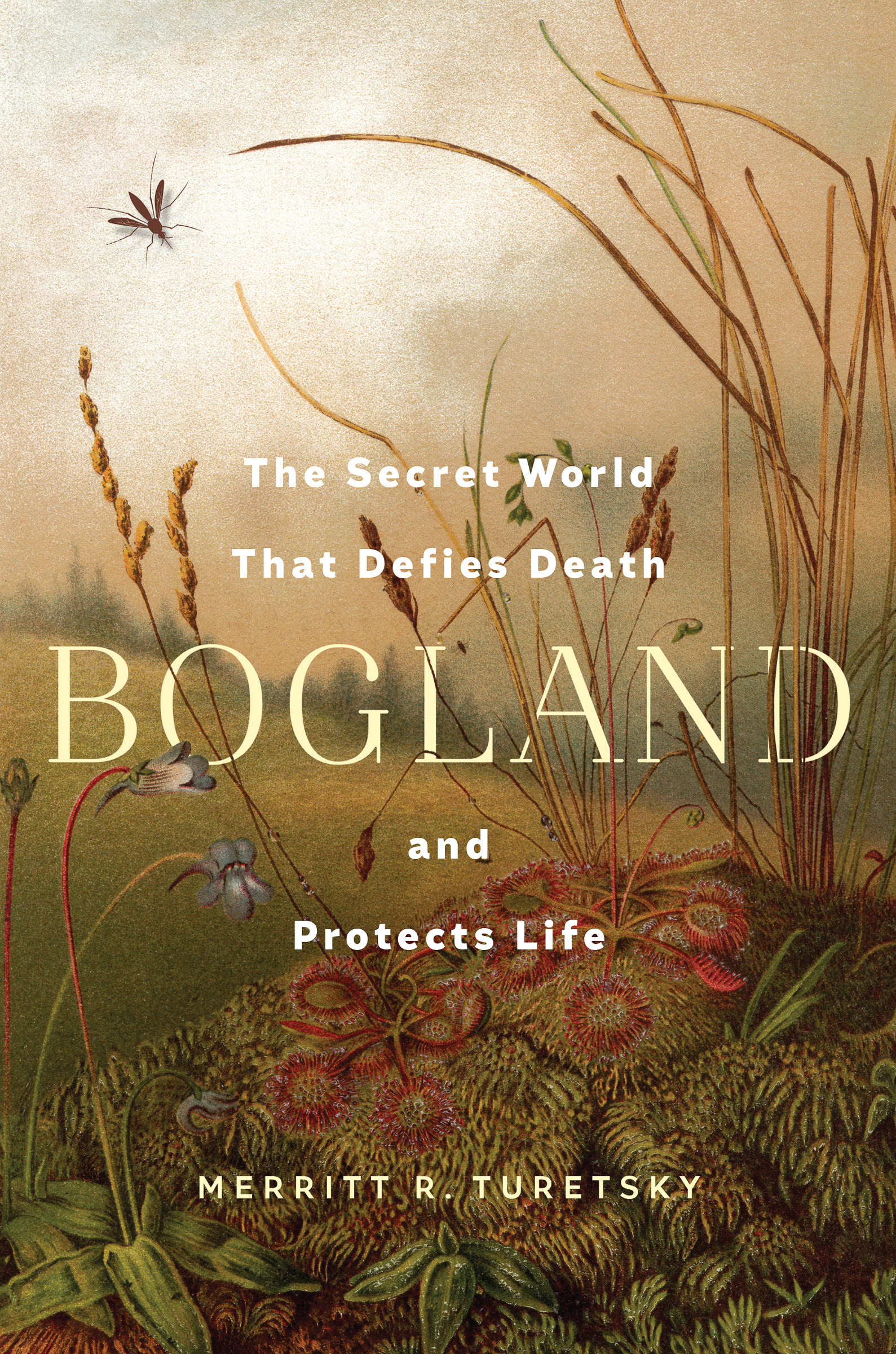
Bogland by Merritt R. Turetsky
In Bogland, Merritt R. Turetsky embarks on a mission to rehabilitate the reputation of the world’s most maligned landscapes. Bogs, historically dismissed as impediments to progress—drained, mocked, and synonymous with being "stuck"—are revealed here to be vital organs of the Earth’s climate system.
Supporting Data:
The scientific reality presented by Turetsky is sobering. While wetlands cover only 3% of the Earth’s land surface, they sequester an estimated 30% of the world’s soil carbon. The implications of this are massive: as permafrost thaws and wildfires increase in frequency, these carbon sinks risk shifting from assets to liabilities.
The Human Connection:
Turetsky excels in bridging the gap between cold carbon math and human history. She weaves in tales of Iron Age bog bodies—perfectly preserved individuals found with their last meals still in their stomachs—and the way these marshes served as refuges for the hunted throughout history. It is a masterful argument for the inherent value of the "liminal" spaces we too often seek to pave over.
Reckoning with Icons: The Complexity of the American Wilderness
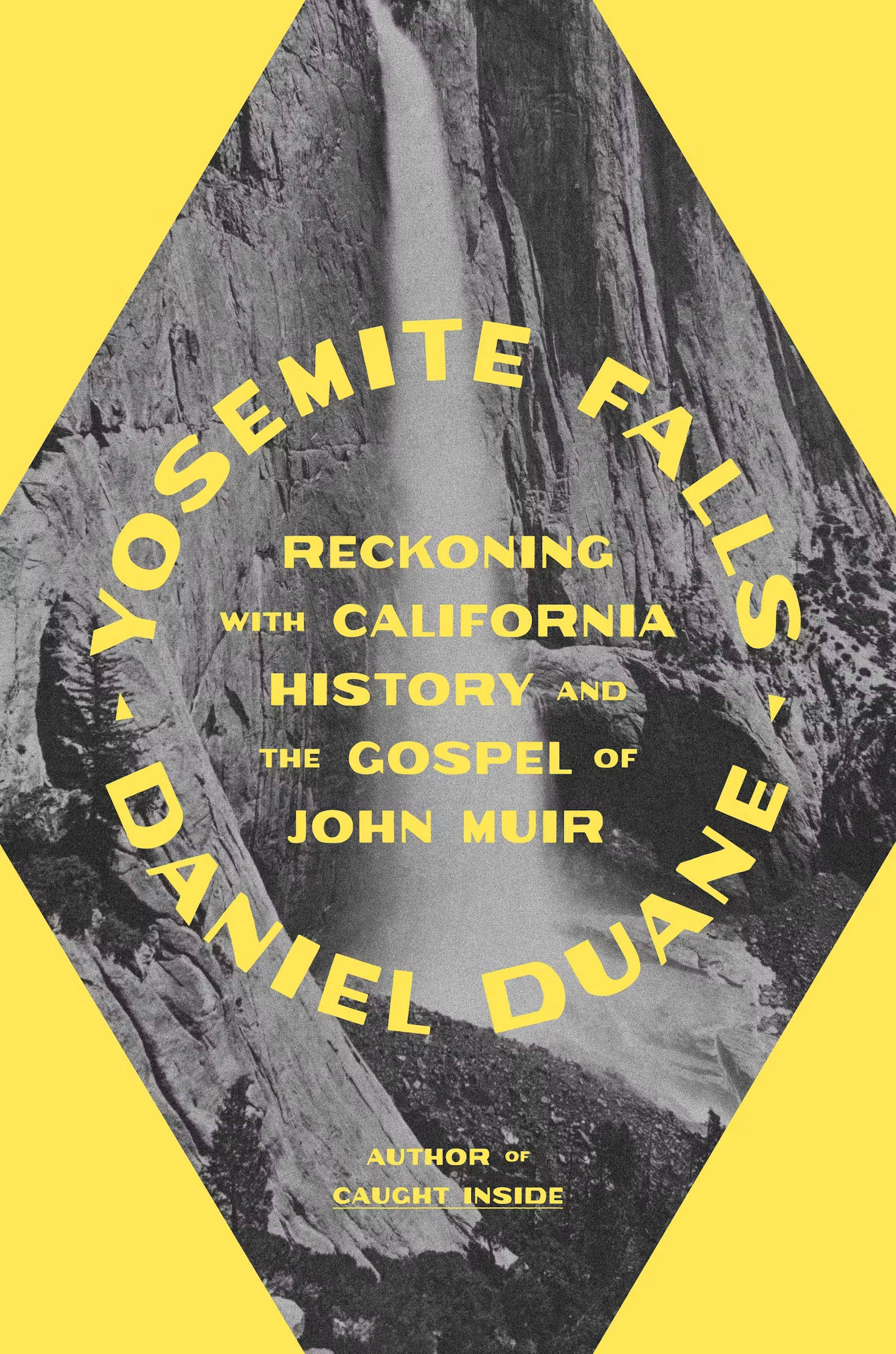
Yosemite Falls by Daniel Duane
Daniel Duane’s Yosemite Falls is perhaps the most honest reckoning with the American wilderness canon published in recent years. A memoir of a Sierra boyhood, the book follows Duane as he navigates a life shaped by the "Muir way"—a philosophy of deep reverence for nature expressed through climbing, skiing, and backpacking.
The Narrative Arc:
Duane’s father casts a long shadow over the narrative, representing an older generation of outdoorsmen who viewed the wilderness as a pristine, empty stage. Duane complicates this vision by confronting the history of dispossession and erasure that allowed such a view to persist.
Professional Analysis:
What distinguishes Yosemite Falls is its refusal to succumb to nihilism. Even as Duane acknowledges the darker, colonial history of the national park system, he continues to climb the same granite walls, now sharing the experience with his daughters. His prose—fast, self-implicating, and generous—demonstrates that it is possible to love a place while simultaneously working to correct the myths we have constructed around it.
The Elegy of the Evenki: A Century in a Single Day
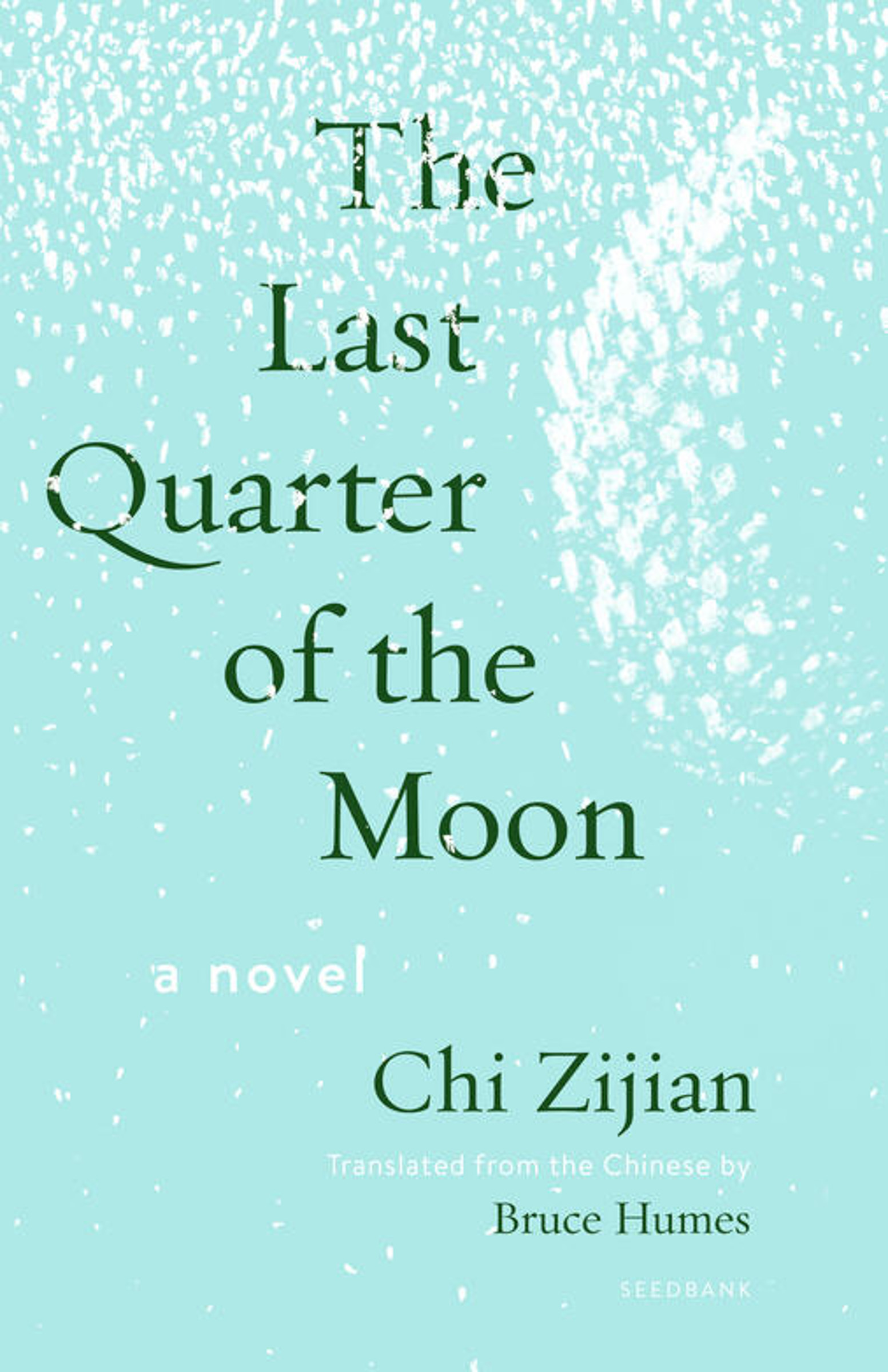
The Last Quarter of the Moon by Chi Zijian
Chi Zijian’s novel is an immersive, haunting account of the Evenki people, a reindeer-herding clan in northern China. The narrative is framed by a single day: a ninety-year-old matriarch chooses to stay behind as her people are relocated to government settlements, effectively ending a way of life that has persisted for centuries.
Chronology:
The book acts as a compressed history, using the structure of a single day to encapsulate a hundred years of change. Through the graceful translation by Bruce Humes, the reader is introduced to the specificities of the Evenki worldview—the urireng, the shirangju, and the soul, or umai. The brilliance of the book lies in its unflinching portrayal of death and displacement. By presenting these tragedies with the matter-of-fact tone of an elder looking back on a long life, Zijian ensures that the weight of the loss is felt profoundly by the reader.
Constraints and Courage: A Historical Yarn
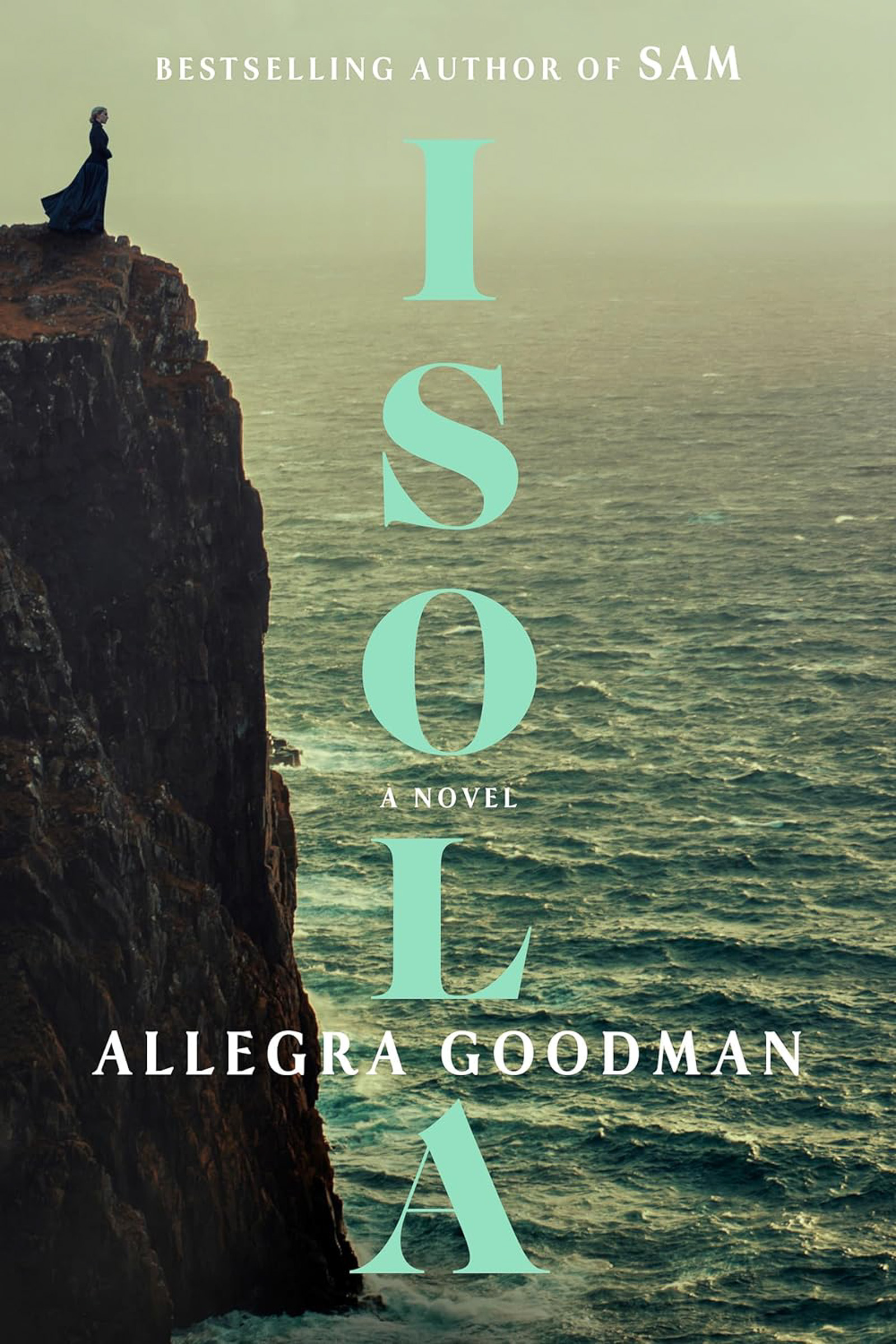
Isola by Allegra Goodman
At first glance, Allegra Goodman’s Isola presents as a period drama, but it quickly evolves into a high-stakes survival thriller. Based on a true story from the 16th century, the novel follows Marguerite de la Rocque de Roberval, a French noblewoman betrayed by her cousin and abandoned on an island in the Gulf of Saint Lawrence.
Implications of Class and Gender:
Goodman uses the isolation of the island—and the existential threat of polar bears—to explore the stifling constraints placed on women in the early modern era. The survival story is not merely a test of physical endurance; it is a profound indictment of the patriarchal structures that seek to own and control the protagonist. It is a rare novel that functions simultaneously as a gripping adventure and a sophisticated historical critique.
The Arborescent Mind: Thinking Like a Tree
In Trees by Robert Moor
Robert Moor, the author of the acclaimed On Trails, pivots in In Trees to explore the biological and metaphorical lessons we can glean from the forest. He promotes the concept of "treethinking"—a mode of existence characterized by being slow, branching, deep-rooted, and long-viewed.
Supporting Data and Methodology:
Moor’s research is nothing if not ambitious. He traverses the globe, from scaling sequoias with David Attenborough to studying the aesthetics of Japanese bonsai and sleeping in chimpanzee nests in Tanzania. He even investigates his own family’s history of slaveholding in Alabama, framing it through the lens of generational trauma and growth.
Critique:
While the metaphor of arborescence occasionally strains under the weight of its own applications—touching on everything from neuroscience to racial politics—Moor’s curiosity remains infectious. The book is an ambitious, sprawling attempt to understand how a life can be lived with the quiet, persistent wisdom of the trees.
Conclusion: The Value of Independent Literature
As we look at these six works, a common thread emerges: the necessity of the "long view." Whether it is the Iñupiat whale management, the carbon sequestration of bogs, or the ancestral memories of the Evenki, these books suggest that our modern, frantic pace is at odds with the ecosystems we inhabit.
Adventure Journal continues to serve as a vital clearinghouse for these stories. As an independently owned publication, it remains committed to the craft of long-form journalism and literary criticism, printed on sustainable materials and delivered without the interference of corporate conglomerates. For the reader seeking to engage with the world more deeply—to understand the muck, the mountain, and the forest floor—these six titles represent an essential starting point.
Recommended Reading List:
- Guardians of Life by Kiliii Yüyan (Braided River, 2026)
- Bogland by Merritt R. Turetsky (WW Norton, 2026)
- Yosemite Falls by Daniel Duane (North Point Press, 2026)
- The Last Quarter of the Moon by Chi Zijian (Milkweed Editions, 2026)
- Isola by Allegra Goodman (Dial Press, 2025)
- In Trees by Robert Moor (Simon & Schuster, 2026)
 Raul Delapena Setiawan
  Pevita Pearce
  Siti Muinah