

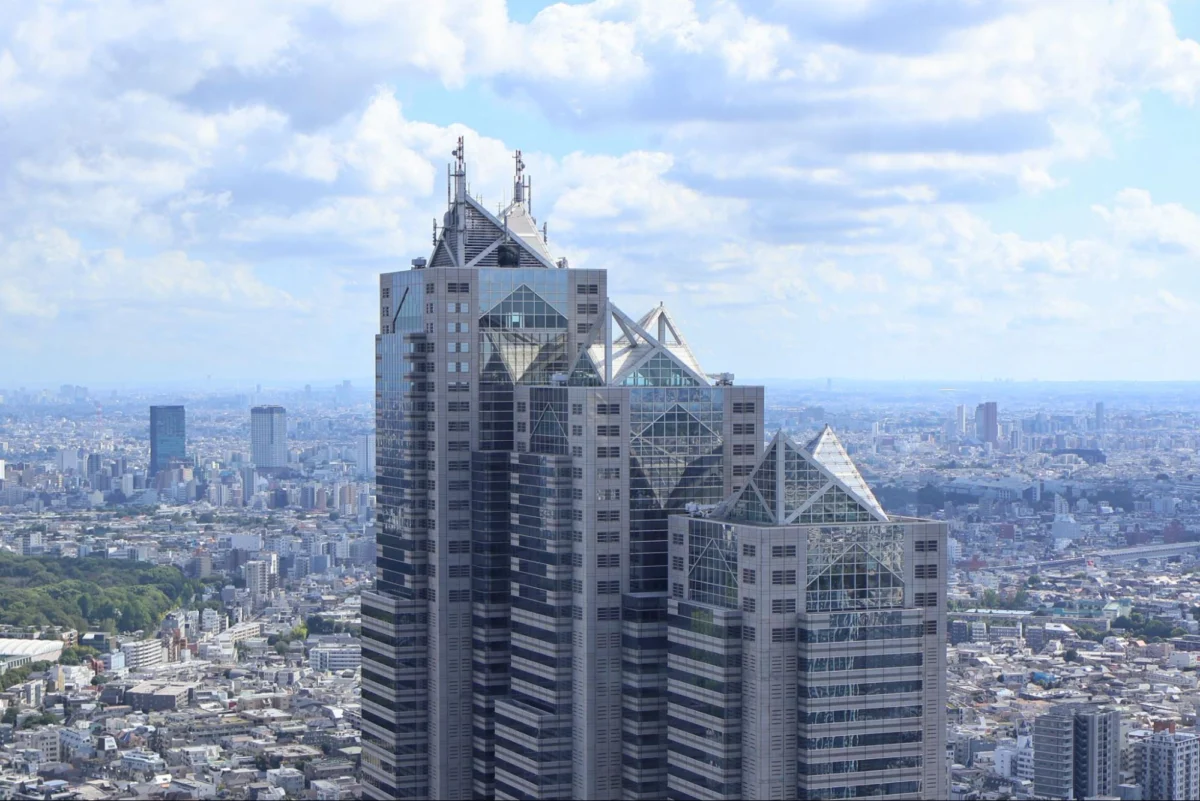
For nearly three decades, the Park Hyatt Tokyo has stood as more than just a hotel; it has been a cultural sentinel. Perched atop the Shinjuku Park Tower, it defined the pinnacle of luxury hospitality in Japan, serving as a cinematic touchstone and a personal sanctuary for travelers who sought the intersection of high-concept design and intimate, anticipatory service. As the property prepares for an extensive, multi-year renovation, the closure marks the end of an era that fundamentally shifted the global perception of the "urban hotel."
Main Facts: A Landmark in Transition
The Park Hyatt Tokyo officially closed its doors for a comprehensive renovation on May 7, 2024. Owned by Tokyo Gas and managed by Hyatt Hotels Corporation, the property is slated to remain shuttered until 2025. This is not merely a cosmetic refresh; it is a profound reimagining of a space that has been a fixture in the Shinjuku skyline since its grand opening in 1994.
Designed by the legendary architect Kenzo Tange, the hotel occupies the top 14 floors of the 52-story Shinjuku Park Tower. Its interior, masterminded by John Morford, became a masterclass in “understated grandeur”—a blend of dark wood, rich textiles, and an expansive art collection that felt more like a private residence for the global elite than a corporate hotel. For the loyalists who frequented its halls—many of whom, like the writer of the original excerpt, returned dozens of times—the hotel’s closure represents the loss of a physical anchor in a rapidly changing city.
Chronology: From Cinematic Stardom to Modern Relic
The history of the Park Hyatt Tokyo is inextricably linked to the trajectory of modern Japanese tourism.
- 1994: The hotel opens, instantly setting a new benchmark for luxury in Asia. It introduces the concept of the “destination hotel,” where the property itself is the primary draw for international visitors.
- 2003: Sofia Coppola’s Lost in Translation is released. The film captures the hotel’s atmosphere—the isolation, the neon-soaked views of Shinjuku, and the melancholic beauty of the New York Grill—catapulting the property into the global pop-culture zeitgeist.
- 2008–2015: The hotel cements its reputation as a hub for the “flashpacker” and luxury traveler alike. During this period, the hotel becomes a cult favorite for Hyatt Gold Passport (now World of Hyatt) members, who view the property as the ultimate aspirational redemption.
- 2020–2023: The global pandemic forces a pivot in operations. As international travel grinds to a halt, the hotel shifts its focus toward domestic luxury, maintaining its legendary service standards despite the broader collapse of international tourism.
- 2024: The hotel announces its closure for a massive, structural renovation. The news triggers a wave of nostalgia among long-term guests, who rush to book final stays to capture one last memory of the hotel in its original, iconic state.
Supporting Data: The Economics of the Urban Sanctuary
The Park Hyatt Tokyo’s influence on the hospitality industry is backed by more than just anecdotal reverence. Since its inception, it has maintained an occupancy rate consistently higher than the Tokyo luxury market average.
According to industry analysts, the property’s "RevPAR" (Revenue Per Available Room) often outperformed competitors in the Marunouchi and Ginza districts, despite its location in the more chaotic Shinjuku neighborhood. This was driven by a unique "loyalty feedback loop." Research into luxury hospitality suggests that properties with high staff retention—a hallmark of the Park Hyatt Tokyo—create a "hyper-personalized" guest experience. When staff members know a guest’s preference for Fuji-view rooms in winter or their specific order at the New York Grill, the cost of customer acquisition drops significantly.
Furthermore, the hotel’s role as an economic engine for the Shinjuku Park Tower cannot be overstated. By attracting high-net-worth individuals and international business travelers to the western edge of the Shinjuku district, the hotel helped maintain the property’s premium status, ensuring that retail and office spaces within the tower remained competitive for thirty years.
Official Responses: Navigating the Future
In a statement released during the transition, Hyatt officials were quick to emphasize that the renovation is intended to modernize the property while respecting its storied heritage.
"We are embarking on a journey to revitalize this iconic property, ensuring that it remains at the forefront of global luxury," said a spokesperson for Hyatt. "While the aesthetic will evolve, the spirit of the Park Hyatt—the intuitive service and the sense of place—will remain the core of our brand identity."
Industry experts, however, remain cautious. The challenge lies in "updating" a space that is beloved specifically because it feels like a time capsule. The "faint wind in the elevators" and the "cawing of the Japanese crows" mentioned by frequent guests are not just sensory details; they are part of the building’s soul. Critics argue that modern luxury renovations often err on the side of minimalism and tech-heavy integration, potentially scrubbing away the "peculiarities" that give a hotel its character.
Implications: The Evolution of Luxury Hospitality
The closure of the Park Hyatt Tokyo serves as a case study for the broader evolution of the luxury hotel sector. We are currently witnessing a shift away from the "grand hotel" model of the 1990s toward smaller, boutique, or highly digitized luxury experiences.
1. The Death of the "Time Capsule" Hotel
Modern travelers increasingly demand high-speed connectivity, sustainable building materials, and ultra-modern wellness facilities. The Park Hyatt Tokyo, with its heavy wood finishes and traditional layout, was struggling to compete with the newer, sleeker properties emerging in Tokyo, such as the Aman or the Bulgari Hotel. The implication is clear: even the most iconic hotels must adapt or risk becoming museums.
2. The Rise of "Anticipatory Service" as a Data Point
In the past, the "anticipatory service" experienced by long-term guests was an art form mastered by staff through years of human interaction. Today, luxury brands are attempting to replicate this through AI and CRM integration. The challenge for the future Park Hyatt Tokyo will be whether it can maintain that human-centric intimacy while integrating the digital tools now required by modern management.
3. The Cultural Value of Architecture
The Park Hyatt Tokyo proved that architecture could dictate a brand’s success. By choosing Kenzo Tange, the developers signaled that the hotel was not just a place to sleep, but a statement on modern Japan. The renovation will test whether the current management team understands that the "brand" is not just the logo on the door, but the atmosphere created by the building’s specific, eccentric geometry.
Conclusion: A Fond Farewell to the 47th Floor
For the traveler who first stepped into the lobby in 2008, the experience was a dare to the bank account, a gamble on whether a place could truly live up to its reputation. It did. It provided a sanctuary where the world felt smaller, more manageable, and deeply personal.
As the construction crews dismantle the interior, the loss is not just of a hotel room, but of a shared memory—the sight of Mount Fuji in the cold winter light, the sound of the crows outside the 47th floor, and the feeling of walking into a space that, for a few days at a time, felt entirely like one’s own. The Park Hyatt Tokyo will return in 2025, polished and perhaps more efficient, but the version of the hotel that captured the hearts of a generation is now history. It is a reminder that in the world of hospitality, just as in life, the most beautiful things are often the ones that refuse to stand still.
 Reynand Wu
  Lina Hope
  Basiran