

Main Facts: A Paradigm Shift in Risk Management
The global hospitality industry is facing an existential reckoning. As climate change accelerates, the historic "location, location, location" mantra—once the bedrock of real estate value—is being eclipsed by a new, more urgent metric: "resilience, resilience, resilience."
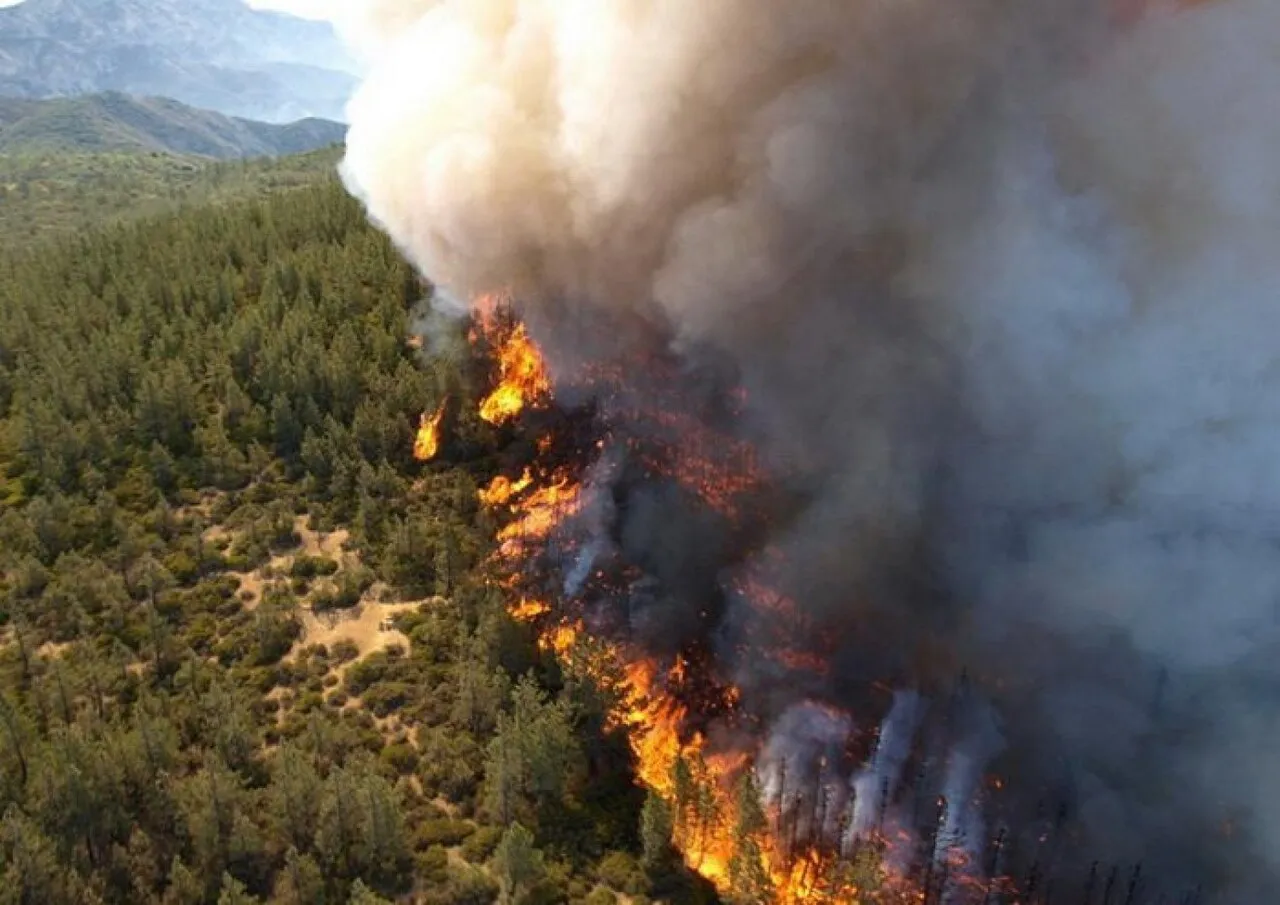
Wildfires, once considered localized anomalies, have evolved into a systemic threat to the tourism sector. From the tinder-dry forests of the American West to the parched landscapes of the Mediterranean, the insurance industry is undergoing a radical shift in how it prices risk. Insurers are no longer relying solely on geographic coordinates or historical fire maps to set premiums; they are moving toward property-level underwriting. This requires hotel operators to invest heavily in physical mitigation—such as ember-resistant roofing, defensible space clearing, and advanced fire-suppression systems—or risk becoming uninsurable.
This transition marks the end of an era of passive risk management. For resorts, wineries, and national park lodges, the cost of doing business in nature is no longer just a line item; it is a fundamental challenge to the viability of their business models.
Chronology: The Escalation of a Global Crisis
The current wildfire trajectory is the result of years of mounting environmental stress.
- 2017–2018: The California Wake-up Call: The catastrophic wildfires in Napa and Sonoma, followed by the Camp Fire, signaled to the insurance industry that urban-wildland interface properties were high-risk liabilities.
- 2021–2022: European Heatwaves: Three successive heatwaves across Europe transformed lush forests into dry fuel, devastating tourism hubs in Greece, Spain, and France.
- 2023: The Maui Disaster: The Lahaina fires served as a tragic case study for the sector, resulting in a 61% year-on-year drop in tourism spending in Maui, demonstrating how quickly a natural disaster can hollow out a local economy.
- 2024: The Continental Smoke Crisis: Smoke from Canadian wildfires blanketed the U.S. Midwest, Great Lakes, and East Coast, proving that a hotel doesn’t need to be in the line of fire to suffer a loss. Even hundreds of miles away, air quality alerts can lead to mass cancellations, health hazards, and a drop in guest sentiment.
Supporting Data: The Economic Toll
The financial impact of wildfires on the travel and tourism sector extends far beyond the physical destruction of brick and mortar.
The Cost of Disruption
When a fire occurs, the "business interruption" costs often outweigh the property damage.
- Occupancy Loss: Data indicates that hotels located within 50 miles of a significant wildfire event experience a 15–20% drop in bookings for the subsequent quarter.
- Insurance Premiums: In high-risk zones, some commercial insurance premiums have skyrocketed by 300% to 500% over the last five years. For small to mid-sized boutique operators, this represents an unsustainable overhead.
- The "Smoke Effect": Air quality degradation has become a silent profit killer. Resorts that rely on outdoor amenities—ski areas, hiking trails, and wineries—lose significant revenue when smoke makes outdoor recreation hazardous, even if the property itself remains untouched by flames.
Comparative Risk
While coastal properties have long grappled with hurricane insurance, the volatility of wildfires is proving harder to model. Unlike hurricanes, which have a defined season and tracking path, wildfires are erratic, wind-driven, and exacerbated by unpredictable drought patterns.
Official Responses: The Insurance Pivot
Insurance giants are no longer offering "one-size-fits-all" policies for luxury resorts or remote lodges. Underwriting teams are now deploying satellite imagery, AI-driven fire modeling, and local site inspections to determine coverage.
"We are looking for ‘hardened’ assets," says a representative from a major global commercial insurer. "If a resort has cleared its defensible space, utilized non-combustible materials, and implemented automated misting systems, they are eligible for standard market rates. If they haven’t, they are either looking at prohibitively expensive coverage or being pushed into the ‘Excess and Surplus’ (E&S) market, where terms are less favorable."
Industry associations, such as the American Hotel & Lodging Association (AHLA), have begun lobbying for tax credits and grants to help property owners retrofit existing structures. The goal is to incentivize private investment in fire-resistant infrastructure, arguing that it is more cost-effective to prevent a disaster than to mitigate the economic collapse of an entire tourism-dependent community.
Implications: The Future of Hospitality Design
The implications for the industry are profound and will necessitate a fundamental redesign of the guest experience and the built environment.
1. Architectural Evolution
Architects are being tasked with balancing aesthetics with safety. "Luxury in the woods" can no longer mean cedar siding and large, unprotected picture windows. We are seeing a rise in:
- Non-combustible facades: The use of metal, stone, and specialized high-density fiber cement.
- Hardscaping: Replacing ornamental, fire-prone landscaping near buildings with stone patios, water features, and drought-resistant, low-fuel succulents.
- Internal Suppression: Advanced, hotel-wide sprinkler systems that can be activated externally during high-risk days.
2. Operational Shifts
Hotels are increasingly integrating "Wildfire Preparedness Plans" into their standard operating procedures. This includes real-time air quality monitoring systems that automatically trigger air filtration upgrades, as well as robust evacuation protocols that are communicated clearly to guests upon check-in.
3. Destination Marketing and Trust
Tourism boards are facing a public relations hurdle. How do you market a destination as a serene escape when the looming threat of smoke or fire is ever-present? The new strategy focuses on transparency. Destinations are investing in better signage, community-wide fire-safe zones, and real-time communication platforms to keep travelers informed, which helps manage expectations and mitigate the "fear-driven" cancellations that plague the industry.
4. The Consolidation of the Market
Perhaps the most sobering implication is the potential for market consolidation. Large hotel chains with significant capital reserves can afford to retrofit their properties and absorb rising insurance premiums. Small, independent operators—the lifeblood of many rural tourism economies—may find themselves unable to compete, leading to a landscape dominated by corporate-owned, high-resilience properties.
Conclusion: Adapting to a New Reality
The hospitality industry is at a crossroads. The era of assuming that nature will provide a permanent backdrop for tourism without consequence is over. As wildfires grow in frequency and intensity, the resilience of a property will define its financial survival.
For the hotelier of the future, sustainability is no longer just about carbon footprints and recycling programs; it is about physical endurance against a changing climate. Those who recognize this shift and invest in structural hardening will not only lower their insurance costs—they will secure their place in a world where climate risk is the new standard of business. The "resilient resort" is the only sustainable business model for the next decade of global travel.
 Reynand Wu
  Lina Hope
  Basiran