

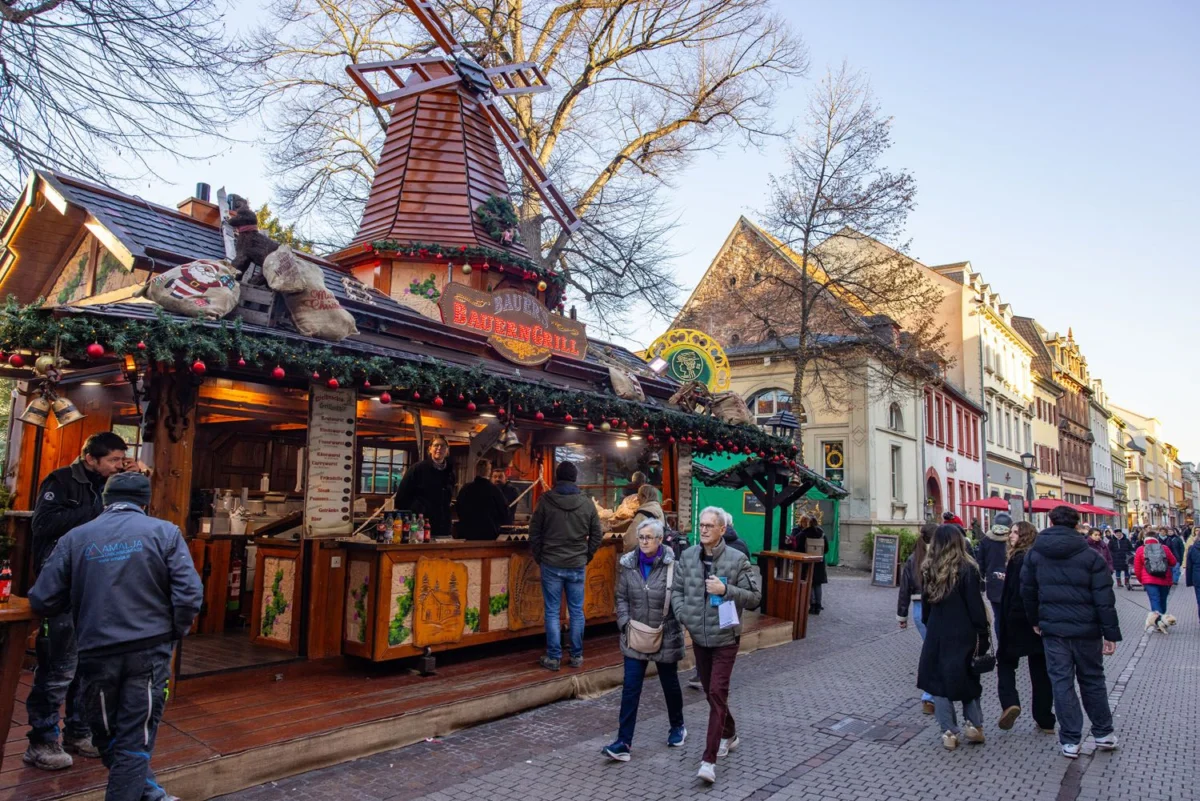
In the heart of the Baden-Württemberg region, where the Neckar River winds beneath the watchful gaze of ancient sandstone ruins, the city of Heidelberg transforms into a winter wonderland each December. While global travelers often flock to the sprawling, high-energy markets of Cologne or the historic corridors of Nuremberg, Heidelberg offers something arguably more precious: an intimate, romantic, and quintessentially German Christmas experience.
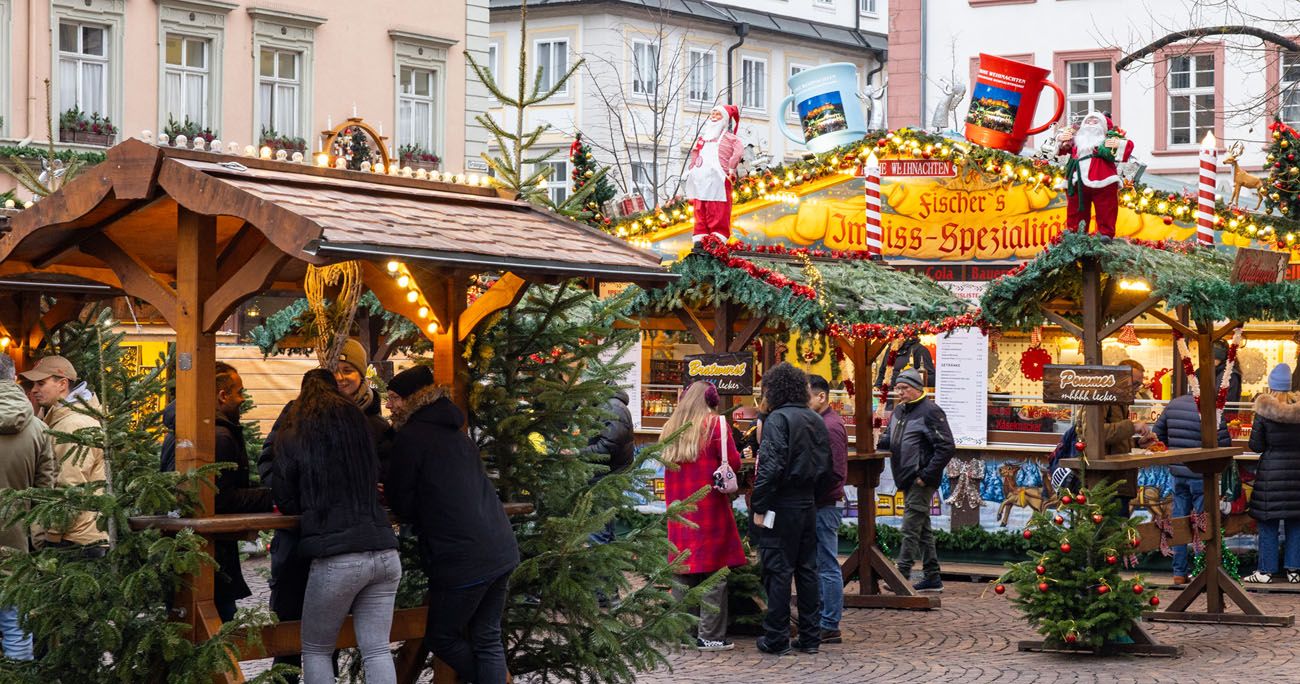
For those seeking the perfect blend of medieval atmosphere, artisanal craftsmanship, and festive culinary indulgence, the Heidelberg Christmas Market—or Heidelberger Weihnachtsmarkt—stands as one of Germany’s most picturesque hidden gems.
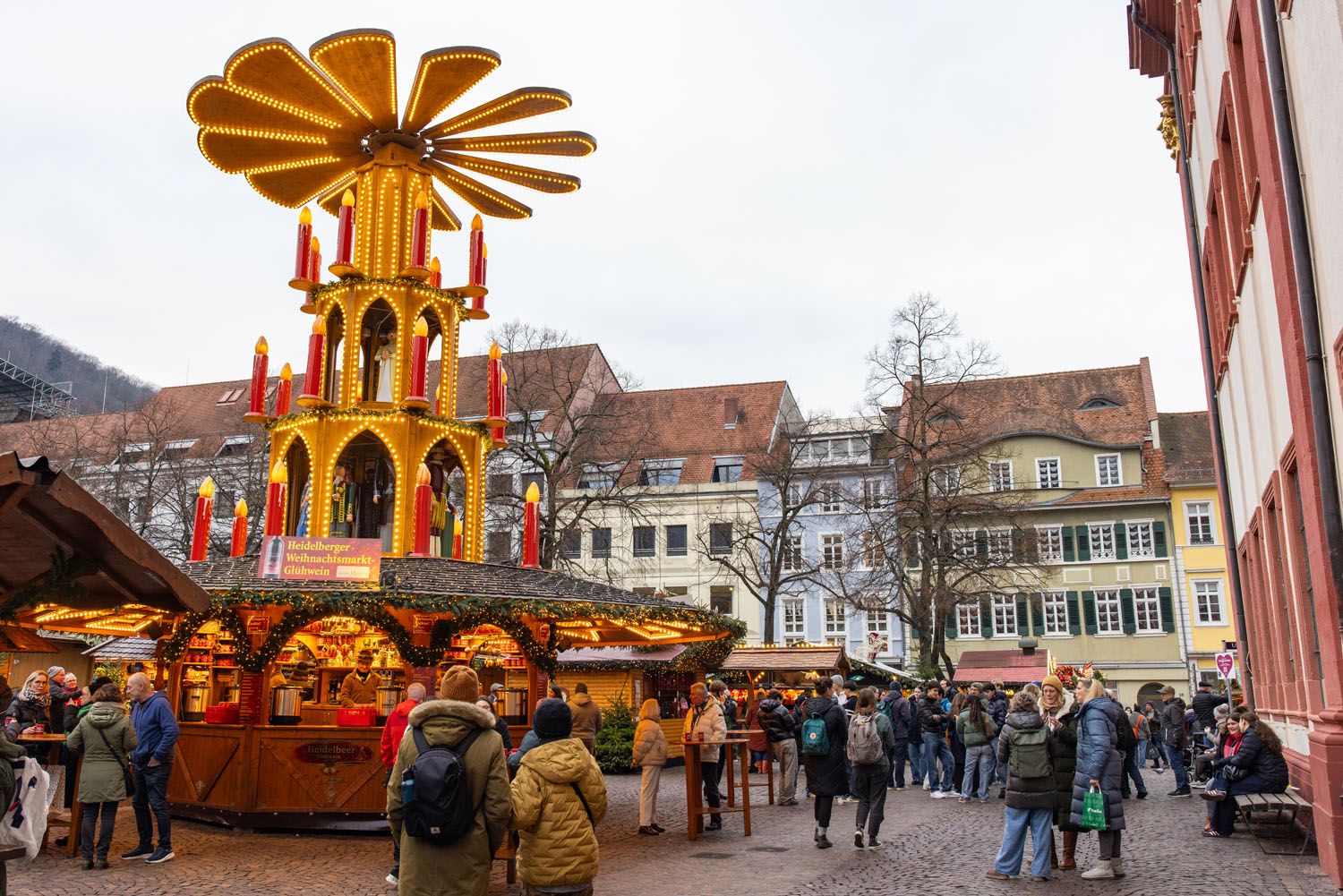
Main Facts: The Essence of the Heidelberg Market
The Heidelberg Christmas Market is not a single, centralized event, but rather a collection of festive hubs scattered throughout the city’s charming Old Town (Altstadt). Stretching from the bustling transit hub of Bismarckplatz to the shadow of the Heidelberg Castle at Karlsplatz, the market creates a seamless path of holiday cheer along the city’s main artery, the Hauptstraße.
- 2026 Dates: November 23 – December 22, 2026.
- Operating Hours: 11:00 AM – 9:00 PM (Sunday–Friday); 11:00 AM – 10:00 PM (Saturday).
- Admission: Entry to all market squares is completely free.
- Atmosphere: Unlike the frenetic pace of major metropolitan markets, Heidelberg retains a local, community-focused vibe, characterized by wooden huts, the scent of Glühwein (mulled wine), and the sound of brass ensembles echoing off the cobblestones.
Chronology of the Experience: A Walk Through History
A well-planned visit to Heidelberg is best structured as a progression from the modern entrance of the city into its historic, castle-adjacent heart.
Phase 1: Bismarckplatz and the Gateway
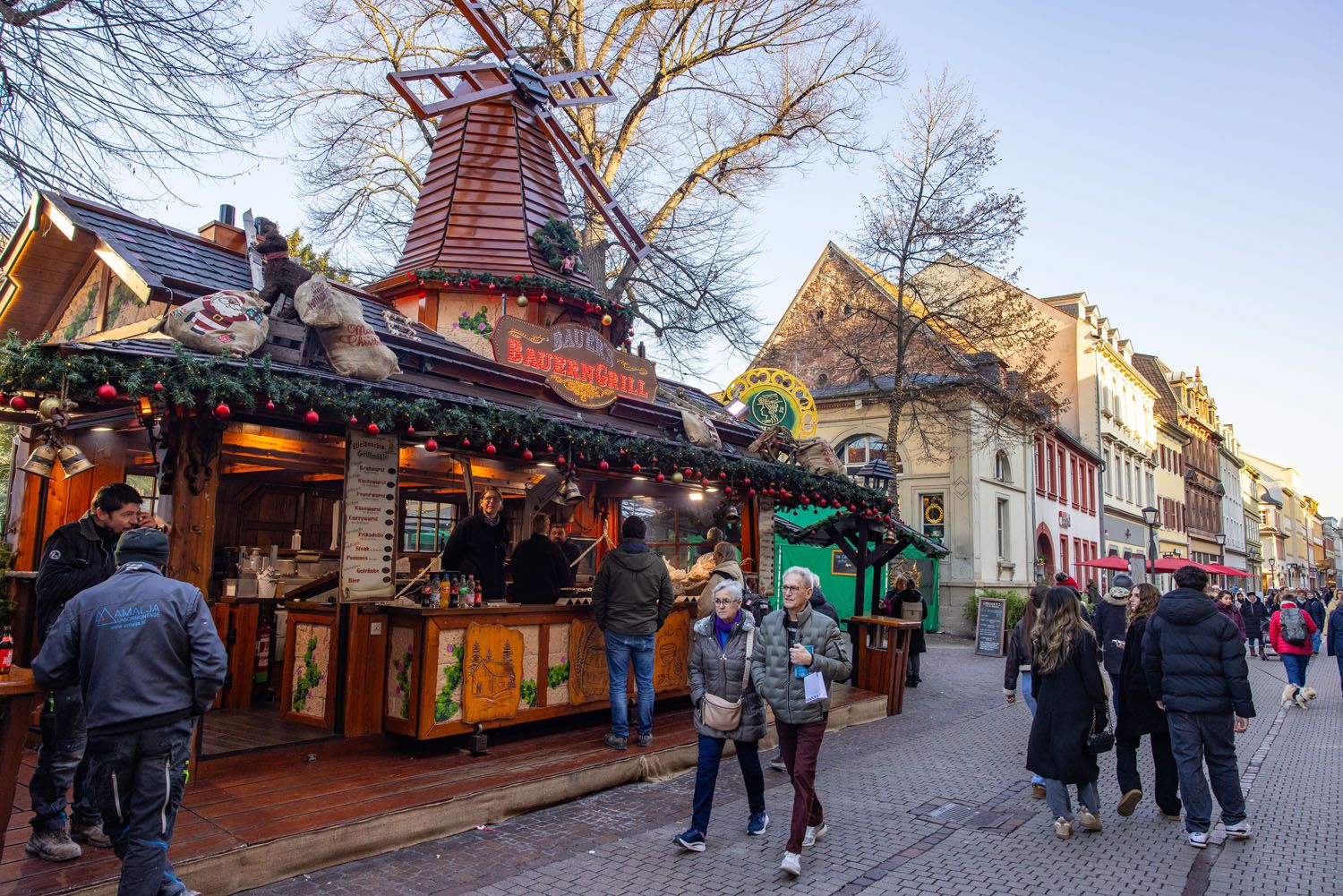
The journey begins at Bismarckplatz, the city’s commercial gateway. While this area features a small Ferris wheel and a handful of stalls, it serves primarily as a preamble. Visitors looking for the "true" Heidelberg experience should treat this as a quick pass-through before moving deeper into the city.
Phase 2: The Heart of Tradition at Anatomiegarten and University Square
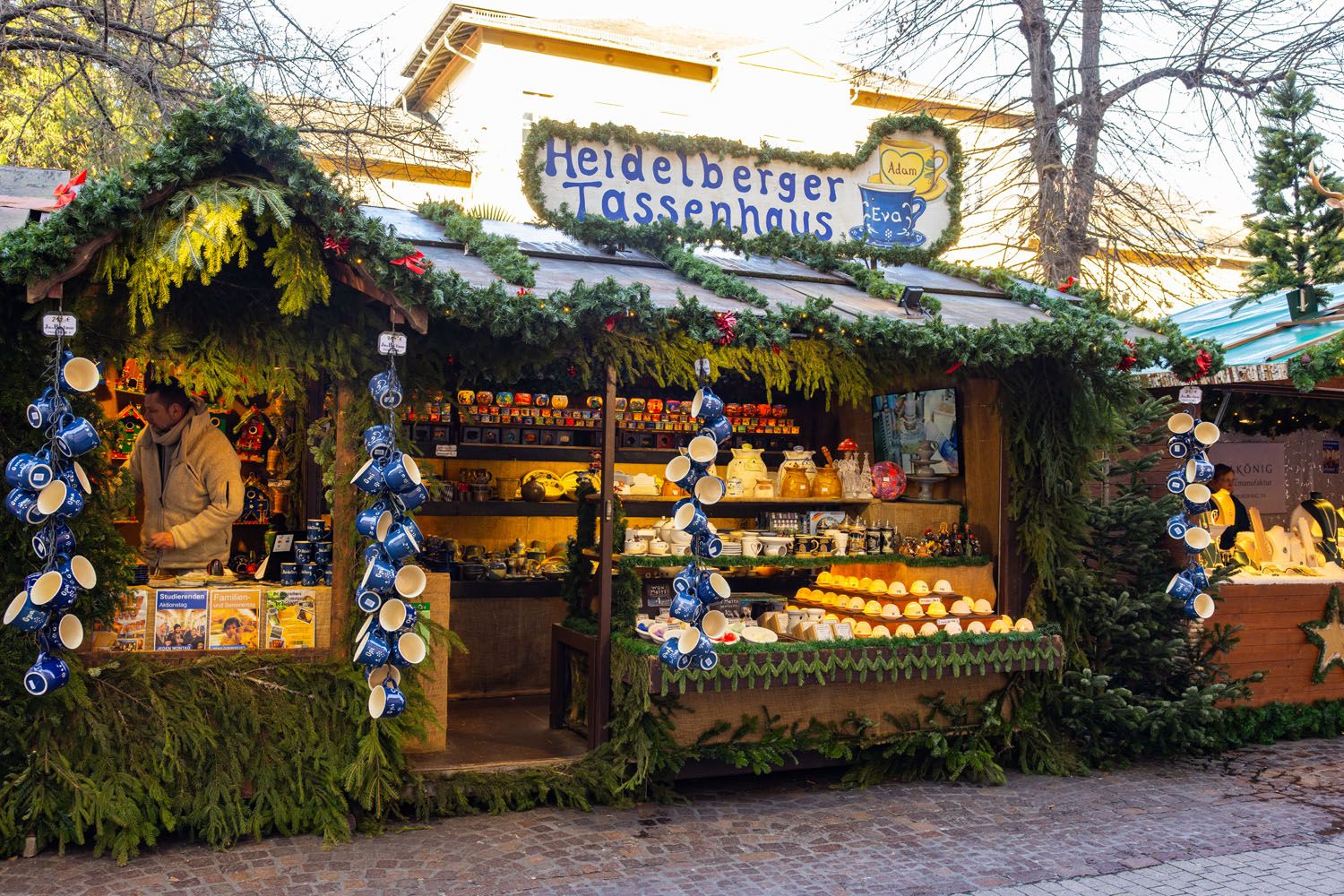
As you move along the Hauptstraße, the atmosphere shifts. The Anatomiegarten segment offers a refined selection of authentic, handmade crafts. However, the true climax of the market is reached at Universitätsplatz (University Square). This is the grand stage of the festival, boasting dozens of stalls that serve as the cultural anchor of the event. Here, the aroma of sizzling bratwurst and spiced mulled wine defines the sensory experience.
Phase 3: The Scenic Finale at Marktplatz and Karlsplatz
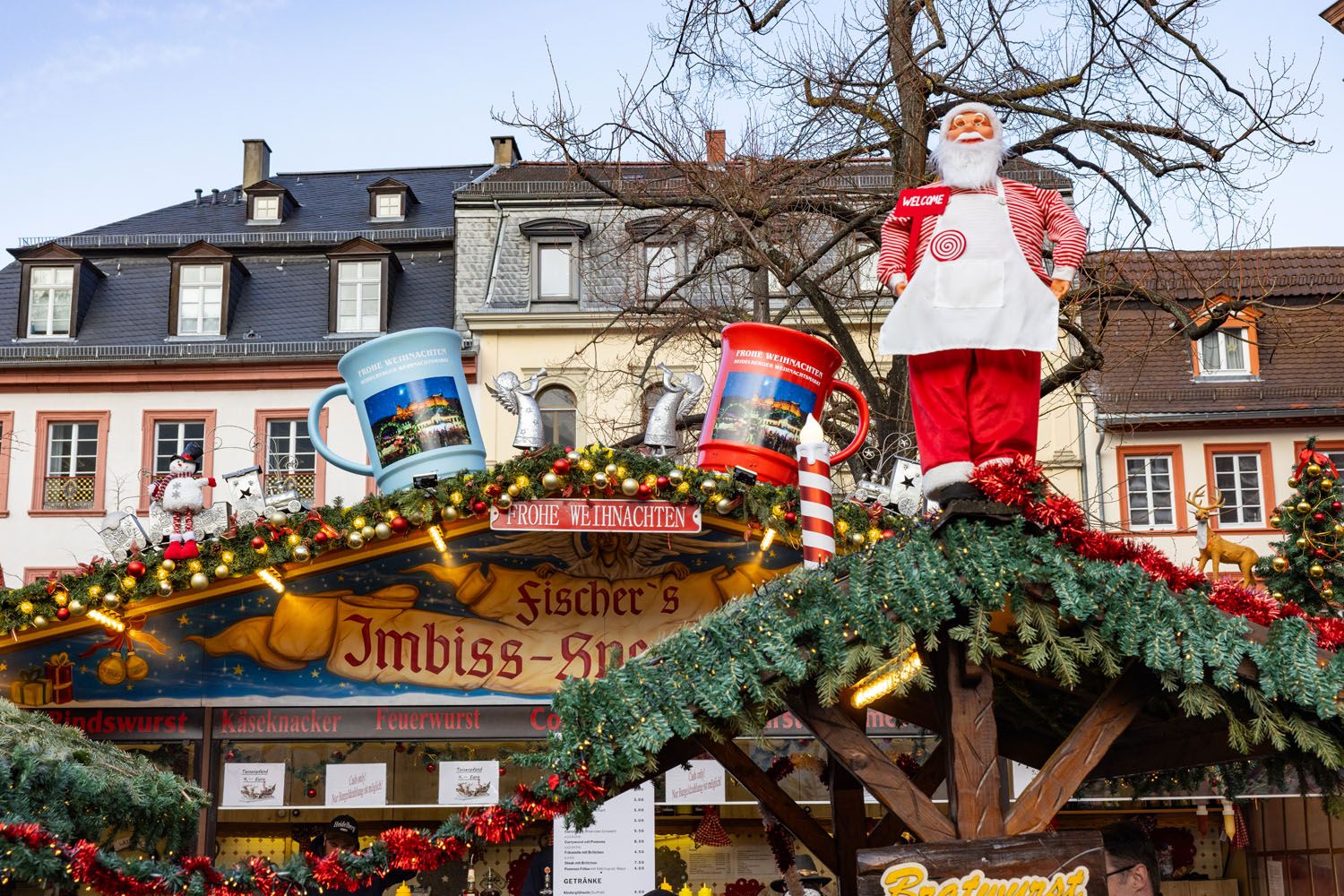
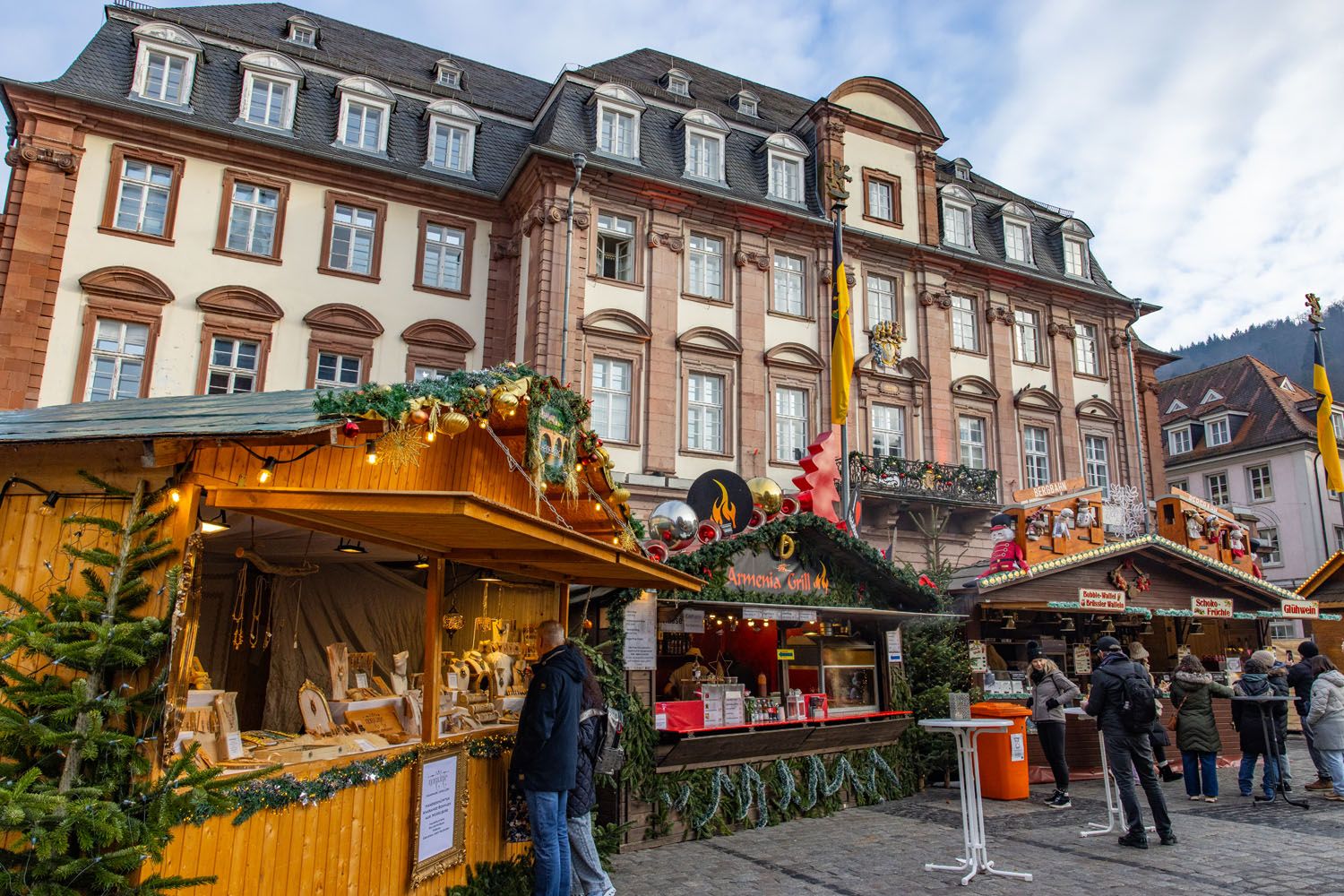
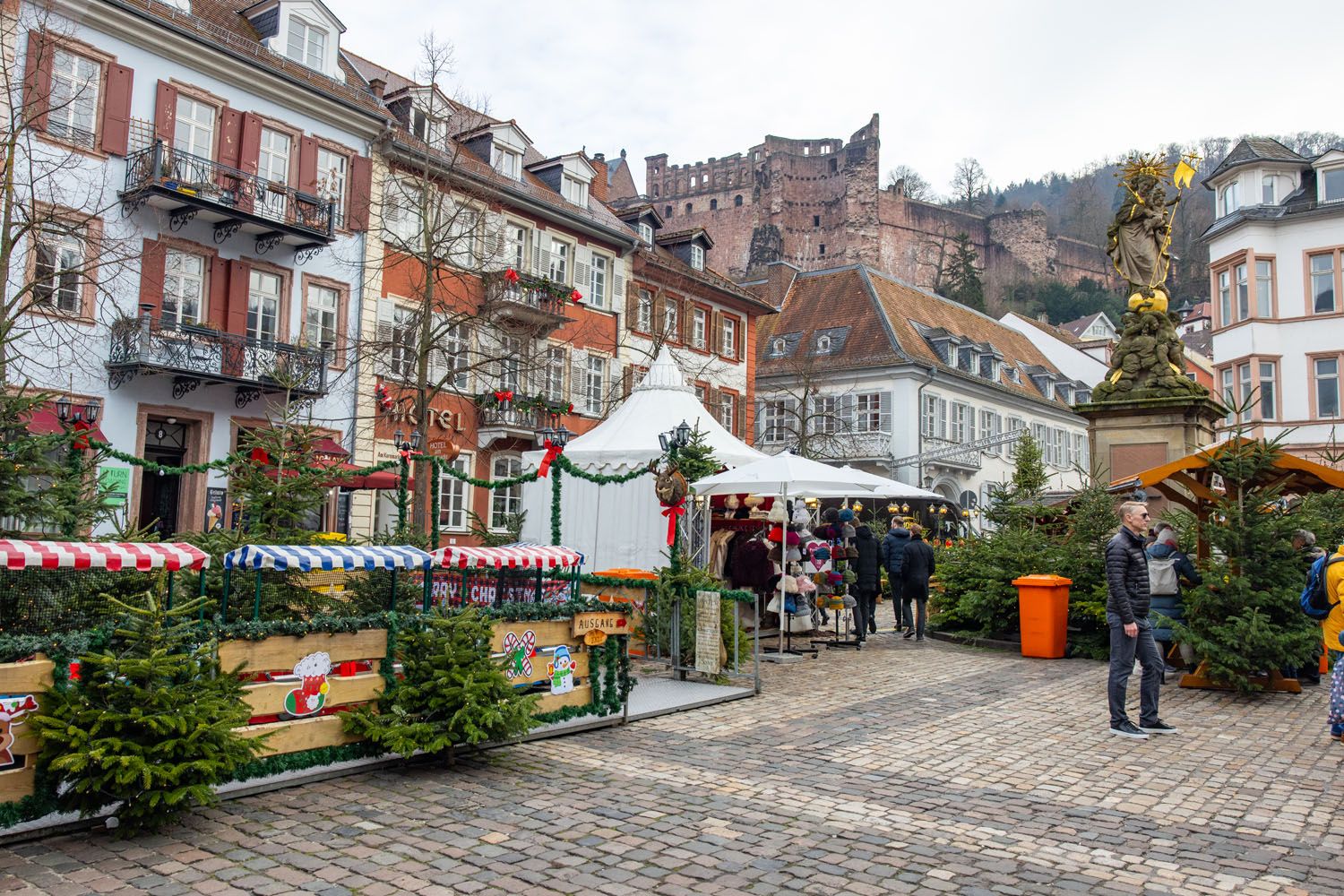
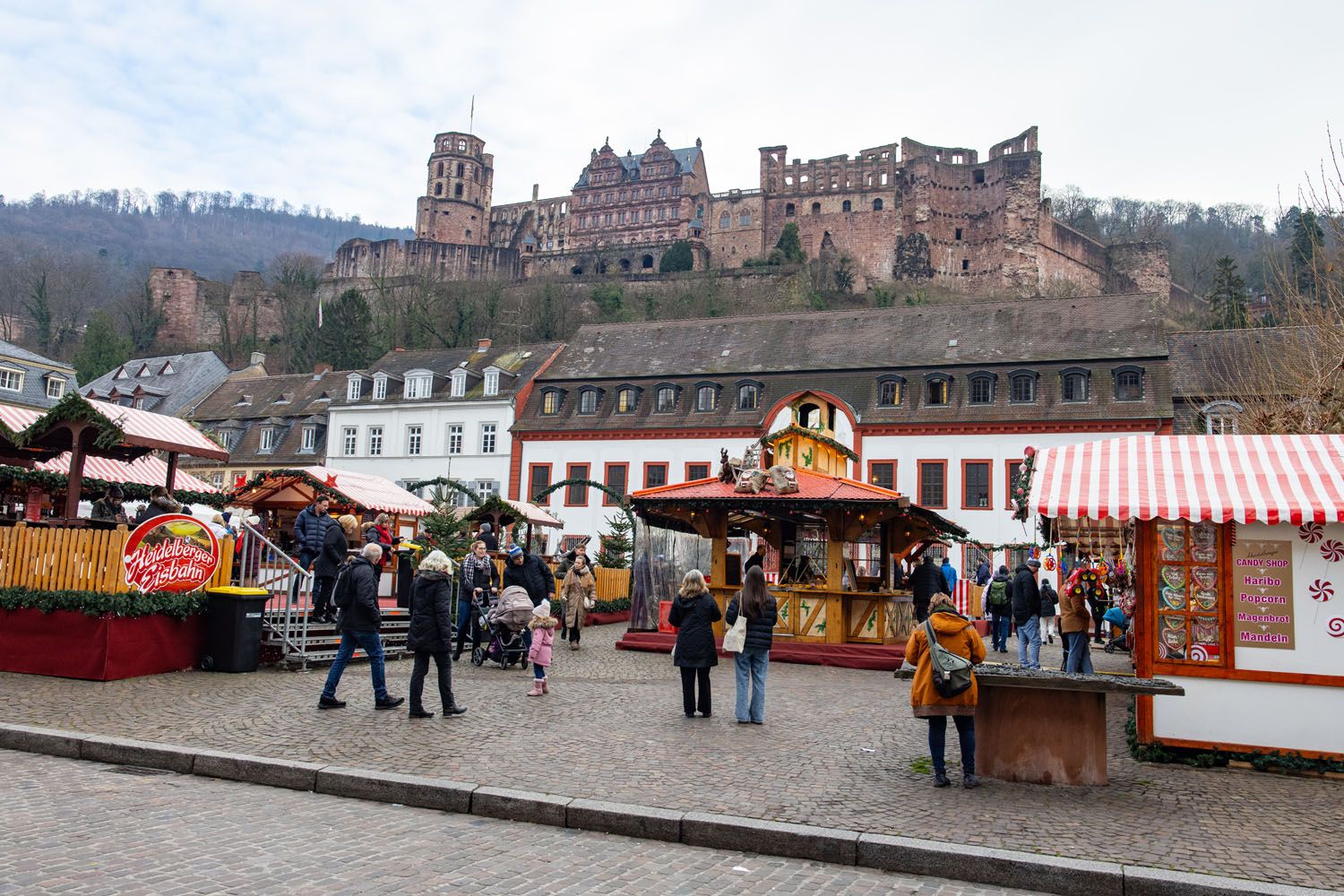
Continuing east, you reach Marktplatz, where the majestic Heiliggeistkirche (Church of the Holy Spirit) provides a breathtaking backdrop. A short distance further lies Karlsplatz, widely considered the most atmospheric location. Nestled directly at the base of the mountain leading to the castle, it offers an unparalleled view of the illuminated ruins, making it the perfect spot for late-evening photography.
Supporting Data: Why This Market Remains Underrated
Having explored over 20 Christmas markets across Germany—from the sprawling landscapes of Bavaria to the industrial hubs of the north—the contrast offered by Heidelberg is stark.
- Crowd Dynamics: On average, visitor density in Heidelberg during the week is 30–40% lower than that of Frankfurt or Cologne. This allows for a more relaxed experience, enabling visitors to actually converse with vendors and appreciate the artisanal details of the goods.
- Architectural Integration: The market is not merely a pop-up; it is woven into the fabric of one of Germany’s best-preserved Renaissance city centers.
- Comparative Value: While many markets have become increasingly commercialized, Heidelberg maintains a high ratio of independent, local artisans selling wood carvings, hand-blown ornaments, and regional textiles.
Official Perspectives and Local Significance
Local marketing authorities in Heidelberg emphasize that the market is designed to reflect the city’s long-standing identity as a hub for philosophers, poets, and students. By avoiding the "carnival" atmosphere of larger cities, the market remains a staple of the local lifestyle.
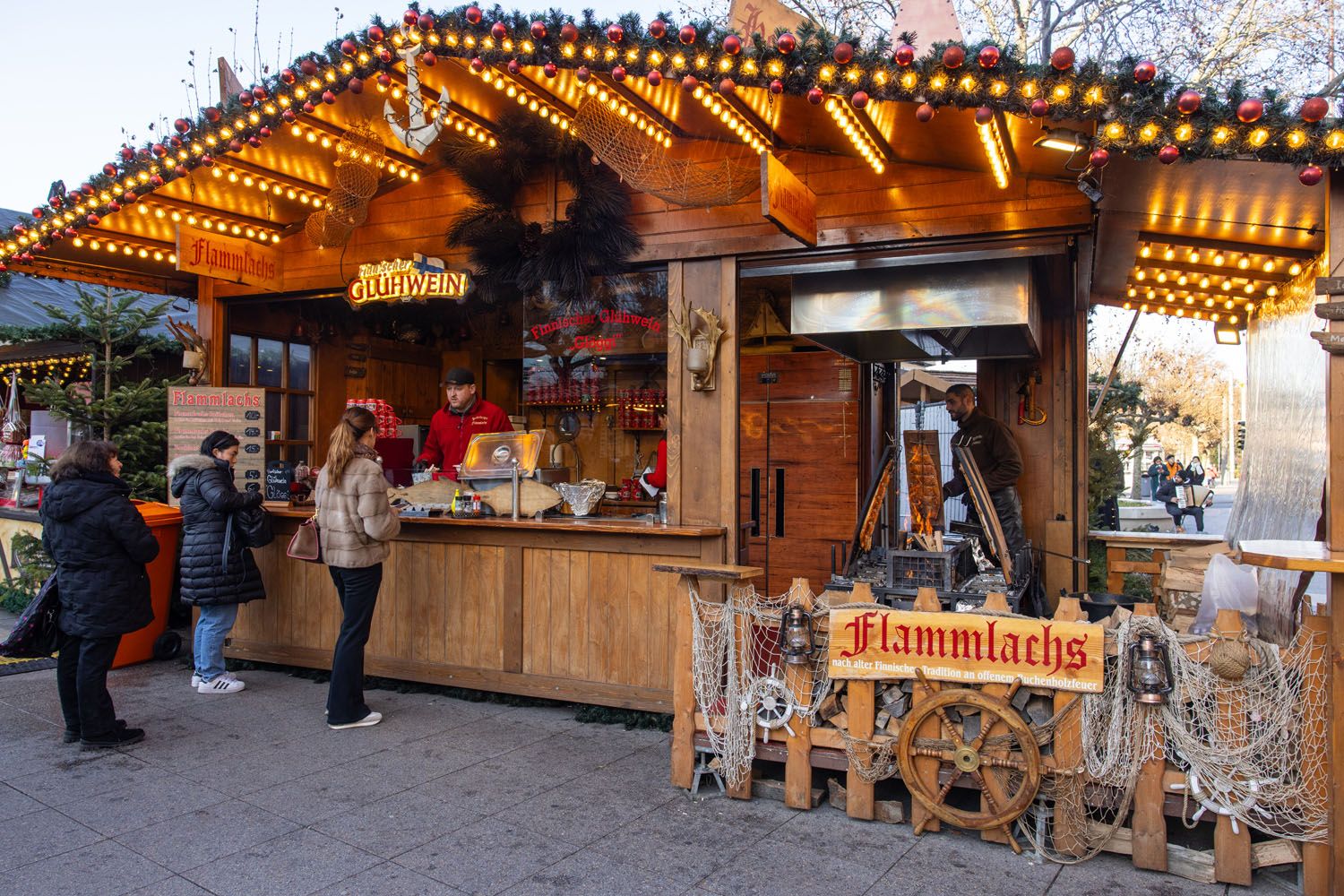
- The Culinary Standard: The market enforces high standards for local food vendors. Traditional specialties, such as Flammlachs (flame-grilled salmon) and variations of Lebkuchen (gingerbread), are sourced from regional producers rather than mass-market distributors.
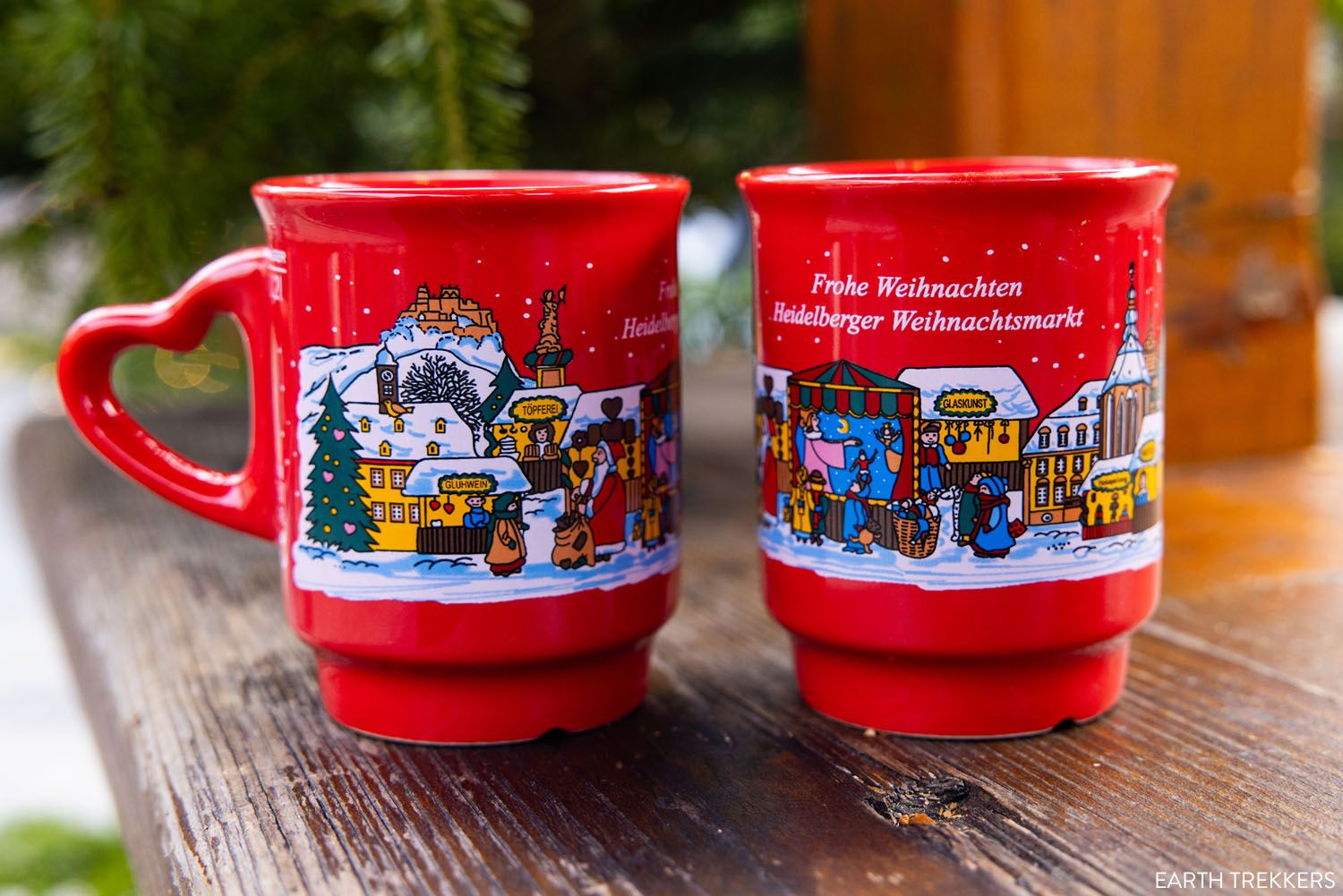
- Sustainability: Heidelberg has increasingly moved toward eco-friendly practices, including the use of reusable ceramic mugs for Glühwein, reducing the environmental footprint typically associated with massive winter festivals.
Implications for Travelers: Planning Your Visit
For the discerning traveler, Heidelberg is a masterclass in efficiency. Because the town is compact, it is possible to experience the essence of the city in a single day trip.
The Itinerary Strategy
- Morning (10:00 AM – 1:00 PM): Arrive early to beat the day-trip crowds. Head straight for the funicular station to ascend to the Heidelberg Castle. The ruins are best viewed in the crisp morning light.
- Afternoon (1:00 PM – 4:00 PM): Descend back to the Altstadt. Wander the Hauptstraße, starting from Bismarckplatz and ending at the Alte Brücke (Old Bridge). Ensure you take time to cross the bridge for the iconic panoramic view of the river and the castle hill.
- Evening (4:00 PM – 8:00 PM): As the sun sets, the markets come alive. Spend your time between University Square and Marktplatz. The evening lighting transforms the sandstone buildings into a glowing, golden landscape.
Logistical Advice
- The Train Advantage: Heidelberg Hauptbahnhof is exceptionally well-connected. From Frankfurt, the high-speed train transit is roughly one hour. We strongly recommend rail over driving, as parking near the historic center is notoriously limited and expensive during the holiday season.
- Dress for the Elements: Because the market is spread across open squares and narrow streets, it is subject to the winds blowing off the Neckar River. Layering is essential for a comfortable visit.
Conclusion: Is it Worth the Trip?
If you are already traversing the Frankfurt-Stuttgart corridor, the answer is a resounding yes. While it may not offer the sheer volume of stalls found in larger cities, Heidelberg provides a level of charm that is increasingly difficult to find in the modern age. It is a place where the holiday season feels grounded in history rather than spectacle.
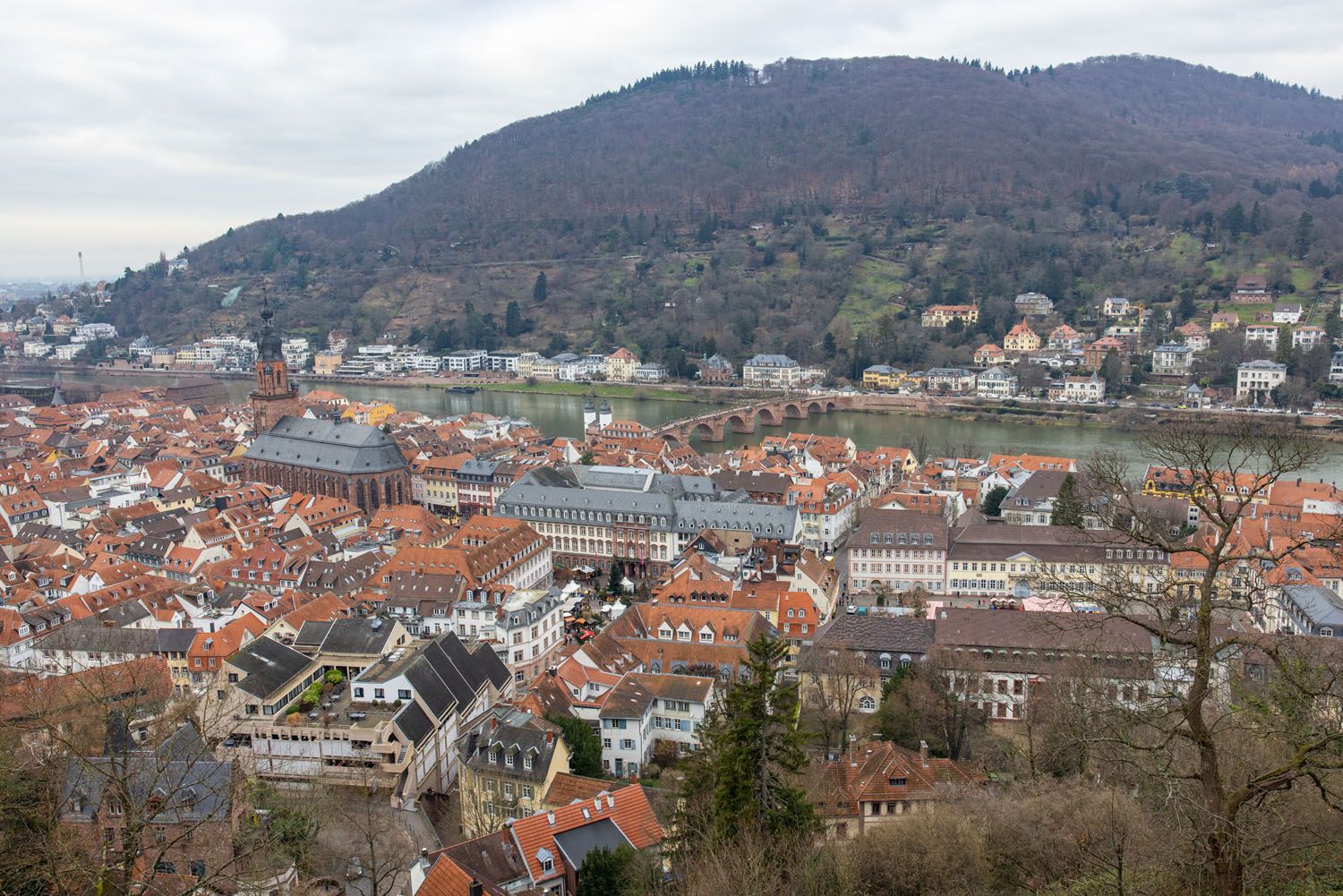
By combining a visit to the castle, a walk across the historic bridge, and a few hours in the glow of the Christmas market, you aren’t just visiting a destination—you are participating in a tradition that has defined the German winter for centuries. Whether you are a first-time visitor or a seasoned veteran of the European Christmas circuit, Heidelberg is a testament to the idea that sometimes, smaller is indeed better.
 Nana Wu
  Raul Delapena Setiawan
  Iffa Jayyana