

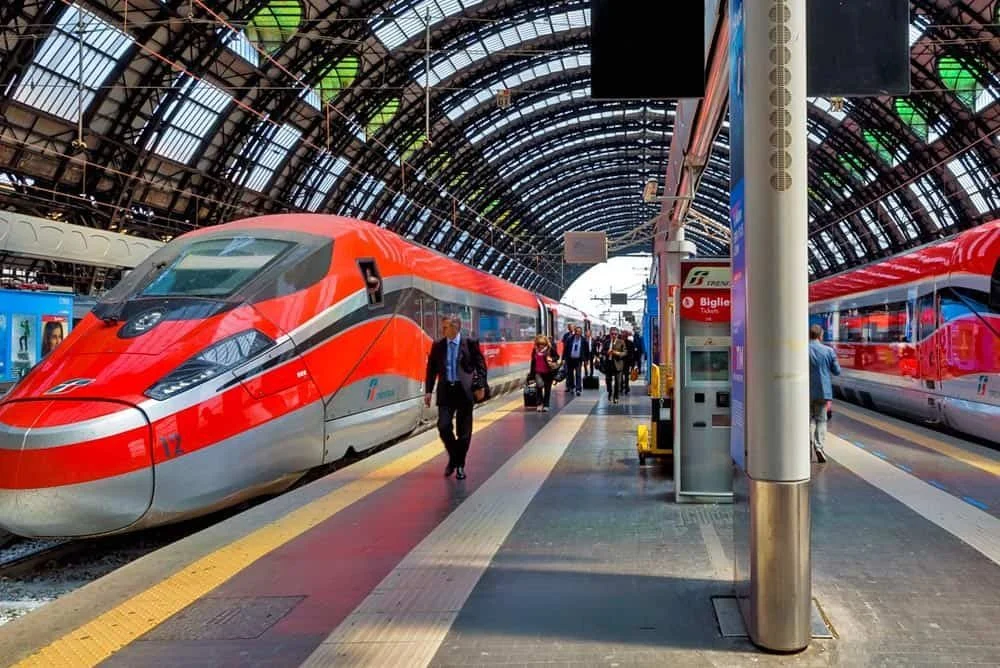
For many travelers, the quintessential European experience is not found in the sterile terminals of an airport, but in the rhythmic click-clack of a train traversing the Alps or winding through the pastoral landscapes of Tuscany. Rail travel in Europe is more than a transit method; it is a romantic, efficient, and deeply ingrained cultural institution. For those unaccustomed to the density of Europe’s rail network, however, the system can appear dauntingly complex. This guide serves as your comprehensive blueprint for mastering the tracks.
The Landscape of European Rail: Main Facts
Europe boasts one of the most sophisticated rail infrastructures on the planet. Unlike the fragmented systems in other parts of the world, European rail networks are interconnected, allowing travelers to cross borders with ease.
Core Components of the System:
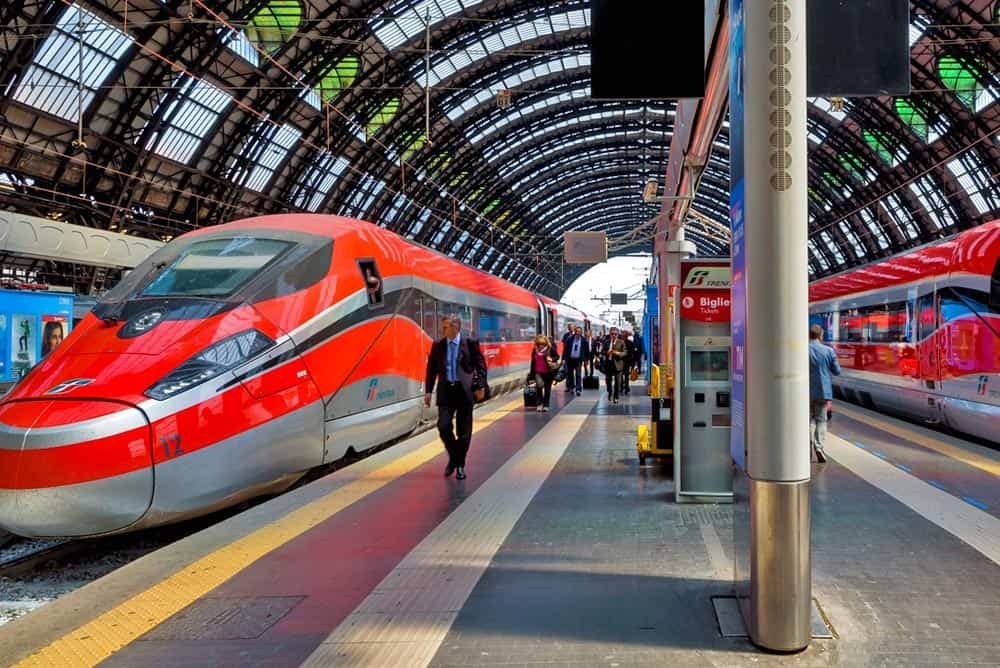
- National Rail Services: Most countries operate a state-run rail service (e.g., SNCF in France, Deutsche Bahn in Germany, Trenitalia in Italy). These entities manage the bulk of the domestic infrastructure.
- High-Speed Networks: Systems like France’s TGV, Spain’s AVE, and Germany’s ICE have revolutionized travel, turning multi-day journeys into mere hours.
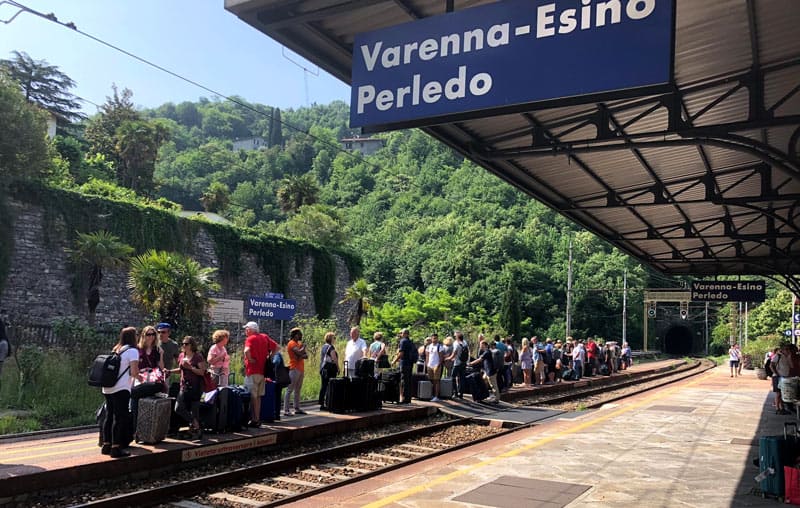
- Regional and Local Lines: These are the workhorses of the network, connecting smaller towns to major hubs. They are typically fixed-price and require no advance reservation.
The primary appeal of this system lies in its sustainability and convenience. Trains deliver you to the city center, bypassing the lengthy commutes often required by airports, which are typically situated on the outskirts of metropolitan areas.
Chronology: Planning Your Journey
Effective rail travel requires a structured approach to planning. While the romantic ideal suggests a "hop-on, hop-off" lifestyle, modern ticket pricing necessitates a degree of preparation.
1. Pre-Trip Research (3–6 Months Out)
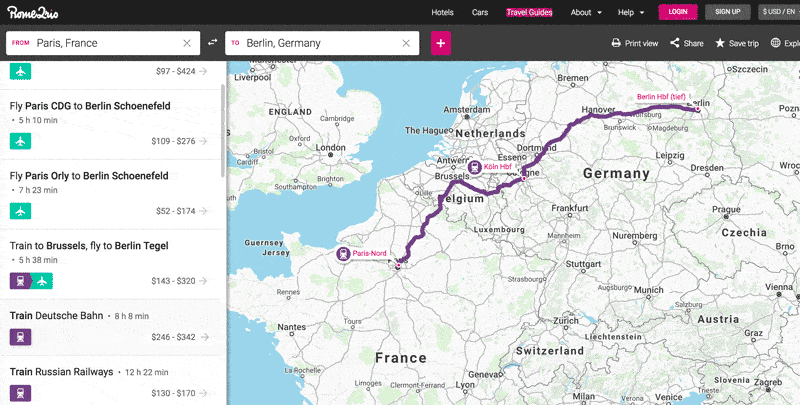
Utilize tools like Rome2Rio for high-level route mapping. It provides a visual overview of how various modes of transit—planes, buses, and trains—compare in terms of time and cost. For specific scheduling and logistical planning, Bahn.de (German Railways) remains the industry gold standard; it provides a comprehensive schedule for nearly every train across the continent.
2. Booking and Purchasing (1–2 Months Out)
Once your itinerary is solidified, transition to booking platforms like Omio or Trainline. These third-party aggregators aggregate pricing from multiple national carriers, offering a user-friendly interface that simplifies the often-convoluted process of booking across borders.
3. Execution (The Day of Travel)
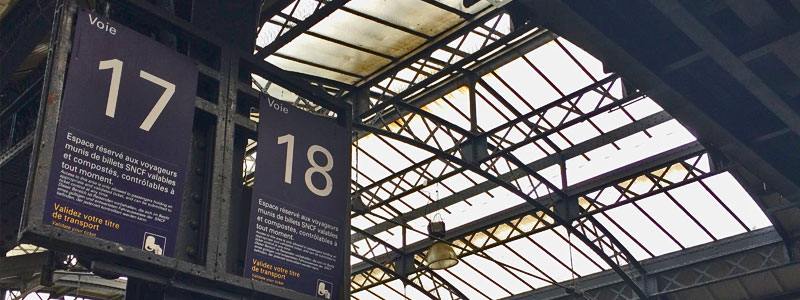
Arrival at the station is a pivotal moment. Most major European stations serve as nerve centers for the city. It is imperative to arrive at least 30 minutes before departure, particularly in massive terminals like Paris Gare du Nord or Berlin Hauptbahnhof, to navigate the scale of the station and locate your platform.
Supporting Data: Understanding Pricing Models
To maximize your budget, you must distinguish between the two primary pricing models employed by European rail carriers.
Variable-Price Fares
Commonly applied to high-speed and international routes, variable pricing functions similarly to airline tickets. Prices fluctuate based on demand, the time of day, and how far in advance you book. A ticket from Paris to Marseille could cost €40 if booked three months early, but spike to €180 if purchased on the day of departure.
Fixed-Price Fares
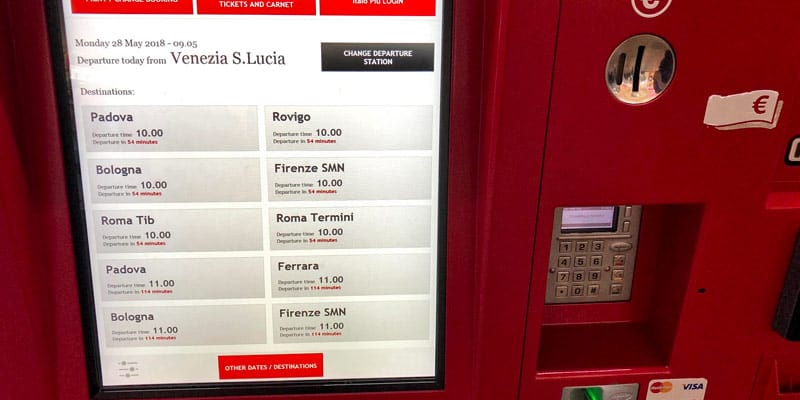
Regional and local trains typically operate on a fixed-price model. The cost is determined strictly by distance. Because these prices do not fluctuate, there is no financial incentive to book in advance. These tickets are often best purchased at station kiosks shortly before departure, providing the traveler with maximum flexibility.
Official Guidance: Navigating Stations and Safety
Navigating the station is an art form. Travelers should adhere to the following protocol to ensure a seamless experience:
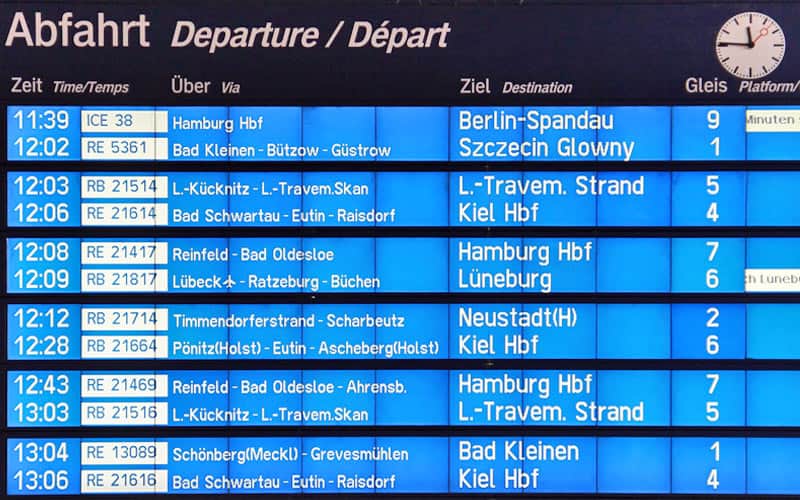
Reading the Departure Board
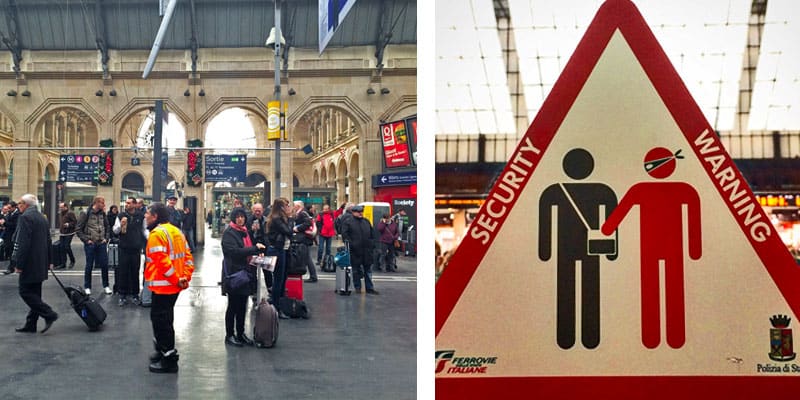
The departure board is your most reliable source of information. It will list the train number, the scheduled time, and the platform. A crucial caveat: Platforms are often not displayed until 10–15 minutes before departure. Do not be alarmed if your train does not appear on the board an hour early; remain in the main hall and monitor the screens.
The Validation Requirement
In certain countries, specifically Italy and France, paper tickets must be "validated" or time-stamped in a small machine located at the platform entrance before boarding. Failing to do so can result in significant on-the-spot fines. Digital, mobile-based tickets generally do not require this step, as they are time-locked to your specific journey.
Security and Vigilance
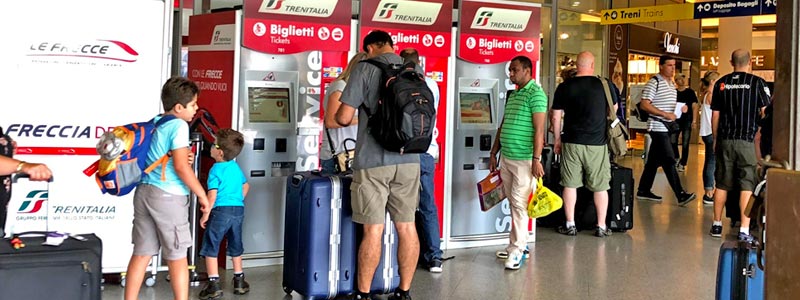
Large, busy stations are hotspots for petty crime. Pickpockets often target distracted tourists. Be wary of individuals who approach you offering "assistance" with ticket machines—this is a classic ruse. Maintain a firm grip on your belongings and use official station staff, identifiable by their uniforms, if you require genuine assistance.
Implications: The Eurail Pass vs. Individual Tickets
The debate between purchasing a Eurail Pass and individual point-to-point tickets is the central dilemma for the modern rail traveler.
The Case for Eurail:
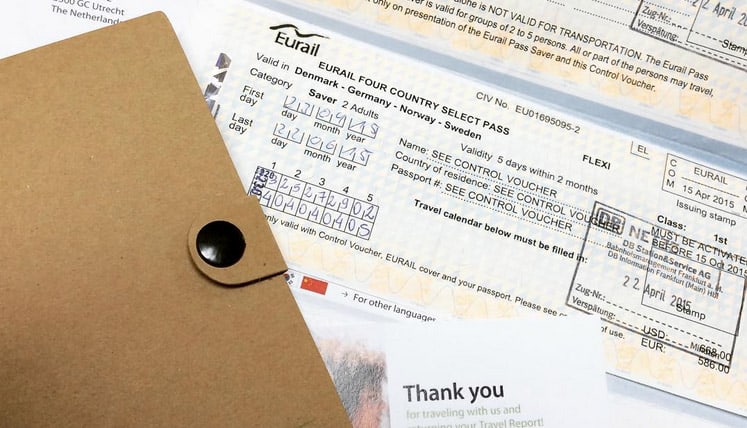
A Eurail pass is a singular ticket that provides access to a vast network of trains across multiple countries. It is the ultimate tool for the "spontaneous" traveler. It offers unparalleled freedom; if you decide to extend your stay in Prague or move on early from Vienna, you can simply board the next available train.
The Case for Point-to-Point:
If your itinerary is rigid and you are traveling between major cities months in advance, point-to-point tickets are almost always cheaper. They provide a guaranteed seat and a fixed schedule, which can be advantageous for travelers on a strict budget who do not require the flexibility of a pass.
Final Expert Tips for a Seamless Ride
- Stay Connected: Most electronic tickets require a reliable internet connection to access. Ensure you have an eSIM or a dedicated European data plan before embarking.
- Luggage Etiquette: Space is at a premium. Use overhead racks for small bags and designated end-of-car racks for large suitcases. Keep your valuables in a daypack that stays with you at your seat.
- Language Barriers: Most modern automated ticket kiosks offer English-language interfaces. If you must use a service window, staff in major transit hubs are almost universally proficient in English.
- The "Slow" Advantage: Don’t fear the slower, regional trains. They are often the most scenic, taking you through rural corridors and small villages that high-speed lines bypass entirely.
By treating the European rail network as a coherent, interconnected system rather than a series of individual obstacles, you transform your travel experience. It becomes less about the frustration of logistics and more about the unfolding landscape—a moving window into the heart of the continent. Whether you are a backpacker on a shoestring budget or a leisure traveler seeking comfort and class, the rails of Europe offer an unparalleled, time-honored journey. Safe travels, and may your connections be swift.
 Ammar Sabilarrohman
  Pevita Pearce
  Dwi Wanna