

In the modern age of travel, a reliable high-speed data plan is no longer a luxury—it is an essential tool for navigation, communication, and safety. Yet, for many travelers crossing the Atlantic, the intersection of mobile technology and international roaming remains a minefield of confusing terms, exorbitant fees, and throttled speeds. Whether you are navigating the cobblestone streets of Rome or checking train schedules in Berlin, understanding how to manage your mobile data is critical to a seamless travel experience.
This guide provides a professional analysis of the current European mobile landscape, detailing the most effective strategies to maintain connectivity without breaking your budget.

The Core Landscape: Will Your Smartphone Function in Europe?
From a technical standpoint, the barrier to entry for using your phone abroad has never been lower. Virtually any smartphone manufactured after 2016, including the iPhone 7 and subsequent models, is fully compatible with Europe’s mobile infrastructure. The continent operates on GSM (Global System for Mobile Communications) standards, which are globally ubiquitous.
Upon arrival, your American carrier will likely detect a local partner network, triggering an automatic connection if data roaming is toggled "on" in your device settings. However, this convenience often comes with a steep price tag. Relying on your home carrier’s international "day pass" or roaming add-on frequently results in a daily charge—often $10 to $15 per day—for a limited data bucket that is often throttled to sluggish 2G or 3G speeds. For the savvy traveler, the most efficient route is to circumvent these proprietary plans in favor of local SIM or eSIM technology.
Chronology of Connectivity: Planning Your Digital Strategy
To ensure a smooth transition from your home network to European services, follow this chronological workflow:
- Pre-Departure (3–4 weeks out): Verify your phone’s "unlock" status. Contact your domestic carrier to ensure your device is not locked to their network. If you are under contract, request an international unlock.
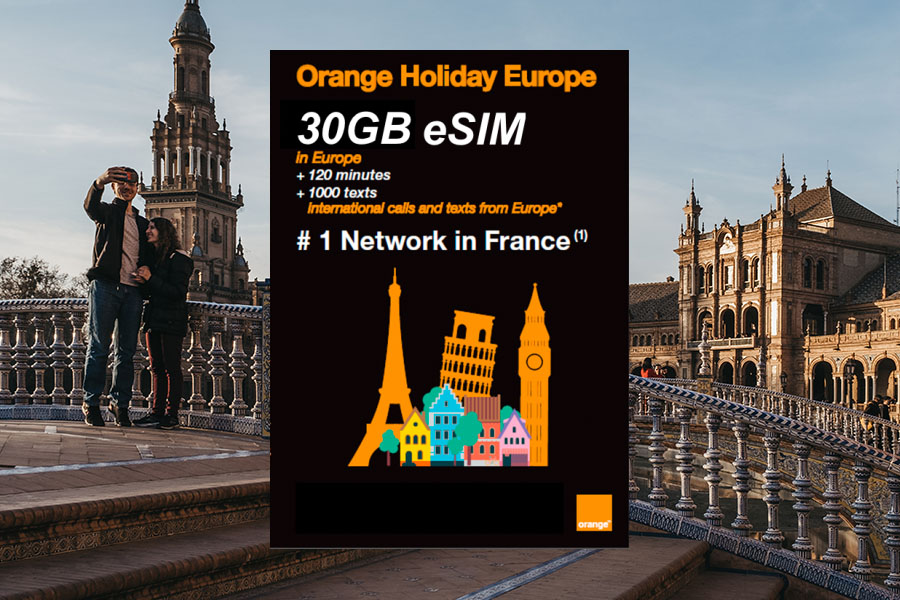
- Research (2 weeks out): Determine if your device supports eSIM technology. If it does, you have the advantage of maintaining your home number for emergency calls while using a digital local data plan simultaneously.
- Procurement (1 week out): Purchase your eSIM or order a physical SIM card online to be delivered to your home.
- Arrival: Activate your data plan immediately upon landing. If using a physical SIM, ensure your original card is stored securely.
Supporting Data: Comparing the Options
The disparity between domestic roaming plans and local European prepaid alternatives is stark. While US carriers charge upwards of $100 for a week of international roaming with limited data, a local prepaid plan can provide 20GB to 30GB of high-speed 4G/5G data for approximately €20–€30.

The Major US Carrier Reality Check
- T-Mobile: Offers the most "friendly" roaming, with unlimited texting and data in over 210 countries. However, speeds on many plans are capped at 2G after the initial 5GB of high-speed data is exhausted, which may prove inadequate for modern navigation or video calling.
- Verizon & AT&T: Typically utilize a "TravelPass" or "International Day Pass" model. While reliable, the daily fee accumulates rapidly over a two-week trip, often totaling more than $150 in additional charges.
The European Prepaid Advantage
By utilizing an eSIM or a local physical SIM, you are tapping into a hyper-competitive market. Because the European Union enforces "Roam Like at Home" regulations, a SIM card purchased in one EU country is valid across all member states without additional roaming surcharges. This allows for seamless transit across borders without the need to switch plans.

Official Guidelines: Navigating eSIM and Physical SIM Cards
The emergence of eSIM (embedded SIM) technology has revolutionized travel. Unlike traditional plastic SIM cards, an eSIM is a digital module downloaded directly to your phone’s internal chip.
Why Choose eSIM?
- Convenience: Activation is instant. You can purchase a plan via platforms like SimOptions or Holafly and be ready the moment your plane lands.
- Retention: You do not need to remove your home SIM card, meaning you can still receive SMS verification codes for banking or security while using your local data for maps and web browsing.
- Zero Logistics: There is no risk of losing a tiny plastic chip, and no need to visit a mobile store in a foreign city to register a new account.
When to Use a Physical SIM
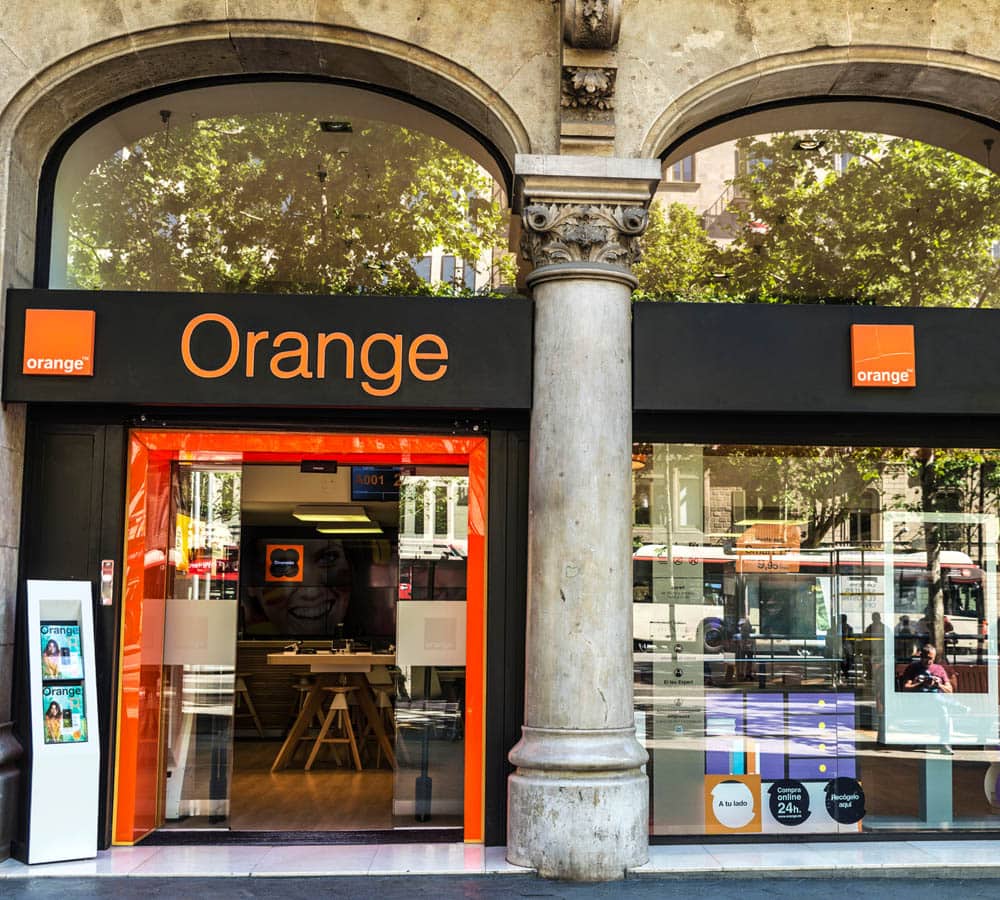
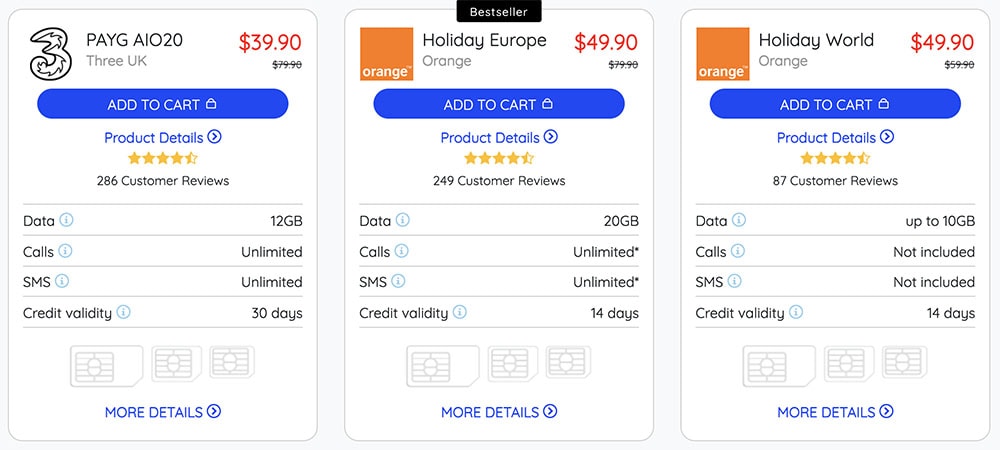
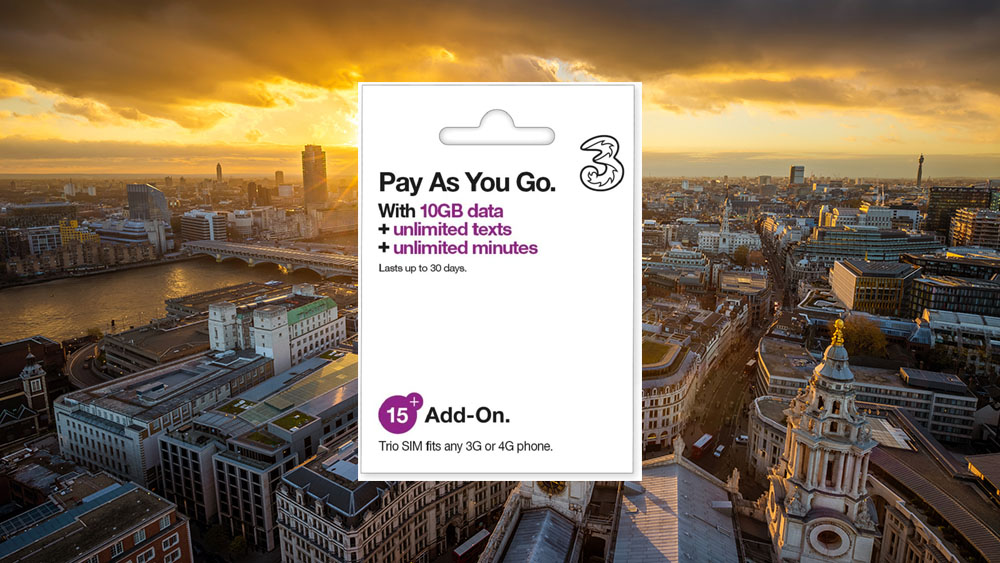
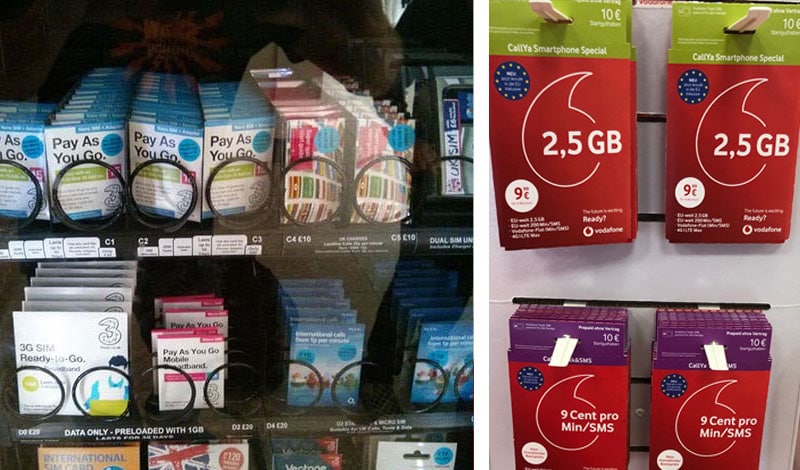
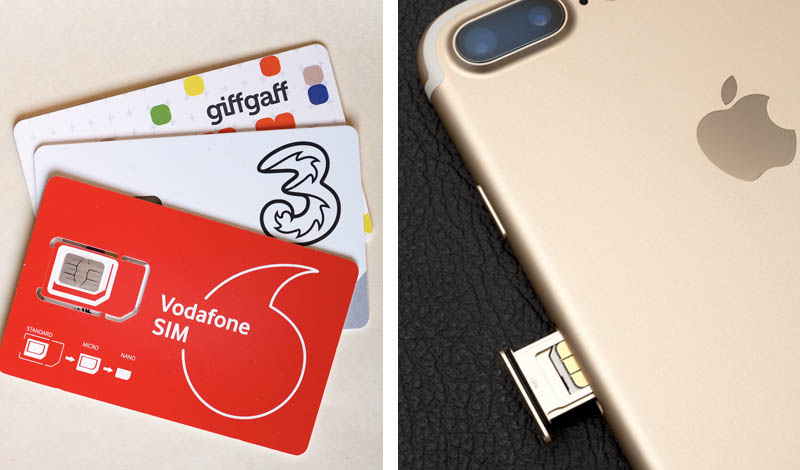
Physical cards remain a viable option for travelers with older hardware or those visiting countries with specific registration requirements. If you choose this path, prioritize major providers like Orange or Three UK, which offer dedicated "Tourist" or "Vacation" SIMs specifically designed for short-term visitors.
Implications: The Risks of "Free" Alternatives
A common mistake is over-reliance on public Wi-Fi. While hotels, cafés, and transit hubs often provide free internet, these networks are frequently insecure and unreliable. Relying on them for critical tasks—such as booking last-minute train tickets, using Uber, or navigating via Google Maps—can lead to significant logistical stress.
Furthermore, "free" Wi-Fi often requires a captive portal login that may fail, or signal strength that drops the moment you step out of the coffee shop door. The cost of a prepaid data plan is effectively an insurance policy against being stranded without digital support.
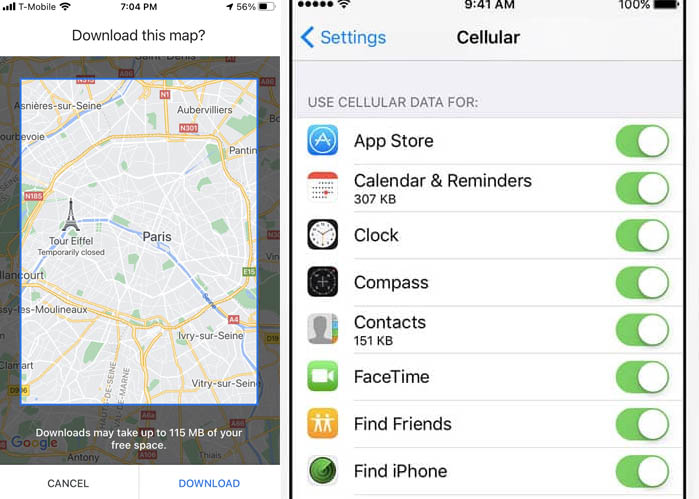
Practical Tips for Data Conservation
Even with a generous data plan, it is wise to optimize your device:

- Offline Maps: Download specific city regions in Google Maps before leaving your accommodation. This saves significant data and battery life.
- Background App Refresh: Disable data access for non-essential applications (social media, cloud backups) in your phone’s settings menu to prevent "background drain."
- Communication: Utilize apps like WhatsApp or Signal for voice calls and messaging over data, as these are the industry standard for communication throughout Europe.
Final Recommendations for the Savvy Traveler
If you are embarking on a trip to Europe, your digital infrastructure should be as well-planned as your itinerary.

- Prioritize eSIM: Check your device compatibility. If your phone supports eSIM, it is objectively the most efficient method for connectivity. Providers like Holafly offer excellent unlimited data packages that include a phone number for local calls, which is invaluable for restaurant reservations or interacting with tour operators.
- Power Up: High-speed data and constant GPS usage will drain your battery. A high-quality power bank, such as the Anker PowerCore 10000, is a mandatory addition to your carry-on luggage.
- Avoid the "Roaming Trap": Before you leave, call your home carrier to verify that you have turned off "International Roaming" to avoid accidental charges, then switch to your pre-purchased local data plan the moment you arrive.
By treating your mobile connectivity as a proactive component of your travel planning, you can ensure that your smartphone remains a source of freedom rather than a source of stress. Whether you are navigating the labyrinthine alleys of Prague or the high-speed rail lines of France, staying connected should be the easiest part of your journey.
 Ammar Sabilarrohman
  Pevita Pearce
  Dwi Wanna