

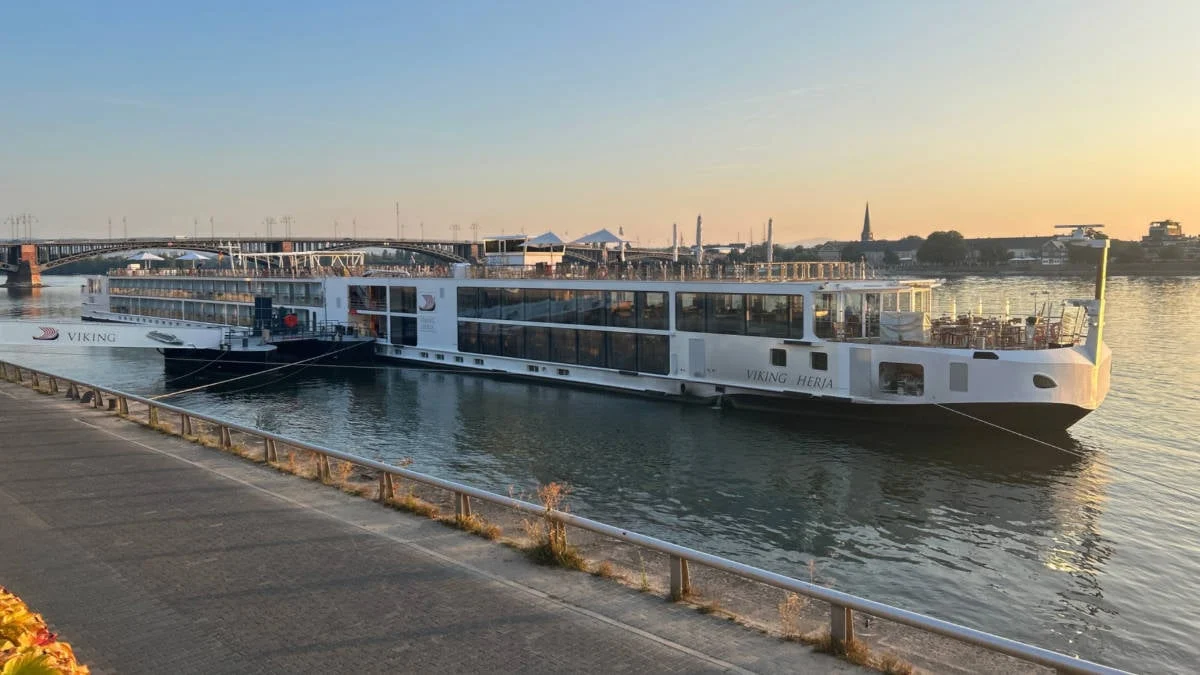
In the high-stakes world of luxury travel, overbooking is a reality that companies—from major airlines to massive cruise conglomerates—have long used to mitigate the financial impact of last-minute cancellations. However, when the math fails to align and a ship finds itself with more confirmed passengers than available staterooms, the resulting dilemma can turn into a public relations crisis.
For guests booked on the July 24, 2026, sailing of Viking River Cruises’ Romantic Danube itinerary, what initially appeared to be a logistical hurdle turned into an unprecedented windfall. In an effort to resolve an oversold stateroom capacity on the 190-guest Viking Tor, the cruise line has extended what frequent cruisers are calling the “Golden Ticket” of offers: a completely free future cruise, paired with a complimentary, high-tier suite upgrade.
The Anatomy of the Offer: A Deal of a Lifetime
The situation centers on the Viking Tor, a vessel celebrated for its intimate, refined atmosphere as it navigates the historic waterways between Regensburg, Germany, and Budapest, Hungary. The eight-day Romantic Danube voyage is a flagship experience for the line, stopping at quintessential European ports including Passau, Krems, and Vienna.
On July 21, 2026, just days before the scheduled embarkation, guests received an urgent notification from Viking. “Your July 24 departure of Romantic Danube is currently oversold,” the email stated. “We would like to extend a special offer should you choose to sail on the same itinerary, departing later in 2026 or 2027, instead.”
The compensation package offered to those willing to volunteer their spot is arguably the most generous in recent maritime history:
- Full Refund: A 100% refund of the original cruise fare.
- Complimentary Future Voyage: A free cruise fare for a future Romantic Danube sailing in 2026 or 2027.
- Automatic Suite Upgrade: A complimentary upgrade to a 275-square-foot Veranda Suite.
- Logistical Support: For those who booked their airfare through Viking Air, the company promised to rebook all flights at no additional cost to align with the new departure date.
The Value of the Upgrade
The Veranda Suite is a significant step up from standard river cruise accommodations. These suites are designed for comfort and panoramic observation, featuring a private veranda and a secondary French balcony in the sleeping quarters with floor-to-ceiling glass doors. Beyond the physical space, guests receive exclusive perks including priority boarding, preferred stateroom access, complimentary Wi-Fi, laundry service, and shoe-shine services. When combined with the value of a free seven-night cruise, the total package is valued at thousands of dollars per person.
A Chronology of the Disruption
The timeline of this incident highlights the delicate balance cruise lines maintain regarding capacity management.
- Pre-Booking Phase: As is industry standard, Viking accepted bookings for the Viking Tor with the expectation of a standard rate of attrition—cancellations due to illness, personal emergencies, or changes in plans.
- The Tipping Point: As the July 24, 2026, embarkation date approached, the attrition rate was significantly lower than historical data predicted. The vessel reached, and then exceeded, its maximum capacity.
- July 21, 2026: Viking initiated the "oversold" protocol, sending out the compensatory email to guests.
- Community Reaction: Within hours, the offer was being circulated in private social media groups dedicated to Viking enthusiasts. The reaction was immediate: shock, followed by intense envy from those not selected for the offer.
Industry Context: Why Overbooking Happens
To understand why a company would offer such a lavish incentive, one must look at the economics of the travel industry. Overbooking is a strategic calculation. Airlines and cruise lines analyze "no-show" data over decades to determine exactly how many rooms or seats they can sell beyond capacity to ensure the vessel sails full.
When a ship sails with empty rooms, the line loses the opportunity for onboard revenue—such as premium dining, excursions, and beverages—and the ship’s operating costs remain the same. Therefore, running at 100% capacity is the primary goal. However, when the "no-show" model fails to manifest, the line faces a "bump" situation.
Comparative Industry Practices
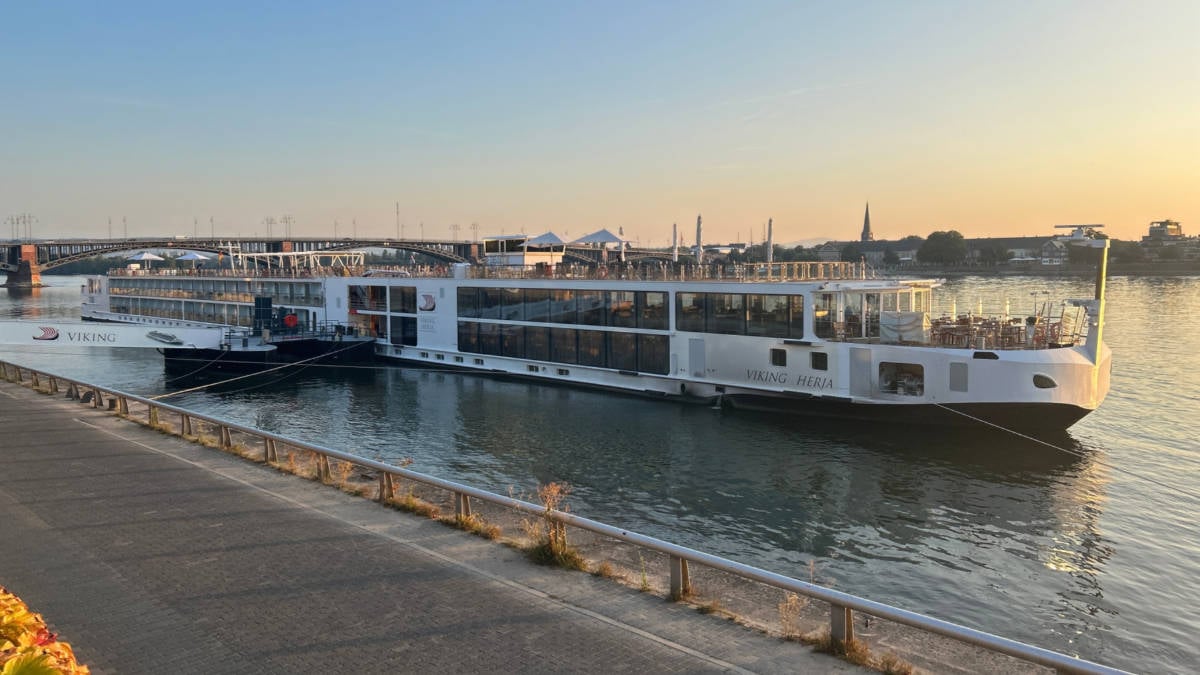
While many cruise lines offer incentives for overbooked sailings, they are rarely this comprehensive. Earlier this year, reports surfaced regarding Royal Caribbean offering incentives to guests on oversold sailings; however, those offers often involved a move to a lower-category stateroom or a modest onboard credit. Viking’s approach—which actually upgrades the guest’s experience—is a rare display of customer-centric crisis management. It serves not just as a resolution to a mistake, but as a powerful marketing tool that builds intense brand loyalty.
Guest Perspectives and Expert Advice
The viral nature of the email has sparked a robust debate among travel experts and seasoned cruisers. On platforms like Facebook, the consensus is nearly unanimous: this is an offer that should not be refused.
“Am I reading this correctly?” one guest asked on a community forum. “They’re basically offering us a free cruise with an upgraded room if we change our booking?”
The replies were swift. “You just got offered the ‘Golden Ticket’ of Viking Cruises,” one veteran traveler advised. “Grab that in a hurry. We didn’t regret getting ours.” Another commenter echoed the sentiment, noting, “You hit the lottery. Act immediately or someone else will snatch it up.”
Travel industry analysts suggest that while these offers are enticing, they highlight the risks of booking popular, high-demand itineraries. However, for those with flexible schedules, being "bumped" from a sailing has transformed from an inconvenience into a lucrative vacation opportunity.
Strategic Implications for Viking River Cruises
Why would a luxury line like Viking voluntarily hand out such an expensive package? The answer lies in brand equity. By providing an upgrade and a free cruise, Viking achieves several key business objectives:
- Customer Retention: A guest who receives a free, high-end, luxury cruise experience is almost guaranteed to become a lifelong brand advocate.
- Mitigation of Legal/Regulatory Risk: By incentivizing guests to move voluntarily, Viking avoids the legal complexities of "bumping" a guest involuntarily, which can lead to bad press and regulatory scrutiny.
- Positive Brand Narrative: Stories of "the company that gave me a free vacation" circulate widely, creating a perception of extreme generosity that outweighs the temporary cost of the free cabins.
Final Thoughts: The Reality of Modern Cruising
For the passengers of the Viking Tor, the July 24th dilemma has turned into a win-win scenario. While the initial disruption to their summer plans may have been frustrating, the compensation package provided by the cruise line has arguably set a new gold standard for how to handle capacity issues.
As the cruise industry continues to see record-breaking demand, passengers should be prepared for the possibility of overbooked sailings. However, if the result of that overbooking is a "Golden Ticket" offer, many travelers may find themselves hoping for the email that tells them they aren’t needed on their current ship—at least, not until their next, free, and upgraded, cruise.
For now, those lucky enough to have received the offer are acting fast, securing their future sailings and preparing to enjoy the best of what Viking has to offer, all on the house. It is a masterclass in service recovery that leaves both the guest and the cruise line in a better position than they were before the error was made.
 Lina Hope
  Suro Senen
  Asep Darmawan