

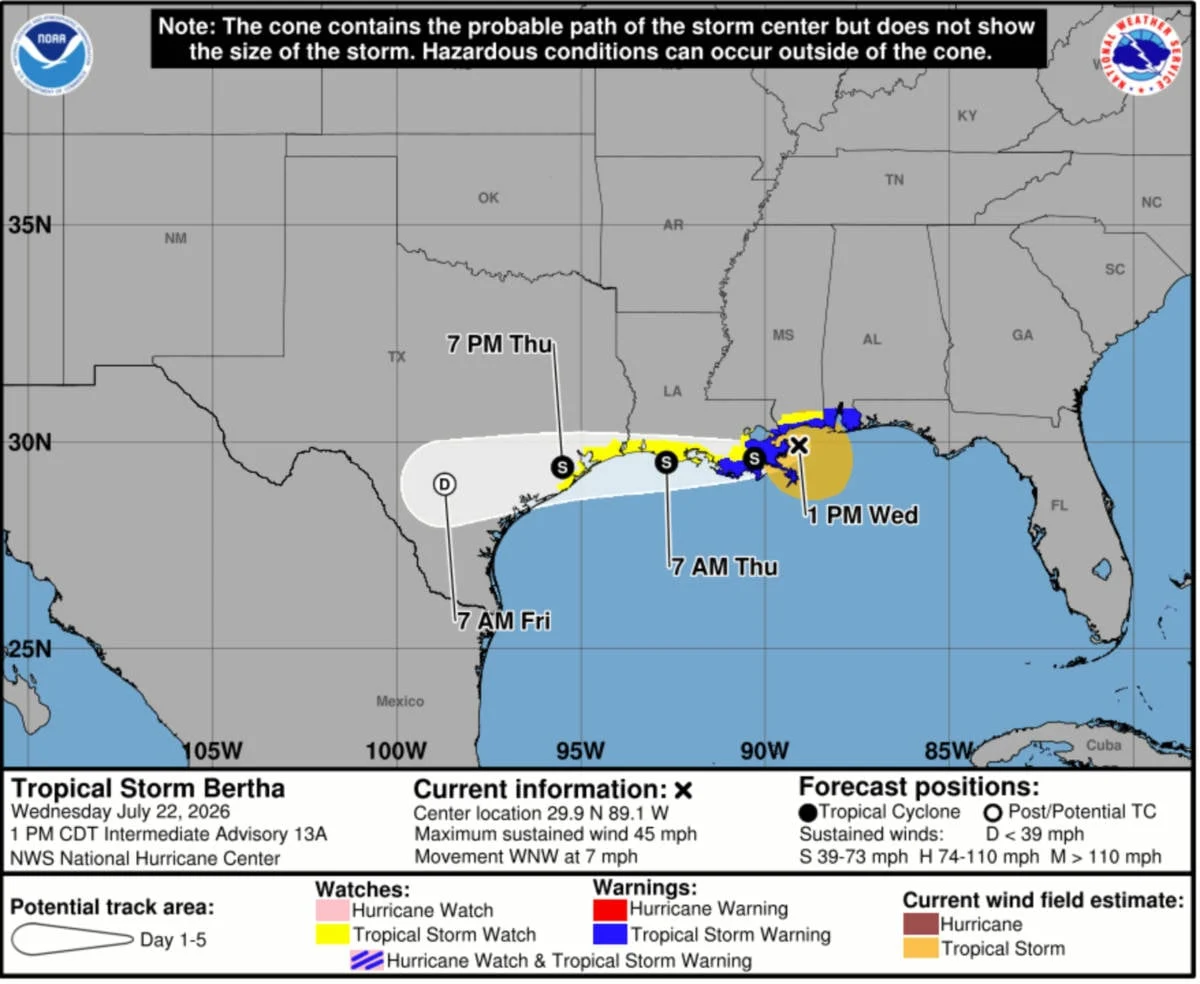
As Tropical Storm Bertha churns across the Gulf of Mexico, casting a wide net of uncertainty over the northern Gulf Coast, thousands of travelers are keeping a watchful eye on their upcoming vacation plans. With the storm currently tracking toward the Texas and Louisiana coastlines, the travel industry is in a state of high alert. Among the most impacted entities is Carnival Cruise Line, which has proactively issued updates regarding the status of the Carnival Breeze, currently scheduled for a Thursday departure from the Port of Galveston.
While meteorologists and maritime experts work around the clock to predict the precise trajectory of the storm, Carnival officials have emphasized that the safety of passengers and crew remains the paramount priority. As of the latest briefings, operations remain fluid, and guests are urged to stay informed through official channels.
Main Facts: The Current Status of Operations
Tropical Storm Bertha, a system currently packing sustained winds of 50 mph, is tracking west-northwest at a steady pace of six miles per hour. As of the most recent advisory from the National Hurricane Center (NHC), the storm is situated approximately 88 miles east of the Port of New Orleans.
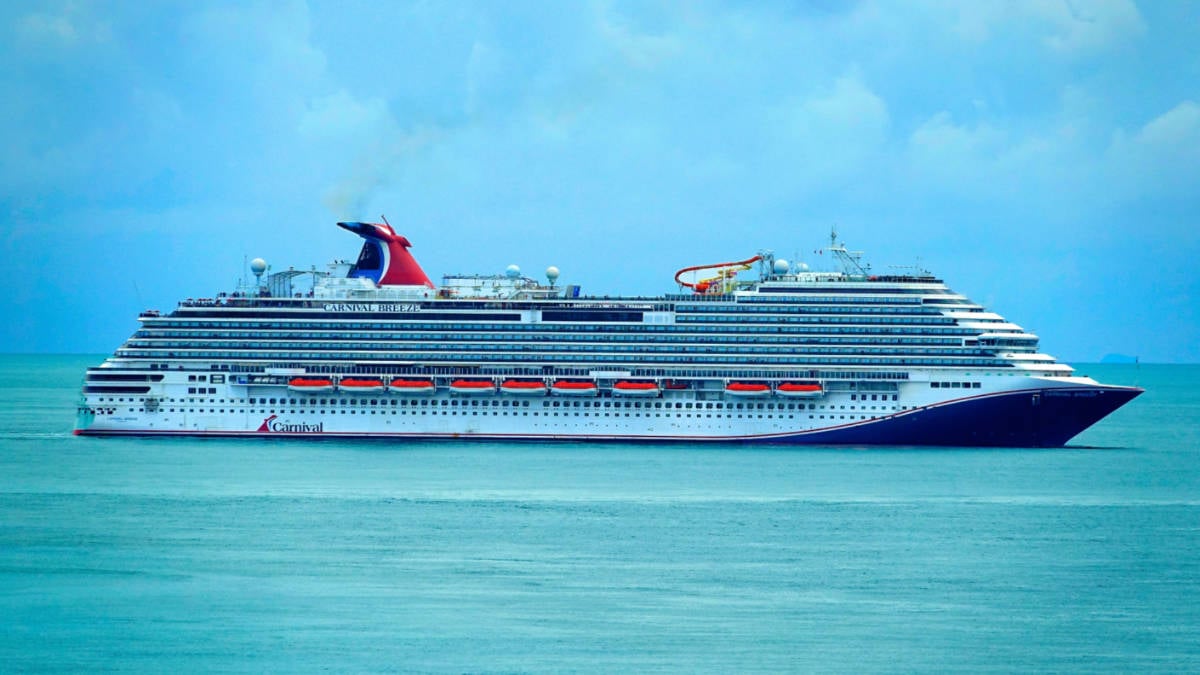
For guests booked on the Carnival Breeze—a Dream-class vessel boasting a capacity of 3,690 passengers—the primary concern is the scheduled embarkation on Thursday, July 23, 2026. Despite the looming weather threat, Carnival Cruise Line has confirmed that there are currently no changes to the ship’s operational itinerary.
"Our Fleet Operations Center is actively monitoring Tropical Storm Bertha, which is expected to impact the Gulf Coast later this week," the cruise line stated in an official communication to guests. "At this time, there are no changes to our operational plans for your cruise, but we will continue to monitor the situation and keep you updated."
The company’s decision-making process is facilitated by its sophisticated Fleet Operations Center, a centralized hub where meteorologists, maritime navigation experts, and logistics specialists synthesize real-time data to ensure vessel safety. By utilizing advanced satellite imagery, internal weather modeling, and local port authority updates, Carnival is able to pivot operations, alter port calls, or delay departures if conditions warrant such measures.
A Chronological Look at the Developing Situation
The timeline of Tropical Storm Bertha’s development and its interaction with the cruise industry highlights the complexities of maritime logistics during the peak of hurricane season.
- Sunday, July 19: Carnival Liberty departs New Orleans for a seven-day voyage, effectively placing the ship out of harm’s way as the weather system begins to organize in the Gulf.
- Monday, July 20: Carnival Valor departs New Orleans for a five-day itinerary to Cozumel and Progreso, ensuring that the vessel will return only after the storm has cleared the area.
- Tuesday, July 21: The National Hurricane Center issues updated warnings as the storm gathers strength, placing a 600-mile stretch of the coastline under watch.
- Wednesday, July 22: The storm center is identified 88 miles east of New Orleans. Carnival management remains in constant communication with port authorities to determine the feasibility of Thursday’s operations.
- Thursday, July 23 (Projected): Carnival Breeze is scheduled to return to Galveston to complete its current sailing and begin a new 4-night itinerary. The storm’s projected path moves across the northern Texas coast, potentially creating a "bottleneck" scenario for port operations.
- Friday, July 24 (Projected): The system is expected to move inland, weakening as it tracks deeper into Texas and potentially toward northern Mexico, allowing for a gradual return to normalcy for maritime traffic.
Supporting Data: Meteorological Impact and Coastal Warnings
The scale of the alert triggered by Tropical Storm Bertha is significant. Tropical storm watches and warnings now span from the western Florida panhandle to Sargent, Texas—a region encompassing roughly 600 miles of vulnerable coastline.
While the storm’s maximum sustained winds of 50 mph remain safely below the 74 mph threshold required for a Category 1 hurricane classification, the danger lies in the storm’s trajectory and rainfall potential. The NHC has noted that the center of the storm is "wobbling," a phenomenon that makes precise landfall predictions difficult. However, the consistent westward track suggests that the upper Texas and Louisiana coasts will experience the brunt of the weather through Thursday.
For the cruise industry, the challenge is not merely the wind speed at the port, but the storm surge and visibility constraints that can force port authorities to close waterways. When a port is closed, cruise ships are unable to dock or depart, leading to significant logistical disruptions that ripple through thousands of passenger schedules.
Official Responses and Passenger Guidance
In the wake of the news, the primary message from Carnival Cruise Line is one of caution and patience. Guests are advised against making premature changes to their travel arrangements.
"With no changes at the moment, booked guests should stick to their original travel plans and cruise terminal arrival appointments for embarkation on Thursday," Carnival stated.
The cruise line has assured passengers that if a shift in the storm’s path necessitates a change in the itinerary or a delay in embarkation, notifications will be disseminated immediately via text message and email. By centralizing communication, the line aims to reduce confusion and prevent thousands of guests from descending upon the port simultaneously if a delay is announced.
The cruise line’s operational transparency is a key component of its crisis management strategy. Historically, Carnival has provided extensive resources explaining how they correlate weather data with passenger safety, ensuring that even if a cruise is diverted or a port is skipped, the guest experience—while altered—remains safe and structured.
Implications for the Broader Cruise Industry
The current situation with Tropical Storm Bertha serves as a stark reminder of the realities of cruising during hurricane season. While ships are designed to withstand significant maritime challenges and possess the maneuverability to avoid the most dangerous quadrants of a storm, the impact on homeports is a different matter.
Why Other Ships Are Not Currently Under Alert
A common question among travelers is why other vessels in the region are not currently receiving similar alerts. The answer lies in the strategic positioning of the fleet.
- The New Orleans Contingent: Both Carnival Liberty and Carnival Valor are currently operating well outside the storm’s path. Carnival Liberty, which is on a weeklong voyage to the Bahamas and Florida, will not return to New Orleans until July 26, by which time the storm is expected to have dissipated or moved significantly inland.
- The Galveston Contingent: Similarly, vessels such as Carnival Jubilee, Carnival Dream, and Royal Caribbean’s Mariner of the Seas are currently at sea. Their return schedules are timed such that they will not reach the Texas coast until Saturday, July 25, or later.
By the time these ships approach their respective homeports, the storm will likely have moved inland, losing its tropical characteristics and diminishing in intensity as it interacts with the landmass of Texas and northern Mexico.
The Financial and Logistical Ripple Effect
When a storm forces a delay or itinerary change, the implications are vast. Passengers face potential travel disruptions, including flight cancellations and the need for last-minute hotel accommodations. For the cruise line, the costs associated with extended fuel usage, port rescheduling, and potential compensation for missed port calls are substantial.
However, the industry has become adept at managing these scenarios. By utilizing "weather-aware" routing, cruise ships can often skirt the edges of a storm, providing guests with a smooth, albeit different, vacation experience. In the case of the Carnival Breeze, if the port of Galveston remains open on Thursday, the ship will likely proceed with its planned 4-night Western Caribbean itinerary, which includes a highly anticipated stop in Cozumel, Mexico, on Saturday, July 25.
Conclusion
As Tropical Storm Bertha inches toward the Gulf Coast, the situation remains a testament to the intersection of nature and modern logistics. For those traveling on the Carnival Breeze this week, the advice remains clear: maintain your schedule, monitor your email, and trust in the expertise of the Fleet Operations Center. While the storm is a reminder of the unpredictable nature of the Gulf during the summer months, the cruise industry’s robust safety protocols and proactive communication strategies ensure that passengers remain the central focus, regardless of what the weather brings.
For now, the thousands of guests preparing to set sail remain in a holding pattern, waiting for the final word from the experts as they navigate the path of a storm that serves as a timely reminder of the power of the Gulf of Mexico.
 Lina Hope
  Suro Senen
  Asep Darmawan