

For the modern traveler, the "SIM card scramble" is a rite of passage that has long lost its charm. The ritual is familiar: landing in a new country, navigating a labyrinthine airport to find a kiosk, fumbling with tiny plastic cards, and praying that the local provider’s coverage holds up. While the advent of digital eSIMs revolutionized this process, the industry has historically been tethered to a "one-off" model—buying a specific package for a specific destination, repeating the cycle every time a border is crossed.
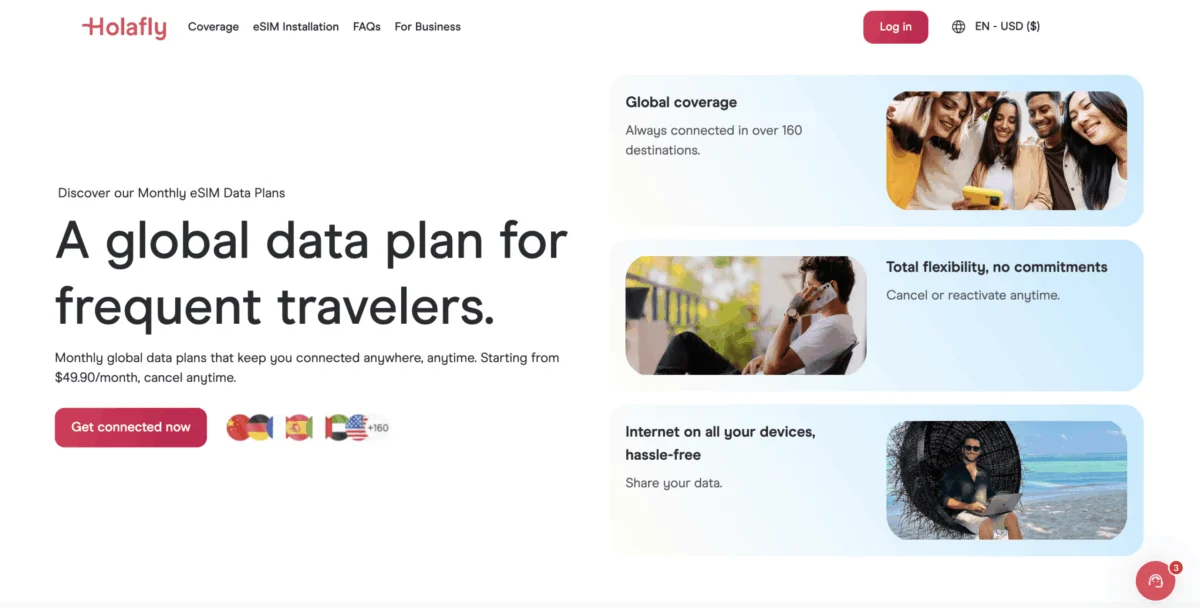
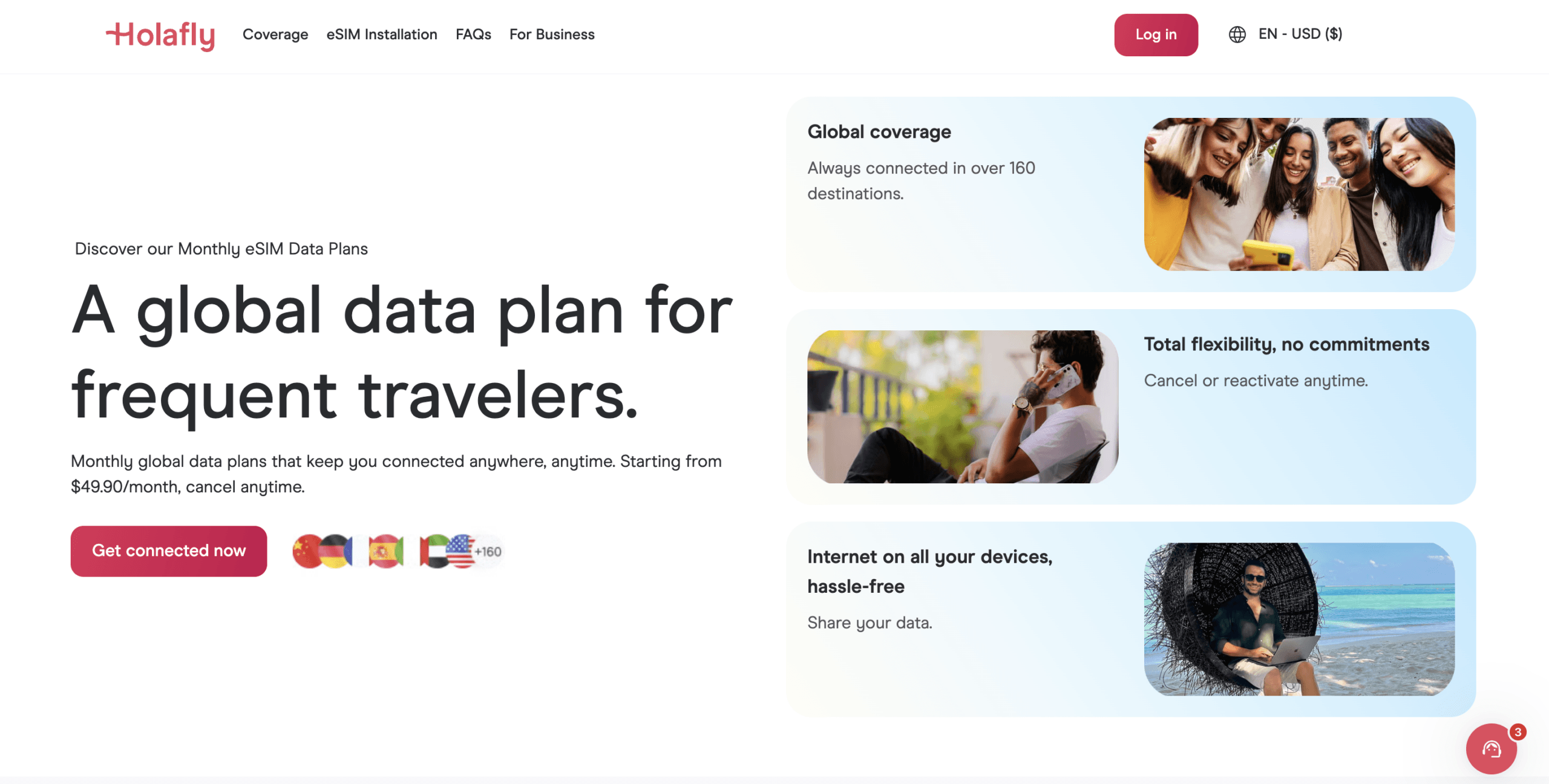
However, the landscape of global telecommunications is shifting. Holafly, a major player in the international connectivity space, has introduced "Holafly Plans"—a recurring, subscription-based eSIM service that promises to eliminate the friction of international roaming once and for all. By offering a single digital SIM that functions across more than 160 destinations, the company is positioning itself as a legitimate, lower-cost competitor to traditional mobile carrier roaming packages.
Main Facts: What is the Holafly Subscription Model?
At its core, Holafly Plans represents a transition from "transactional" travel data to "utility" travel data. Traditionally, if you traveled from France to Japan to Brazil, you would need to purchase three separate eSIM packages. Holafly Plans functions as a single, continuous, ongoing subscription.
Once a user installs the eSIM, it remains active on the device. As the user moves across borders, the service automatically reconnects to local partner networks, effectively behaving like a permanent, global mobile carrier.
The service is structured around two distinct tiers:

- The Light Plan: Tailored for the casual traveler, this tier provides 25GB of monthly data with included hotspot capabilities, covering the same global network of 160+ countries.
- The Unlimited Plan: Designed for power users and digital nomads, this tier removes data caps entirely and includes unlimited hotspot usage. Crucially, it also provides a dedicated local phone number (from the US, UK, or Canada), enabling the user to receive SMS messages—a vital feature for two-factor authentication and banking security.
A standout value-add for both tiers is the "Always On" feature. Even if a user cancels their subscription, they retain 1GB of backup data every month for life, ensuring a baseline level of connectivity in an emergency.
Chronology of Development
The evolution of Holafly’s service mirrors the broader trend toward software-defined networking in mobile technology.
- Phase One (The Classic Era): For years, the standard for travelers was the "single-country/single-trip" eSIM. Holafly dominated this space by simplifying the installation process via QR codes and proprietary apps.
- Phase Two (The Regional Expansion): The company expanded to offer regional packages (e.g., Europe or Asia-Pacific bundles), which allowed for some cross-border flexibility but still required manual selection and time-limited expiration dates.
- Phase Three (The Subscription Pivot): With the recent launch of Holafly Plans, the company has effectively "unbundled" the service from the trip duration. By moving to a monthly or annual subscription model, Holafly has shifted from being a travel tool to being a lifestyle product for long-term travelers and digital nomads.
Supporting Data: Comparing the Financials
The economic argument for switching to a global subscription plan is compelling, particularly when compared to the high cost of international roaming passes offered by major domestic carriers in the United States or Europe.
| Feature | Holafly Plans (Unlimited) | US Major Carrier Roaming | Standard Single-Trip eSIMs |
|---|---|---|---|
| Monthly Cost | ~$55–$65 USD | $100–$300 USD | $60–$120 USD (aggregate) |
| Data Allowance | Unlimited | Capped/Throttled | Varies (5GB–10GB) |
| Hassle Factor | Near Zero | Moderate (High cost) | High (Manual setup) |
| Hotspot | Included | Often Restricted | Varies |
As the data suggests, the primary differentiator is the "hassle factor." While a traditional roaming pass from a US carrier might seem convenient, the cumulative daily fees—often reaching $10 per day—quickly eclipse the cost of a flat-rate monthly subscription. Furthermore, domestic carriers often throttle data after a specific threshold, whereas the Holafly Unlimited tier maintains high-speed access throughout the billing cycle.
Implications for the Digital Nomad Lifestyle
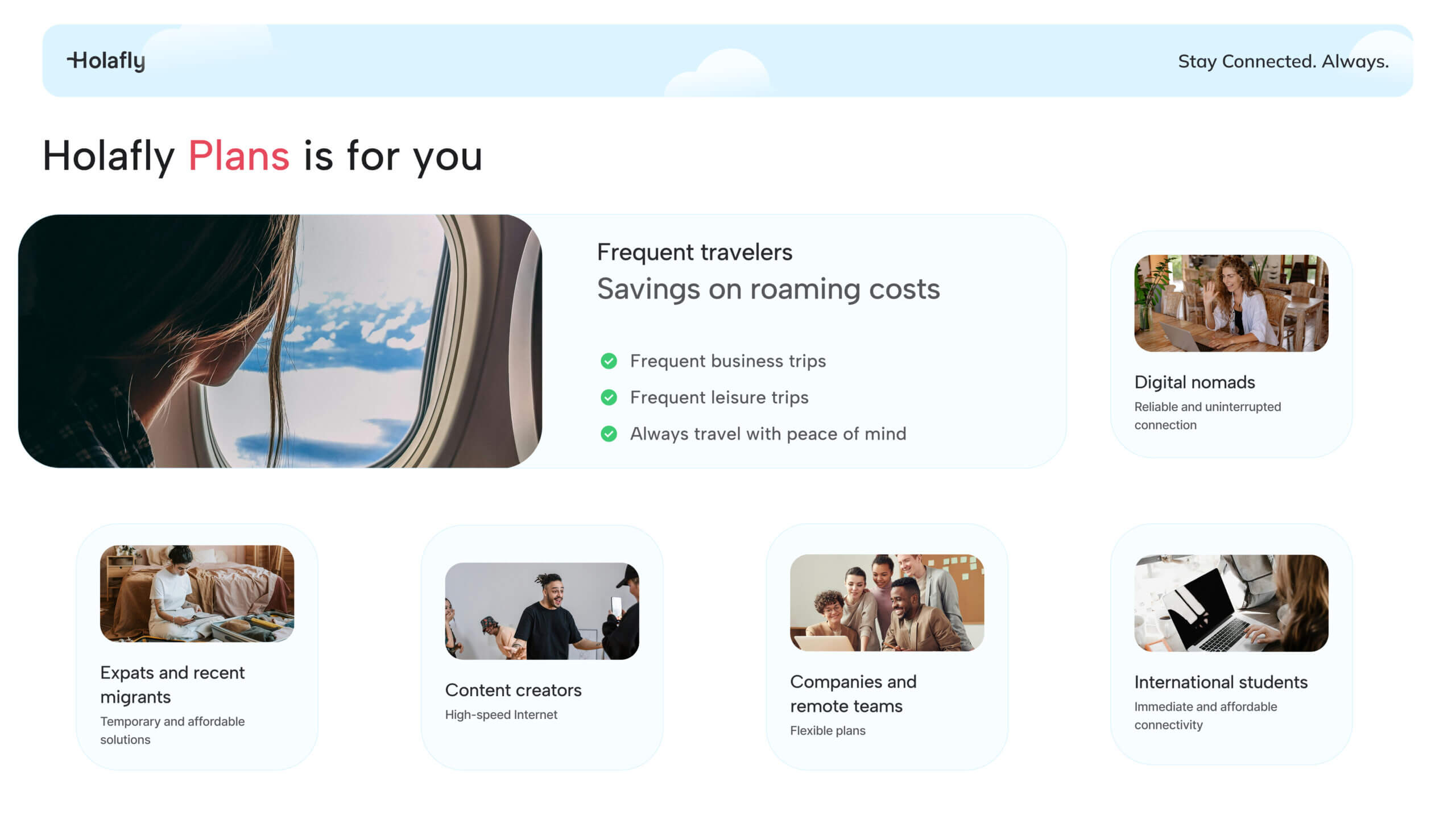
The rise of "Work from Anywhere" (WFA) culture has placed a premium on reliable, high-speed, and border-agnostic connectivity. For a digital nomad who might spend three weeks in Bali followed by two weeks in Thailand, the ability to maintain one phone number and one data connection is not merely a convenience—it is a productivity imperative.
The Security Aspect
The inclusion of a phone number (US, UK, or Canada) in the Unlimited Plan addresses a major pain point for travelers: the inability to receive security codes. Many financial institutions and government portals require SMS-based 2FA to access accounts. Previously, travelers had to keep their home SIM active at a high cost just to receive these messages. By integrating this into the eSIM, Holafly is effectively allowing users to fully offload their home carrier’s international plan.
Financial Sustainability
The tiered pricing structure—offering savings of 10% for quarterly plans and 15% for annual plans—suggests that Holafly is targeting the long-term, nomadic professional. This shift signals a maturing market where digital nomadism is no longer viewed as a fringe lifestyle but a sustainable economic segment.
Potential Drawbacks and Considerations
While the service is robust, it is not a "one-size-fits-all" solution.
- The "Short Trip" Paradox: For the traveler taking a single, one-week vacation to a single country, the classic, single-trip eSIM remains the more cost-effective choice. Holafly Plans is designed for recurring usage; for the occasional traveler, the investment in a subscription may not be recouped.
- The Upgrade Path: Currently, the system does not support a seamless, in-app "upgrade" or "downgrade" between the Light and Unlimited tiers. Users must cancel their existing subscription and start a new one to switch, which, while manageable, adds a minor layer of administrative friction.
- Hardware Compatibility: While the eSIM technology is now standard in most flagship devices (iPhone XS and newer, most high-end Androids), travelers must ensure their devices are carrier-unlocked. Without an unlocked phone, the hardware will reject the secondary eSIM profile regardless of the service provider.
Expert Analysis: Is it Right for You?
The transition to a subscription model is a calculated move by Holafly to consolidate the loyalty of frequent travelers. By offering 24/7, human-staffed customer support—a rarity in the automated world of telecom—they are positioning themselves as a premium service.
Who should adopt this?
- The Frequent Traveler: If you are crossing borders more than three times a year, the math begins to favor the subscription model.
- The Digital Nomad: The need for reliable, unlimited hotspot data for laptop tethering makes the Unlimited plan a must-have.
- The "Always-Connected" Professional: If your work requires constant access to email, Slack, and video calls without the anxiety of hitting a data cap, the peace of mind offered by the unlimited tier is well worth the $55–$65 monthly investment.
Final Thoughts
The era of swapping SIM cards in airport bathrooms is ending. As connectivity becomes as essential as water or electricity for the modern professional, the shift toward a global, seamless subscription model like Holafly Plans is the natural evolution of the industry. By removing the barriers of location and duration, these services are not just selling data; they are selling the freedom to move without losing touch.
For those planning their next long-term adventure, leveraging these modern tools is the most efficient way to ensure that, no matter where you are on the map, your connection remains as mobile as you are.
Note: For travelers looking to optimize their costs further, utilizing current promotional codes—such as "NOMADICMATT" for 10% off plans—can significantly reduce the entry cost for long-term travelers.
 Raul Delapena Setiawan
  Lina Hope