

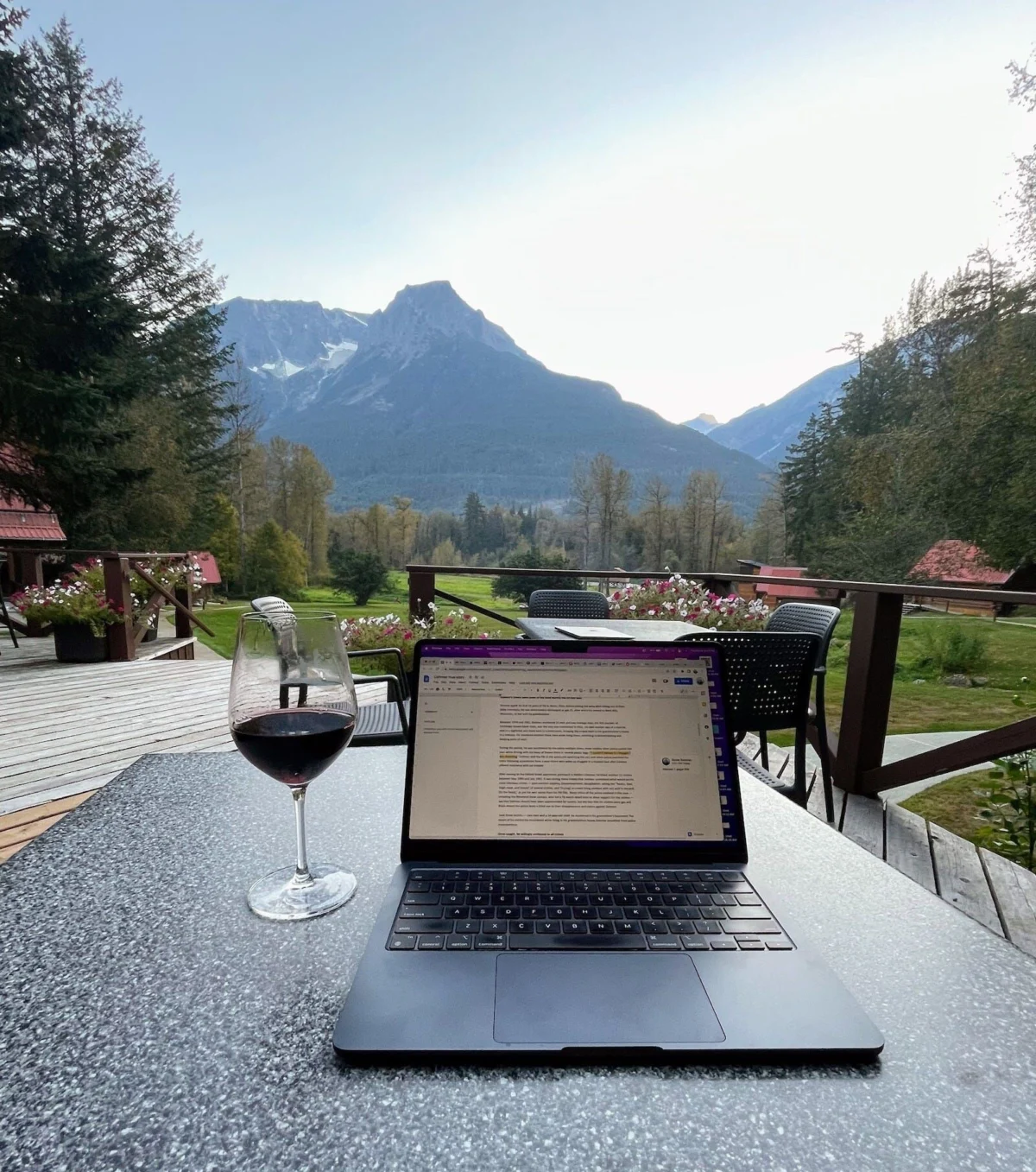
For the modern traveler, the hotel room has evolved from a mere place to sleep into a mobile headquarters. Whether you are a digital nomad, a freelancer juggling deadlines, or a corporate professional maintaining a global connection, the ability to access the internet is no longer a luxury—it is a fundamental utility, as essential as running water or electricity.
However, a growing trend among boutique hotels and high-end “wellness” retreats is the deliberate restriction of Wi-Fi access. These establishments market the absence of connectivity as a premium amenity, masquerading as a “digital detox” designed to foster mindfulness. But for many, this isn’t a retreat—it’s a constraint. As travel writers and professionals increasingly push back, a debate has emerged: who owns the right to your digital autonomy?
The Core Grievance: Autonomy Over Wellness
The frustration isn’t directed at remote backcountry huts or deep-jungle lodges where infrastructure limitations make high-speed internet a technical impossibility. In those scenarios, a lack of connectivity is a matter of geography, not policy.
The grievance lies with accessible, modern properties that make a calculated choice to withhold internet access. These hotels often frame this decision under the guise of wellness, “reconnecting with nature,” or “mindful travel.” By removing the signal, they claim to be doing their guests a favor, shielding them from the relentless barrage of the digital world.
But this paternalistic approach assumes that guests lack the discipline to manage their own time. It posits that the only way to ensure a guest experiences the beauty of a sunset is to make it physically impossible for them to check their inbox.
The Myth of the Mandatory Unplug
To understand why this policy is fundamentally flawed, one must distinguish between the choice to disconnect and the enforcement of disconnection.

For many professionals, connectivity is not about doomscrolling or an addiction to social media. It is about the comfort of knowing that, in an emergency or an urgent work crisis, they are reachable. A ninety-second check of one’s email can be the difference between a relaxing vacation and a week of high-level anxiety. When that connection is removed, the traveler is left in a state of suspended uncertainty.
The psychological impact of being forcibly cut off is often the opposite of “mindfulness.” It creates a "missing in action" stress. If a freelancer or a professional with high-stakes responsibilities is forced to abandon their digital presence, the vacation is no longer a respite; it is a period of professional neglect. By creating a vacuum of information, these hotels are actually preventing the very relaxation they claim to be promoting.
Chronology of the Digital Divide
The evolution of hotel Wi-Fi has shifted from a novelty to a necessity, and now, to a point of contention.
- Early 2000s: Wi-Fi began to emerge as a premium, often paid, amenity in business-class hotels.
- 2010s: As smartphones became ubiquitous, the expectation for free, reliable Wi-Fi became universal. Hotels that charged for access were quickly penalized in review aggregators like TripAdvisor.
- 2020s: The "Digital Nomad" boom accelerated by the global pandemic made remote work a standard mode of operation. For millions, the ability to work from anywhere became a prerequisite for travel.
- Present Day: A reactionary movement has taken hold in the boutique hospitality sector. Properties looking to distinguish themselves through "authentic" experiences have begun to explicitly advertise "Wi-Fi-free zones" or limited-access policies, citing mental health and mindfulness as the primary motivators.
Supporting Data and Professional Impact
The professional landscape of 2024 and beyond is inherently fluid. According to various travel industry surveys, nearly 40% of travelers now identify as "bleisure" travelers—those who blend business and leisure during their trips.
For these individuals, the "forced unplug" is not just an inconvenience; it is a business liability. Consider the following implications:
- The "Common Area" Bottleneck: Many hotels that restrict Wi-Fi confine it to a single, crowded lobby or common room. This creates a high-pressure environment where guests are forced to cluster, destroying the very privacy and tranquility the hotel supposedly advocates.
- The Illusion of Choice: By removing the router from the room, the hotel removes the guest’s ability to set their own boundaries. If a guest wants to work for an hour before heading out to a local attraction, they should have that right. When the hotel dictates the terms of engagement, it strips the traveler of their agency.
- The "Adult Responsibility" Argument: The core of this issue is one of human maturity. Adults are perfectly capable of deciding when to turn off their devices. The hotel’s role is to provide a service, not to act as a digital nanny. If a guest wants to disconnect, they can turn off their phone. If they don’t, they shouldn’t be penalized.
Official Responses and Industry Sentiment
In the hospitality industry, the pushback against “forced mindfulness” is gaining momentum. While many boutique owners argue that their guests express gratitude for the silence, the data from travel forums suggests a different story.
When a hotel promotes itself as a "digital-free sanctuary," it effectively alienates a massive demographic of travelers who simply cannot afford the risk of being unreachable. Industry experts suggest that the most successful hotels are those that offer "opt-in" wellness. Instead of ripping out the Wi-Fi, they might offer a "digital detox kit"—a lockbox for phones or a guided schedule of outdoor activities—that allows the guest to choose their own level of engagement.
The prevailing sentiment among seasoned travelers is clear: connectivity is a base-level expectation. If a property chooses to withhold it, they should be explicitly clear in their marketing, allowing guests to choose a property that respects their need for professional continuity.
Implications for the Future of Travel
The "forced disconnect" movement serves as a reminder of the tension between hospitality providers and the modern traveler. As we move further into a world where work and life are permanently intertwined, the hospitality industry must adapt to the reality of the traveler’s needs.
If a property genuinely believes that silence is the most valuable asset they can provide, they should provide the tools for the guest to curate that silence. But forcing it upon the guest is a strategy that often backfires. When a hotel takes the decision-making power away from the traveler, it shifts from being a host to being a gatekeeper.
In conclusion, the message to the hospitality industry is simple: Leave the Wi-Fi on. The modern professional is more than capable of managing their own relationship with technology. If they want to ignore their emails, they will. But do not make that decision for them under the guise of an amenity. A truly luxury experience is one that offers the guest the freedom to choose—not one that forces them into a digital darkness they never asked for.
This report highlights the ongoing struggle for digital sovereignty in the age of travel. For more insights on the changing landscape of the travel industry, subscribe to the Matador Network Insider newsletter.
 Raul Delapena Setiawan
  Nila Kartika Wati
  Iffa Jayyana