

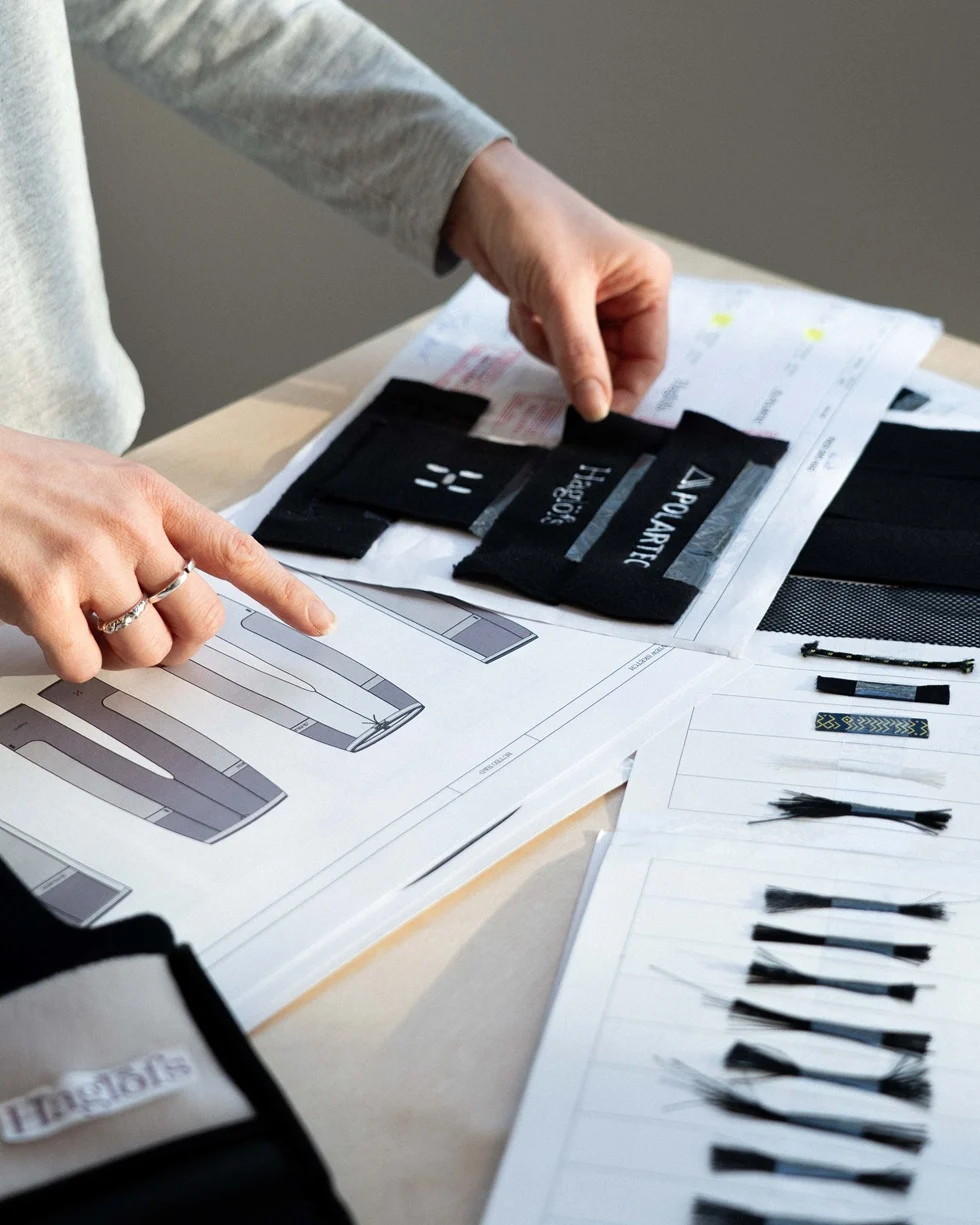
There is a quiet, systemic problem lurking in the aisles of every outdoor gear retailer globally. It isn’t a failure of waterproof technology or a flaw in seam-taping; it is a matter of color. Specifically, the color black.
Walk through any high-end outdoor store, and you will see dozens of black fleece mid-layers, jackets, and accessories hanging side-by-side. To the casual observer, they appear identical. But hold two swatches together under a neutral light, and the truth reveals itself: they are not the same color. They are distinct shades, birthed from separate dye batches, commissioned by competing brands, and processed through redundant, energy-intensive systems.
This hidden inefficiency has sparked a radical initiative led by Haglöfs and Polartec. By introducing "Standard Issue Black™," the two companies are challenging the outdoor industry to confront an uncomfortable reality: the environmental cost of vanity-driven color variety is a burden the planet can no longer afford.
The Anatomy of the Dye Problem
To understand why this matters, one must first understand the industrial chemistry behind synthetic textiles. Unlike cotton or wool, which have a natural affinity for dyes, polyester is hydrophobic. To color it, manufacturers use "disperse dyes"—a process that requires high temperatures (often exceeding 130°C) and significant pressure to force dye molecules into the fiber’s polymer structure.
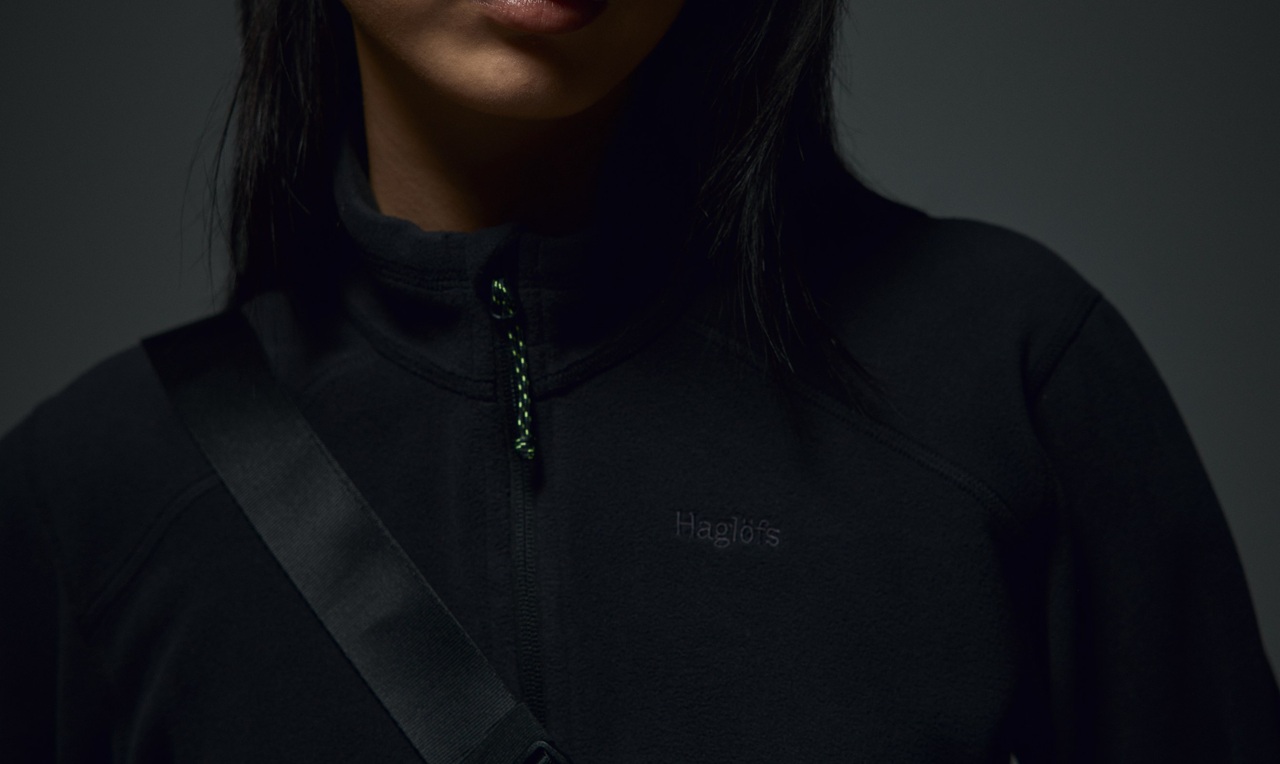
Black is the most demanding color in this process. Achieving a deep, neutral, consistent black requires layering multiple dye molecules, which necessitates more chemicals, longer fixation cycles, and, consequently, massive amounts of water and heat. According to industry estimates, the textile industry accounts for roughly 20% of global industrial water pollution, with dyeing and finishing operations—specifically for deep shades like black—sitting at the most resource-intensive end of the spectrum. A single kilogram of dyed polyester can consume between 30 and 150 liters of water.
The industry’s collective folly lies in its fragmentation. Brands independently commission their own specific "proprietary" shades of black, each requiring its own recipe development, lab-dip approvals, and minimum order quantities (MOQs). This results in an irrational aggregate outcome: hundreds of brands running nearly identical, high-impact dye processes to achieve the same visual result.
A Chronology of the "Black Capsule"
The movement to address this began not with a white paper, but with a piece of art—the Black Capsule Project.
Haglöfs, recognizing the absurdity of the current system, curated a limited-edition collection featuring a Project Tee, Beanie, Scarf, and Pant. Each piece was constructed from leftover black Polartec fleece sourced from different, discarded dye batches.
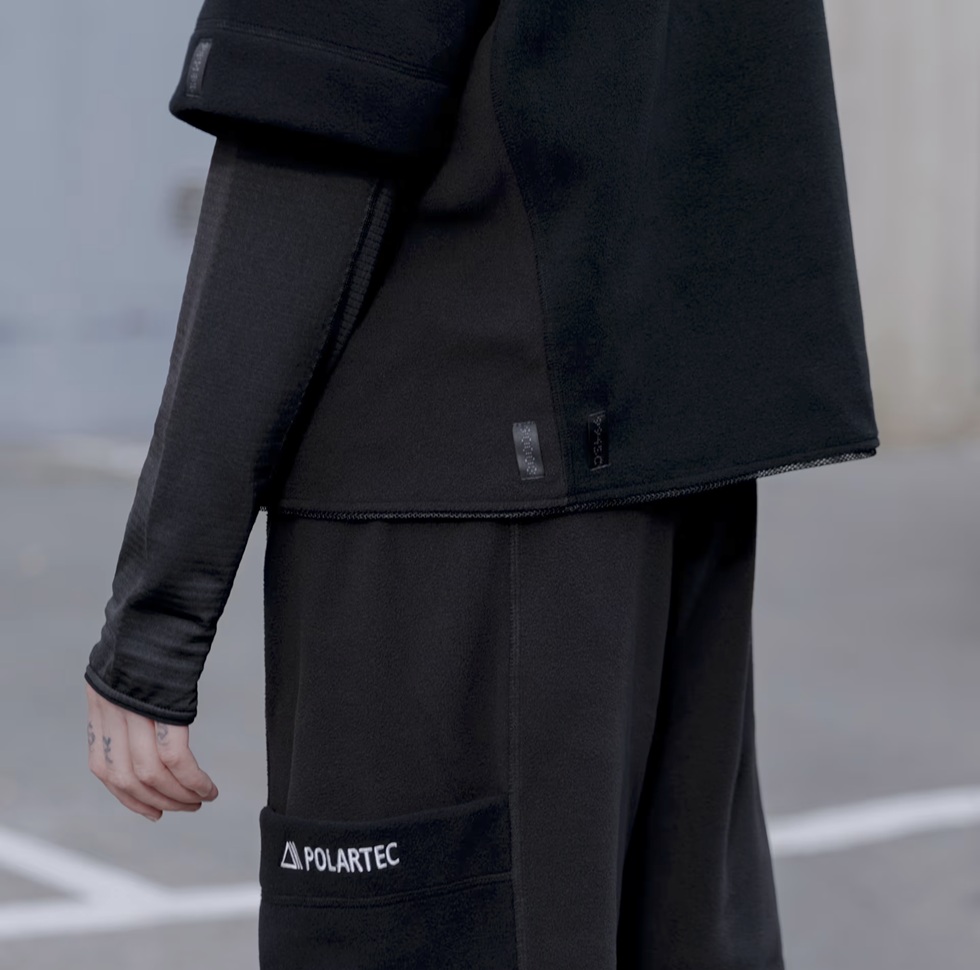
- The Concept Phase: Haglöfs and Polartec identified the waste generated by "color-matching" obsession. By stitching together panels from different dye lots, they visually demonstrated that "black" is rarely a singular constant in the industry.
- The Transparency Phase: Each panel in the Black Capsule featured a woven label stamped with its original batch number. This served as a literal map of the waste, showing the consumer exactly how many separate industrial processes were required to create a single garment.
- The Standardization Phase: Following the capsule’s success, Haglöfs and Polartec took the next step: finalizing a single, universal black. This shade is now being offered as an open-source standard to the entire outdoor industry.
- The Implementation Phase: As of the FW26 season, the "Standard Issue Black™" has moved from a concept to a commercial reality, starting with the high-volume Buteo Mid II jacket.
The Arithmetic of Efficiency: Supporting Data
The environmental case for Standard Issue Black™ rests on the principle of economies of scale. When a brand moves from a niche, custom-dyed black to a consolidated, industry-standard black, the efficiency gains are immediate and compounding.
Internal data provided by Haglöfs suggests that moving to this universal standard results in a 50% reduction in water usage and at least a 20% reduction in energy consumption compared to traditional piece-dyed black fabrics. While these figures are proprietary and await independent, third-party verification, the industrial logic is sound. Consolidating batches reduces the frequency of cleaning dye vats between runs, lowers the total chemical load, and eliminates the "re-dye" cycles often required to correct batch-to-batch variations.
Furthermore, the "Minimum Order Problem" is mitigated. By sharing a standard, smaller brands can piggyback on larger production runs, reducing the waste generated by brands that would otherwise be forced to pay premiums for small, custom-dyed batches that effectively replicate a color already sitting in a warehouse down the street.
Official Responses: Redefining Creativity
The most common criticism of this initiative—and one that Haglöfs’ leadership anticipated—is that standardization will lead to a loss of creative identity. If everyone uses the same black, will the market become a sea of clones?
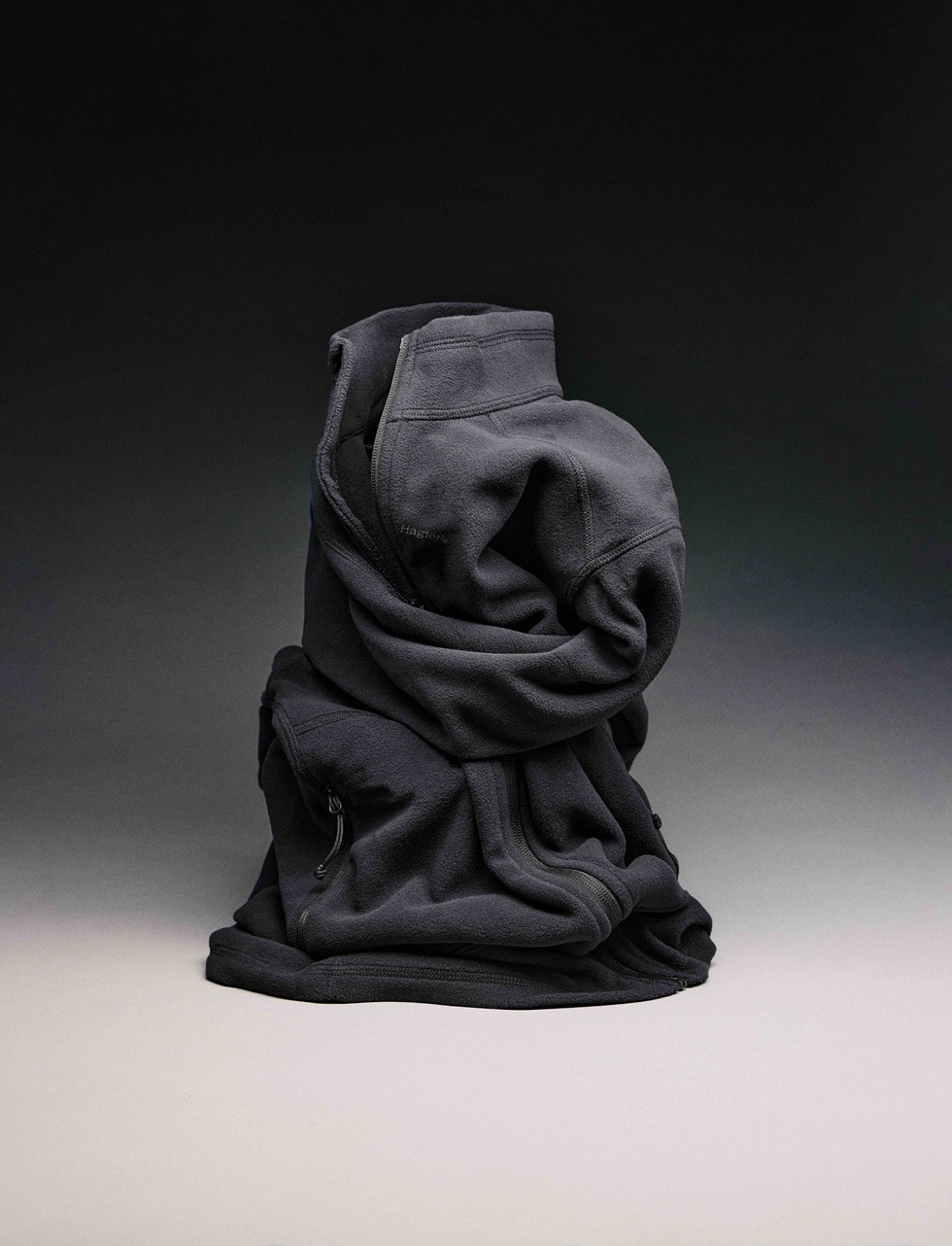
Eva Weiss, Head of Design and R&D at Haglöfs, argues the opposite. "Standardization doesn’t have to limit creativity," she notes. "With the right framework, it gives us the freedom to work together in the same creative direction and make a bigger impact. Having one defined black simplifies the design process, allowing brands to differentiate themselves through superior cuts, construction, hardware, and seasonal accents."
The industry has already accepted this model elsewhere. The ubiquity of YKK zippers is perhaps the best historical analogy. Decades ago, the outdoor industry moved toward standardizing zipper systems. Nobody today argues that the widespread use of YKK hardware has diminished the creative capacity of outerwear designers. Instead, it has allowed designers to focus their energy on the technical performance of the garment rather than the mechanics of the fastener. Haglöfs posits that color should be treated with the same pragmatic professionalism.
Implications for the Future of Gear
The success of Standard Issue Black™ hinges on overcoming "institutional inertia." The outdoor industry is famously prone to sustainability fatigue, where well-intentioned initiatives are often abandoned when they run up against the "green premium"—the gap between what consumers claim to value and what they are actually willing to pay for.
Standard Issue Black™ is designed to bypass this friction. It is cost-neutral, performance-identical, and environmentally superior. It does not ask the industry to change its business model or its aesthetic vision; it simply asks the industry to stop running redundant, carbon-heavy processes for no discernable gain.
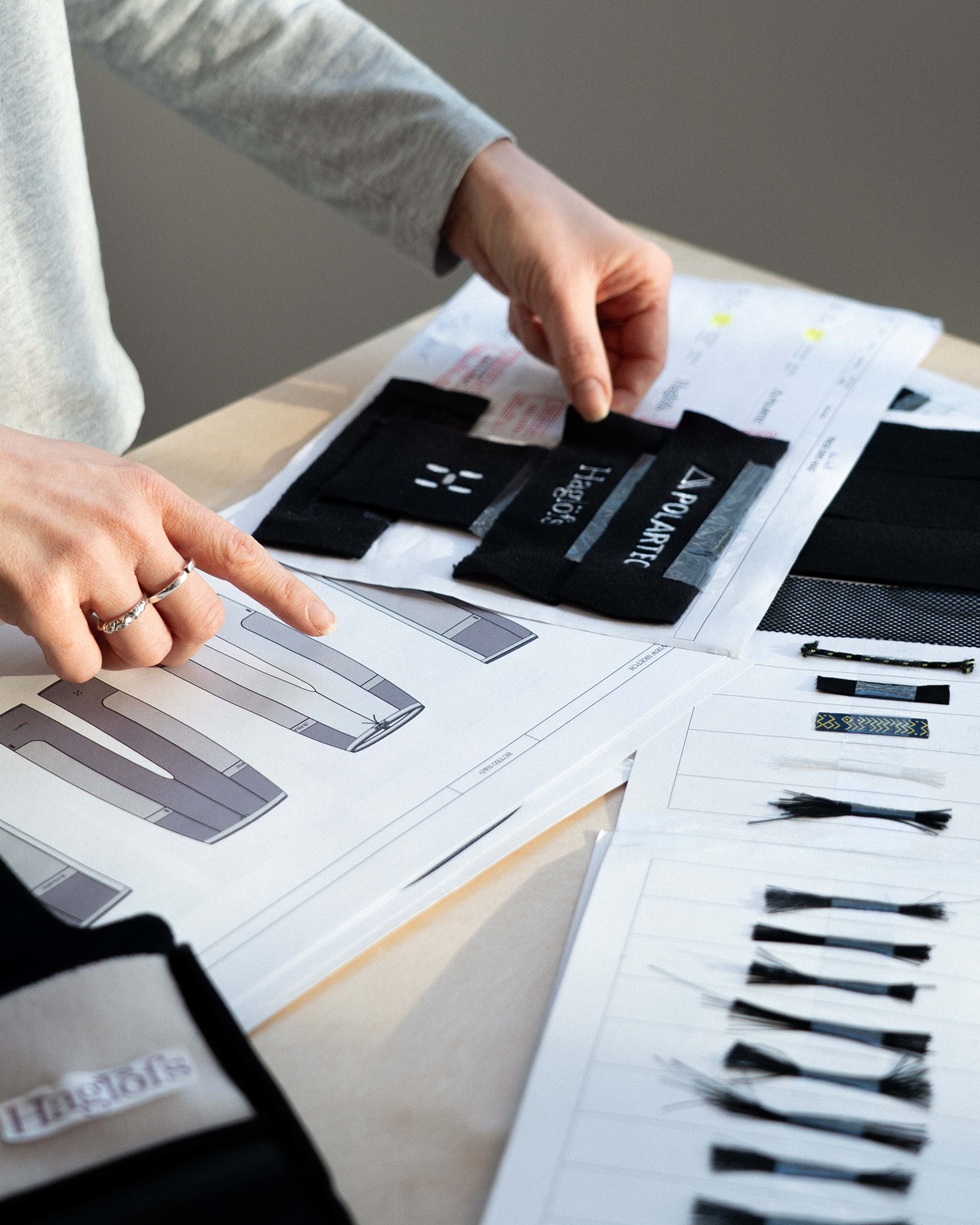
However, the question remains: will the industry follow? The shift to a universal black represents a transition from competitive ego to collaborative efficiency. It requires brands to stop viewing their "signature shade of black" as a competitive advantage.
The introduction of the Buteo Mid II jacket is the first major test of this theory. By placing this technology into a high-volume product, Haglöfs is moving beyond the "niche sustainability" trap. If the Buteo succeeds, it proves that the consumer does not require a bespoke, proprietary shade of black to find value in a jacket.
Ultimately, the Black Capsule was a warning, but Standard Issue Black™ is an invitation. The outdoor industry prides itself on its connection to the natural world—a world that is currently being burdened by the excess heat, water, and chemicals required to create dozens of near-identical shades of black. If the industry is serious about its environmental claims, it must eventually admit that the most sustainable color is the one we all agree on.
As the industry moves toward 2026 and beyond, the adoption of this standard will serve as a litmus test. It will reveal whether the outdoor sector is capable of the mature, collective action required to address the "problem hiding in plain sight," or if the inertia of the past will continue to dictate the color of the future. The machine is still running—but for the first time, there is a clear, viable, and simple way to make it run significantly cleaner.
 rifanmuazin
  Nana Muazin
  Suro Senen