

Introduction: A Paradigm Shift in Travel Discovery
The hospitality industry stands at a technological precipice, one where the traditional methods of booking a hotel room—scrolling through endless lists of online travel agencies (OTAs) or navigating legacy search engine results—are being rapidly supplanted by the rise of artificial intelligence. At the heart of this transformation is Marriott International, the world’s largest hotel company, which has positioned itself at the vanguard of the "AI-first" booking era.
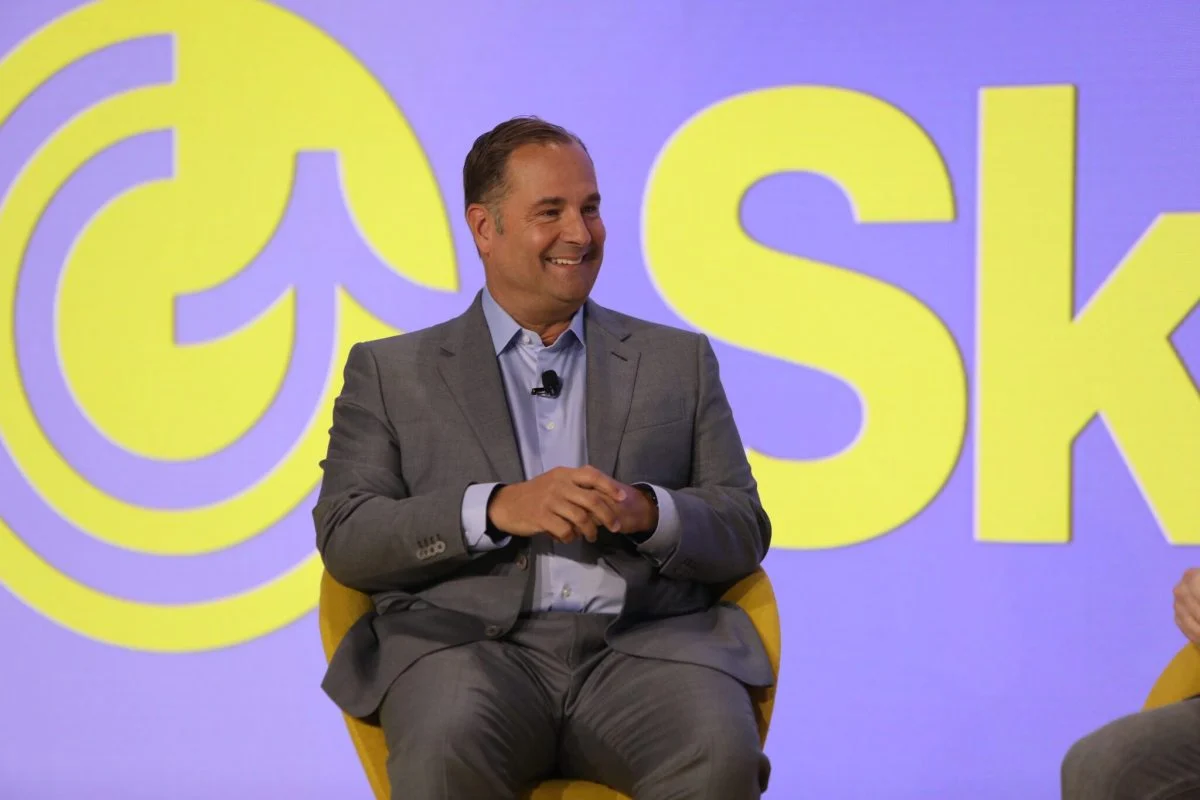
Marriott CEO Anthony Capuano recently articulated a clear vision for the company’s future, noting that the most profound impact of artificial intelligence will not be found in automated room service or robotic concierges, but in the fundamental way travelers discover, evaluate, and reserve their accommodations. By proactively integrating into the burgeoning ecosystem of AI-powered search platforms, Marriott is betting that control over "digital real estate" will be the defining competitive advantage of the next decade.
The Main Facts: The Battle for AI Visibility
Speaking at a Bank of America investor conference this past Wednesday, Capuano laid out a strategic framework that prioritizes "distribution dominance." For Marriott, the objective is simple: ensure that its massive portfolio of brands—from the luxury of The Ritz-Carlton to the accessibility of Courtyard—is not just present, but prioritized within the generative AI responses provided by platforms like OpenAI’s ChatGPT and Google’s Search Generative Experience (SGE).
The core of this strategy involves a high-volume data feed. Marriott is actively optimizing its digital content to be easily parsed and ingested by large language models (LLMs). By providing these models with high-fidelity, verified information about their properties, amenities, and loyalty perks, Marriott aims to ensure that when a traveler asks an AI for a recommendation, the Marriott portfolio is the most "authentic and prominent" answer provided.
Chronology: From Static Search to Generative Discovery
The shift toward AI-driven travel planning has been a rapid, non-linear progression.
- Early 2023: The launch of ChatGPT-4 triggers a seismic shift in consumer behavior. Travel planning moves from "keyword-based search" to "conversational inquiry."
- Q2 2024: Industry analysts and data firms, notably Lighthouse, begin tracking how hotels perform in LLM-driven search environments. The findings reveal a stark disparity: some hotel brands are consistently recommended, while others remain invisible to AI models.
- June 2024: Skift publishes a comprehensive report detailing the "AI search gap." The report highlights that hotel discovery is no longer about SEO (Search Engine Optimization) in the traditional sense, but about "LLM Optimization."
- Late 2024 (Present): Marriott CEO Anthony Capuano publicly acknowledges that Marriott is leading this shift, citing data that suggests their portfolio appears in AI search tools more frequently than any of their direct global competitors.
Supporting Data: Why Distribution is the New Battlefield
The stakes for this shift are enormous. According to recent industry benchmarks, the traditional path of a consumer journey often began with a broad Google search, followed by visits to sites like Expedia, Booking.com, or Marriott.com. However, AI platforms act as "intermediaries of intent." If an AI agent recommends a specific hotel, it effectively short-circuits the traditional search funnel.
Lighthouse’s research, which Capuano referenced during the investor conference, indicates that visibility in these AI platforms is not accidental. It is a result of technical architecture. For a brand to be "more readily available" in AI responses, it must have:
- Structured Data: Clean, machine-readable information about pricing, availability, and brand standards.
- Contextual Relevance: Content that answers the "why" behind a booking—e.g., "Which Marriott is best for a business traveler in London with a gym?"
- Authority Signals: High-quality backlinks and consistent brand mentions across the web that AI models use to verify the "authority" of a hotel entity.
Marriott’s leadership in this space is quantified by its presence in the "Top 3" recommendations generated by major AI platforms. By saturating the training data of these models with verified property information, Marriott has secured a disproportionate share of the "conversational voice."
Official Responses and Strategic Rationale
During the Bank of America conference, Capuano’s tone was one of calculated urgency. When asked where AI is currently showing up in practice, he dismissed the "gimmicky" applications of AI that have dominated headlines—such as virtual check-in bots—and instead pivoted to the "distribution landscape."
"The biggest impact you’ll see on our industry is the distribution landscape," Capuano stated. He emphasized that the company is not merely waiting for AI to evolve; they are actively feeding it. By partnering with tech giants and ensuring that Marriott’s proprietary content is optimized for ingestion, the company is effectively building a "moat" around its booking pipeline.
The rationale is clear: If a traveler trusts an AI to plan their vacation, they are unlikely to click away from the AI’s recommendation. If Marriott can capture the AI’s preference, they secure the booking without having to pay the significant commissions often associated with traditional third-party aggregators.
Implications: The Future of the Hospitality Industry
The implications of Marriott’s strategy are far-reaching, potentially changing the power dynamic between hotel brands and the tech companies that control the flow of information.
1. The Death of Traditional SEO?
Traditional SEO is based on gaming algorithms to rank on a page of blue links. AI optimization, however, requires a different skillset—one focused on "truth" and "context." If Marriott continues to feed the models accurate, high-quality content, they ensure that the AI "thinks" of a Marriott property first, effectively becoming the default choice for travelers.
2. The Rise of the AI-Influencer
We are moving toward an era where the AI concierge is the primary travel advisor. For Marriott, this means their competition is no longer just Hilton or Hyatt; their competition is anyone who can influence the "training data" of an LLM. If a boutique hotel chain or an innovative OTA manages to provide better, more "believable" data to OpenAI or Google, they could potentially displace Marriott’s dominance.
3. Personalization at Scale
The next phase of this implementation, which Capuano hinted at, is the personalization of the booking experience. An AI that knows a user’s loyalty status, preferred room type, and previous dining habits at Marriott properties could, in theory, offer a customized booking experience that a standard website never could. This would tighten the bond between the Marriott Bonvoy program and the consumer, creating a virtuous cycle of loyalty and data.
4. The Power Shift
There is, however, an inherent risk. By relying on Google and OpenAI for distribution, Marriott is effectively inviting these tech giants to become the ultimate gatekeepers of travel. While Capuano is confident in Marriott’s current ability to lead, the dependence on third-party AI platforms means that the rules of the game can change with a single algorithm update.
Conclusion: The "Content-First" Strategy
Marriott’s approach serves as a blueprint for the modern hospitality enterprise. By treating AI not as a threat, but as a distribution channel that demands high-quality, structured content, Marriott is ensuring its relevance in a world where travelers are increasingly delegating their decision-making to machines.
The company’s focus on "authentic and prominent" visibility is a testament to the fact that, in the age of generative AI, the brand that tells the most compelling, data-rich story is the brand that will be heard. As the industry continues to grapple with the rapid evolution of technology, Marriott’s proactive stance provides a clear indicator of where the future of hospitality lies: in the intersection of high-touch service and high-tech discovery.
As Capuano’s comments underscore, the race is no longer just about who has the best lobby or the most comfortable beds—though those remain fundamental—it is about who owns the digital conversation. For now, Marriott is winning that race, and they have no intention of slowing down.
 Basiran
  Pevita Pearce
  Evan Lee Salim