

Drones have long been the gold standard for travel photography, transforming the way we perceive landscapes and urban environments. Yet, for all their utility, they have historically been tethered to the constraints of traditional cinematography: the gimbal. For years, pilots have been forced to navigate the delicate balance of flight control while simultaneously attempting to frame the perfect shot.
Enter the Antigravity A1, a device that debuted in late 2025 and is currently redefining the possibilities of airborne documentation. By discarding the mechanical gimbal in favor of a dual-lens 360-degree capture system, the A1 has effectively rendered the traditional "pilot-photographer" dynamic obsolete. It promises a "fly now, frame later" philosophy that feels less like piloting a drone and more like directing a virtual camera within a captured digital sphere.
Main Facts: The Technology Behind the A1
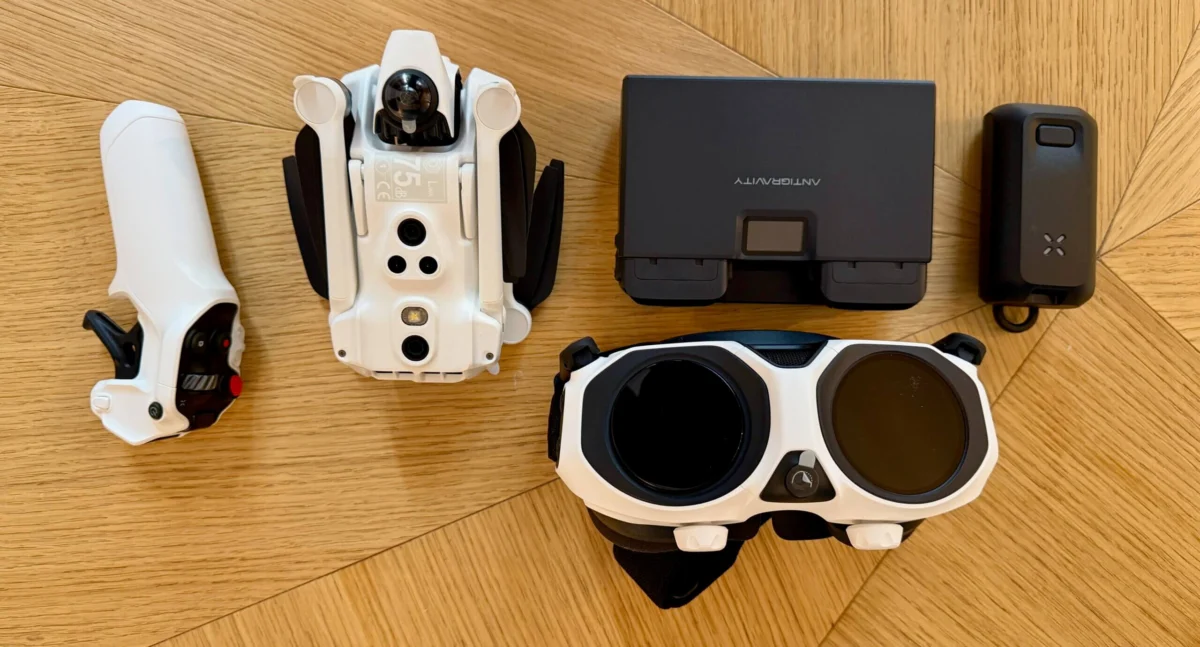
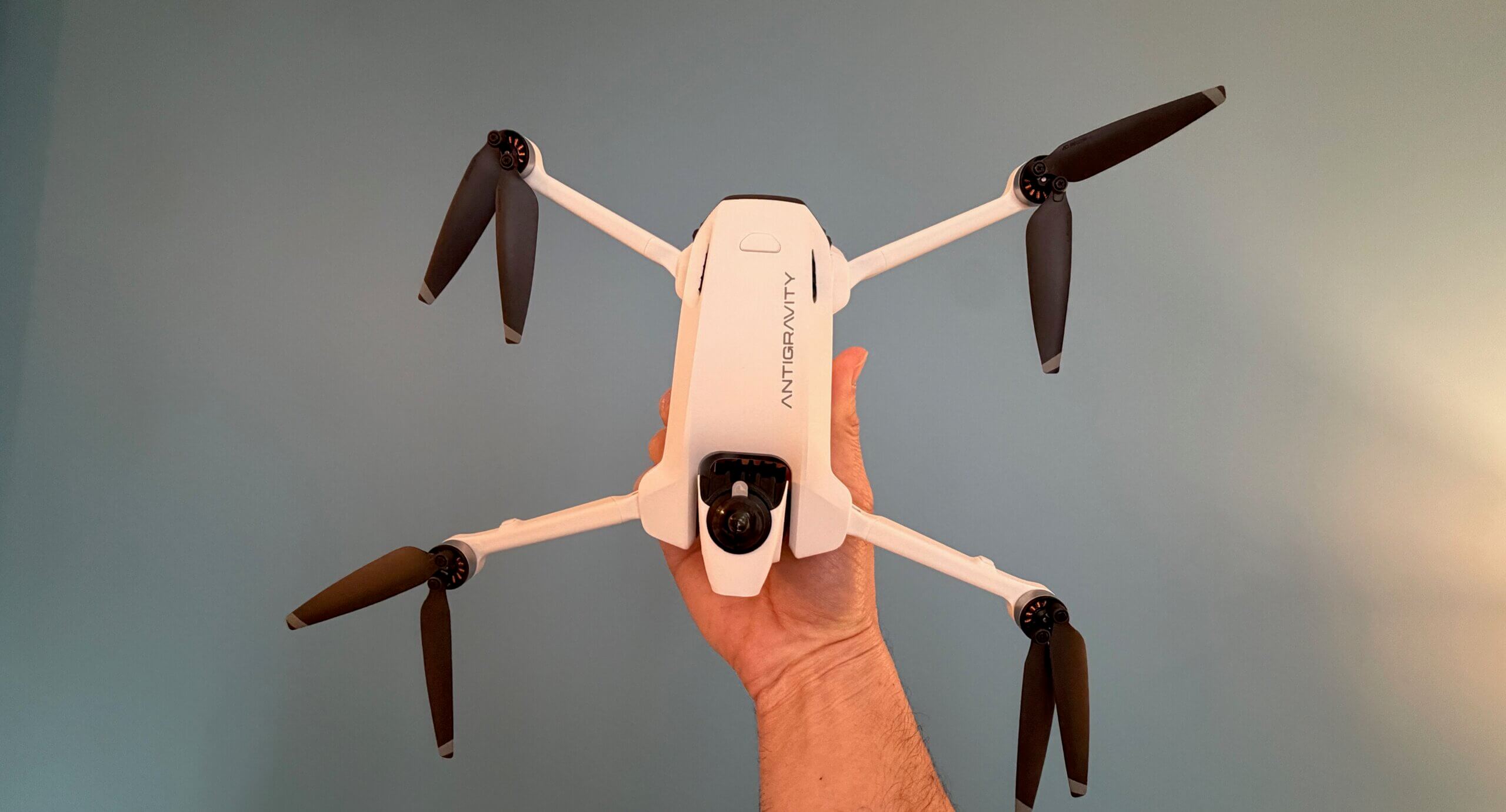
At its core, the Antigravity A1 is a marvel of miniaturization. Unlike conventional drones that utilize a forward-facing camera, the A1 employs two ultra-wide-angle lenses positioned on the top and bottom of its central fuselage. Each lens captures a 200-degree field of view. When the onboard software stitches these images together, the result is a seamless 360-degree sphere of data.
Perhaps most impressively, the A1’s software digitally removes the drone chassis from the final footage. This creates the visual illusion of a camera floating untethered in mid-air—a "ghost" shot that was previously only achievable with expensive, complex rigging.
The hardware specs are equally compelling. The A1 houses 1/1.28-inch CMOS sensors. While these are technically smaller than the 1-inch sensors found in high-end "Pro" photography drones, they offer significantly higher performance than typical 360-degree action cameras. This allows for superior low-light sensitivity and an expanded dynamic range, ensuring that detail in both highlights and shadows is preserved even under the harsh, high-contrast conditions of midday sunlight.
Chronology: From Concept to Consumer
The development of the A1 was a response to a specific frustration in the creator community: the "missed shot." Traditional drone operators often find that a perfect flight path results in a poorly framed video because the camera was pointed slightly off-center.
- Mid-2025: Antigravity 360 announces the development of the A1, focusing on the integration of 360-degree capture into a sub-250-gram airframe.
- Late 2025: The product officially launches to the consumer market, garnering immediate attention from travel vloggers and extreme sports videographers.
- Early 2026: The ecosystem expands with the release of the "Antigravity Studio" software, which enables rapid wireless transfer and AI-driven auto-reframing.
- Current State: The A1 has moved from a niche tech experiment to a primary tool for solo travelers, largely due to its ability to act as a "virtual camera crew."
Supporting Data and Technical Performance
Antigravity 360 has leaned heavily into the "8K" marketing moniker, though it is important to contextualize this. In traditional cinema, 8K refers to a fixed 16:9 frame. In the A1, those 8K pixels are distributed across a 360-degree sphere. When a creator "reframes" a segment of that sphere into a standard 1080p or 4K flat video, they are effectively cropping into the original data.
The color science has seen a marked improvement over previous generations of 360-degree technology. The A1 includes a "Vivid" profile for immediate social media sharing and a 10-bit "Log" profile for professional color grading.
Perhaps the most critical "supporting data" for the traveler is the weight: 249 grams. By hovering exactly one gram below the 250-gram threshold imposed by aviation authorities in many jurisdictions, the A1 circumvents the need for commercial registration, making it a "carry-on" essential for international travelers.
Official Responses and Pilot Feedback
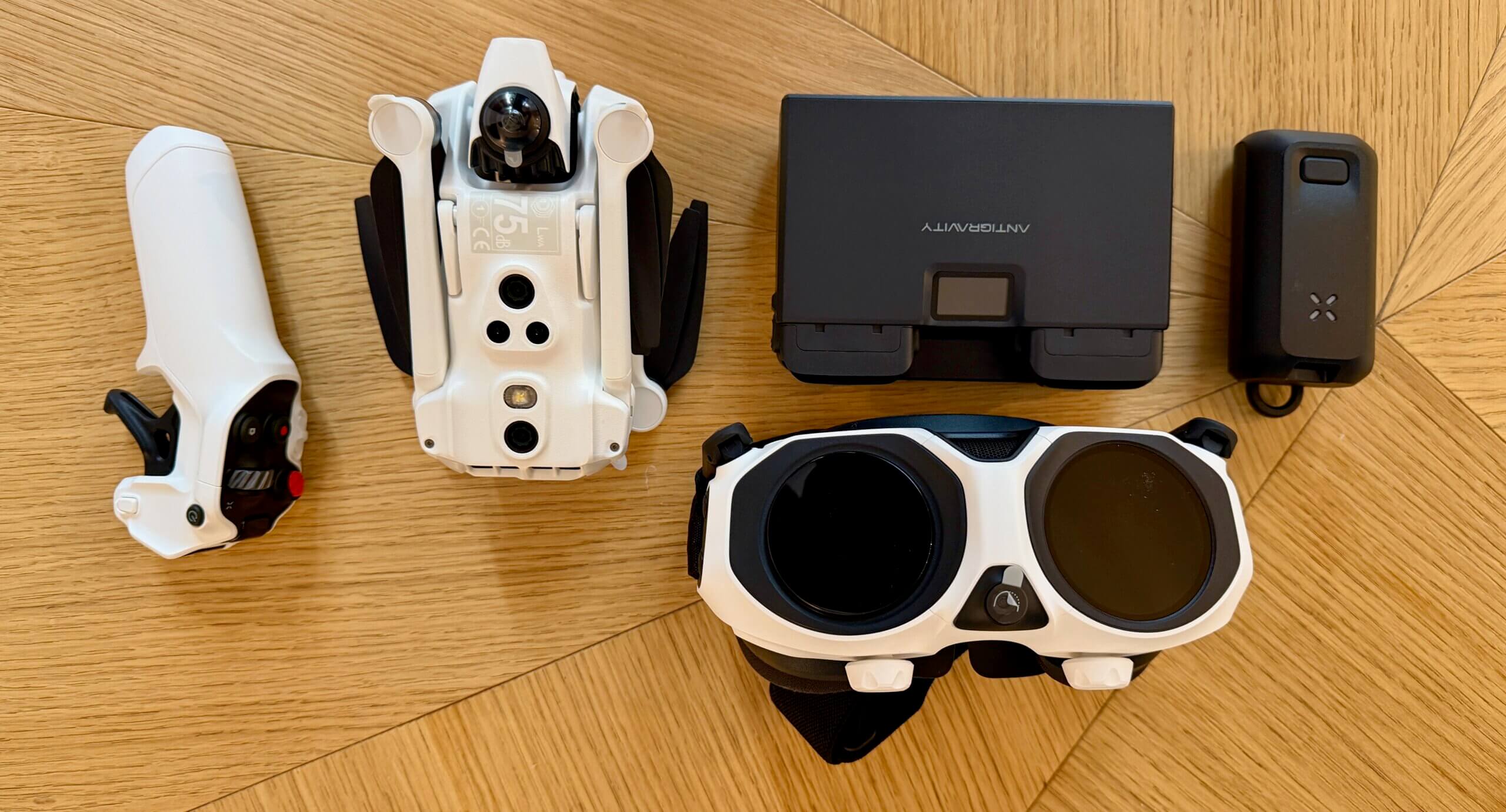
The "Vision Goggles" paired with the A1 have received significant praise for their immersion. Featuring dual 4K micro-OLED displays with a 120Hz refresh rate, the latency is almost imperceptible. Because the drone records in 360 degrees, the pilot is not limited to the camera’s orientation; moving one’s head in the goggles pans the view, offering a level of spatial awareness that traditional fixed-camera drones simply cannot match.
Flight dynamics are similarly innovative. The drone utilizes a single-handed motion controller that mimics natural hand gestures. Pointing the controller dictates direction, while tilting the wrist banks the aircraft. For the purists, the system does support a traditional "Mode 2" stick controller, but the fluid nature of the motion-control system has won over the majority of early adopters.
Implications: The Future of Aerial Content
The A1 represents a shift in the philosophy of travel documentation. By removing the stress of manual framing, the creator is free to focus on the story rather than the technicalities of gimbal pitch and yaw.
The "Work-Per-Minute" Efficiency
Battery life remains the primary hurdle for all small-scale drones. The A1 offers roughly 19 to 20 minutes of flight time under real-world conditions. However, the "work-per-minute" ratio is effectively tripled. Because the pilot captures the entire environment, a single pass over a landmark provides multiple angles and perspectives that would have required three or four separate flights with a traditional gimbal-mounted drone.
Durability and Recovery
Constructed from high-grade carbon-fiber-reinforced polymer, the A1 is designed for the rigors of travel. It is significantly more durable than the ABS plastic found in entry-level drones. Furthermore, the inclusion of "Turtle Mode"—the ability for the drone to flip itself over if it lands upside down—prevents the dreaded "walk of shame" in difficult-to-reach locations.
Final Assessment: Who is the A1 For?
The Antigravity A1 is not meant for the cinema-grade production studio looking to capture IMAX footage. It is, however, the ultimate tool for the modern, solo traveler. It bridges the gap between the immersive world of Virtual Reality and the professional standards of traditional travel cinematography.
While the lenses are delicate and require careful handling, the trade-off is a level of creative liberation that is currently unmatched in the drone market. For creators who are tired of the repetitive, static nature of traditional drone footage and want to push the boundaries of immersive storytelling, the Antigravity A1 is not just an upgrade—it is an essential evolution of the toolkit.
Travel Logistics: Optimizing Your Journey
As you incorporate new technology like the Antigravity A1 into your travels, ensuring your logistical foundation is solid remains paramount. Whether you are flying with high-end camera gear or packing light, the following resources are essential for any modern explorer:
- Book Your Flights: Utilize Skyscanner to ensure you are finding the most efficient and cost-effective routes, particularly when carrying specialized equipment that may require specific airline clearance.
- Accommodations: Whether you prefer the social atmosphere of a hostel found on Hostelworld or the privacy of a guesthouse booked via Booking.com, always prioritize locations with secure storage for your gear.
- Travel Insurance: Given the investment required for drones like the A1, comprehensive travel insurance is non-negotiable. It protects against theft, accidental damage, and the unpredictable nature of global travel.
- Car Rentals: For remote shoots, Discover Cars remains the premier choice for budget-friendly and reliable vehicle rentals, allowing you the freedom to reach the best filming locations.
- Experiences: If you need to find unique vantage points, platforms like Get Your Guide offer access to local tours and skip-the-line experiences that can provide the perfect backdrop for your aerial content.
The era of the "fixed-camera" drone is coming to a close. With the Antigravity A1, the sky is no longer just the limit—it is your canvas.
 Pevita Pearce
  Laily UPN