

Most modern travel suffers from a structural flaw: it is inherently extractive. We arrive, we photograph the landmarks that have been curated by algorithms, we dine at guidebook-recommended establishments, and we depart. We are observers, not participants. While there is no moral failing in taking a standard vacation, there is a growing realization among the global traveler community that "seeing" a place is fundamentally different from "understanding" it.
To truly grasp the heartbeat of a foreign culture, one must stop passing through and start settling in. The most transformative experiences are not found in the queue for a museum or the lobby of a high-end resort; they are found in the messy, human, and often complex process of being embedded in a community.
The Evolution of the "Nomad" Narrative
For the past decade, the "digital nomad" has been the aspirational archetype of long-term travel. The narrative is alluring: work remotely, earn in a strong currency, live in a lower-cost-of-living destination, and repeat. However, this model is built on a foundation of privilege and specific career requirements. It demands a remote-ready profession, a stable income, and a degree of professional autonomy that the vast majority of the global workforce does not possess.
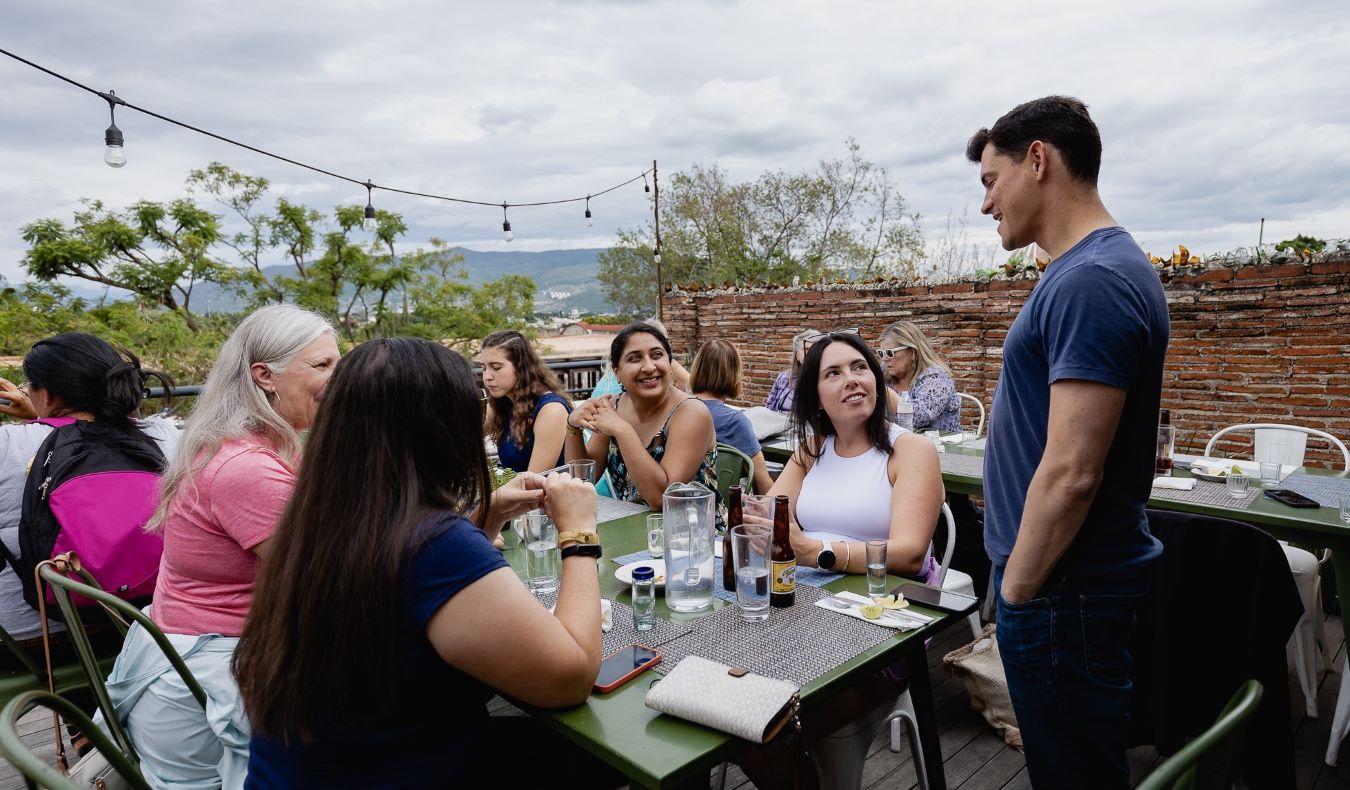
We are now witnessing a paradigm shift. The rise of "working holidays" and structured immersive travel is challenging the digital nomad supremacy. Unlike the nomad who brings their world with them in a laptop bag, the "working holiday maker" integrates into the local economy. They aren’t just visiting; they are contributing. By securing local employment, these travelers forge relationships through shared work environments rather than fleeting interactions in coworking spaces or hostel common rooms.
The Mechanics of Immersion: Global Work & Travel
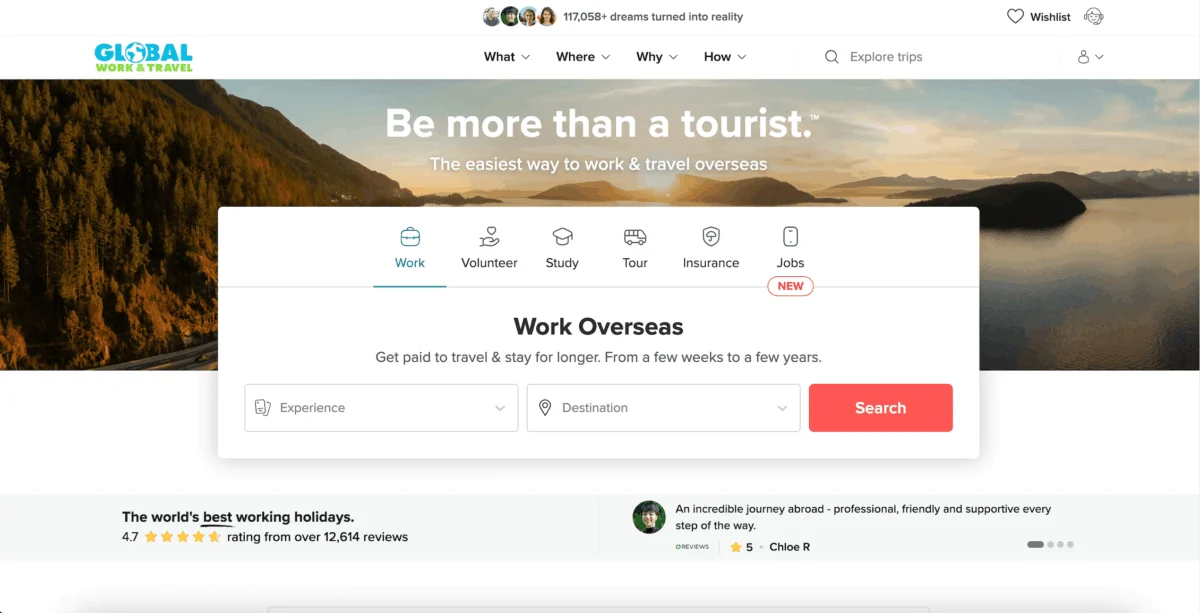
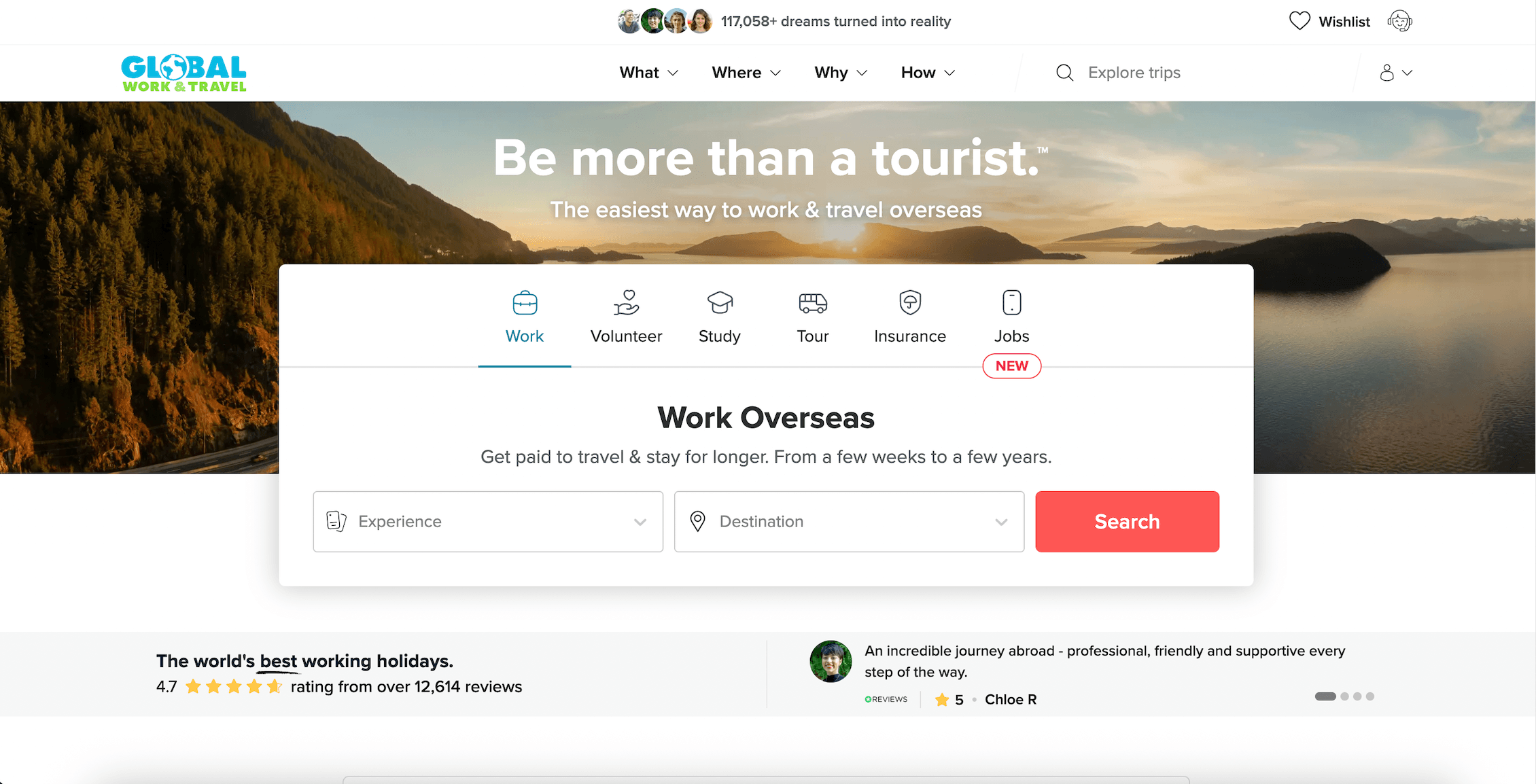
Bridging the gap between the desire for deep travel and the logistical nightmare of international relocation is a sector of the travel industry that has matured significantly. Companies like Global Work & Travel have spent nearly two decades refining the "scaffolding" required for a successful transition abroad.
With over 116,000 placements under their belt, they operate on a simple premise: removing the administrative, legal, and social hurdles that prevent people from taking the leap. Their platform handles the heavy lifting—visa guidance, job matching, and pre-departure support—effectively turning the "what if" of long-term travel into an actionable itinerary.
The Anatomy of a Working Holiday
- Economic Integration: By working within the host country, travelers gain a nuanced understanding of the local economy, labor market, and cultural expectations.
- Social Capital: Work provides an instant, authentic social network, connecting travelers with locals and peers in a way that tourism cannot facilitate.
- Professional Development: International work experience is increasingly viewed as a high-value asset, allowing travelers to build resumes while exploring the globe.
- Sustainability: Working locally allows travelers to stay in a region for months at a time, reducing the carbon footprint associated with hyper-frequent travel and allowing for a more deliberate, slow-paced lifestyle.
The Ethics of Volunteering: A Critical Review
Volunteering abroad has long carried a "white savior" stigma, and rightfully so. Many programs in the past were little more than profit-driven ventures that exploited the traveler’s desire to "do good" without actually benefiting the community.
However, the industry is undergoing a rigorous professionalization process. Modern, ethical volunteering requires that projects be defined by the locals themselves. Whether it is wildlife conservation in South Africa, elephant rehabilitation in Thailand, or community development in Zanzibar, the focus must shift from the traveler’s experience to the local ecosystem’s needs.
Global Work & Travel has addressed these concerns by vetting programs against stringent criteria. Their commitment to ethical standards is underscored by their "Global Animal Welfare Fund," which ensures that resources are channeled directly into the conservation projects themselves, rather than just the administrative overhead of the placement agency.
Supporting Data and Industry Trends
Data suggests that the appetite for these immersive experiences is at an all-time high. A 2023 survey of millennial and Gen Z travelers indicated that over 65% of respondents prioritized "meaningful cultural exchange" over "relaxation" in their travel planning. Furthermore, the average duration of international "gap" trips has increased by 40% since 2019, as travelers move away from the two-week vacation model toward semester- or year-long placements.
The logistical challenges of such a move—securing housing, obtaining work permits, and navigating tax implications—remain the primary deterrents. This is precisely why the "scaffolding" model is gaining market share. By providing a centralized management portal (such as the gWorld app), companies are reducing the "cognitive load" on the traveler, allowing them to focus on the cultural experience rather than the bureaucratic red tape.
Frequently Asked Questions
Q: Do I need specialized skills to participate in these programs?
A: Generally, no. Most working holiday and volunteer programs are designed to be accessible to anyone with a willingness to learn. While some teaching programs may require a TEFL certification, the organization often facilitates this training as part of the placement process.
Q: Is there an age limit?
A: Working holiday visas are typically regulated by government agreements that cap eligibility at age 35. However, volunteer and teaching placements are significantly more flexible, often welcoming participants from ages 18 to 80.
Q: How does the financial side work?
A: The benefit of a working holiday is that your local income helps offset the cost of living. Because you are integrated into the local economy, you are not burning through savings at the rate a tourist would. Most programs are designed to be cost-neutral or even net-positive over the course of a year.
Q: What is the "risk" of booking long-term?
A: The primary fear for any long-term traveler is instability. Modern platforms now offer "lifetime deposit" policies and comprehensive consumer protection, ensuring that if a visa is denied or personal plans change, the investment is not lost.
Implications for the Future of Global Citizenship
The transition from "tourist" to "temporary resident" has profound implications for global stability and cultural understanding. When an individual spends a year working in a rural village in Thailand or volunteering in a community center in South Africa, they move past the surface-level stereotypes that often define our perception of other nations.
We stop seeing "destinations" and start seeing "communities." We stop seeing "landmarks" and start seeing "neighborhoods." This is the core of what it means to be a global citizen. It is not about the passport you carry, but the depth of the relationships you build across borders.
For those who have felt the creeping dissatisfaction of the traditional vacation—the feeling that you are skimming the surface of a complex world—the path forward is clear. It requires less planning for the perfect photo and more planning for the perfect contribution.
If you are ready to move beyond the tourist trail, the infrastructure exists. The barrier is no longer a lack of opportunity, but the courage to commit to a slower, deeper, and more meaningful way of being in the world. As you look toward your next trip, consider not where you want to go, but what you want to do—and more importantly, who you want to become by being there.
For those interested in making the transition from traveler to resident, check out the resources at Global Work & Travel. Use code NOMADICMATT to unlock a $100 discount on your next placement.
 Iffa Jayyana
  Pevita Pearce
  Laily UPN