

Introduction: The Calculus of Stability in a Volatile Market
In the high-stakes world of international hospitality, the ability to pivot is not merely a competitive advantage—it is an existential necessity. During the first quarter of this year, as the specter of escalated tensions between the United States and Iran cast a long, destabilizing shadow over the Middle East, the hospitality industry found itself in the eye of a storm. From the luxury corridors of Dubai to the commercial hubs of the Gulf Cooperation Council (GCC), travel disruptions and a wave of hotel cancellations threatened the projected growth of major operators.
Yet, amid this regional volatility, Minor Hotels—a global powerhouse with a massive footprint in the Middle East and Africa—managed to turn a period of uncertainty into a masterclass in strategic agility. By doubling down on "safe haven" markets and accelerating expansion in North Africa, the group successfully insulated its portfolio from the worst of the regional downturn. This report examines how Minor Hotels, led by Amir Golbarg, COO for the Middle East and Africa, navigated this period, the data underpinning their strategy, and the long-term implications for the hospitality sector in the MENA region.
Main Facts: The Pivot to Stability
The core of Minor Hotels’ success during the Q1 crisis lay in a calculated geographic rebalancing. While many competitors saw their occupancy rates plummet in more exposed markets due to proximity to the conflict, Minor Hotels redirected its focus toward stable, high-growth destinations, most notably Oman and key African territories.
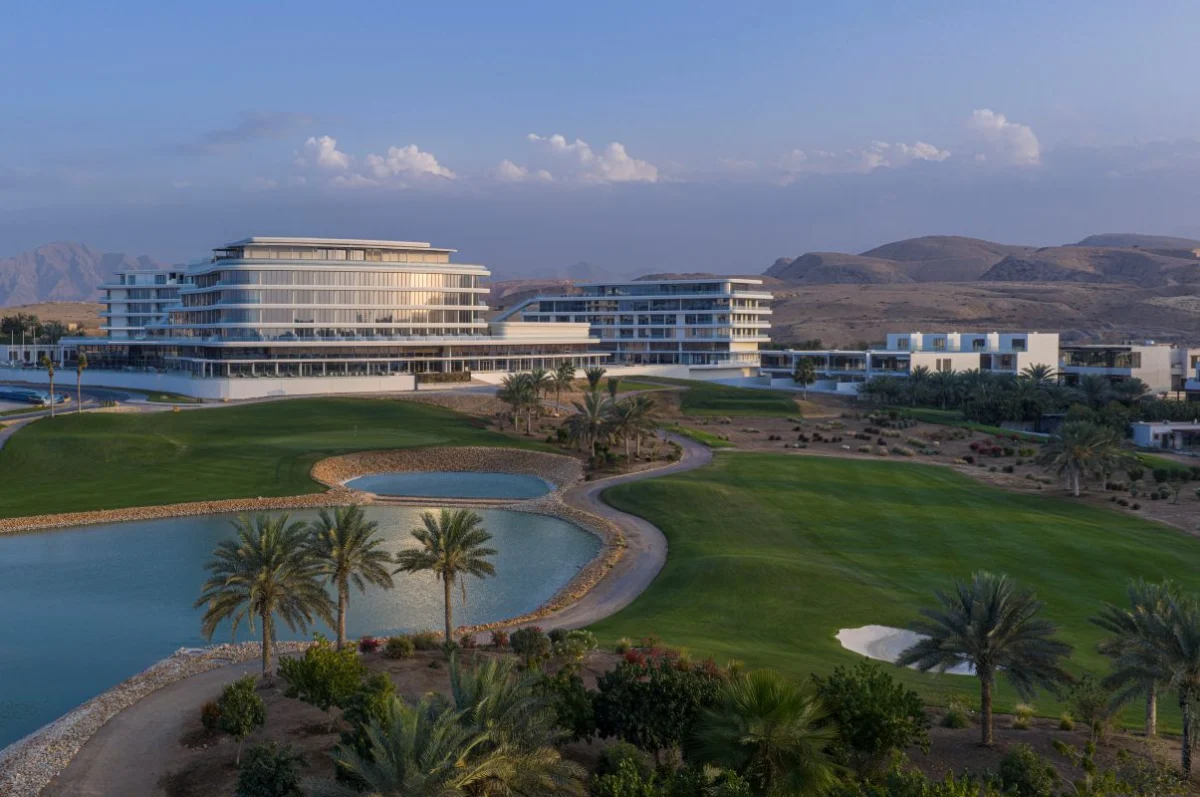
The marquee achievement of this period was the inauguration of the Tivoli La Vie in Muscat at the end of March. This opening served as a strategic anchor, signaling to the market that the company was not retreating but rather reallocating capital to jurisdictions where stability was guaranteed. According to Golbarg, this was not merely a defensive move; it was an opportunistic one. By positioning assets in the Sultanate of Oman—specifically in Salalah and Jabal Akhdar—Minor Hotels captured a "flight to safety" among regional travelers who remained keen on leisure but were wary of the uncertainty surrounding more exposed markets.
Chronology: Navigating the Q1 Disruption
The events of the first quarter of this year serve as a case study in crisis management for the hospitality sector.
- Early Q1: Geopolitical tensions between the U.S. and Iran reach a boiling point. The immediate fallout includes a surge in regional cancellations and a general freeze on corporate and leisure travel bookings across the broader Gulf region.
- Mid-Q1: As bookings in high-exposure markets stall, Minor Hotels initiates a deliberate shift in marketing and operational focus. The company leans heavily into its Omani portfolio, emphasizing the safety and serenity of the Sultanate’s geography.
- Late March: Minor Hotels officially opens the Tivoli La Vie in Muscat. This opening acts as a vital proof point of the company’s confidence in the region’s long-term stability despite short-term headwinds.
- Post-Q1: With the immediate geopolitical threat transitioning into a more localized state of tension, Minor Hotels reports that its strategic focus on Oman and its expansion plans in Egypt and Morocco have provided a buffer that outperformed initial financial projections for the quarter.
Supporting Data: The Omani Growth Narrative
The decision to prioritize Oman was supported by robust industry intelligence. According to data provided by real estate consultancy Cavendish Maxwell, Oman is currently undergoing a rapid and sustained transformation of its tourism infrastructure.
The Sultanate’s hotel sector currently boasts a total inventory of 36,800 rooms. However, the pipeline for growth is aggressive, with 3,300 additional keys expected to come online by 2027. This expansion is part of the Omani government’s broader "Vision 2040" strategy, which aims to diversify the economy away from hydrocarbons and toward tourism and services.
Minor Hotels’ investment aligns perfectly with these national goals. By securing a presence in Salalah—known for its unique monsoon season and lush landscapes—and Jabal Akhdar—a high-altitude mountain retreat—the company has diversified its product offering. This allows them to capture domestic tourism from neighboring GCC states that would otherwise have traveled to Europe or more expensive, but currently "risky," Middle Eastern urban hubs.
Official Responses: Insights from the C-Suite
Amir Golbarg, the architect of this regional strategy, has been vocal about the necessity of this pivot. In recent commentary, Golbarg noted that the resilience of the portfolio was not an accident but a result of long-term planning that accounts for the inherent volatility of the Middle East.
"Africa has seen an uplift in demand, both inbound and outbound," Golbarg stated, reflecting on the broader strategy that complements the group’s Middle Eastern operations. By viewing the Middle East and Africa as a singular, albeit diverse, theater of operations, Minor Hotels has created a hedge. When the Middle East faces headwinds, the growth in African tourism—fueled by improved aviation connectivity and a rising middle class—acts as a counter-cyclical stabilizer.
The group’s move into Egypt is perhaps the most ambitious aspect of this strategy. Through a new joint venture, Minor Hotels has set its sights on managing an initial 25 hotels, with a stated objective to scale this to 50 properties in the near future. This partnership signals a long-term commitment to Egypt’s tourism recovery, even as the country faces its own regional economic challenges.
Expansion Strategy: The Road to 2030
Looking ahead, Minor Hotels is not merely reacting to events but proactively positioning itself for the next decade of growth. A significant portion of this strategy involves the North African market, with Morocco emerging as a primary focus.
The company is currently scaling its footprint across Rabat, Marrakech, Agadir, and Casablanca. This is a deliberate, forward-looking play linked to the 2030 FIFA World Cup, which Morocco will co-host alongside Spain and Portugal. The tournament is expected to catalyze a massive infrastructure upgrade across the country, and Minor Hotels intends to be the provider of choice for the influx of global visitors.
This expansion into Morocco is designed to capture both the luxury segment—which remains resilient regardless of global economic conditions—and the burgeoning business travel market that will accompany the pre-World Cup infrastructure development.
Implications: A Blueprint for the Future
The actions of Minor Hotels during the recent period of unrest carry significant implications for the broader hospitality industry.
1. The Death of the "One-Size-Fits-All" Regional Strategy
The primary implication is that a "Middle East strategy" is no longer viable. Operators must differentiate between high-risk geopolitical zones and "safe havens." Investors and hotel groups that treat the region as a monolith are prone to catastrophic risk. Minor Hotels has demonstrated that granularity in geographic targeting is the new standard for risk mitigation.
2. The Rise of Intra-Regional Tourism
The resilience of the Omani market highlights the growing power of intra-GCC tourism. As regional travelers become more sophisticated and more conscious of geopolitical safety, they are increasingly choosing to spend their travel budgets within the region. This trend suggests that hotels which prioritize local and regional experiences over purely international business travel will see more consistent occupancy rates.
3. Africa as the Next Frontier of Resilience
The emphasis on Egypt and Morocco underscores the shifting importance of the African continent to global hospitality chains. As growth in more saturated Western markets flattens, the demographic dividend in Africa—combined with massive state-led investment in infrastructure—presents the most significant growth opportunity for the next decade.
4. Strategic Partnerships as De-Risking Tools
Minor Hotels’ move to establish a joint venture in Egypt is a template for expansion in emerging markets. By partnering with local entities, global operators can navigate the complexities of local regulation, labor markets, and political nuances more effectively. This "local-global" approach is essential for scaling in regions where the regulatory environment is in flux.
Conclusion: Adapting to a New Geopolitical Reality
The experience of Minor Hotels in the first quarter of this year serves as a potent reminder that in the hospitality sector, success is defined by how one handles the unforeseen. By leveraging the natural appeal of Oman and the long-term potential of the North African market, the group successfully turned a period of intense pressure into an opportunity for structural growth.
As the industry moves forward, the lessons learned by Amir Golbarg and his team will likely inform the strategies of other major operators. The era of assuming perpetual regional stability has ended; it has been replaced by an era of calculated agility, where diversification and local partnerships are the primary drivers of long-term value. Whether through the mountains of Jabal Akhdar or the historic streets of Rabat, the future of hospitality in the MENA region will be defined by those who can successfully navigate the shifting sands of global geopolitics while keeping their eyes fixed firmly on the horizon.
 Reynand Wu
  Lina Hope
  Basiran