

SAN FRANCISCO — Artificial intelligence giant OpenAI has reportedly acquired Glass Imaging, an innovative startup renowned for its advanced computational photography and neural image processing technology, for $300 million.
According to an exclusive report by The Wall Street Journal, citing individuals familiar with the matter, the strategic buyout values the pioneering imaging startup at triple its previous valuation of $100 million, which it secured during a funding round last year. Neither OpenAI nor Glass Imaging has formally acknowledged or commented on the transaction.
The acquisition marks a major development at the intersection of generative artificial intelligence, mobile hardware, and computational photography. While Glass Imaging built its reputation on bridging the gap between pocket-sized smartphone sensors and professional standalone cameras, its integration into OpenAI’s corporate ecosystem signals a broader, more ambitious trajectory for how AI systems might interpret and capture the physical world.
Main Facts of the Acquisition
- The Transaction: OpenAI has reportedly purchased Glass Imaging for approximately $300 million, according to The Wall Street Journal.
- Valuation Surge: The deal triples Glass Imaging’s valuation from $100 million, a figure it commanded during a funding round just a year prior.
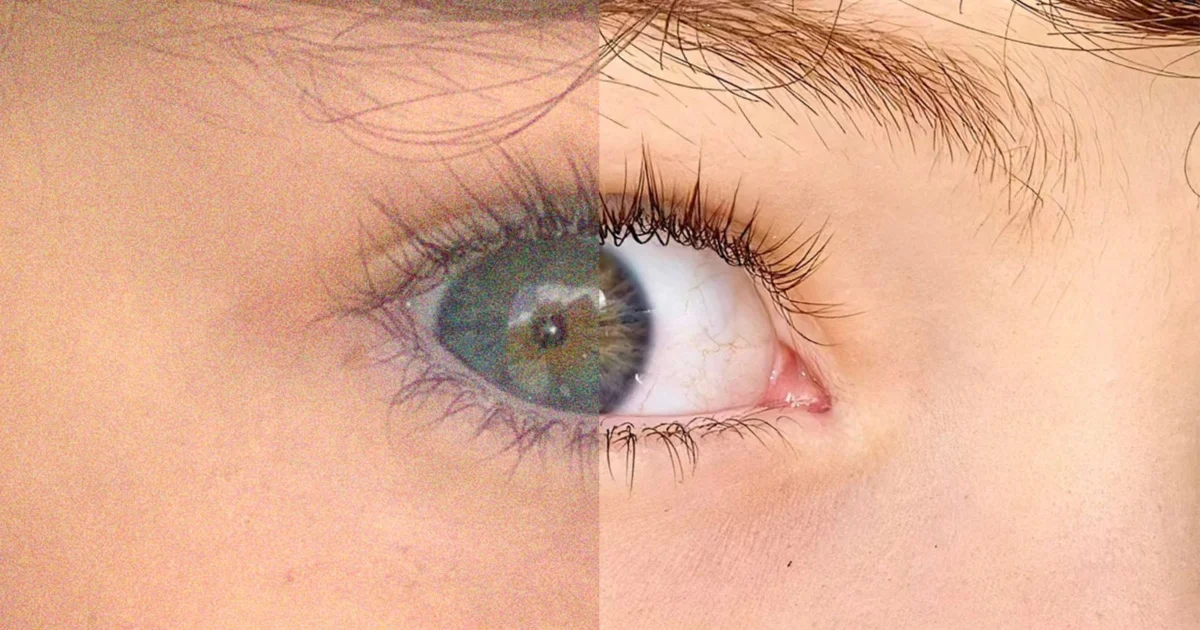
- Core Technology: Glass Imaging specializes in its proprietary "GlassAI Neural ISP (Image Signal Processor)," which processes raw sensor-level data alongside physical lens characteristics to dramatically enhance mobile image quality.
- Real-World Impact: The technology recently debuted commercially in the Honor 600 smartphone, significantly boosting high-zoom photography performance.
- Silence from Parties: As of press time, representatives from both OpenAI and Glass Imaging have declined to issue official statements regarding the acquisition.
Chronology of Glass Imaging’s Rise
To understand the magnitude of OpenAI’s acquisition, it is necessary to trace Glass Imaging’s trajectory from an ambitious research-driven startup to a commercial game-changer.
2024: The Breakthrough Demos
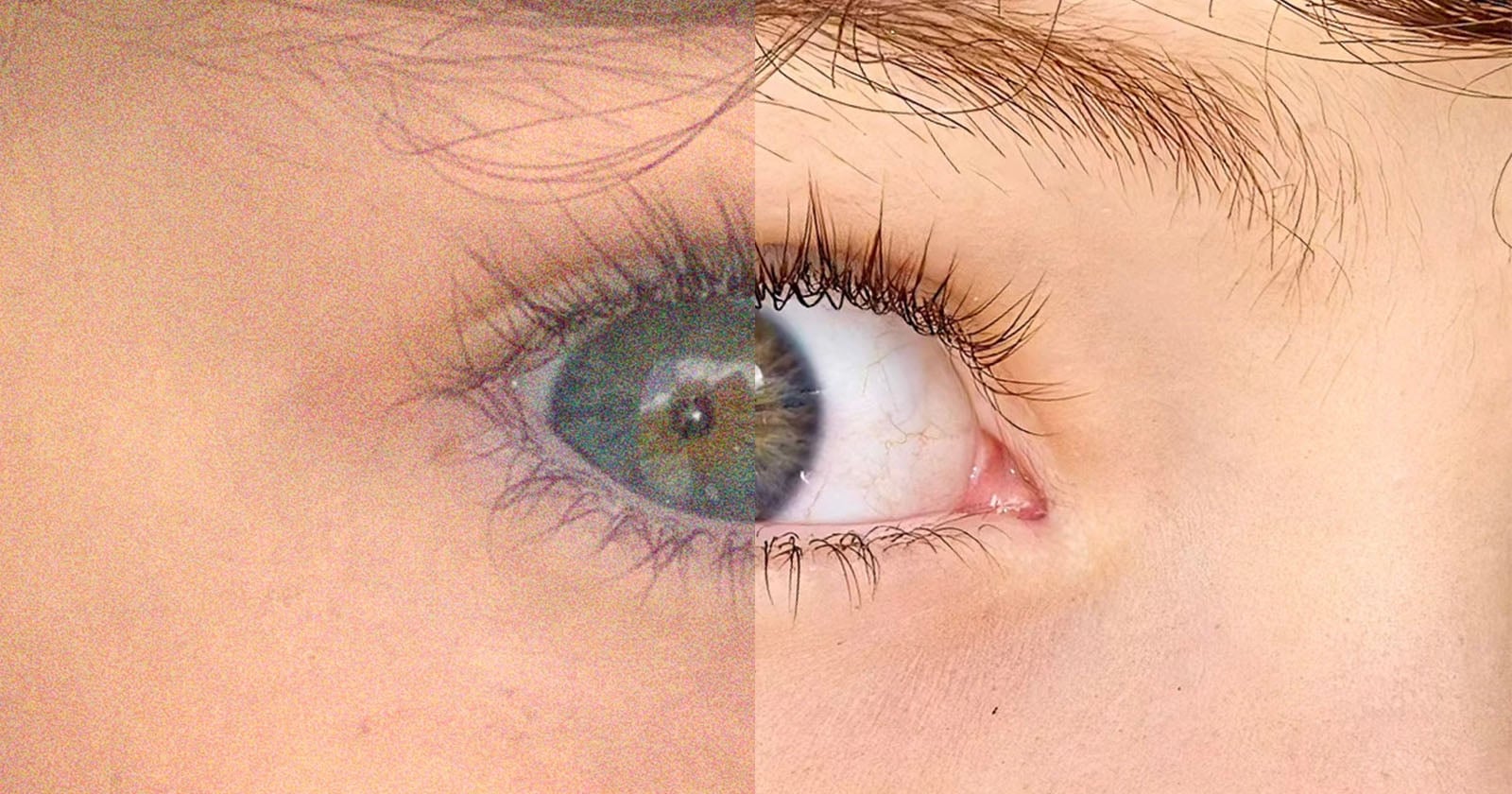
Glass Imaging burst onto the tech industry’s radar in late 2024. Tech publications like PetaPixel highlighted early demonstrations of the company’s technology running on the Qualcomm Snapdragon 8 Elite mobile platform. Unlike traditional software filters or superficial sharpening tools, Glass Imaging’s AI processing engine proved capable of transforming standard smartphone captures so that they genuinely rivaled the detail, dynamic range, and low-noise characteristics of dedicated cameras outfitted with significantly larger sensors and physical glass lenses.
Mid-2025: Rapid Valuation and Market Interest
Buoyed by successful demonstrations and growing interest from hardware manufacturers and venture capitalists, Glass Imaging closed a lucrative funding round that pushed its corporate valuation to $100 million. Industry analysts began watching the startup closely, recognizing that its neural image signal processing could disrupt the status quo dominated by traditional camera giants and smartphone behemoths alike.
Mid-2026: Commercial Realization
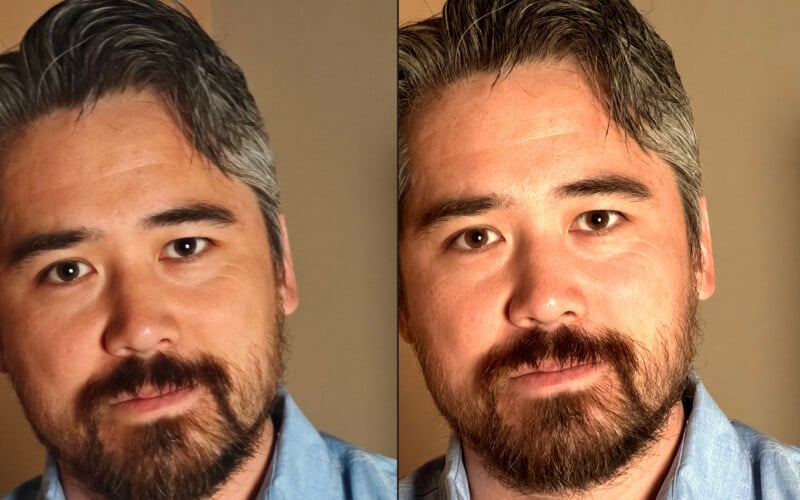
The promise of Glass Imaging finally materialized in consumer hardware in mid-2026, when its GlassAI Neural ISP was officially integrated into the Honor 600 smartphone. Real-world testing confirmed that the technology delivered exceptional results, particularly in high-zoom scenarios where smartphones traditionally struggle with pixelation, artifacting, and loss of fine detail. Side-by-side comparisons demonstrated that a mid-tier or flagship device equipped with GlassAI could punch well above its weight class, competing directly with market leaders like Apple’s iPhone lineup.
Late 2026: The OpenAI Buyout
Just months after the commercial rollout of its technology on the Honor 600, Glass Imaging’s independence appears to have drawn to a close. Leaked reports from The Wall Street Journal revealed that OpenAI stepped in with a $300 million acquisition offer, effectively pulling the startup into its rapidly expanding corporate fold.
Supporting Data and Technological Breakdown
The core appeal of Glass Imaging lies in its departure from standard smartphone computational photography. Most modern phones rely on multi-frame synthesis, heavy digital sharpening, and generative hallucination to make photos look passable. However, these techniques frequently result in an unnatural, "processed" look that traditional photographers decry.
Glass Imaging took a fundamentally different approach with its GlassAI Neural ISP:
- RAW Sensor-Level Processing: Rather than working with compressed JPEGs or standard post-processed outputs, the neural ISP taps directly into raw image data at the sensor level.
- Optical Awareness: The algorithm accounts for the distinct physical limitations and characteristics of miniature smartphone lenses, mathematically correcting optical aberrations and diffraction issues.
- Hardware Agnostic: While optimized for the constraints of mobile devices—the largest digital camera market in the world—the technology is theoretically capable of operating on any sensor capable of capturing raw image data.
This deep integration of optical physics and machine learning created results that consistently fooled professional photographers, bridging the gap between micro-sensors and full-frame glass.
Official Responses and Industry Silence
As is typical of major corporate maneuvers in the tech sector, official communication surrounding the acquisition has been entirely absent.
- OpenAI: Leadership has maintained strict silence regarding the WSJ report. The company has historically kept its hardware and multi-modal acquisition strategies close to the chest, preferring to let product rollouts speak for themselves.
- Glass Imaging: The startup’s founders and PR channels have not responded to requests for comment. Its official web presence and ongoing public-facing communications have offered no hints about how existing partnerships (such as its work with Honor) will be managed moving forward.
Industry insiders note that silence prior to an official product announcement is standard operating procedure for OpenAI, which frequently integrates acquired startups directly into its core research and product divisions without public fanfare.
Implications for the Future
The multi-million-dollar question facing the tech community is simple: Why does an artificial intelligence research laboratory focused on large language models and generative text want a smartphone camera startup?
At first glance, OpenAI’s core business is software, data analysis, and language processing—not physical optics or consumer photography. However, a broader look at OpenAI’s recent corporate maneuvers provides critical context.
The Hardware Connection
In May 2025, OpenAI made headlines by purchasing LoveFrom—the AI hardware startup founded by legendary former Apple chief designer Jony Ive—for a staggering $6.5 billion. Rumors have circulated ever since that OpenAI is developing a proprietary consumer hardware device designed to integrate deeply with its advanced AI models.
If OpenAI is indeed building a specialized AI hardware ecosystem, visual perception and image capture will be paramount. An AI-first device cannot function in a vacuum; it needs to "see" the world to understand it. Equipping an upcoming hardware product with Glass Imaging’s advanced neural ISP would allow the device to capture extraordinarily high-quality visual data, even with compact, minimalist camera hardware.
Enhancing Multimodal AI Intelligence
Beyond physical hardware, OpenAI’s flagship models (such as GPT-4o and its successors) rely heavily on multimodal capabilities—the ability to process and reason through text, audio, and vision simultaneously. Feeding cleaner, higher-resolution, and optically accurate raw visual data into these AI models could drastically improve their spatial awareness, visual reasoning, and data analysis capabilities.
The Cost to the Smartphone Industry
While the acquisition spells a massive financial windfall for Glass Imaging’s founders and investors, it carries a bittersweet pill for the broader mobile photography market.
Prior to the buyout, Glass Imaging positioned itself as an independent disruptor that could license its transformative neural ISP to various smartphone manufacturers, potentially elevating the camera quality of budget and mid-range devices across the board. Now that the company is under OpenAI’s umbrella, its ongoing work on democratizing high-end smartphone photography is widely expected to be shelved, redirected, or locked behind proprietary corporate walls.
For mobile photography enthusiasts, this represents a significant loss. For OpenAI, however, the acquisition of Glass Imaging may represent the missing optical link required to bring its artificial intelligence ambitions directly into the physical world.
 Asep Darmawan
  Pevita Pearce
  Lina Hope