
Introduction: A New Paradigm for Protected Areas

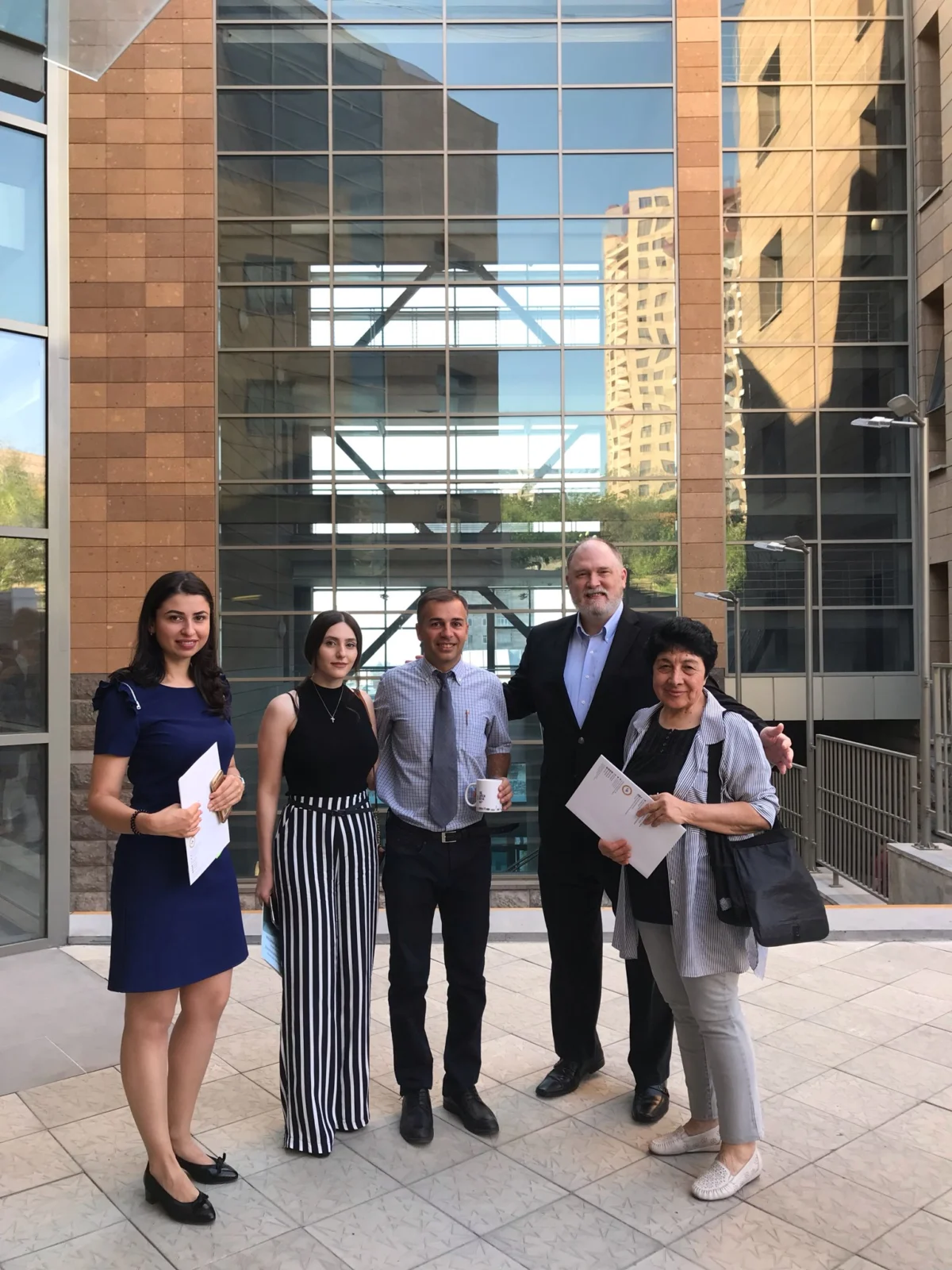
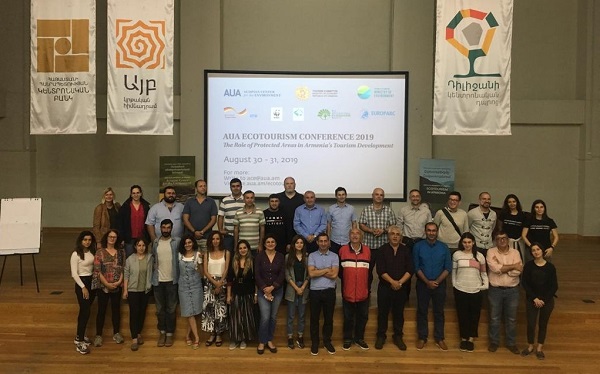
On August 30-31, the American University of Armenia (AUA) Acopian Center for the Environment hosted the fourth annual AUA Ecotourism Conference, a landmark event aimed at redefining the intersection of conservation and economic development. Held in partnership with the Armenian Ministry of Economy’s Tourism Committee, the Ministry of Environment, WWF Armenia, the Transboundary Joint Secretariat (funded by Germany’s KfW), and The International Ecotourism Society (TIES), the conference served as a critical platform for global experts to address how Armenia can leverage its unique natural assets to drive sustainable growth.

The event brought together an influential cohort of policymakers, protected area managers, tour operators, and environmental researchers. Their collective objective was clear: to move beyond traditional tourism models and embrace ecotourism as a catalyst for environmental preservation and regional economic prosperity.


Chronology of the Event: A Multi-Stakeholder Dialogue

The two-day conference was structured to facilitate deep dives into both policy and practical application.

Day One: Global Economic Perspectives

The opening sessions focused on the shifting global narrative regarding the value of protected areas. Keynote speakers, including experts from the International Union for Conservation of Nature (IUCN) and The International Ecotourism Society, dismantled the misconception that protected areas are purely a financial burden. Instead, they presented data proving that these sites act as high-yield economic engines when managed through the lens of sustainable tourism.

Day Two: Strategies and Site Visits

The second day shifted toward technical implementation. Participants engaged in six distinct panel discussions, dissecting the specific challenges and advantages inherent in the Armenian landscape. The conference concluded with a field excursion to the Dilijan National Park, including visits to the Tourism Information Center and the Caucasian Red Deer Reintroduction Center. This hands-on experience allowed delegates to see the infrastructure challenges and successes of one of Armenia’s most significant ecological sites, bridging the gap between theoretical policy and on-the-ground reality.


Supporting Data: The Economic Multiplier of Nature

A recurring theme throughout the conference was the "economic blindness" that often plagues environmental budgeting. Dr. Thiago Souza, representing the IUCN Commission on Protected Areas’ Tourism Specialists Group, provided a compelling critique of how governments calculate the worth of their parks.

The Accounting Fallacy

Dr. Souza noted that most government officials perform only a rudimentary financial analysis, comparing a park’s annual budget against its direct entrance fee revenue. "For most protected areas, the fees would be substantially smaller than the budgets," he noted, citing Brazil as an example where operating budgets can be up to nine times higher than the revenue collected from entry tickets.

The Economic Reality

However, when an "economic analysis" is applied—one that tracks visitor spending on local lodging, dining, transportation, and the subsequent tax multiplier effects—the narrative changes dramatically.
Fourth annual Armenia Ecotourism Conference: Key Stakeholders Gather to Discuss the Future of Ecotourism connected with Protected Areas - The International Ecotourism Society The fourth annual AUA Ecotourism Conference was held on August 30-31. The event was organized by the AUA Acopian Center for the Environment. in partnership with the Tourism Committee of the Ministry of Economy of the Republic of Armenia (RA), RA Ministry of Environment, WWF Armenia and Transboundary Joint Secretariat funded by the KfW German state-owned development bank and The International Ecotourism Society (TIES). Experts from The International Ecotourism Society, EUROPARC Federation, and the International Union for Conservation of Nature (IUCN) were among the key speakers. The invited participants included tour operators, policy makers, and protected area managers and experts. This year’s Conference focused on the role of protected areas in ecotourism and sustainable tourism development, which ensure protecting the environment and enabling nearby communities to benefit from growth in tourism. Protected Areas and the National/Regional Economy Dr. Thiago Souza, from the IUCN Commission on Protected Areas’ Tourism Specialists Group, talked about the global experience with investing in protected areas and the returns to the national and regional economies. “Politically, the value of investing in protected areas is often lost because we typically don’t make an adequate economic analysis,” points out Dr. Souza. He explains that in most places officials simply make an accounting or financial analysis. That is, they look at the budget of the protected area and the revenues generated from the entrance fees. “For most protected areas, the fees would be substantially smaller than the budgets of the protected areas,” he says. “In Brazil, for instance, budgets can be 9 times greater than fees collected.” But when an economic analysis is conducted, which considers more broadly the visitor spending and the tax and multiplier effects of this spending, a very different picture appears. “In Brazil, we’ve been able to show that for every dollar budgeted amount spent on protected areas, the national economy gains 15 dollars. The returns on investment are staggering,” says Dr. Souza. Europe shows smaller but still impressive numbers. Once adequate investments are made in the protected areas and the needed infrastructure, every euro spent on protected areas see 7 to 10 euros in GDP activity. A 2015 study shows that there are an estimated 8 billion visits per year to protected areas worldwide. This generates about US $600 billion per year in direct in-country expenditures. (Balmford et al, 2015). Growing Market of Ecotourism and Visiting Protected Areas Jon Bruno, the executive director of The International Ecotourism Society, offered a global perspective on the growth of the ecotourism sector. “Over 90 nations now have an ecotourism or sustainable tourism initiative nationally or at a regional level. This has happened in the last 30 years; there is no other form of tourism or industry that has become so fundamental to the global economy so quickly.” Mr. Bruno believes that this is a growing trend. And the travelers are developing greater sensitivity toward sustainable tourism. He says, “Travelers have greatly increased both their awareness of ecotourism and their willingness to increase payment to ensure a sustainable travel experience. Seventy percent of people under 30 say sustainable travel is a priority.” This is a market for which countries like Armenia have to be prepared as part of their efforts aimed at sustainable development. “Ecotourism and sustainable tourism can help local communities economically and create engagement for protecting their natural assets. Ecotourism provides the strongest community revenue and the best return on investment,” emphasizes Mr. Bruno. The fourth annual AUA Ecotourism Conference was held on August 30-31. The event was organized by the AUA Acopian Center for the Environment. in partnership with the Tourism Committee of the Ministry of Economy of the Republic of Armenia (RA), RA Ministry of Environment, WWF Armenia and Transboundary Joint Secretariat funded by the KfW German state-owned development bank and The International Ecotourism Society (TIES). Experts from The International Ecotourism Society, EUROPARC Federation, and the International Union for Conservation of Nature (IUCN) were among the key speakers. The invited participants included tour operators, policy makers, and protected area managers and experts. This year’s Conference focused on the role of protected areas in ecotourism and sustainable tourism development, which ensure protecting the environment and enabling nearby communities to benefit from growth in tourism. Protected Areas and the National/Regional Economy Dr. Thiago Souza, from the IUCN Commission on Protected Areas’ Tourism Specialists Group, talked about the global experience with investing in protected areas and the returns to the national and regional economies. “Politically, the value of investing in protected areas is often lost because we typically don’t make an adequate economic analysis,” points out Dr. Souza. He explains that in most places officials simply make an accounting or financial analysis. That is, they look at the budget of the protected area and the revenues generated from the entrance fees. “For most protected areas, the fees would be substantially smaller than the budgets of the protected areas,” he says. “In Brazil, for instance, budgets can be 9 times greater than fees collected.” But when an economic analysis is conducted, which considers more broadly the visitor spending and the tax and multiplier effects of this spending, a very different picture appears. “In Brazil, we’ve been able to show that for every dollar budgeted amount spent on protected areas, the national economy gains 15 dollars. The returns on investment are staggering,” says Dr. Souza. Europe shows smaller but still impressive numbers. Once adequate investments are made in the protected areas and the needed infrastructure, every euro spent on protected areas see 7 to 10 euros in GDP activity. A 2015 study shows that there are an estimated 8 billion visits per year to protected areas worldwide. This generates about US $600 billion per year in direct in-country expenditures. (Balmford et al, 2015). Growing Market of Ecotourism and Visiting Protected Areas Jon Bruno, the executive director of The International Ecotourism Society, offered a global perspective on the growth of the ecotourism sector. “Over 90 nations now have an ecotourism or sustainable tourism initiative nationally or at a regional level. This has happened in the last 30 years; there is no other form of tourism or industry that has become so fundamental to the global economy so quickly.” Mr. Bruno believes that this is a growing trend. And the travelers are developing greater sensitivity toward sustainable tourism. He says, “Travelers have greatly increased both their awareness of ecotourism and their willingness to increase payment to ensure a sustainable travel experience. Seventy percent of people under 30 say sustainable travel is a priority.” This is a market for which countries like Armenia have to be prepared as part of their efforts aimed at sustainable development. “Ecotourism and sustainable tourism can help local communities economically and create engagement for protecting their natural assets. Ecotourism provides the strongest community revenue and the best return on investment,” emphasizes Mr. Bruno. The fourth annual AUA Ecotourism Conference was held on August 30-31. The event was organized by the AUA Acopian Center for the Environment. in partnership with the Tourism Committee of the Ministry of Economy of the Republic of Armenia (RA), RA Ministry of Environment, WWF Armenia and Transboundary Joint Secretariat funded by the KfW German state-owned development bank and The International Ecotourism Society (TIES). Experts from The International Ecotourism Society, EUROPARC Federation, and the International Union for Conservation of Nature (IUCN) were among the key speakers. The invited participants included tour operators, policy makers, and protected area managers and experts. This year’s Conference focused on the role of protected areas in ecotourism and sustainable tourism development, which ensure protecting the environment and enabling nearby communities to benefit from growth in tourism. Protected Areas and the National/Regional Economy Dr. Thiago Souza, from the IUCN Commission on Protected Areas’ Tourism Specialists Group, talked about the global experience with investing in protected areas and the returns to the national and regional economies. “Politically, the value of investing in protected areas is often lost because we typically don’t make an adequate economic analysis,” points out Dr. Souza. He explains that in most places officials simply make an accounting or financial analysis. That is, they look at the budget of the protected area and the revenues generated from the entrance fees. “For most protected areas, the fees would be substantially smaller than the budgets of the protected areas,” he says. “In Brazil, for instance, budgets can be 9 times greater than fees collected.” But when an economic analysis is conducted, which considers more broadly the visitor spending and the tax and multiplier effects of this spending, a very different picture appears. “In Brazil, we’ve been able to show that for every dollar budgeted amount spent on protected areas, the national economy gains 15 dollars. The returns on investment are staggering,” says Dr. Souza. Europe shows smaller but still impressive numbers. Once adequate investments are made in the protected areas and the needed infrastructure, every euro spent on protected areas see 7 to 10 euros in GDP activity. A 2015 study shows that there are an estimated 8 billion visits per year to protected areas worldwide. This generates about US $600 billion per year in direct in-country expenditures. (Balmford et al, 2015). Growing Market of Ecotourism and Visiting Protected Areas Jon Bruno, the executive director of The International Ecotourism Society, offered a global perspective on the growth of the ecotourism sector. “Over 90 nations now have an ecotourism or sustainable tourism initiative nationally or at a regional level. This has happened in the last 30 years; there is no other form of tourism or industry that has become so fundamental to the global economy so quickly.” Mr. Bruno believes that this is a growing trend. And the travelers are developing greater sensitivity toward sustainable tourism. He says, “Travelers have greatly increased both their awareness of ecotourism and their willingness to increase payment to ensure a sustainable travel experience. Seventy percent of people under 30 say sustainable travel is a priority.” This is a market for which countries like Armenia have to be prepared as part of their efforts aimed at sustainable development. “Ecotourism and sustainable tourism can help local communities economically and create engagement for protecting their natural assets. Ecotourism provides the strongest community revenue and the best return on investment,” emphasizes Mr. Bruno.
  • The Multiplier Effect: In Brazil, Dr. Souza’s research indicates that for every dollar invested in protected area infrastructure, the national economy generates approximately $15 in return.
  • European Benchmarks: Even in more mature economies, the returns are significant, with every euro spent on protected area management yielding between 7 and 10 euros in GDP activity.
  • Global Impact: A 2015 study by Balmford et al. reinforces these findings, estimating that 8 billion visits to protected areas worldwide generate roughly $600 billion in direct, in-country expenditures annually.

These figures underscore a pivotal shift: investment in conservation is not a charitable donation; it is a high-performing economic strategy.


The Rise of the Conscious Traveler

Jon Bruno, Executive Director of The International Ecotourism Society, provided context on the rapid evolution of the tourism market. Over the last 30 years, ecotourism has evolved from a niche hobby into a cornerstone of the global economy, with over 90 nations now implementing formal sustainable tourism initiatives.

"There is no other form of tourism or industry that has become so fundamental to the global economy so quickly," Mr. Bruno stated. He highlighted a demographic shift, noting that 70% of travelers under the age of 30 prioritize sustainability in their travel plans. For Armenia, this presents a unique window of opportunity. By aligning its tourism offerings with these global expectations, the nation can secure its position as a preferred destination for the modern, environmentally conscious traveler.


Official Responses and Strategic Frameworks

The Armenian Ministry of Environment deemed the conference a significant success, signaling an intent to develop a comprehensive growth strategy for the country’s protected areas. The conference provided the necessary roadmap for this evolution, particularly through the introduction of international standards.

The EUROPARC Federation Model

Carol Richie and Paulo Castro of the EUROPARC Federation—a network representing over 380 members in 37 countries—outlined the mechanisms for long-term sustainability. The Federation, which focuses on the stewardship of Europe’s natural and cultural heritage, highlighted the European Charter for Sustainable Tourism in Protected Areas.

Ms. Richie warned against the risks of unregulated growth, noting that "poorly managed tourism allows societal tensions to persist, weakens local communities’ connection to their heritage, and causes irreparable damage to nature."

The Charter provides a solution by mandating:

  1. Multi-Stakeholder Forums: Creating permanent platforms where local businesses, residents, and park managers can negotiate common interests.
  2. Product Development: Encouraging tourism offerings that are deeply rooted in local resources, thereby ensuring that economic benefits stay within the host community.
  3. Long-Term Commitment: Moving away from short-term profit-seeking toward a durable management structure that balances visitor experience with ecosystem protection.

Implications: The Path Forward for Armenia

The implications of the conference are profound for Armenia’s development trajectory. To capitalize on the findings presented by the international experts, several key actions must be prioritized:
Fourth annual Armenia Ecotourism Conference: Key Stakeholders Gather to Discuss the Future of Ecotourism connected with Protected Areas - The International Ecotourism Society The fourth annual AUA Ecotourism Conference was held on August 30-31. The event was organized by the AUA Acopian Center for the Environment. in partnership with the Tourism Committee of the Ministry of Economy of the Republic of Armenia (RA), RA Ministry of Environment, WWF Armenia and Transboundary Joint Secretariat funded by the KfW German state-owned development bank and The International Ecotourism Society (TIES). Experts from The International Ecotourism Society, EUROPARC Federation, and the International Union for Conservation of Nature (IUCN) were among the key speakers. The invited participants included tour operators, policy makers, and protected area managers and experts. This year’s Conference focused on the role of protected areas in ecotourism and sustainable tourism development, which ensure protecting the environment and enabling nearby communities to benefit from growth in tourism. Protected Areas and the National/Regional Economy Dr. Thiago Souza, from the IUCN Commission on Protected Areas’ Tourism Specialists Group, talked about the global experience with investing in protected areas and the returns to the national and regional economies. “Politically, the value of investing in protected areas is often lost because we typically don’t make an adequate economic analysis,” points out Dr. Souza. He explains that in most places officials simply make an accounting or financial analysis. That is, they look at the budget of the protected area and the revenues generated from the entrance fees. “For most protected areas, the fees would be substantially smaller than the budgets of the protected areas,” he says. “In Brazil, for instance, budgets can be 9 times greater than fees collected.” But when an economic analysis is conducted, which considers more broadly the visitor spending and the tax and multiplier effects of this spending, a very different picture appears. “In Brazil, we’ve been able to show that for every dollar budgeted amount spent on protected areas, the national economy gains 15 dollars. The returns on investment are staggering,” says Dr. Souza. Europe shows smaller but still impressive numbers. Once adequate investments are made in the protected areas and the needed infrastructure, every euro spent on protected areas see 7 to 10 euros in GDP activity. A 2015 study shows that there are an estimated 8 billion visits per year to protected areas worldwide. This generates about US $600 billion per year in direct in-country expenditures. (Balmford et al, 2015). Growing Market of Ecotourism and Visiting Protected Areas Jon Bruno, the executive director of The International Ecotourism Society, offered a global perspective on the growth of the ecotourism sector. “Over 90 nations now have an ecotourism or sustainable tourism initiative nationally or at a regional level. This has happened in the last 30 years; there is no other form of tourism or industry that has become so fundamental to the global economy so quickly.” Mr. Bruno believes that this is a growing trend. And the travelers are developing greater sensitivity toward sustainable tourism. He says, “Travelers have greatly increased both their awareness of ecotourism and their willingness to increase payment to ensure a sustainable travel experience. Seventy percent of people under 30 say sustainable travel is a priority.” This is a market for which countries like Armenia have to be prepared as part of their efforts aimed at sustainable development. “Ecotourism and sustainable tourism can help local communities economically and create engagement for protecting their natural assets. Ecotourism provides the strongest community revenue and the best return on investment,” emphasizes Mr. Bruno. The fourth annual AUA Ecotourism Conference was held on August 30-31. The event was organized by the AUA Acopian Center for the Environment. in partnership with the Tourism Committee of the Ministry of Economy of the Republic of Armenia (RA), RA Ministry of Environment, WWF Armenia and Transboundary Joint Secretariat funded by the KfW German state-owned development bank and The International Ecotourism Society (TIES). Experts from The International Ecotourism Society, EUROPARC Federation, and the International Union for Conservation of Nature (IUCN) were among the key speakers. The invited participants included tour operators, policy makers, and protected area managers and experts. This year’s Conference focused on the role of protected areas in ecotourism and sustainable tourism development, which ensure protecting the environment and enabling nearby communities to benefit from growth in tourism. Protected Areas and the National/Regional Economy Dr. Thiago Souza, from the IUCN Commission on Protected Areas’ Tourism Specialists Group, talked about the global experience with investing in protected areas and the returns to the national and regional economies. “Politically, the value of investing in protected areas is often lost because we typically don’t make an adequate economic analysis,” points out Dr. Souza. He explains that in most places officials simply make an accounting or financial analysis. That is, they look at the budget of the protected area and the revenues generated from the entrance fees. “For most protected areas, the fees would be substantially smaller than the budgets of the protected areas,” he says. “In Brazil, for instance, budgets can be 9 times greater than fees collected.” But when an economic analysis is conducted, which considers more broadly the visitor spending and the tax and multiplier effects of this spending, a very different picture appears. “In Brazil, we’ve been able to show that for every dollar budgeted amount spent on protected areas, the national economy gains 15 dollars. The returns on investment are staggering,” says Dr. Souza. Europe shows smaller but still impressive numbers. Once adequate investments are made in the protected areas and the needed infrastructure, every euro spent on protected areas see 7 to 10 euros in GDP activity. A 2015 study shows that there are an estimated 8 billion visits per year to protected areas worldwide. This generates about US $600 billion per year in direct in-country expenditures. (Balmford et al, 2015). Growing Market of Ecotourism and Visiting Protected Areas Jon Bruno, the executive director of The International Ecotourism Society, offered a global perspective on the growth of the ecotourism sector. “Over 90 nations now have an ecotourism or sustainable tourism initiative nationally or at a regional level. This has happened in the last 30 years; there is no other form of tourism or industry that has become so fundamental to the global economy so quickly.” Mr. Bruno believes that this is a growing trend. And the travelers are developing greater sensitivity toward sustainable tourism. He says, “Travelers have greatly increased both their awareness of ecotourism and their willingness to increase payment to ensure a sustainable travel experience. Seventy percent of people under 30 say sustainable travel is a priority.” This is a market for which countries like Armenia have to be prepared as part of their efforts aimed at sustainable development. “Ecotourism and sustainable tourism can help local communities economically and create engagement for protecting their natural assets. Ecotourism provides the strongest community revenue and the best return on investment,” emphasizes Mr. Bruno. The fourth annual AUA Ecotourism Conference was held on August 30-31. The event was organized by the AUA Acopian Center for the Environment. in partnership with the Tourism Committee of the Ministry of Economy of the Republic of Armenia (RA), RA Ministry of Environment, WWF Armenia and Transboundary Joint Secretariat funded by the KfW German state-owned development bank and The International Ecotourism Society (TIES). Experts from The International Ecotourism Society, EUROPARC Federation, and the International Union for Conservation of Nature (IUCN) were among the key speakers. The invited participants included tour operators, policy makers, and protected area managers and experts. This year’s Conference focused on the role of protected areas in ecotourism and sustainable tourism development, which ensure protecting the environment and enabling nearby communities to benefit from growth in tourism. Protected Areas and the National/Regional Economy Dr. Thiago Souza, from the IUCN Commission on Protected Areas’ Tourism Specialists Group, talked about the global experience with investing in protected areas and the returns to the national and regional economies. “Politically, the value of investing in protected areas is often lost because we typically don’t make an adequate economic analysis,” points out Dr. Souza. He explains that in most places officials simply make an accounting or financial analysis. That is, they look at the budget of the protected area and the revenues generated from the entrance fees. “For most protected areas, the fees would be substantially smaller than the budgets of the protected areas,” he says. “In Brazil, for instance, budgets can be 9 times greater than fees collected.” But when an economic analysis is conducted, which considers more broadly the visitor spending and the tax and multiplier effects of this spending, a very different picture appears. “In Brazil, we’ve been able to show that for every dollar budgeted amount spent on protected areas, the national economy gains 15 dollars. The returns on investment are staggering,” says Dr. Souza. Europe shows smaller but still impressive numbers. Once adequate investments are made in the protected areas and the needed infrastructure, every euro spent on protected areas see 7 to 10 euros in GDP activity. A 2015 study shows that there are an estimated 8 billion visits per year to protected areas worldwide. This generates about US $600 billion per year in direct in-country expenditures. (Balmford et al, 2015). Growing Market of Ecotourism and Visiting Protected Areas Jon Bruno, the executive director of The International Ecotourism Society, offered a global perspective on the growth of the ecotourism sector. “Over 90 nations now have an ecotourism or sustainable tourism initiative nationally or at a regional level. This has happened in the last 30 years; there is no other form of tourism or industry that has become so fundamental to the global economy so quickly.” Mr. Bruno believes that this is a growing trend. And the travelers are developing greater sensitivity toward sustainable tourism. He says, “Travelers have greatly increased both their awareness of ecotourism and their willingness to increase payment to ensure a sustainable travel experience. Seventy percent of people under 30 say sustainable travel is a priority.” This is a market for which countries like Armenia have to be prepared as part of their efforts aimed at sustainable development. “Ecotourism and sustainable tourism can help local communities economically and create engagement for protecting their natural assets. Ecotourism provides the strongest community revenue and the best return on investment,” emphasizes Mr. Bruno.

1. Re-evaluating Budgetary Priorities

Armenia must transition from "accounting" to "economic" analysis. By documenting the spillover effects of protected area spending, the Ministry of Economy can make a stronger case for budget allocations that favor conservation, treating them as capital investments rather than costs.

2. Adopting International Standards

The potential membership of Armenian protected areas in the EUROPARC Federation would grant the country access to a vast network of expertise and standardized practices. By adopting the European Charter for Sustainable Tourism, Armenia can signal to the international community that its tourism sector is governed by high, verifiable standards of sustainability.

3. Community-Centric Development

As emphasized by Mr. Bruno, the most successful ecotourism models are those that create the strongest community revenue. Ecotourism in Armenia should not be a top-down mandate but a grassroots movement that empowers rural populations to act as the primary stewards of their local landscapes. By incentivizing the local production of goods and services for tourists, the nation can ensure that environmental protection is synonymous with community prosperity.

4. Infrastructure and Accessibility

The field visit to Dilijan highlighted that while Armenia possesses the natural beauty, the "soft" infrastructure—visitor centers, interpretation, and integrated logistics—is the next frontier. The success of the Reintroduction Center for the Caucasian Red Deer serves as a model for how high-value, educational tourism can be successfully integrated into the national park experience.


Conclusion: A Sustainable Vision

The fourth annual AUA Ecotourism Conference was more than a academic gathering; it was a call to action for a nation at a crossroads. As Armenia looks to expand its tourism sector, the lessons shared by global leaders from the IUCN, EUROPARC, and TIES are clear: the future of tourism lies in the integrity of the ecosystem.

By fostering partnerships, embracing economic rigor, and centering local communities, Armenia has the potential to transform its protected areas into the crown jewels of its national economy. The government’s commitment to building a new growth strategy, spurred by the findings of this conference, marks a promising step toward a future where nature and the economy thrive in tandem. The challenge now lies in the implementation—a process of patience, commitment, and, above all, a shared vision of what a sustainable Armenia can become.

Leave a Reply

Your email address will not be published. Required fields are marked *