

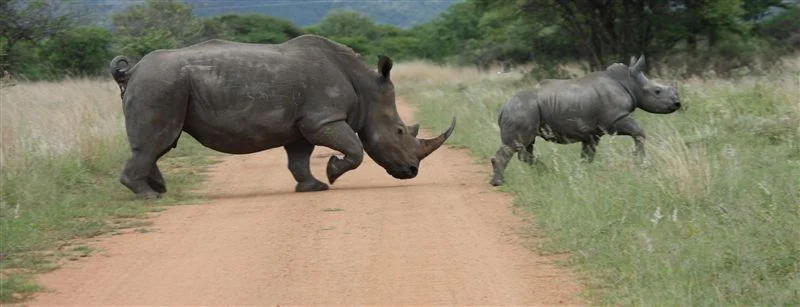
For the modern traveler, the term "safari" has evolved. No longer is it merely about checking off the "Big Five" from a bucket list; it is about immersion, conservation, and the profound silence of untamed landscapes. As global tourism trends shift toward responsible travel, Tanzania’s Southern Circuit is emerging as the premier destination for those seeking a genuine connection with nature, far from the madding crowds of the north.
The Shift Toward Ecotourism: A New Paradigm
Tanzania, a land synonymous with vast savannahs and towering volcanic peaks, is strategically pivoting its tourism infrastructure toward ecotourism. While the Northern Circuit—comprising the Serengeti and Ngorongoro Crater—has long dominated the industry, the Southern Circuit offers a more secluded, authentic, and environmentally conscious alternative.
Destinations such as Nyerere National Park (formerly Selous), Ruaha, and Mikumi are becoming the vanguard of this movement. These areas prioritize low-impact, high-value experiences that support local economies and wildlife preservation. By opting for the Southern Circuit, travelers are not just visiting a park; they are participating in a conservation effort that protects some of the largest wilderness areas in Africa.
Exploring the Southern Circuit: A Chronology of Discovery
To understand the rise of the Southern Circuit, one must look at the evolution of the regional infrastructure.
- The Early Era: Historically, the vast Selous Game Reserve was relegated to specialized hunting blocks and limited fly-in safaris. Accessibility was a significant barrier for the average international traveler.
- The Mid-Development Phase: The integration of the TAZARA railway route and improved road access to Mikumi and Udzungwa Mountains began to draw adventurous hikers and backpackers. This period marked the birth of "rugged" ecotourism in the region.
- The Current Era: Today, we see a sophisticated network of eco-lodges that balance luxury with sustainability. The focus has shifted toward 10-day intensive itineraries that allow visitors to deeply integrate into the local ecosystem.
Supporting Data: Why the 10-Day Itinerary is the Gold Standard
Travel experts at Kilimanjaro Tanzanite Safaris DMC argue that a 10-day itinerary is the "sweet spot" for Southern Circuit exploration. Shorter trips often result in rushed logistics, which increases carbon footprints and decreases the quality of wildlife observation.
Data suggests that a 10-day cycle allows for:
- Optimal Acclimatization: In mountainous regions like Udzungwa, time is required for physical adjustment.
- Economic Efficiency: By staying in specialized eco-lodges, travelers reduce their total trip costs compared to the high-demand, high-price points of the Northern Circuit.
- Wildlife Patterns: A longer duration increases the statistical probability of observing rare species, such as the African wild dog or the sable antelope, which are more prevalent in the south.
Bridging the Gap: The Combo Travel Revolution
While the South is the rising star, the North remains an essential component of the Tanzanian experience. To satisfy the demand for both, industry leaders have pioneered "Combo Travel Packages." These itineraries, spanning from 9 to 16 days, bridge the gap between the ecological wonders of the North (Serengeti, Ndutu, Tarangire) and the raw, untamed nature of the South.
This hybrid approach allows travelers to experience the migration in the Serengeti while also enjoying the serene, uncrowded riverbanks of the Ruaha. It is a strategic move that distributes tourism revenue more evenly across the country, reducing the pressure on singular hotspots and encouraging better wildlife management practices.
Official Responses and Industry Standards
As interest in these regions grows, tour operators like Kilimanjaro Tanzanite Safaris DMC have taken a proactive stance on professional standards. The company emphasizes that the key to a successful safari is not just the destination, but the delivery of the experience.
"We focus on the integrity of the travel experience," says a spokesperson for the agency. "When we arrange a photographic safari, we don’t just provide a vehicle; we provide a mobile studio. Our fleet of upgraded Toyota Land Cruisers—featuring pop-up and open-roof configurations—is designed specifically for the needs of filmmakers and professional photographers who require stability and clear lines of sight."
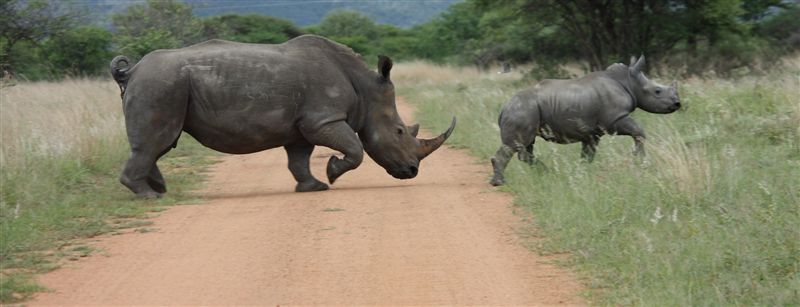
The company stresses that responsible tourism is the core of their operational philosophy. This includes advising clients on the "best time to go," ensuring that tourism peaks do not interfere with breeding seasons, and emphasizing the "Leave No Trace" protocol during hiking expeditions on Mount Kilimanjaro.
Implications for the Future of Kilimanjaro Trekking
Ecotourism in Tanzania extends beyond the savannahs to the slopes of Mount Kilimanjaro. The challenge here is balancing the influx of trekkers with the fragile alpine environment.
Successful Kilimanjaro expeditions are now defined by:
- Preparation: Pre-climb training and cardiovascular readiness.
- Route Selection: Choosing trails like Lemosho or Shira, which are known for better acclimatization profiles and less environmental congestion.
- Safety Protocols: The integration of medical oxygen, advanced monitoring equipment, and experienced guides who prioritize the health of the climber over the summit goal.
The implication for the industry is clear: the era of "mass-market" climbing is fading. It is being replaced by a more disciplined, education-heavy approach where the climber is informed of the ecological sensitivity of the mountain.
Photographic Safaris: Capturing the Wild Responsibly
For filmmakers and wildlife photographers, the Southern Circuit offers a pristine canvas. However, the logistics of a film crew are vastly different from those of a casual tourist.
Industry standards now mandate that film crews:
- Use Low-Emission Vehicles: Modernized Toyota Land Cruisers with cleaner engine standards.
- Strategic Positioning: Utilizing knowledge of animal behavior to minimize disturbance during high-action sequences.
- Local Knowledge: Employing scouts who understand the specific migratory patterns of the southern herds, ensuring the best footage with the least intrusion.
How to Plan Your Sustainable Safari
If you are planning an African safari, the wealth of information can be overwhelming. Experts suggest a systematic approach to booking:
- Define Your Priorities: Are you looking for high-intensity wildlife viewing, cultural immersion, or physical adventure?
- Consult Specialists: Use a Destination Management Company (DMC) that specializes in ecotourism. They will have the local relationships necessary to secure permits and lodges that align with your ethical values.
- Packing Lists: Always check the specialized packing list for the specific circuit you are visiting. The gear required for a 10-day Southern safari is significantly different from what you would need for a Kilimanjaro summit.
- Advance Discussion: Never book without a consultation regarding the "season of adventure." Understanding the weather, the movement of the rains, and the status of the trails is critical to avoiding a disappointing experience.
Conclusion: A Call to Responsible Stewardship
Tanzania’s commitment to the Southern Circuit is a testament to the country’s vision for the future of travel. By dispersing tourism, protecting wilderness corridors, and promoting the "slow travel" movement, Tanzania is setting a global benchmark for how a nation can utilize its natural assets to generate wealth without sacrificing its ecological integrity.
For the traveler, the choice is simple: choose a safari that contributes to the landscape rather than depleting it. Whether it is trekking the slopes of Kilimanjaro or conducting a silent photographic watch in the heart of Nyerere, the Southern Circuit offers an invitation to participate in the most significant conservation story of our time.
The wild is waiting, and for those who choose to tread lightly, the rewards are infinite. It is time to look beyond the brochure and into the heart of the landscape, where the true spirit of Africa remains, resilient and breathtakingly beautiful.
 Raul Delapena Setiawan
  Layla Zulfa
  Neng Nana