

By Editorial Staff
Iceland has long occupied a unique position in the global tourism landscape. Positioned at the literal crossroads of the North Atlantic and Arctic Oceans, this volcanic island nation offers an otherworldly topography that draws millions of travelers annually. However, the logistical complexity of the country often catches novice travelers off guard.
In a recent comprehensive feature, travel expert and contributor KyAnn Lewis distills years of personal experience and multiple expeditions into a masterclass on Icelandic travel. For families and adventure seekers alike, understanding the nuances of this volatile, beautiful environment is not merely a suggestion—it is a prerequisite for a safe and successful journey.
Main Facts: The Reality of Icelandic Travel
The fundamental reality of Iceland is that it is a destination dictated by nature. Unlike metropolitan European hubs, where infrastructure often shields the visitor from the elements, Iceland’s landscape—comprised of glaciers, active volcanoes, shifting tectonic plates, and unpredictable weather patterns—demands respect.
KyAnn Lewis emphasizes that the "spontaneous road trip" model, while romanticized in travel media, can be a recipe for disaster if not anchored by rigorous preparation. Key takeaways from her findings include:
- Environmental Volatility: Weather in Iceland can shift from clear skies to blizzard conditions within minutes.
- Logistical Planning: Popular sites like the Golden Circle or the South Coast require advanced booking for accommodations and vehicle rentals, particularly during the high season (June–August).
- Economic Realities: Iceland is consistently ranked as one of the most expensive travel destinations globally. Budgeting for fuel, food, and emergency reserves is essential.
- The "Safety First" Protocol: Many tourists underestimate the dangers of the terrain, specifically regarding black sand beaches with "sneaker waves" and glacial hiking, which require professional guides.
Chronology: The Evolution of an Icelandic Itinerary
To understand how to visit Iceland effectively, one must look at the progression of the travel experience. Lewis’s accounts suggest a distinct evolution in how travelers approach the country:
Phase 1: The Initial Discovery
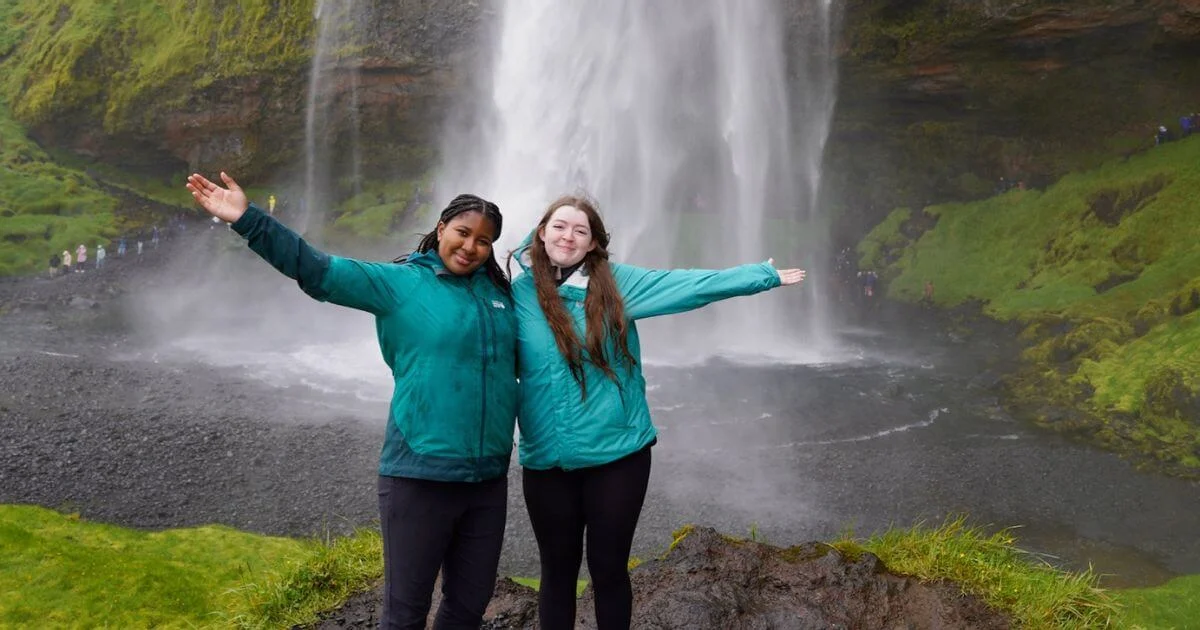
Most travelers arrive in Iceland with a "Bucket List" mindset. They flock to the Blue Lagoon, Thingvellir National Park, and the Skógafoss waterfall. This phase is characterized by high energy and a reliance on popular, well-trodden paths.
Phase 2: The Lesson of Logistics
After the first trip, the reality sets in. Travelers realize that the "Ring Road" (Route 1) is a massive undertaking. Many discover that trying to see the entire island in five days results in exhaustion and a lack of genuine connection to the landscape. This phase marks the transition to "slower" travel, where tourists begin to favor specific regions—such as the Snæfellsnes Peninsula or the East Fjords—over the entire island.
Phase 3: Mastery and Preparation
By the third or fourth visit, the traveler abandons the tourist-heavy summer months for the "shoulder seasons." This is when the true value of the Icelandic experience emerges. Mastery, as Lewis notes, involves knowing exactly when to pack thermal layers, understanding the local etiquette regarding hot springs, and respecting the delicate moss-covered landscapes that can take decades to recover from a single boot print.
Supporting Data: Why Preparation Matters
The surge in Icelandic tourism has been well-documented. According to the Icelandic Tourist Board, the country has seen a massive influx of visitors over the last decade, leading to significant strain on infrastructure.
- The Weather Variable: Meteorological data from the Icelandic Met Office (Veðurstofa Íslands) indicates that wind speeds exceeding 20 meters per second are common in the winter, leading to frequent road closures. Travelers who ignore weather warnings are frequently the subjects of search-and-rescue operations.
- Infrastructure Stress: With the volume of visitors often exceeding the total population of Iceland, rural areas face challenges with waste management and trail erosion. Sustainable tourism is no longer a buzzword; it is a necessity.
- The Cost Index: Travelers should expect to pay a premium for fresh produce and imported goods. Expert advice consistently points toward utilizing local grocery stores (such as Bónus or Krónan) rather than relying on dining out for every meal to keep costs manageable.
Official Responses and Expert Perspectives
Local authorities and the Icelandic tourism industry have responded to the rapid growth of the sector by implementing stricter safety guidelines. The "SafeTravel.is" initiative, spearheaded by the Icelandic Association for Search and Rescue, serves as the gold standard for visitor preparedness.
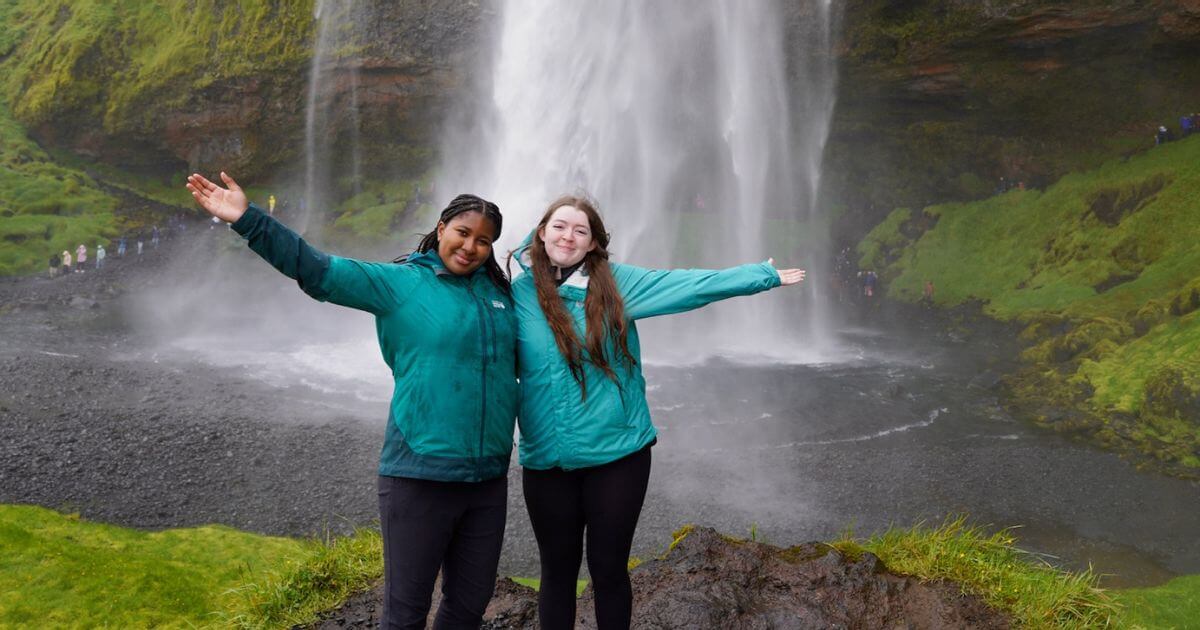
"The landscape is the attraction, but it is also the hazard," noted one representative from the local tourism council. "Visitors who arrive thinking they are in an amusement park often find themselves in a wilderness environment. Our goal is to shift the narrative from ‘passive sightseeing’ to ‘informed exploration.’"
KyAnn Lewis echoes this sentiment, stressing that the responsibility lies with the traveler. By researching road conditions, wearing high-quality waterproof gear, and acknowledging the limitations of a standard rental car, the visitor transforms from a liability into a steward of the land.
Implications: The Future of Icelandic Tourism
The implications of these "lessons learned" are profound for the future of travel. As climate change continues to affect the glacial landscapes of Iceland, the way we visit these sensitive ecosystems must adapt.
1. The Shift to Off-Season Travel
The "over-tourism" of the Golden Circle in July has led to a push for winter and shoulder-season exploration. While the daylight hours are shorter, the rewards—the Northern Lights, the lack of crowds, and the stark, snowy beauty—are arguably superior for the seasoned traveler.
2. Digital Preparation
The reliance on mobile apps for real-time weather updates and road conditions has become mandatory. The implication is clear: if you cannot navigate the technology provided by local authorities, you are not prepared for the Icelandic road.
3. Ethical Tourism
The final, and perhaps most important, implication is the duty to leave no trace. Iceland’s ecosystem is fragile. Future travelers are expected to stay on marked trails and respect the "no off-roading" laws, which are strictly enforced with heavy fines.
Conclusion: The Wisdom of Return
KyAnn Lewis’s insights highlight that Iceland is not a "one-and-done" destination. It is a place that rewards return visits and deep study. The first trip is for the eyes; the second is for the soul; the third is for the understanding of the land’s true, untamed character.
Whether you are planning your first excursion or returning to uncover the hidden gems of the Westfjords, the mantra remains the same: Plan, Prepare, and Protect. By approaching Iceland with humility and the right information, travelers can ensure that this pristine environment remains available for generations to come.
For those looking to dive deeper into the logistical specifics of packing, vehicle selection, and itinerary planning, we highly recommend reading the full guide by KyAnn Lewis at KidTripster. It remains one of the most honest, practical, and well-researched resources for families navigating the unique challenges of the North Atlantic.
Safe travels, and may the wind be at your back as you navigate the rugged terrain of the North.
 Sagoh
Sagoh  Nila Kartika Wati
  Evan Lee Salim