

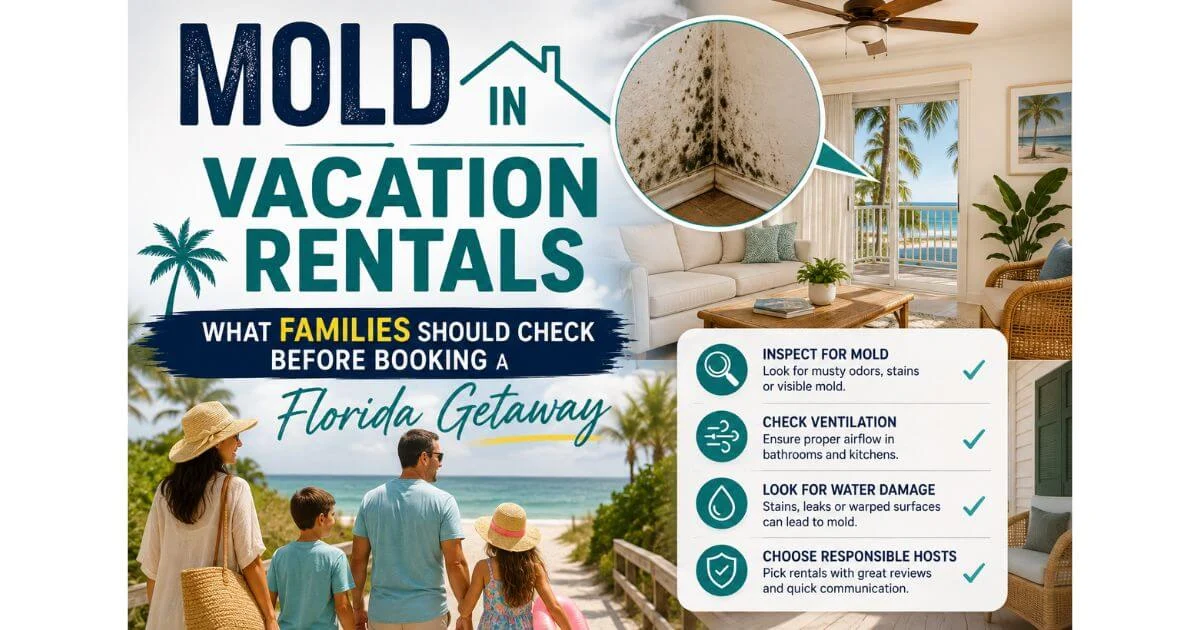
For families planning a Sunshine State getaway, the dream is universal: sun-drenched beaches, crystal-clear pools, and a comfortable home base for memory-making. However, beneath the surface of many high-rated vacation rentals lies an invisible, often overlooked challenge that can transform a dream vacation into a health crisis: mold.
As vacation rental inventory expands across Florida, the intersection of subtropical climate, seasonal storm activity, and the operational realities of the hospitality industry has created a perfect environment for moisture-related issues. For the average traveler, a musty odor might be a fleeting nuisance; for children, seniors, or those with underlying respiratory conditions, it can be a significant health hazard. Understanding how to identify, address, and avoid these conditions is now an essential skill for the modern family traveler.
The Science of the Subtropics: Why Florida is a Hotspot
Florida’s climate is defined by high humidity and warm temperatures—the two primary catalysts for fungal growth. When a property remains unoccupied between bookings, particularly if the air conditioning is set to an energy-saving high temperature or turned off entirely, the indoor air becomes stagnant. This creates a "dew point" scenario where moisture settles on surfaces, seeps into drywall, and fosters microbial growth.
The situation has been exacerbated by recent, intense hurricane seasons. Major weather events, including 2022’s Hurricane Ian and the back-to-back impacts of Hurricanes Helene and Milton in 2024, have left a lasting mark on the state’s housing stock. While structural repairs are often performed to restore functionality, improper remediation—such as painting over water-damaged drywall or failing to address hidden moisture behind baseboards—has left many units vulnerable to recurring mold issues.
Chronology of a Rental Crisis: From Booking to Check-in
The progression of a mold-related vacation issue typically follows a predictable, albeit frustrating, timeline:
- The Digital Illusion: Guests view professional photography, read cherry-picked reviews, and book a property. The "vibe" of the listing often obscures subtle clues regarding maintenance standards.
- The Arrival: The guest unlocks the door. The initial sensation of a "heavy" or "damp" atmosphere is often ignored in the excitement of arrival.
- The Realization: After several hours, the reality sets in. The smell does not dissipate; instead, symptoms such as sneezing, congestion, or headaches may begin to manifest among sensitive family members.
- The Confrontation: The guest must decide whether to ignore the issue, attempt a minor cleaning, or initiate a difficult conversation with the property manager.
- The Resolution: Ideally, the host provides a solution. Unfortunately, in peak season, rebooking can be difficult, leaving families in a precarious position regarding their travel budget and safety.
Strategic Due Diligence: How to Vet Before You Book
Protecting your family starts long before you pack your bags. Savvy travelers now employ a "forensic" approach to reading listing reviews.
- Keyword Filtering: Do not just read the five-star reviews. Search the review history for specific terms: "musty," "damp," "mildew," "leaks," or "water stain." A single mention in a sea of positive feedback might be an outlier, but multiple mentions—or reports of recent flooding—are red flags.
- Direct Inquiry: Contact the host or property manager with specific, professional questions. Ask: "Has the property experienced any water intrusion or flooding in the last 12 months?" and "When was the HVAC system last professionally serviced?" A host who answers with transparency is a host who likely manages their property with the same level of care.
- Location Awareness: Be particularly cautious with older properties located in low-lying coastal areas or those that have recently undergone extensive post-storm renovations.
The Ten-Minute Arrival Protocol
Upon entering your rental, treat the first ten minutes as a mandatory inspection period. Drop your bags, open the windows to allow for airflow, and conduct a systematic check:
- The Olfactory Test: Does the room smell "fresh" or does it smell "heavy"? A smell that persists after a few minutes of ventilation is a warning sign.
- The Visual Audit: Inspect the "hot spots": the corners of bathroom ceilings, the grout in showers, the interior of kitchen cabinets beneath the sink, and the baseboards throughout the home.
- Signs of Trouble: Look for bubbling paint, warped or "wavy" baseboards, and any dark, fuzzy, or discolored patches. These are clear indicators of moisture trapped behind the finishings.
Implications: When to Escalate
If you discover significant evidence of mold, the most critical piece of advice is: do not attempt to clean it yourself.
Attempting to scrub away large patches of mold can release millions of spores into the air, potentially exacerbating respiratory distress. Furthermore, you are not responsible for the maintenance of the property. Document your findings with clear, well-lit photographs and contact the host or the booking platform immediately in writing.
By keeping the communication on the platform’s messaging system, you ensure that you have a documented record should you need to request a refund or a relocation. Most reputable hosts and professional management companies prioritize their reputation and will strive to find alternative accommodations rather than risk a negative review or, worse, a health liability.
Professional Remediation Standards
When a property is identified as having mold, it is not a "DIY" situation. Professional remediation involves more than a spray bottle and a rag. It requires adherence to industry-standard protocols, such as those established by the IICRC (Institute of Inspection, Cleaning and Restoration Certification).
Standards like the S520 guide professionals in the safe containment of the affected area, the professional removal of contaminated porous materials (like drywall or carpeting), and the verification of air quality through clearance testing. For residents and visitors in areas like Naples, firms such as Mr. Mold Removal emphasize that the goal is not just "cleaning," but restoring the indoor air quality to a safe, breathable state.
Frequently Asked Questions (FAQ)
Q: Is it reasonable to cancel a reservation due to mold?
A: Yes. If the presence of mold is significant and poses a health risk, and the host cannot provide an immediate, safe solution, you are within your rights to seek a cancellation. Ensure you have documented the issue and informed the booking platform to facilitate the process.
Q: Why do some hosts seem dismissive of mold concerns?
A: Often, it is a result of "nose blindness." People who live in high-humidity climates may become accustomed to a faint musty smell, mistaking it for the natural scent of the region. This does not make it safe, but it does explain why a host might be defensive. Frame your concerns around health, particularly for children or those with asthma, to emphasize the severity.
Q: Are certain types of mold more dangerous than others?
A: While the media often focuses on "toxic black mold," the reality is that any mold growth indicates a moisture problem that shouldn’t be present in a healthy living environment. All indoor mold should be treated as a potential irritant, especially for the elderly, young children, and those with compromised immune systems.
Q: Can I use an air purifier to fix the problem?
A: A high-quality HEPA air purifier can help reduce the concentration of airborne spores, but it is a temporary "band-aid" and does not solve the root cause. If the source of the moisture is not addressed, the mold will continue to grow regardless of how much you filter the air.
Conclusion: Traveling with Confidence
The existence of mold in vacation rentals is an unfortunate reality of the subtropical hospitality market, but it does not mean your family cannot enjoy the beauty of Florida. By moving from a passive traveler to an observant one—by vetting properties, listening to your instincts, and refusing to settle for unhealthy conditions—you can safeguard your family’s well-being.
Remember, you are the customer. You are paying for a safe, comfortable, and healthy environment. When you hold your accommodations to a high standard, you not only protect your own health but also encourage the broader rental industry to prioritize maintenance, transparency, and professional remediation. Your peace of mind is worth the extra ten minutes of inspection upon arrival.
 Sagoh
Sagoh  Nila Kartika Wati
  Evan Lee Salim