

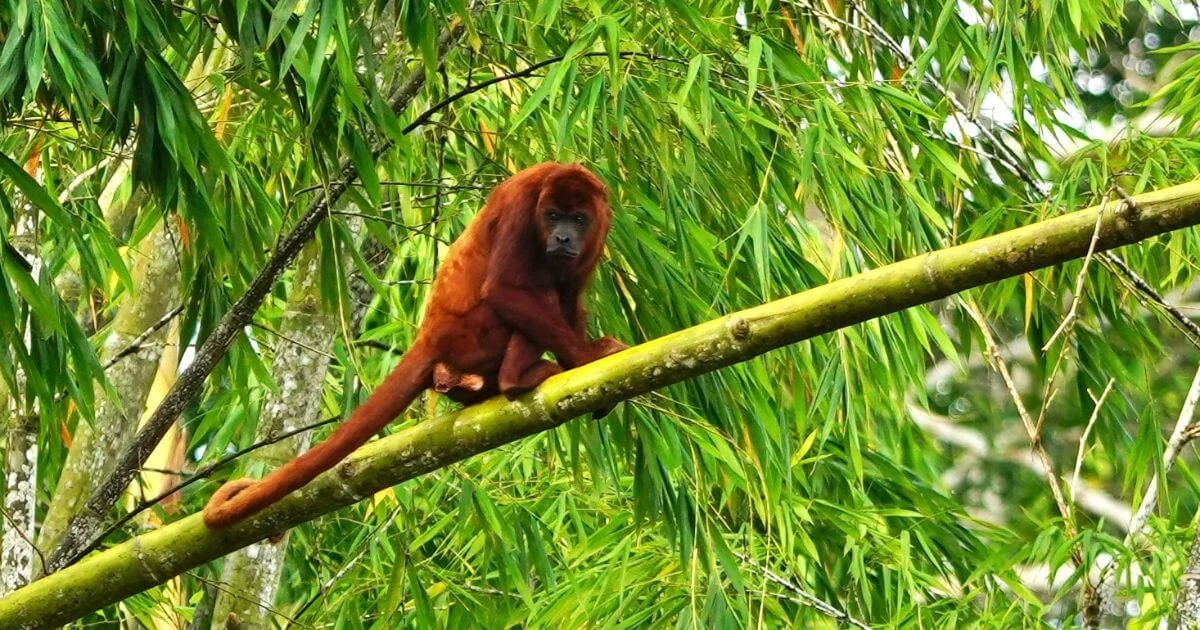
The Amazon Rainforest is not merely a destination; it is the planet’s greatest biological theater. Spanning millions of square kilometers, the basin serves as the lungs of the Earth and a sanctuary for roughly ten percent of the world’s known species. Recently, travel journalist Shellie Bailey-Shah ventured into the Ecuadorian segment of this vast wilderness aboard the Anakonda Amazon Cruise’s Manatee, documenting an expedition that serves as a masterclass in immersive, family-oriented ecotourism.
In an era where "expedition travel" is often diluted, the experience aboard the Manatee underscores the necessity of expert guidance. As Bailey-Shah notes, the guides act as "seers," decoding the dense, verdant wall of the rainforest to reveal the hidden narratives of the creatures that call it home. Below is a comprehensive look at the realities, logistics, and profound wildlife encounters that define the modern Amazonian expedition.
The Geography of Wonder: Main Facts About the Ecuadorian Amazon
The Ecuadorian Amazon, while smaller in scale than the Brazilian expanse, offers a distinct advantage: high biodiversity density. Due to its proximity to the Andes Mountains, the region benefits from varied micro-climates, creating a "hotspot within a hotspot."
- Biodiversity: This region is home to over 1,600 bird species, 350 reptiles, and an estimated 16,000 tree species.
- Logistics: Most expeditions originate from the gateway city of Coca, where travelers transition from commercial flights to motorized river vessels.
- The Vessel Experience: The Manatee operates as a floating base camp. This is a critical distinction in Amazonian travel; by living on the river, guests minimize transit time to remote areas, allowing for dawn and dusk excursions when wildlife activity is at its peak.
Chronology of the Expedition: A Day-by-Day Encounter
An Amazonian cruise is structured around the rhythms of the river. The following chronology outlines the typical flow of such an expedition, reflecting the "Nat Geo moments" described by Bailey-Shah.
Day 1-2: The Gateway to the Canopy
Upon arrival, the sensory shift is immediate. The air is heavy with humidity and the cacophony of cicadas. The first two days are typically spent adjusting to the "jungle time"—a slower pace where observation is the primary objective. Initial excursions often involve trekking through the terra firme forest to understand the hierarchy of the canopy.
Day 3: The Aquatic Giants
The highlight for many is the search for the Amazon River Dolphin (Inia geoffrensis). Known for their distinctive pink hue, these mammals are elusive. A successful sighting requires patience, silence, and the keen eyes of an indigenous guide who understands the eddies and currents of the blackwater tributaries.
Day 4-5: The Predator’s Domain
Venturing into the oxbow lakes provides a glimpse into the predatory hierarchy. Here, the focus shifts to the piranha. Contrary to cinematic portrayals, piranhas are essential scavengers. Educational catch-and-release programs are often utilized to teach families about the anatomy and ecological importance of these fish.
Day 6: The Night Shift
The Amazon is two different worlds: day and night. Night walks are essential for spotting caimans, tree frogs, and the elusive kinkajou. The use of infrared torches and specialized spotting techniques turns the forest floor into a high-stakes scavenger hunt.
Day 7: Cultural Integration
No expedition is complete without engaging with the local communities. Indigenous Kichwa communities share traditional knowledge of medicinal plants and sustainable fishing, providing a necessary human context to the wildlife encounters.
Supporting Data: Why the Amazon Matters
The importance of these expeditions extends beyond tourism. Data from the World Wildlife Fund (WWF) suggests that ecotourism provides a vital economic alternative to logging and oil extraction in the Amazon basin.
- Conservation Revenue: Studies indicate that for every $1,000 spent on eco-expeditions, a significant portion is funneled into park maintenance and local community cooperatives.
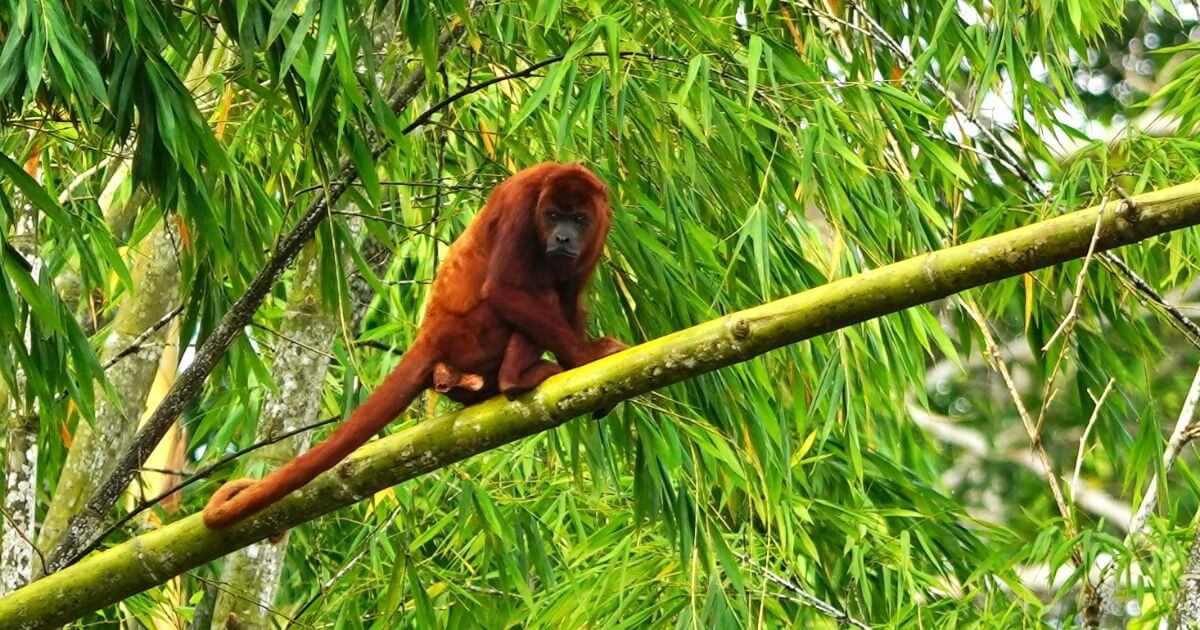
- Species Monitoring: Travelers on vessels like the Manatee often contribute to "citizen science." By logging sightings of rare species (such as the Harpy Eagle or Giant River Otter) via apps like iNaturalist, guests provide researchers with valuable distribution data.
- Carbon Footprint: The Anakonda cruise lines have implemented waste-management protocols to ensure that river health is not compromised, keeping water toxicity levels well below the thresholds that would threaten aquatic life.
Official Responses and Expert Perspectives
Experts in tropical biology emphasize that the "unforgettable" nature of these trips is rooted in the quality of the guides. Dr. Elena Rocha, a tropical ecologist, explains, "Without an interpreter, the Amazon is just a wall of green. With a trained naturalist, that wall becomes a story. The ‘seers’ mentioned by travelers are the bridge between the casual observer and the complex biological reality."
The cruise operators themselves emphasize safety and environmental ethics. In official statements regarding their operation, the Anakonda Amazon management notes: "Our mission is to foster a ‘conservation-first’ mindset. By bringing families face-to-face with the fragility of the pink dolphin or the complexity of the piranha, we are creating the next generation of environmental advocates."
Implications: The Future of Family Travel in the Amazon
The rise of educational family travel into remote ecosystems has profound implications for both the industry and the environment.
The Shift Toward "Slow Travel"
There is a growing trend away from superficial sightseeing. Families are now seeking depth—they want to understand the life cycle of the forest, not just check species off a list. This shift encourages tour operators to prioritize longer stays and more educational programming.
Ethical Considerations
With increased interest comes the risk of over-tourism. It is imperative that families choose operators who hold sustainable certifications. The focus must remain on "low-impact" interaction, ensuring that the wildlife is never lured or harassed for the sake of a photograph.
The Educational Value
For children, these encounters provide a tangible connection to the abstract concept of "climate change" or "biodiversity loss." Seeing a primary rainforest in its pristine state is a transformative educational experience that no classroom simulation can replicate.
Conclusion: Lessons from the River
Shellie Bailey-Shah’s chronicle of the Amazon serves as a poignant reminder of what is at stake. When we speak of "unforgettable moments," we are often speaking of our own vulnerability in the face of nature’s vastness. Whether it is the flash of a pink dolphin breaching the surface or the unsettling thrill of hearing the jungle come alive at night, these moments anchor our perspective.
As travelers return to their daily lives, the implications of these trips remain. The Amazon is not just a backdrop for a vacation; it is a vital, living system that requires protection. For families lucky enough to experience the Manatee’s route, the takeaway is clear: the Amazon is "more" than we can ever imagine, and it is a responsibility for all who visit it to ensure that those "unforgettable moments" remain available for generations to come.
To read the full account of Shellie Bailey-Shah’s journey and to view her photography, visit KidTripster.
 Sagoh
Sagoh  Evan Lee Salim