

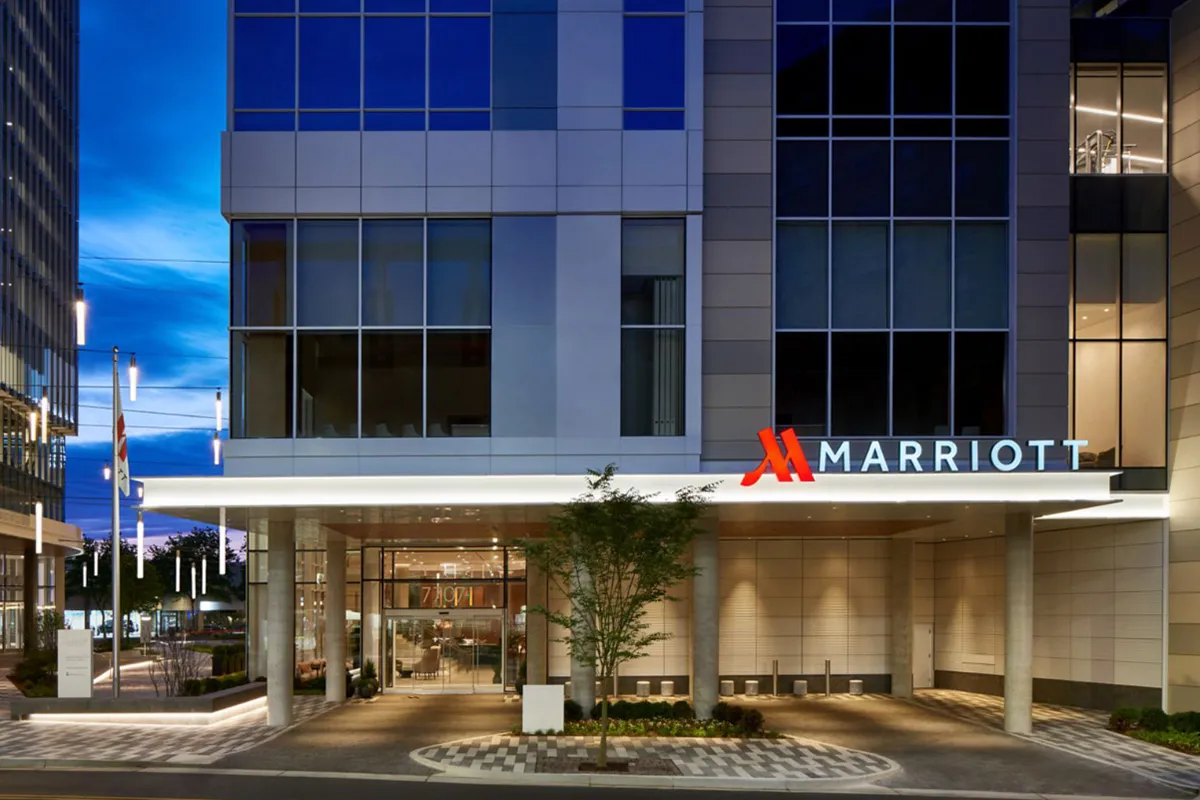
BETHESDA, Md. — Marriott International, the world’s largest hotel chain by room count, has confirmed a restructuring initiative that involves a reduction in its global corporate workforce. The announcement, made Wednesday, marks a significant shift in the operational strategy for the hospitality giant, which has spent the last several years navigating the post-pandemic recovery and the complexities of a hybrid-work era.
While the company has remained tight-lipped regarding the specific number of employees impacted, internal discussions and reports from personnel across various digital platforms indicate that the layoffs are concentrated in administrative and support functions. These include human resources, information technology, guest relations, and quality assurance departments.
Main Facts: The Scope of the Restructuring
The decision to trim corporate headcount reflects an ongoing effort by Marriott leadership to streamline operations and enhance organizational efficiency. According to the company’s official statement, the workforce reduction is limited exclusively to "corporate disciplines" and does not extend to property-level hotel staff. This distinction is critical, as it suggests the company is aiming to preserve the guest-facing experience while recalibrating the overhead costs associated with managing its massive global portfolio.
The layoffs come at a time when the hospitality industry is facing a delicate balancing act. While travel demand has largely rebounded to, and in some markets exceeded, pre-pandemic levels, the macroeconomic environment remains volatile. High interest rates, inflationary pressures on operational costs, and shifting corporate travel patterns have forced major players to scrutinize their balance sheets with heightened rigor.
Chronology: The Road to the Announcement
To understand the current layoffs, one must look at the trajectory of Marriott’s organizational health over the past four years.
- Early 2020: The onset of the COVID-19 pandemic forced a near-total cessation of global travel. Marriott, like its competitors, implemented immediate, large-scale furloughs and job cuts to survive the sudden evaporation of revenue.
- 2021–2022: As travel resumed, Marriott focused on a "rebound" strategy. The company aggressively rehired, though it faced labor shortages that plagued the entire hospitality sector. During this period, the focus was on volume—getting rooms cleaned and operations back to full capacity.
- 2023: Marriott relocated its global headquarters to a new, state-of-the-art facility in Bethesda, Maryland. This move symbolized a "new chapter" for the brand, emphasizing modernization and technological integration.
- 2024 (Q1-Q3): Throughout the current year, Marriott executives have consistently highlighted "margin expansion" as a key priority. On recent earnings calls, leadership indicated that they were examining ways to leverage technology, particularly AI and automated administrative systems, to lower the cost of managing their global franchise network.
- Wednesday, October 2024: The company officially confirmed the implementation of these corporate-level job cuts, citing a desire to "streamline" the organization.
Supporting Data and Industry Context
The hospitality industry is currently undergoing a "digital transformation" that is redefining the necessity of certain corporate roles. Data from industry analysts suggests that large hotel conglomerates have been over-investing in legacy IT and administrative layers that are no longer as necessary due to advancements in cloud computing and centralized guest management platforms.
According to recent financial filings, Marriott operates or franchises more than 8,700 properties across 139 countries and territories. Managing this vast footprint requires a significant corporate infrastructure. However, the rise of "asset-light" models—where Marriott manages or franchises rather than owns the physical real estate—means the company is essentially a brand and management machine.
When a company like Marriott trims its IT or HR staff, it is often a signal that they are shifting these processes toward automated or outsourced models. Industry experts note that the "quality assurance" roles being cut are increasingly being replaced by data-driven analytics platforms that can monitor guest satisfaction scores in real-time, reducing the need for manual oversight teams.
Official Responses: The Corporate Stance
In a formal statement provided to media outlets, a Marriott spokesperson addressed the rationale behind the decision:
"As part of Marriott International’s ongoing efforts to streamline our operations and support our global growth, we are making changes to some corporate disciplines. These adjustments are intended to ensure our corporate structure is as efficient and effective as possible, allowing us to continue delivering the world-class service our guests expect. We are committed to supporting our departing colleagues through this transition with severance and outplacement services."
The statement notably omitted specific headcount figures, a common practice for publicly traded firms attempting to manage investor sentiment while simultaneously navigating the public relations fallout of a workforce reduction. By emphasizing that hotel-level staff are "not affected," the company is clearly attempting to insulate the consumer brand from the negative perception of these corporate cuts.
Implications for the Hospitality Sector
The ripple effects of this announcement are likely to be felt across the broader travel and hospitality landscape.
1. The "Efficiency-First" Trend
Marriott is not alone. The travel sector is currently in a phase of "right-sizing." Following the post-pandemic hiring frenzy, many companies are now finding their overhead bloated. We can expect other major hotel brands, as well as cruise lines and airlines, to perform similar "efficiency audits" in the coming months.
2. The Impact on Corporate Culture
For the employees remaining at Marriott’s Bethesda headquarters and regional hubs, the atmosphere is likely one of uncertainty. Large-scale corporate layoffs often lead to a "survivor syndrome," where remaining staff are tasked with absorbing the responsibilities of those who were let go. This can lead to burnout, potentially affecting the quality of the corporate support provided to franchisees and managed properties.
3. Technological Displacement
The specific mention of IT and quality assurance roles suggests that Marriott is accelerating its move toward a "tech-heavy" corporate model. By investing in artificial intelligence to handle guest complaints and backend administrative tasks, the company is betting that software can do the job of mid-level corporate managers more cheaply and reliably.
4. Franchisee Relations
Marriott’s model relies heavily on its relationships with hotel owners and franchisees. These owners pay fees to Marriott for the brand’s services—including the very HR, IT, and quality assurance departments now facing cuts. If owners feel that the "corporate service" provided by Marriott is declining in quality due to these layoffs, it could create friction in contract renewals and future development deals.
Future Outlook: What Lies Ahead
As Marriott enters the final quarter of the year, all eyes will be on their next earnings report. Investors will be looking for proof that these layoffs actually result in the promised margin expansion. If the company can show that it has maintained its high standards of guest satisfaction while reducing its corporate expense ratio, the market will likely view this as a successful operational adjustment.
However, the human cost remains the central focus for observers. As the hospitality industry continues to move toward a highly automated, digital-first future, the role of the human employee—especially at the corporate level—is being fundamentally redefined.
Marriott’s announcement serves as a stark reminder that even in the business of "people serving people," the underlying mechanics of a global corporation are dictated by the relentless pressure to optimize, automate, and streamline. Whether this strategy will pay off in the long term, or whether the loss of institutional knowledge will hinder the company’s ability to innovate, remains to be seen.
For now, the thousands of corporate employees at Marriott International are left to wonder if this is the final round of cuts or if the "streamlining" process is merely the beginning of a larger structural metamorphosis. The company has promised to assist those affected, but for a global workforce of this scale, the transition is inevitably complex, personal, and profoundly impactful on the culture of one of the world’s most recognizable travel brands.
 Lina Irawan
 Layla Zulfa
