

The Amazon Rainforest is not merely a destination; it is the planet’s greatest biological theater. Spanning millions of square kilometers, the basin serves as a sanctuary for roughly ten percent of the world’s known species. However, for the average traveler, the sheer density of the jungle can be overwhelming—a wall of green that often conceals more than it reveals.
In her recent feature, travel journalist Shellie Bailey-Shah demystifies this complex ecosystem, documenting her expedition aboard the Manatee—a vessel operated by Anakonda Amazon Cruises. By prioritizing expert guidance and immersive exploration, Bailey-Shah highlights how the right itinerary can transform a standard vacation into a transformative, "National Geographic-caliber" wildlife odyssey.
The Geography of Biodiversity: Main Facts
The Ecuadorian Amazon, while smaller in scale than its Brazilian counterpart, offers a higher concentration of biodiversity per square kilometer. Located at the intersection of the Andes and the Amazon basin, this region is a "megadiverse" hotspot.
Key facts about this unique environment include:
- Endemism: Many species found here, particularly amphibians and plants, exist nowhere else on Earth.
- The Canopy Layer: Roughly 80% of the forest’s life exists in the canopy, making specialized observation vessels like the Manatee essential for eye-level encounters.
- River Dynamics: The Napo River, a major tributary of the Amazon, serves as the primary artery for exploration, allowing visitors to navigate deep into the Yasuní Biosphere Reserve.
Chronology of an Amazonian Expedition
A typical journey into the Ecuadorian Amazon follows a deliberate rhythm, dictated by the sunrise and the behavior of the forest’s inhabitants.
Day 1: The Transition from Civilization to Wilderness
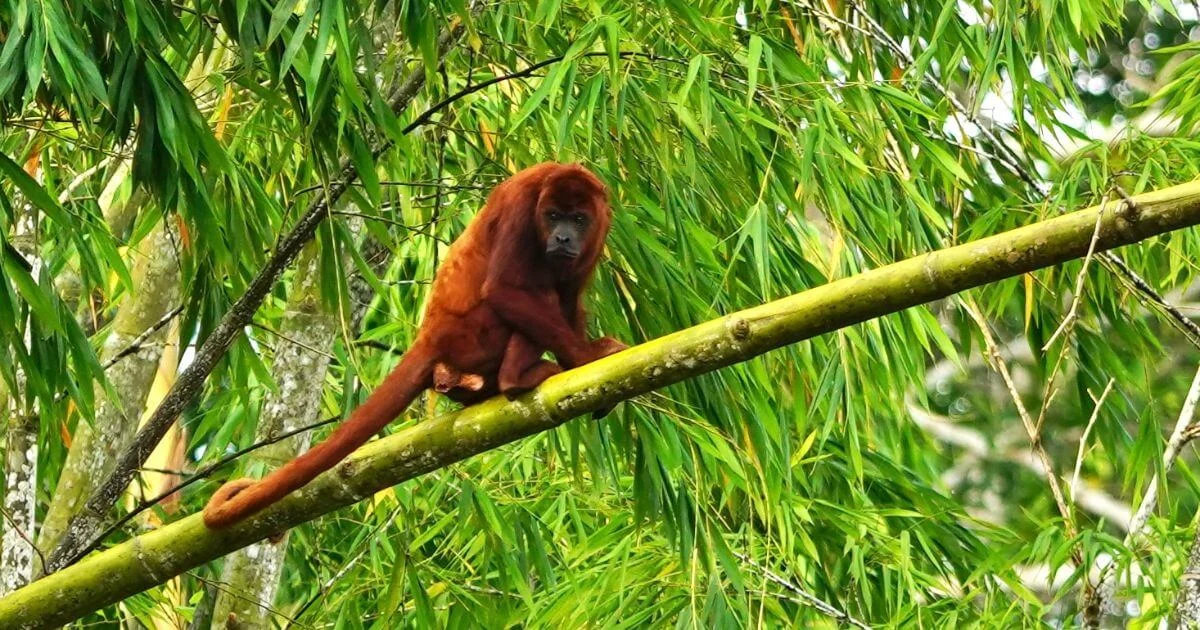
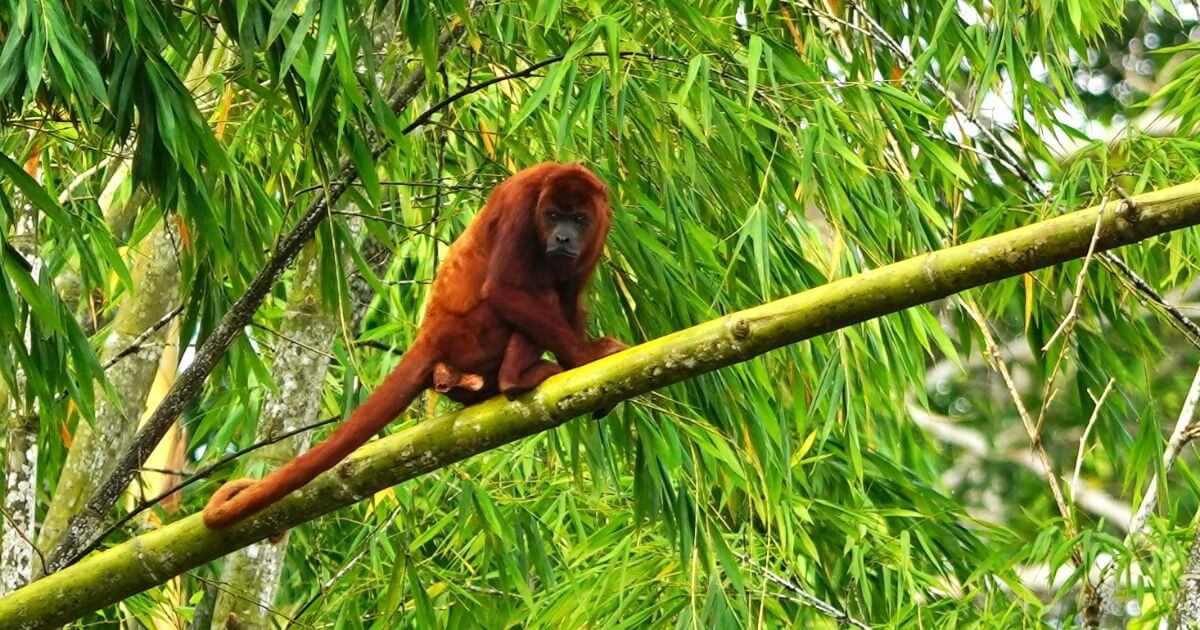
The journey often begins with a flight from Quito to the Coca region, followed by a motorized canoe transfer. The shift is immediate: the cacophony of city life is replaced by the layered, rhythmic drone of cicadas and howler monkeys. As passengers board the Manatee, the focus shifts to the water.
Day 2-3: The Aquatic Realm
The early mornings are spent in skiffs, navigating the blackwater tributaries. It is during these hours that the elusive Pink River Dolphin (Inia geoffrensis) is most active. Unlike their ocean-dwelling cousins, these dolphins are adapted to navigate flooded forests, utilizing their flexible necks to hunt among tree trunks.
Day 4-5: The Predator and the Preyed Upon
Mid-week explorations often shift toward the riverbanks and the infamous piranha fishing excursions. These activities are not merely tourist novelties; they are lessons in ecology. Guides demonstrate the role of apex predators and scavengers in maintaining the health of the river system.
Day 6: Canopy Perspectives
The latter half of the trip involves canopy walks. High-altitude observation towers provide a bird’s-eye view of the forest, allowing for the spotting of macaws, toucans, and the elusive harpy eagle.
Supporting Data: Why the Amazon Matters
The economic and environmental implications of ecotourism in the Amazon are profound. According to recent data from the World Wildlife Fund (WWF) and local Ecuadorian conservation agencies, sustainable tourism is a vital tool for forest preservation.
- Conservation Funding: Ecotourism revenue provides local indigenous communities with an economic alternative to logging and oil extraction.
- Wildlife Monitoring: Guides working with professional tour operators often act as citizen scientists, logging sightings of rare species into regional databases.
- The "Anakonda Effect": Luxury river cruises maintain strict waste-management protocols, ensuring that the footprint left behind in these sensitive habitats is minimized.
The "Seven Unforgettable Moments" Defined
Bailey-Shah identifies seven key moments that define the Amazonian experience for families. These encounters are curated to foster a deep appreciation for the natural world:
- The Pink Dolphin Encounter: Witnessing the prehistoric-looking mammals breaking the surface of the Napo River.
- Piranha Catch-and-Release: Understanding the bite force and feeding habits of the Amazon’s most misunderstood fish.
- The Howler Monkey Chorus: Hearing the haunting, guttural calls that can travel for miles, signaling the start of the jungle day.
- Caiman Night Spotting: Navigating the river by flashlight to see the glowing red eyes of the spectacled caiman.
- Macaw Clay Licks: Observing the spectacular gathering of hundreds of parrots as they consume mineral-rich clay.
- The Canopy Walkway: Gaining a vertical perspective of the forest, viewing orchids and bromeliads that never touch the forest floor.
- Indigenous Community Interaction: Learning about ancestral medicinal plants and the intricate relationship between the Kichwa people and the land.
Official Responses and Conservation Efforts
The operators of the Manatee cruise emphasize that these wildlife moments are never guaranteed; they are the result of patience and a deep understanding of animal behavior.
"The goal is not to force an encounter, but to position our guests within the rhythm of the forest," says a spokesperson for Anakonda Amazon Cruises. "When you stop trying to hunt for the wildlife and instead start listening to the forest, the wildlife reveals itself. Our guides are trained as naturalists first and hospitality staff second. Their expertise in tracking and identification is what turns a simple boat ride into a life-changing educational experience."
Conservationists have praised this approach, noting that it promotes a "stewardship mindset." By connecting families with the realities of the rainforest, operators help foster a new generation of environmental advocates.
Implications for Future Travelers
As global travel patterns shift, there is a growing demand for "purpose-driven" tourism. The Amazon represents the pinnacle of this trend. However, the implication for potential visitors is clear: the environment is fragile.
Choosing the Right Operator
The success of an Amazon trip depends heavily on the quality of the guides. When researching expeditions, travelers should look for:
- Low Passenger-to-Guide Ratios: This ensures that every member of the family receives personalized instruction and spotting assistance.
- Sustainability Certifications: Look for vessels that utilize solar power, advanced water filtration, and support local community initiatives.
- Educational Depth: The best tours include evening lectures and biology briefings, transforming the experience from a sightseeing tour into a wilderness laboratory.
Conclusion: A Call to the Wild
The Amazon is, as Bailey-Shah notes, a place where nature is "more." It is more vibrant, more unpredictable, and more essential to the health of the planet than any other biome. For families, the opportunity to witness a pink dolphin cresting a river or to hear the primal roar of a howler monkey is more than a vacation—it is an investment in wonder.
As we move toward a future where the preservation of such wilderness is increasingly critical, the role of the curious traveler becomes vital. By choosing to visit the Amazon with eyes wide open, respect for the local ecosystem, and a commitment to sustainable practices, families do not just observe the forest; they become part of its ongoing story.
For more information on planning your own expedition into the Ecuadorian Amazon, visit the KidTripster guide for a comprehensive breakdown of itineraries, gear requirements, and logistical tips.
 Neng Nana
  Jia Lissa
  rifanmuazin