

By: Health N Beauty Stuff
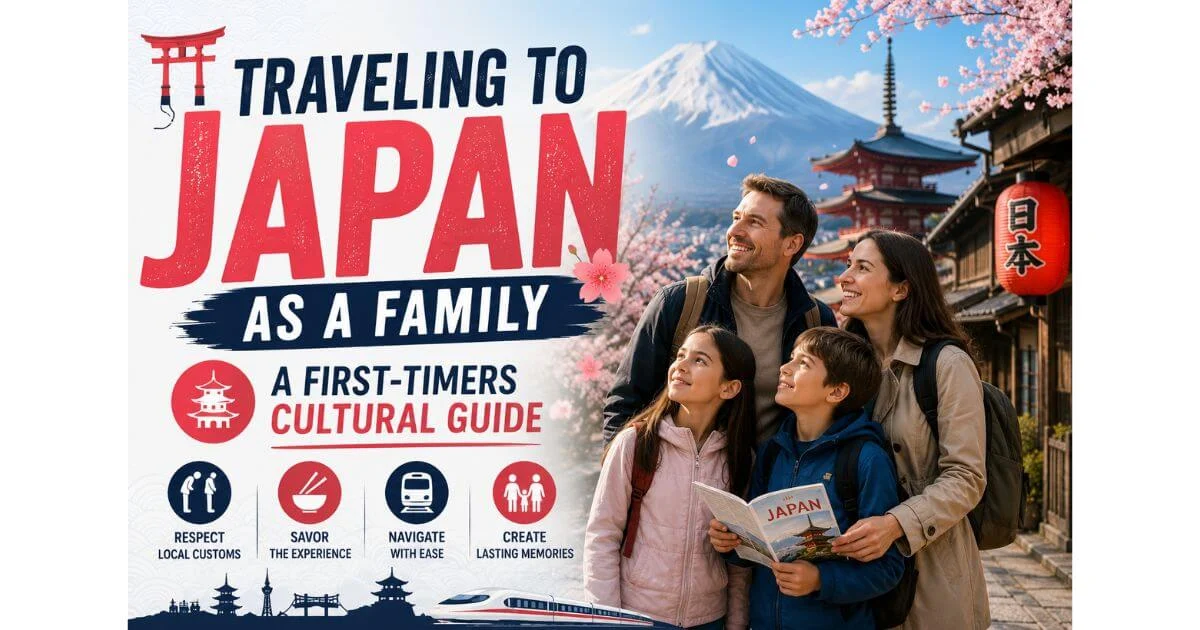
For many parents, the prospect of traveling to Japan—a nation characterized by its complex linguistic heritage, dense urban landscapes like the sprawling Tokyo metropolis, and a deeply ingrained set of social protocols—can feel like an insurmountable challenge. The initial anxiety is understandable: how does one manage a family in a country of nine million people where the language barrier seems daunting?
Yet, those who have ventured across the Pacific often return with a singular, transformative realization: Japan is not merely manageable; it is perhaps one of the most efficient, safe, and family-oriented travel destinations in the world. Within twenty-four hours of arrival, the intimidation dissipates, replaced by an appreciation for a society that functions with clockwork precision. From trains that arrive to the second to pristine streets and the ubiquitous comfort of a vending machine serving warm corn soup on a cold morning, Japan offers a unique blend of high-tech convenience and ancient grace.
The Core Reality: Why Japan Excels at Family Travel
The primary concern for traveling families is often logistical: accessibility, safety, and nourishment. Japan excels in all three. Contrary to the common perception that Japan is an adult-centric, fast-paced business hub, the culture is profoundly accommodating to children.
Infrastructure and Ease of Movement
The Japanese transportation network is a marvel of civil engineering. While the subway maps may appear as a tangled web to the uninitiated, the system is designed for high-volume, seamless transit. For families, the key is the IC card—rechargeable stored-value cards like Suica or Pasmo. These cards eliminate the need to navigate complex fare charts; you simply tap in and tap out.
Public transit in Japan is largely stroller-friendly, with elevators provided at the vast majority of stations. However, savvy travelers often recommend a lightweight "umbrella" stroller or a high-quality child carrier, particularly for the high-density hubs like Shinjuku or Shibuya, where crowds can be immense. Furthermore, children under the age of six typically ride for free on most lines, providing a significant budgetary advantage for large families.
Culinary Accessibility
The stereotype that Japanese cuisine is limited to raw fish and high-end sushi is a common point of anxiety for parents of picky eaters. In reality, Japan offers a diverse culinary landscape that caters to every palate. Family-friendly restaurants, ubiquitous "conbini" (convenience stores), and specialized ramen shops ensure that no child goes hungry.
The conbini—such as 7-Eleven, Lawson, or FamilyMart—are institutions in their own right. They provide high-quality, pre-packaged meals ranging from onigiri (rice balls) and egg sandwiches to fresh fruit and baked goods. For sit-down dining, the Japanese practice of displaying realistic plastic food models outside restaurants is a godsend for international travelers; it removes the ambiguity of the menu and allows children to see exactly what they are ordering before stepping inside.
Chronology of a Successful Trip: Planning the First 48 Hours
Successful international travel with children relies heavily on the management of the "arrival phase." The first two days are critical in mitigating the effects of jet lag and setting the tone for the remainder of the journey.
Phase 1: The Gentle Arrival (Days 1-2)
The most common mistake families make is attempting to pack the first 48 hours with high-energy sightseeing. The reality of time zone shifts means that internal clocks are inevitably out of sync. Seasoned travelers suggest building in a "buffer period." Choose an area that is central but quiet, and focus on low-stakes activities—walking through a local park, exploring neighborhood grocery stores, or visiting a nearby shrine. This allows children to acclimate to the environment without the pressure of a rigid itinerary.
Phase 2: Cultural Integration (Days 3-7)
Once the family has adjusted, the focus can shift to the deeper cultural experiences. This is the optimal time to introduce the nuances of Japanese etiquette.
- Social Protocol: Teach children the art of the bow as a gesture of respect rather than a handshake.
- The "Quiet" Rule: Emphasize that public spaces, particularly trains, are places for quietude. In Japan, being loud in public is considered a disruption to the collective peace, and children often adapt to this cultural expectation surprisingly quickly when they observe the behavior of those around them.
- Ritual Engagement: Engaging with the history of Japan through its temples and shrines can be a highlight for school-aged children. Participating in the temizuya (the water pavilion ritual of washing hands before prayer) provides a tactile, memorable experience that connects the family to the country’s spiritual roots.
Supporting Data: Economic and Practical Considerations
Is Japan Expensive?
While Tokyo and Kyoto are frequently labeled as high-cost cities, the reality is more nuanced. Japan is broadly comparable to Western Europe in terms of daily expenditure. Accommodation and intercity rail travel (specifically the Shinkansen bullet trains) represent the most significant costs. However, food and local transit remain surprisingly affordable. By utilizing local family restaurants (famiresu) and the high-quality, budget-friendly options at convenience stores, families can keep their daily food budgets significantly lower than they might expect in other major global capitals.
Safety and Cleanliness
Statistically, Japan remains one of the safest countries in the world. Crime rates are exceptionally low, and the public infrastructure is maintained to an incredibly high standard. For parents, this provides a "peace of mind" factor that is difficult to quantify but essential for a relaxing vacation. The combination of clean, modern public restrooms and high-quality medical accessibility ensures that if a minor health issue arises, the support system is robust and professional.
Official Cultural Implications: Understanding the "Family First" Mentality
An insightful window into Japanese society is the naming convention. In Japan, the family name precedes the given name—a reflection of a culture that places the collective unit above the individual. While locals are entirely accustomed to Westerners using "First Name, Last Name" order, acknowledging this subtle difference can be a bridge-building exercise.
Many families find that taking the time to research their own names—using tools like a Japanese Name Generator—is a fantastic way to involve children in the trip planning. Understanding the kanji (characters) and the meanings behind their names creates a personal connection to the culture before the plane even departs. It is a sign of respect that is deeply appreciated by the Japanese, who value the effort international visitors take to understand their history and traditions.
Expert Tips: What to Pack and What to Skip
- Footwear: Pack shoes that are easy to slip on and off. The cultural mandate to remove shoes in private homes, many traditional restaurants, and certain temple buildings is strictly enforced. Avoid complex lacing systems that will turn simple transitions into frustrating delays.
- Connectivity: While public Wi-Fi is available, renting a "Pocket Wi-Fi" device or purchasing an e-SIM is highly recommended for seamless access to mapping and translation apps.
- The Power Issue: Families traveling from the United States will be pleased to find that Japan uses a similar two-pin plug configuration, meaning most standard electronics will work without an adapter.
- Cash is King: While Japan is rapidly modernizing, smaller shops, traditional temples, and rural stalls often operate on a "cash-only" basis. Always carry a supply of yen.
Conclusion: Embracing the Experience
Traveling to Japan as a family is less about overcoming obstacles and more about embracing a different rhythm of life. The challenges are not practical—they are social and cultural. By approaching the country with curiosity, respect, and a willingness to learn the "basics"—such as the proper etiquette on trains or the appreciation of a quiet public space—families can unlock a travel experience that is both educational and deeply rewarding.
As you prepare to return home, you will likely find that the initial anxiety of the trip has been replaced by a desire to return. Japan is a place that does not just accommodate families; it welcomes them into its orderly, beautiful, and profoundly thoughtful way of life. By doing less and experiencing more, you ensure that your first trip is a foundation for a lifetime of international exploration.
 Neng Nana
  rifanmuazin
  Reynand Wu