

The landscape of ultra-luxury travel is shifting. While the traditional "Grand Tour" of Europe or a summer stint in the Mediterranean remains a staple for the global elite, a new frontier is emerging—one defined by isolation, elemental power, and the pursuit of the "unreachable." Leading this charge is EYOS Expeditions, a firm synonymous with pioneering private yacht expeditions to the world’s most remote corners.
In a recent announcement that looks well beyond the current travel season, EYOS has unveiled a series of bespoke winter expeditions for 2027. These journeys are designed to navigate the rugged, ice-fringed coastlines of Iceland’s Westfjords and Eastfjords. Utilizing the Vikingfjord, a vessel engineered for the extremes of the North Atlantic, these itineraries offer a stark departure from the crowded summer months, promising an intimate encounter with the Arctic wilderness during its most dramatic season.
Main Facts: Redefining the Icelandic Winter Experience
EYOS Expeditions has carved out a niche by providing access to regions that remain inaccessible to standard cruise liners. For the early 2027 season (January through April), the company is focusing on two distinct geographical areas: the Westfjords and the Eastfjords.
The core of the experience lies in its exclusivity and the technical capability of the transport. The Vikingfjord, a 134-foot expedition ship, serves as a mobile basecamp. Unlike larger vessels that are restricted to deep-water ports, the Vikingfjord’s relatively small footprint and ice-strengthened hull allow it to penetrate deep into narrow fjords and anchor in secluded bays.
Two Paths Through the Ice
The 2027 season is structured around two primary itineraries:
- The Westfjords Expedition: A four-day, three-night journey focusing on the raw, vertical landscapes of Iceland’s westernmost reaches. This itinerary emphasizes wildlife and coastal exploration, featuring the uninhabited Hornstrandir Nature Reserve.
- The Eastfjords Expedition: A more extensive seven-day, six-night voyage. This trip is designed for the "adventure-purist," combining maritime exploration with land-based adrenaline, including heli-skiing and 4×4 "Superjeep" excursions into the frozen interior.
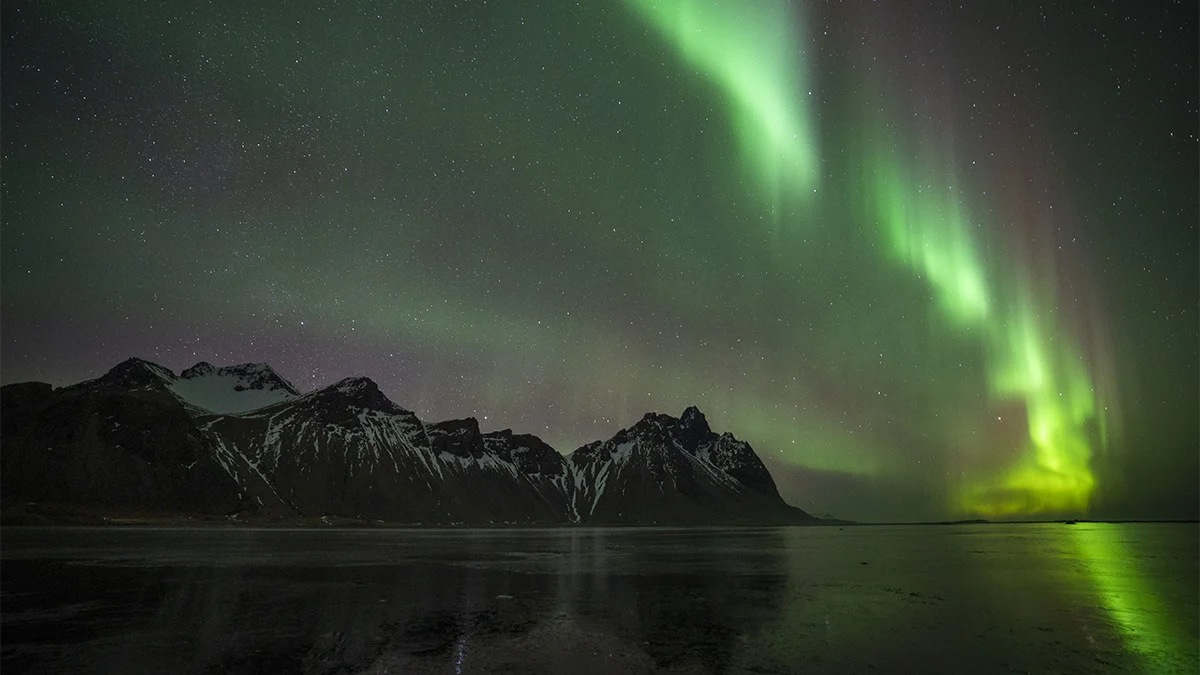
Both journeys are curated to capitalize on the "off-season" advantages: the absence of tourist crowds, the stark beauty of snow-covered volcanic peaks, and the high probability of witnessing the Aurora Borealis (Northern Lights) far from any light pollution.
Chronology: The Evolution of Expedition Cruising
To understand the significance of EYOS’s 2027 announcement, one must look at the timeline of expedition travel over the last decade.
The Rise of the Polar Sector (2015–2020)
Between 2015 and 2020, the travel industry saw a massive surge in interest in "Polar tourism." Antarctica and the Arctic became the new status symbols for seasoned travelers. During this period, EYOS Expeditions established itself by managing complex logistics for private superyachts and scientific missions, often setting world records for the furthest south or north traveled by a private vessel.
The Pivot to Bespoke Charters (2021–2024)
Following the global pandemic, the demand for "secluded luxury" skyrocketed. Travelers no longer wanted to be among 500 people on a "luxury" cruise; they wanted to be among 12. EYOS responded by expanding its fleet of chartered expedition vessels, including the Vikingfjord. The focus shifted from mere sightseeing to "active participation"—where guests aren’t just observers but are engaged in kayaking, citizen science, and deep-wilderness trekking.
Looking Toward 2027
The decision to market 2027 voyages today reflects the long-lead planning required for high-end expedition travel. These trips require specialized permits, expert guides (including glaciologists and professional photographers), and the synchronization of air and sea logistics. By opening these dates now, EYOS is targeting the "ultra-planner" demographic—individuals who view travel as a long-term investment in personal enrichment.
Supporting Data: Technical Specifications and Market Trends
The success of a winter expedition in Iceland is entirely dependent on the hardware. The Vikingfjord is not merely a luxury yacht; it is a specialized tool.

The Vessel: Vikingfjord
- Length: 134 feet (40.8 meters).
- Ice Rating: 1B (certified to navigate through broken ice and harsh polar conditions).
- Capacity: 12 guests served by 8 crew members, ensuring a high staff-to-guest ratio.
- Design: Modern Scandinavian aesthetics characterized by minimalism, natural woods, and expansive glass.
- Amenities: A bridge-deck observation lounge, a sea-view lounge, a sauna, and an outdoor hot tub—essential for thermal regulation after excursions in sub-zero temperatures.
Market Context: The Growth of "Quiet Tourism"
Data from the Icelandic Tourist Board indicates that while summer remains the peak season, winter tourism has grown by over 15% annually (excluding the pandemic years). However, most of this growth is concentrated in the "Golden Circle" near Reykjavík.
The Westfjords and Eastfjords remain statistically under-visited. In the Westfjords, for instance, less than 10% of total visitors to Iceland venture into the region. By operating in these areas during the winter, EYOS is tapping into a market segment that values "extreme privacy"—a commodity that is becoming increasingly expensive and rare.
Official Responses: The Philosophy of Extreme Travel
While EYOS leadership emphasizes the luxury of the ship, they are equally vocal about the "transformative" nature of the itinerary. In statements regarding the 2027 season, the company has highlighted that the goal is to provide a "deep dive" into the Icelandic psyche, which is forged by the country’s volatile climate.
Industry experts suggest that EYOS’s approach represents a shift in the definition of luxury. "In the past, luxury was defined by the thread count of the sheets," says Marcus Thorne, a luxury travel analyst. "Today, for the EYOS client, luxury is defined by the ability to stand in a place where no one else is standing, to see an Arctic fox in its winter coat, or to ski down a virgin slope into a fjord. The Vikingfjord is simply the vehicle that makes that access possible."
Furthermore, the inclusion of "catch-your-own-dinner" fishing adventures and guided e-biking on frozen trails reflects a move toward "experiential authenticity." The company maintains that by involving guests in the procurement of food or the navigation of terrain, they create a more profound connection to the environment.
Implications: Environmental Stewardship and Local Impact
The expansion of winter tourism into remote fjords carries significant implications for both the environment and the local Icelandic economy.
Environmental Considerations
The use of a small, ice-rated vessel like the Vikingfjord is often cited as a more sustainable alternative to large-scale cruising. Smaller ships have a lower carbon footprint per voyage and cause less disruption to marine life. EYOS has historically been a proponent of "leave no trace" tourism, often utilizing their voyages to collect data for environmental researchers. However, the increase in traffic to sensitive areas like the Hornstrandir Nature Reserve requires constant monitoring to ensure that the presence of humans does not disturb the fragile Arctic fox populations or nesting sea birds.
Economic Diversification
For the communities in the Eastfjords and Westfjords, winter has traditionally been a season of economic hibernation. The arrival of high-spending expedition travelers provides a much-needed boost to local suppliers, from "Superjeep" operators to local artisans and fisheries. By promoting the "off-season," EYOS is helping to redistribute the economic benefits of tourism more evenly across the calendar year and the map of Iceland.
The Future of High-End Adventure
The EYOS 2027 Iceland program serves as a bellwether for the future of the industry. It suggests that the next decade of travel will be defined by:
- Seasonal Inversion: Seeking out destinations when they are at their most "authentic" and least populated, regardless of the weather.
- Technical Luxury: A demand for vessels that prioritize safety and access over gold-plated opulence.
- Total Immersion: A move away from passive sightseeing toward active, often physically demanding, engagement with the natural world.
As January 2027 approaches, the eyes of the travel world will be on the Vikingfjord. If successful, these expeditions may well set the standard for how we interact with the planet’s remaining wild spaces—not as tourists passing through, but as explorers seeking a deeper understanding of the earth’s most formidable landscapes.
For those looking to secure a cabin, the window is open, but the availability is as limited as the daylight in an Icelandic winter. As EYOS suggests, the cold-weather plans of 2027 are being written today, in the quiet, frozen corridors of the North.
 Ammar Sabilarrohman
  Iffa Jayyana